
Are you wondering if you can leave a meat thermometer inside your roast or chicken while it cooks? You’re not alone.
Getting the perfect temperature without overcooking or undercooking meat can be tricky. But knowing when and how to use a meat thermometer correctly can change everything. You’ll discover the simple truth about leaving a meat thermometer in your meat during cooking—and how it can help you serve juicy, safe, and delicious meals every time.
Keep reading to make your next cookout a guaranteed success.
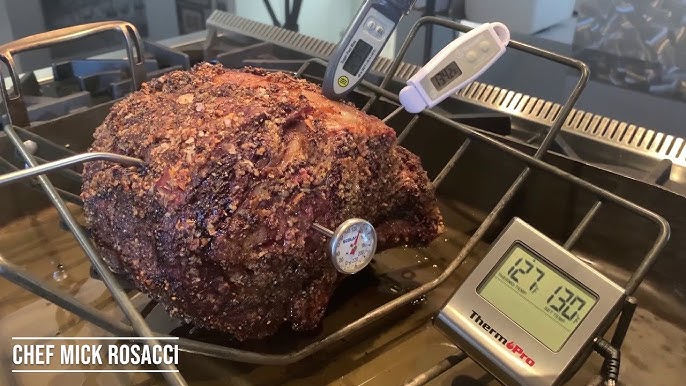
Types Of Meat Thermometers
Meat thermometers come in different types. Each type serves a unique purpose. Choosing the right thermometer helps cook meat safely and perfectly. Understanding their features makes cooking easier and more accurate.
Instant-read Thermometers
Instant-read thermometers give fast temperature readings. Usually, you insert the probe into the meat and wait a few seconds. They are not designed to stay in the meat while cooking. These thermometers are great for quick checks near the end of cooking.
Leave-in Thermometers
Leave-in thermometers stay inside the meat during cooking. Their probes are heat-resistant and designed for long use in the oven or grill. These thermometers allow constant temperature monitoring without opening the oven door. They help avoid overcooking or undercooking meat.
Wireless And Smart Thermometers
Wireless thermometers connect to phones or tablets. They send temperature updates remotely. Smart thermometers often have apps with alerts and cooking tips. These tools offer convenience and control. You can track meat temperature without being near the oven or grill.
Safety Of Leaving Thermometers In Meat
Leaving a meat thermometer in meat during cooking raises safety questions. Understanding the materials and design of the thermometer helps ensure safe use. Knowing the risks and following instructions also protect your food and health.
Heat Resistance And Materials
Thermometers made for cooking often use heat-safe materials. Metal probes can handle high oven or grill temperatures. Some thermometers have plastic parts that may not be heat resistant. Using a thermometer not designed for cooking can cause melting or damage. Always check the thermometer’s heat rating before use.
Risk Of Contamination
Leaving a thermometer in meat can pose contamination risks if not cleaned properly. Bacteria can spread if the probe touches raw meat and then cooked meat. Use a clean thermometer for each use and sanitize it well. Avoid cross-contamination by washing the probe after touching raw food.
Manufacturer Guidelines
Manufacturers provide clear rules about leaving thermometers in meat. Some models are made for continuous use during cooking. Others are meant only for quick checks. Follow the instructions to avoid damaging the thermometer or food safety risks. Checking the manual ensures safe and effective use.
Benefits Of Leaving A Thermometer In Meat
Leaving a meat thermometer in meat while cooking brings clear benefits. It helps you cook meat safely and perfectly. This method makes the cooking process easier and more precise.
Here are some key benefits of keeping a thermometer in meat during cooking.
Accurate Temperature Monitoring
The thermometer stays inside the meat and shows the real temperature. It measures heat at the center where cooking is slowest. This accuracy helps avoid guessing or cutting the meat to check. You can trust the reading to know when the meat is done.
Hands-free Cooking
Once the thermometer is placed, you do not need to open the oven or grill often. This keeps the heat steady and cooking even. You can focus on other tasks without worrying about the meat. It saves time and effort in the kitchen.
Preventing Overcooking
The thermometer alerts you when the meat reaches the right temperature. This stops cooking at the perfect moment. Overcooked meat becomes dry and tough. Using a thermometer helps keep the meat juicy and tender.

When Not To Leave A Thermometer In Meat
Knowing when not to leave a meat thermometer in your food is important. Some thermometers are not designed to stay inside the meat during cooking. Using the wrong type can cause inaccurate readings or damage the thermometer. Certain meats and cooking methods need special care with thermometers.
Using Instant-read Models
Instant-read thermometers are made for quick checks. They give a fast temperature but are not safe to leave inside meat. These thermometers can melt or break if left in the oven. Use them only to check temperature after cooking or near the end.
Thin Cuts And Delicate Meats
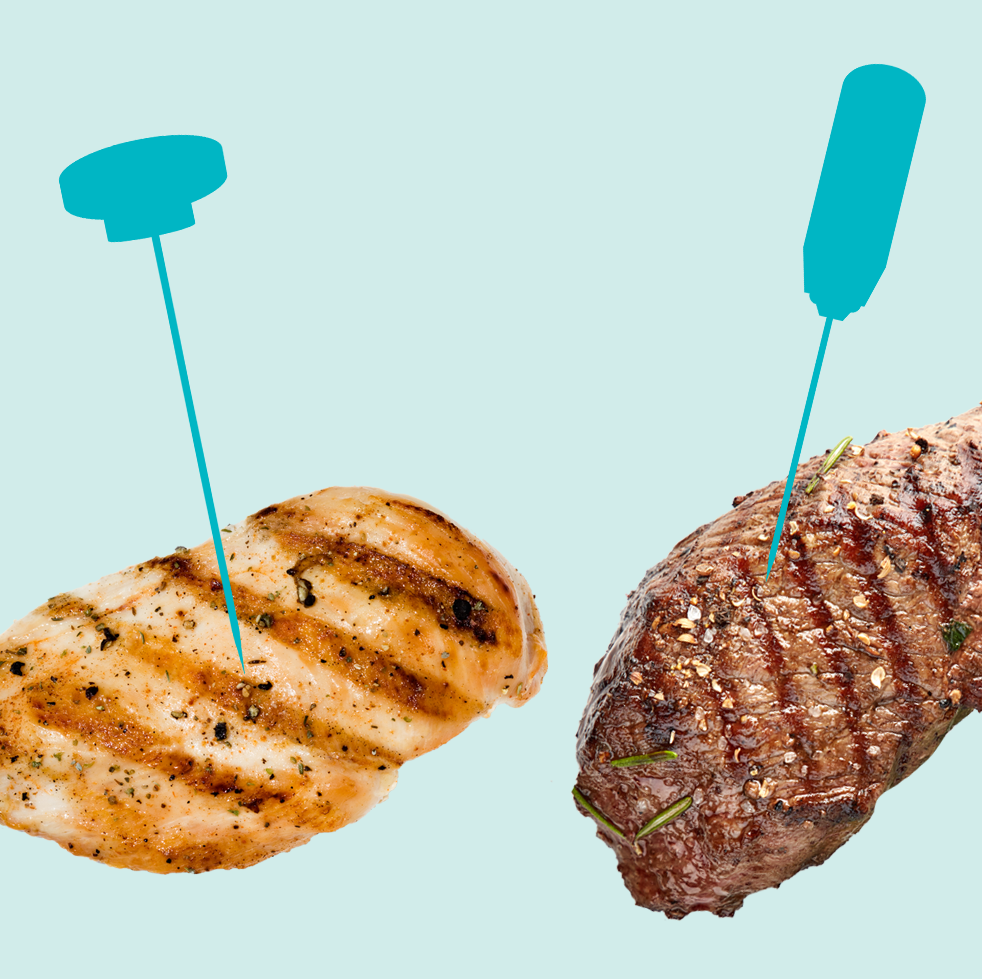
Thin cuts like fish fillets or chicken breasts can be damaged by leaving a thermometer inside. The probe may tear the meat or cause it to cook unevenly. Always check these meats by inserting the thermometer briefly, then remove it.
Oven Safety Concerns
Not all thermometers are built for oven use. Some have plastic parts that can melt or catch fire. Leaving a non-oven-safe thermometer in meat can cause safety risks. Always check if your thermometer is oven-safe before leaving it inside during cooking.
How To Use A Leave-in Thermometer Correctly
Using a leave-in meat thermometer can help cook meat perfectly. It shows the temperature inside the meat during cooking. This tool prevents overcooking or undercooking. Using it correctly ensures accurate readings and safe meat. Follow simple steps to place and care for the thermometer.
Proper Placement In The Meat
Insert the thermometer into the thickest part of the meat. Avoid thin edges or tips. This spot gives the best temperature reading. Push the probe deep enough to reach the center. Make sure the tip is not too close to the surface. Proper placement helps cook meat evenly and safely.
Avoiding Bone And Fat
Keep the thermometer away from bones and fat. Bones heat up faster and give false readings. Fat takes longer to heat and can confuse the results. Place the probe in the muscle part of the meat. This method shows the true internal temperature. It helps avoid undercooked or overcooked meat.
Cleaning And Maintenance
Clean the thermometer after every use. Use warm water and mild soap to wash the probe. Dry it well before storing to prevent rust. Check for damage or cracks regularly. Replace batteries in digital thermometers on time. Proper care keeps the thermometer accurate and safe to use.
Expert Tips For Best Results
Using a meat thermometer correctly is key to great cooking results. Experts share tips that help you check meat safely and cook it perfectly. These tips make sure your meat is juicy and safe to eat. Follow simple steps to get the best from your thermometer and your cooking.
Calibrating Your Thermometer
Check your thermometer before each use. Boil water to test if it reads 212°F (100°C). Adjust if needed, using the manufacturer’s guide. A calibrated thermometer gives accurate temperature readings every time. This helps avoid undercooked or overcooked meat.
Timing And Temperature Targets
Know the right temperature for each type of meat. Insert the thermometer into the thickest part, away from bone. Leave the thermometer in the meat only if it is designed for that. Check the temperature early to avoid overcooking. Keep an eye on the target temperature for safety and taste.
Combining Thermometer Use With Other Cooking Methods
Use the thermometer alongside other cooking tools, like timers or visual checks. Look for changes in color and texture as extra signs of doneness. Let meat rest after cooking to keep juices inside. Use the thermometer to confirm the meat reached a safe temperature before serving.
Frequently Asked Questions
Can A Meat Thermometer Stay In Meat During Cooking?
Yes, many meat thermometers are designed to stay in meat while cooking. Leave the probe in to monitor temperature accurately without opening the oven.
Does Leaving A Thermometer Affect Cooking Time?
Leaving a thermometer inside usually does not affect cooking time. It helps maintain consistent heat by minimizing oven door openings.
Is It Safe To Leave A Thermometer In Meat?
Yes, food-safe meat thermometers are safe to leave in meat during cooking. Ensure the probe is oven-safe and properly inserted.
How To Use A Meat Thermometer Correctly?
Insert the probe into the thickest part of the meat, avoiding bone or fat. Leave it in to get an accurate internal temperature.
Conclusion
A meat thermometer can stay in meat during cooking if it is designed for it. Always check the thermometer’s instructions to be sure. Leaving it in helps monitor temperature closely. This prevents undercooking or overcooking your food. Use a safe, ovenproof thermometer for best results.
Cooking becomes easier and safer with the right tool. Remember, the thermometer tip should be in the thickest part of the meat. This way, you get the most accurate reading every time. Keep your meals juicy and safe by using a meat thermometer properly.

- OSIPOTO 2LB Bread Maker Troubleshooting - September 14, 2026
- Turbochef Troubleshooting - September 14, 2026
- OSIPOTO Bread Maker Machine Review: Honest Take 2026 - September 13, 2026

