
Are you wondering if you can use a meat thermometer for frozen meat? You’re not alone.
Cooking frozen meat safely and perfectly can be tricky. Using a meat thermometer might seem like an easy way to get it right, but does it really work? You’ll discover the truth about using a meat thermometer on frozen meat—and how to make sure your meals are both safe and delicious.
Keep reading, because this simple tip could change the way you cook forever.
Using Thermometers With Frozen Meat
Using a meat thermometer with frozen meat requires care and the right tools. Checking temperature helps ensure meat cooks safely and tastes good. Frozen meat can be tricky because it changes how thermometers work. Understanding these details makes cooking easier and safer.
How Meat Thermometers Work
Meat thermometers measure the inside temperature of meat. A probe goes into the meat to read heat levels. This reading shows if meat is cooked enough to eat. The thermometer uses sensors to detect temperature changes. It shows the temperature on a dial or screen.
Challenges With Frozen Meat
Frozen meat is very cold and hard. This makes it hard to insert the thermometer probe. The cold can cause slow or wrong readings. Frozen ice can block the probe from reaching the center. Meat temperature changes slowly when frozen. This can confuse the thermometer’s sensor.
Types Of Thermometers Suitable For Frozen Meat
Instant-read digital thermometers work well with frozen meat. They give quick, accurate results. Leave the probe in longer for a steady reading. Leave-in probe thermometers also work but need more time. Avoid dial or analog thermometers as they react slowly. Use waterproof and sturdy models for best results. These last longer and handle frozen meat better.
Safe Temperature Guidelines
Safe temperature guidelines help ensure frozen meat is cooked well. Using a meat thermometer is key to checking meat’s internal heat. This protects you from harmful bacteria. It also makes sure the meat is juicy and tasty.
Knowing the right temperatures helps you cook frozen meat safely. It stops undercooking and keeps your meals healthy. Follow these simple temperature rules for the best results.
Recommended Internal Temperatures
Chicken and turkey need to reach 165°F (74°C). Ground meats like beef, pork, and lamb must hit 160°F (71°C). Steaks, chops, and roasts are safe at 145°F (63°C). Let meat rest for a few minutes to finish cooking. These temps kill germs and make meat safe to eat.
Risks Of Undercooking Frozen Meat
Undercooked frozen meat can carry bacteria like Salmonella and E. coli. These can cause food poisoning and stomach problems. Eating undercooked meat may lead to nausea, vomiting, or worse. Frozen meat takes longer to cook. Guessing don’t work. Always use a thermometer to avoid risks.
Best Practices For Measuring Frozen Meat
Measuring the temperature of frozen meat requires care to get safe and accurate results. Using a meat thermometer on frozen meat can be tricky. Following the right steps helps avoid mistakes and ensures the meat cooks properly. These best practices will guide you through the process.
Thawing Vs. Direct Measurement
Measuring frozen meat directly with a thermometer often gives wrong results. The cold surface can fool the sensor. Thawing the meat first is safer. Let the meat thaw in the fridge or use cold water. Once thawed, the thermometer can check the real temperature inside.
Proper Insertion Techniques
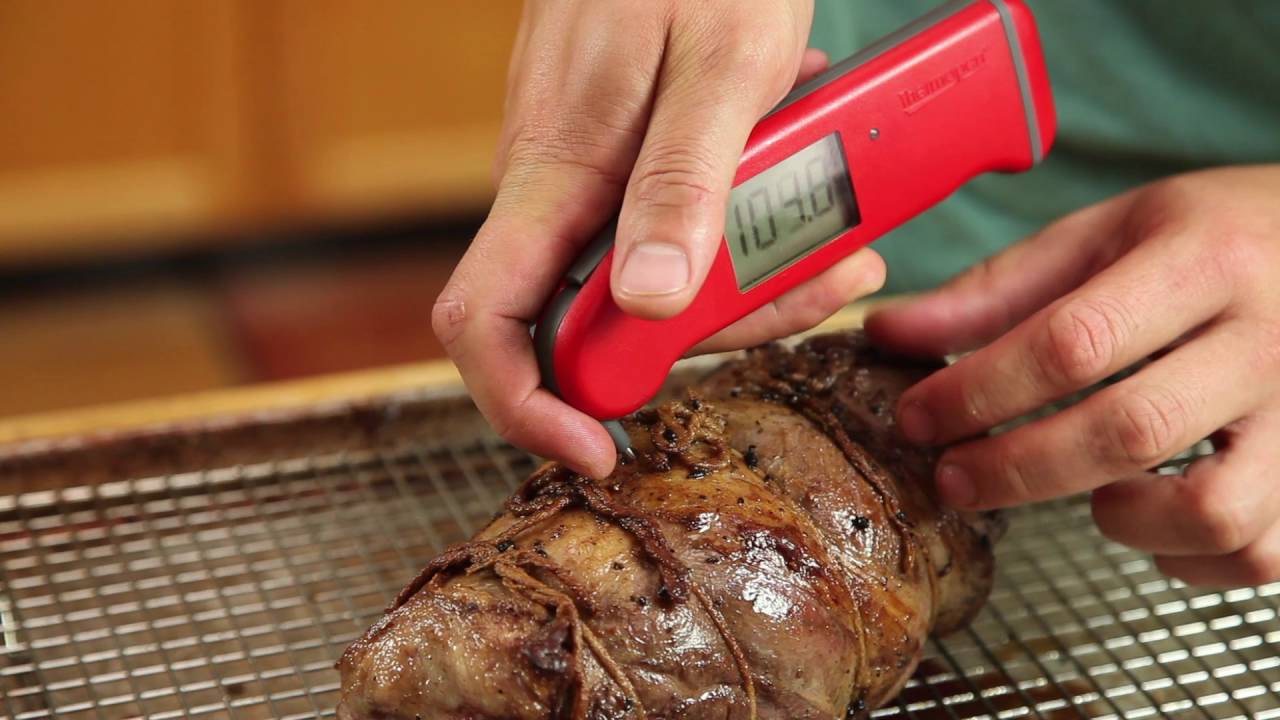
Insert the thermometer into the thickest part of the meat. Avoid touching bone or fat, which can change the reading. Push the probe deep enough to reach the center. Hold the thermometer still until the reading stops changing. This ensures the temperature is correct.
Avoiding Inaccurate Readings
Do not test frozen meat’s surface temperature. It will show a lower number than the inside. Clean the thermometer before and after use. This keeps the tool safe and reliable. Use a digital thermometer for faster, more accurate readings. Check the temperature multiple times to be sure.
Expert Tips For Accurate Results
Getting accurate temperature readings is key for cooking frozen meat safely. Using a meat thermometer properly helps avoid undercooking or overcooking. These expert tips make temperature checks simple and reliable.
Calibrating Your Thermometer
Check your thermometer’s accuracy before use. Use ice water to test it. Insert the probe into ice water and wait for the reading. It should show 32°F (0°C). If not, adjust according to the manual. Calibration ensures you get correct temperatures every time.
Using Digital Vs. Analog Thermometers
Digital thermometers give faster, easier readings. They often have clear displays and beep when ready. Analog thermometers take longer and need careful reading. Both work well if used right. Choose what feels comfortable for you.
Timing Your Temperature Checks
Check the temperature in the thickest part of the meat. Avoid touching bone or fat for accurate results. Insert the thermometer halfway through cooking. Wait until the thermometer stabilizes before reading. Frequent checks can cool the meat and affect cooking.
Alternatives To Thermometers For Frozen Meat
Thermometers are the best tool for checking meat temperature. Still, sometimes you may not have one ready, especially with frozen meat. There are other ways to tell if your meat is cooked well. These methods rely on what you can see and feel or how long you cook the meat. Understanding these tips helps avoid undercooked or overcooked meals.
Visual And Texture Cues
Look at the color of the meat inside. It should change from pink or red to a light brown or gray. The juices should run clear, not red or pink. Press the meat with your finger. Cooked meat feels firm but not hard. Raw or undercooked meat feels soft and squishy. These signs help guess if the meat is done without a thermometer.
Using Cooking Time As A Guide
Follow cooking time charts for frozen meat. These charts tell how long to cook meat by type and size. For example, a frozen chicken breast needs about 50% more time than fresh. Use a timer to avoid guessing. Turn the meat halfway through cooking for even heat. This method is simple and helps cook frozen meat safely.

Frequently Asked Questions
Can I Use A Meat Thermometer On Frozen Meat?
Using a meat thermometer on frozen meat is not recommended. It won’t give an accurate temperature reading until the meat is thawed or partially cooked.
How Do I Check Meat Temperature If It’s Frozen?
Thaw or partially cook the frozen meat before using a thermometer. Insert the probe into the thickest part to get an accurate reading.
Will A Meat Thermometer Damage Frozen Meat?
No, a meat thermometer won’t damage frozen meat. However, inserting it into very hard frozen meat can be difficult and might bend the probe.
When Should I Use A Meat Thermometer For Frozen Meat?
Use a meat thermometer after thawing or during cooking. This ensures you measure the internal temperature accurately for safe consumption.
Conclusion
Using a meat thermometer helps cook meat safely and properly. Do not insert it into frozen meat directly. Thaw meat first for accurate temperature reading. This ensures even cooking and avoids food risks. A thermometer gives peace of mind in the kitchen.
Always clean the thermometer after use. Cooking meat to the right temperature protects your health. Keep these tips in mind for better cooking results every time.

- OSIPOTO 2LB Bread Maker Troubleshooting - September 14, 2026
- Turbochef Troubleshooting - September 14, 2026
- OSIPOTO Bread Maker Machine Review: Honest Take 2026 - September 13, 2026

