
If you rely on your ice maker every day, keeping it clean is more important than you might think. But how often should you actually clean an ice maker to keep your ice fresh and your machine running smoothly?
Ignoring this simple task can lead to cloudy, bad-tasting ice or even damage your appliance. You’ll discover the perfect cleaning schedule that fits your routine and ensures your ice maker works at its best. Keep reading to find out how to protect your ice and your investment with easy, effective cleaning tips.
Signs Your Ice Maker Needs Cleaning
Knowing when your ice maker needs cleaning is important. It keeps the ice fresh and safe to use. Some clear signs show your ice maker needs attention. Watch for changes in taste, speed, and appearance. These clues help you know the right time to clean.
Unusual Taste Or Odor
Ice should taste fresh and clean. A strange taste or smell means dirt or bacteria may be growing. This can happen if the water filter is old or the machine is dirty. Bad taste or odor signals it is time to clean your ice maker.
Slow Ice Production
If your ice maker takes longer to produce ice, it needs cleaning. Dust, mold, or mineral buildup can block water flow. This slows down ice making. Regular cleaning helps keep the machine fast and efficient.
Visible Mold Or Buildup
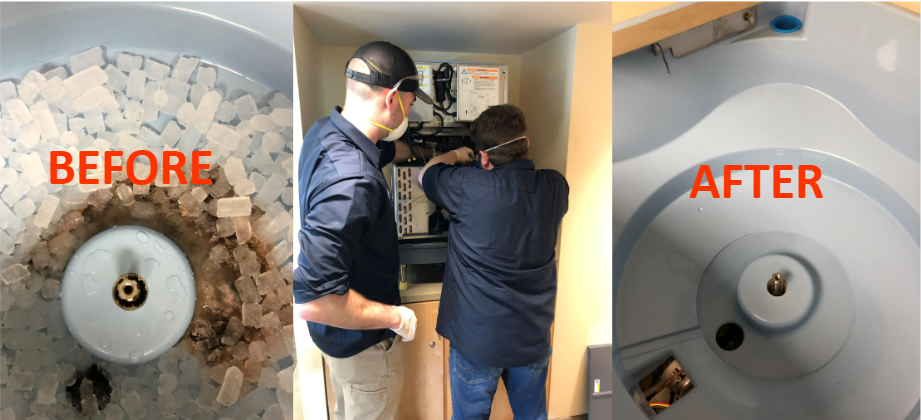
Look inside the ice maker for mold or buildup. Dark spots or white crusty layers show dirt and germs. This is a clear sign your ice maker needs cleaning. Removing these keeps your ice pure and safe to eat.
Recommended Cleaning Frequency
Keeping your ice maker clean is important for fresh, clear ice and good taste. The cleaning frequency depends on how often you use the machine. Regular cleaning stops bacteria and mineral buildup. It also helps your ice maker work better and last longer.
Monthly Cleaning For Heavy Use
Heavy users should clean the ice maker every month. This applies to places like restaurants or busy offices. Frequent cleaning prevents germs and scale from building up fast. It keeps the ice safe and the machine efficient.
Quarterly Cleaning For Moderate Use
For moderate use, cleaning every three months works well. This suits most home kitchens and small businesses. Regular quarterly cleaning keeps the ice fresh. It also stops problems before they start.
Biannual Cleaning For Light Use
Light users should clean their ice maker twice a year. This fits homes that use ice occasionally. Cleaning every six months prevents dust and dirt buildup. It keeps your ice clean and your machine running smoothly.
Step-by-step Cleaning Process
Cleaning your ice maker regularly keeps the ice fresh and the machine working well. Follow these easy steps to clean it properly. This process helps stop bad tastes and germs from growing. Each step is simple and takes little time.
Gathering Supplies
Get everything ready before you start. You will need a soft cloth, mild dish soap, warm water, a toothbrush, and a sanitizer safe for ice machines. Have a bucket or container to catch water. Prepare all supplies in one place.
Draining And Disconnecting
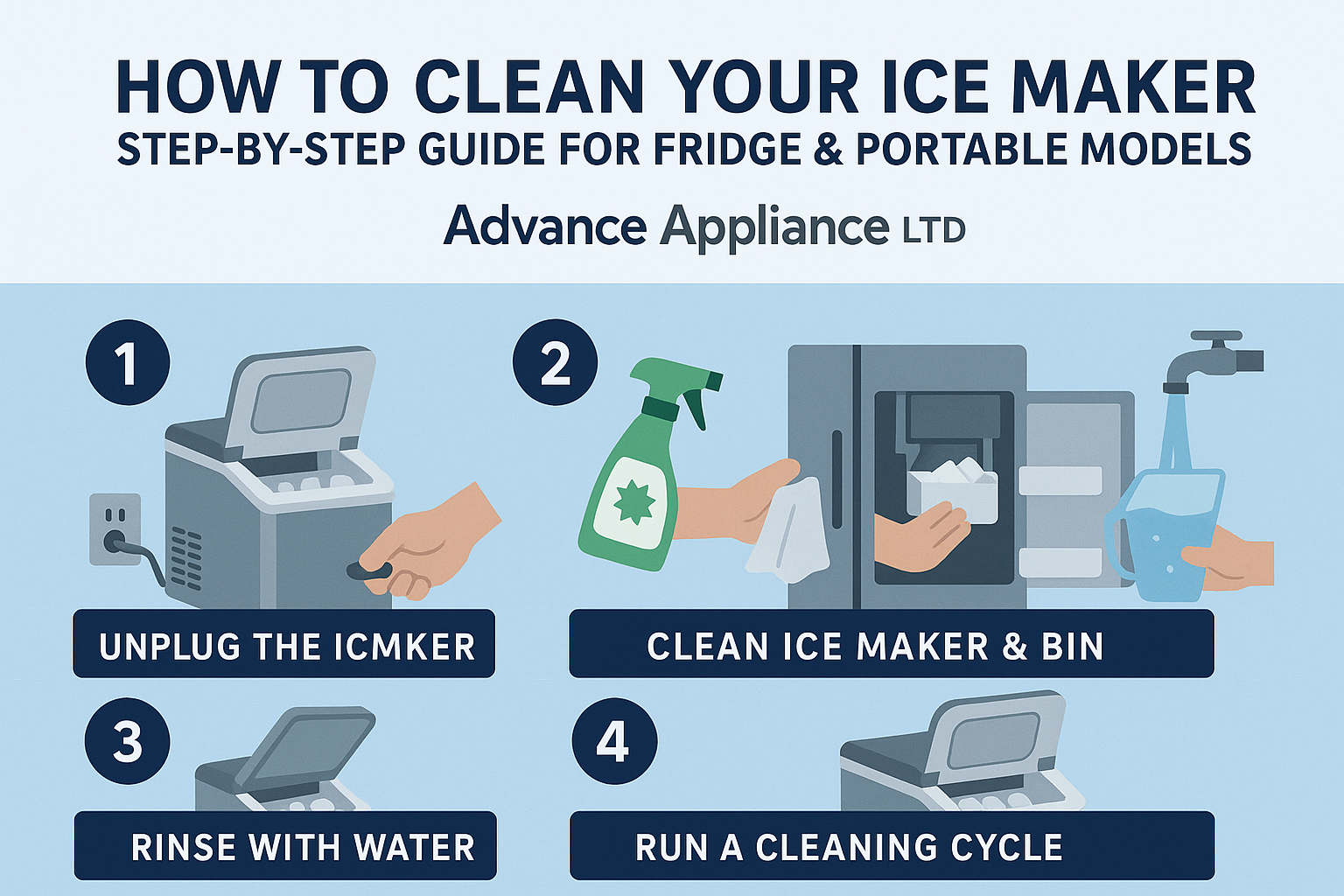
Turn off the ice maker and unplug it from power. Drain any ice and water inside the machine. Remove the ice bin carefully. This step keeps water from spilling and makes cleaning easier.
Cleaning Ice Bin And Components
Wash the ice bin and removable parts with warm, soapy water. Use a soft cloth or sponge to avoid scratches. Use a toothbrush to clean small corners and grooves. Rinse everything well with clean water.
Sanitizing The System
Mix the sanitizer according to instructions. Wipe down all parts inside the machine that touch ice or water. Use a clean cloth soaked in sanitizer. Let the sanitizer sit for the recommended time to kill germs.
Reassembling And Testing
Put all parts back in place carefully. Plug the machine back in and turn it on. Run one or two cycles and discard the first batch of ice. This removes any leftover cleaning residue and ensures fresh ice.
Essential Maintenance Tips
Keeping your ice maker clean is key to its performance and your health. Regular care stops problems before they start. Follow these essential tips to maintain your ice maker.
Regular Filter Replacement
Change the water filter every six months. Filters trap dirt and impurities that affect ice taste. A clogged filter slows water flow and damages the machine.
Water Quality Considerations
Use clean, fresh water for better ice quality. Hard water causes mineral build-up inside the machine. This build-up reduces efficiency and can break parts.
Preventing Mold And Bacteria
Clean the ice maker’s interior every month. Mold and bacteria grow in damp, cold places. Use mild soap and warm water to wipe all surfaces carefully.
Routine Inspections
Check the ice maker weekly for leaks or cracks. Look for unusual smells or noises. Early detection helps avoid costly repairs and keeps ice safe to eat.
Troubleshooting Common Issues
Troubleshooting common issues with your ice maker helps keep it working well. Regular cleaning stops many problems before they start. Knowing how to fix simple issues saves time and money. This guide covers three frequent problems and easy fixes for each.
Ice Maker Not Making Ice
Check if the ice maker is turned on. Look for a power issue or a tripped breaker. Make sure the water supply is connected and turned on. Clean the water filter if it is clogged. A dirty filter blocks water flow. Also, check the freezer temperature. It should be cold enough to freeze water quickly.
Ice Cubes Sticking Together
Ice cubes can stick if the ice bin is too warm. Keep the freezer temperature at the right level. Avoid opening the freezer door too often. Moisture causes the cubes to stick. Clean the ice bin regularly to remove frost build-up. Use fresh water for better ice quality.
Leaking Water
Leaks often come from loose water lines or connections. Tighten any loose hoses or fittings. Check the drain pan for cracks or overflow. Clean the drain hole to prevent clogs. Make sure the ice maker is level. An uneven surface can cause water to spill.
Professional Servicing Vs. Diy Cleaning
Cleaning your ice maker keeps it working well and ice tasting fresh. You can clean it yourself or hire a professional. Both have benefits and limits. Knowing when to choose each option helps protect your machine and save money.
When To Call A Technician
Call a technician if your ice maker stops making ice or leaks. Strange noises or slow ice production also need expert help. Professionals can find problems you might miss. They have tools to fix complex issues safely.
Benefits Of Professional Maintenance
Professionals clean parts deeply and check for hidden damage. Regular service improves ice quality and machine lifespan. They use special cleaners and follow safety rules. This reduces breakdown risks and costly repairs later.

Frequently Asked Questions
How Often Should I Clean My Ice Maker?
You should clean your ice maker every 3 to 6 months. Regular cleaning prevents mold, bacteria, and mineral buildup. This ensures fresh, safe ice and extends the machine’s lifespan. Follow the manufacturer’s instructions for the best results.
What Happens If I Don’t Clean My Ice Maker?
Not cleaning your ice maker can cause bacteria and mold growth. It may lead to bad-tasting or unsafe ice. Mineral deposits can clog the machine, causing malfunctions. Regular cleaning maintains hygiene and optimal performance.
Can I Use Vinegar To Clean My Ice Maker?
Yes, vinegar is an effective natural cleaner for ice makers. Use a diluted vinegar solution to remove mineral deposits and disinfect. Rinse thoroughly after cleaning to avoid leftover vinegar taste in your ice.
How Do I Know When My Ice Maker Needs Cleaning?
Signs include foul odors, cloudy or bad-tasting ice, and slower ice production. Visible mold or mineral buildup also indicates cleaning is needed. Regular checks help maintain hygiene and performance.
Conclusion
Cleaning your ice maker regularly keeps ice fresh and safe to use. Aim to clean it every one to three months. This habit prevents bad smells and bacteria build-up. Regular care also helps your machine work better and last longer.
Don’t wait for problems to appear. A clean ice maker means clear, tasty ice for drinks. Simple steps make a big difference. Keep your ice maker in good shape with routine cleaning. Your health and ice quality will thank you.

- OSIPOTO 2LB Bread Maker Troubleshooting - September 14, 2026
- Turbochef Troubleshooting - September 14, 2026
- OSIPOTO Bread Maker Machine Review: Honest Take 2026 - September 13, 2026

