
Have you ever stopped to think about what’s really inside your ice maker? It might seem like a simple machine that just makes ice, but the truth is, your ice maker can become a hidden breeding ground for mold.
This isn’t just a small problem—it can affect the taste of your ice, your health, and even your appliances. If you want to keep your ice clean and your kitchen safe, understanding whether ice makers can grow mold is a must.
Keep reading to discover the surprising facts and easy steps you can take to protect yourself and your family.

Mold Growth In Ice Makers
Mold can grow inside ice makers if conditions allow it. Ice makers are often damp and cool. These conditions can help mold to form and spread. Mold in ice makers can be harmful. It can affect the taste and safety of your ice.
Understanding how mold grows in ice makers helps prevent it. Knowing the common mold types also helps identify the problem early.
Conditions That Promote Mold
Mold needs moisture to grow. Ice makers have water and ice, which provide this moisture. Warm temperatures help mold grow faster. Ice makers often have parts that stay wet. This wetness creates a perfect place for mold to live. Poor cleaning allows mold to build up. Dirt and food particles also feed mold. Closed spaces with little air flow encourage mold growth.
Common Mold Types Found
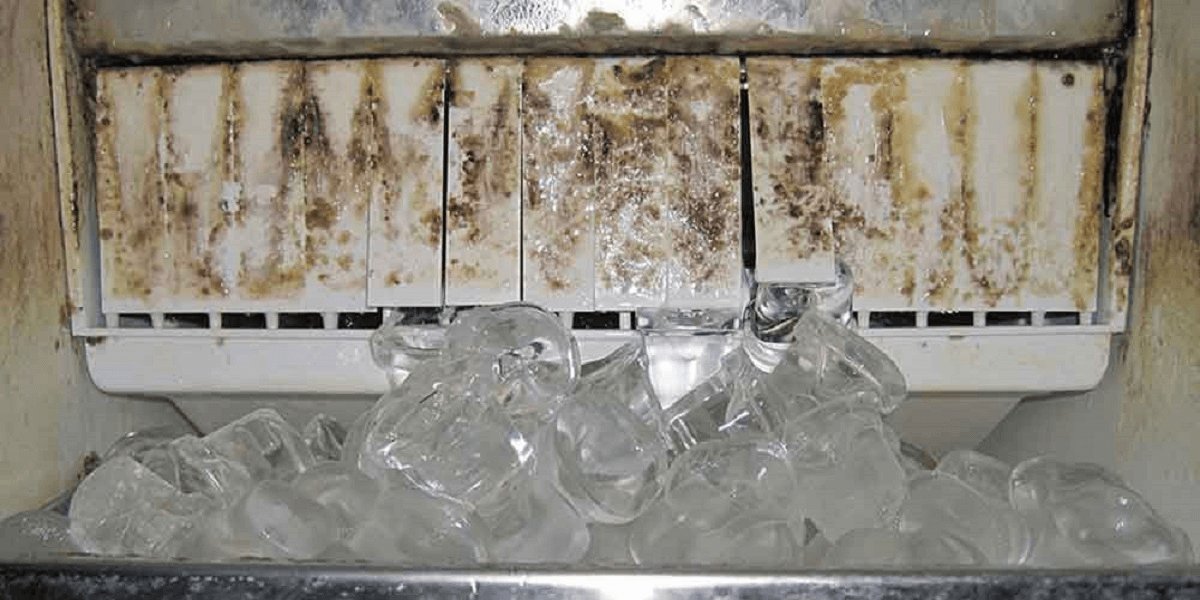
Several mold types appear in ice makers. Black mold is common and looks dark. It can cause health problems. White mold grows as a fuzzy layer. It often grows on plastic parts. Green mold also grows in damp areas. It can spread quickly if not cleaned. These molds can change the smell and taste of ice. Identifying mold early helps stop it from spreading.
Health Risks Of Moldy Ice
Mold in ice makers can cause serious health problems. Mold grows in moist, cold places, and ice makers fit that description well. Eating or drinking moldy ice can introduce harmful spores into the body. These spores can trigger allergies or infections. Understanding these risks helps you avoid health issues.
Potential Allergic Reactions
Mold spores can cause allergic reactions in many people. Symptoms include sneezing, runny nose, and itchy eyes. Some may experience skin rashes or throat irritation. People with asthma may face more severe breathing problems. Children and elderly people are more sensitive to mold allergies. Avoiding moldy ice is important to prevent these reactions.
Infections And Illnesses
Moldy ice can carry harmful bacteria and fungi. Consuming it might lead to stomach pain, nausea, and vomiting. People with weak immune systems risk serious infections. Mold spores can cause lung infections in vulnerable individuals. Drinking clean, mold-free ice reduces the chance of illness. Regularly cleaning ice makers helps keep ice safe to use.
Signs Of Mold In Your Ice Maker
Mold can grow inside ice makers if they are not cleaned regularly. It thrives in cold, wet areas like ice trays and water lines. Knowing the signs of mold helps keep your ice safe and fresh.
Check your ice maker often. Early detection stops mold from spreading. Watch for visual clues and changes in smell or taste.
Visual Indicators
Look inside the ice maker for dark spots or fuzzy patches. Mold may appear black, green, or white. These spots often grow around the ice tray edges and water reservoir. Cloudy or slimy ice cubes also suggest mold growth. Crusty buildup or stains near the dispenser can be signs too. Clean these areas at once to prevent health risks.
Unusual Odors And Tastes
Mold causes strange smells in the ice maker. The ice might smell musty or sour. Sometimes, ice tastes bitter or has a chemical flavor. These changes happen because mold affects water quality. If ice has odd smells or tastes, stop using it. Clean the machine thoroughly before making more ice. Fresh ice should smell neutral and taste clean.
Preventing Mold Formation
Mold can grow inside ice makers if not properly cared for. Mold thrives in damp, cold places like ice machines. Preventing mold keeps your ice clean and safe to use. Simple steps can stop mold before it starts.
Regular Cleaning Tips
Clean your ice maker often to avoid mold buildup. Use warm water and mild soap to wash parts. Remove ice trays and clean them thoroughly. Wipe down all surfaces with a soft cloth. Dry everything completely before putting it back. Clean the ice maker at least once a week. This routine keeps mold spores from settling inside.
Proper Maintenance Practices
Check your ice maker regularly for leaks or cracks. Fix any water leaks quickly to prevent damp spots. Replace water filters on time to keep water fresh. Make sure ventilation is clear around the machine. Avoid leaving ice sitting for too long inside. Turn off the ice maker during long periods of non-use. These steps help keep the machine dry and mold-free.
Safe Cleaning Methods
Keeping your ice maker clean is key to stopping mold growth. Safe cleaning methods remove dirt and germs. This helps your ice stay fresh and safe to eat. Regular cleaning also makes your ice maker last longer.
Recommended Cleaning Products
Use mild dish soap to clean the ice maker parts. White vinegar is great to kill mold and bacteria. Baking soda works well to remove odors. Avoid harsh chemicals or bleach; they can harm the machine. Always choose products safe for food contact surfaces.
Step-by-step Cleaning Process
First, unplug the ice maker and empty all ice. Remove the ice bin and any detachable parts. Wash parts with warm water and mild soap. Rinse well to remove all soap. Wipe the inside of the machine with vinegar using a soft cloth. Let it sit for 10 minutes to kill germs. Rinse again with clean water. Dry all parts completely before reassembling. Plug the machine back in and run one cycle. Discard the first batch of ice to clear out any residue.

When To Replace Your Ice Maker
Knowing when to replace your ice maker is important for health and safety. Mold can grow inside ice makers if they stay wet or dirty. Sometimes cleaning works, but other times replacement is best. Recognizing the signs helps protect your home and family.
Signs Of Irreversible Mold Damage
Visible mold inside the ice maker means serious trouble. A strong, musty smell that won’t go away signals mold deep inside. Frequent mold regrowth after cleaning shows damage beyond repair. Ice tastes strange or smells bad despite cleaning. These signs mean your ice maker needs replacing.
Choosing A Mold-resistant Model
Look for ice makers with anti-mold features. Materials that resist mold growth help keep ice clean. Models with easy-to-clean parts reduce mold buildup risks. Consider ice makers with built-in UV light or self-cleaning cycles. These features help prevent mold problems in the future.
Frequently Asked Questions
Can Mold Grow Inside An Ice Maker?
Yes, mold can grow in ice makers due to moisture and warmth. Regular cleaning prevents mold buildup and keeps ice safe.
How Often Should I Clean My Ice Maker?
Clean your ice maker every one to three months. Frequent cleaning stops mold and bacteria growth, ensuring fresh ice.
What Causes Mold Growth In Ice Makers?
Mold grows from leftover water, dirt, and warm temperatures. Poor maintenance and infrequent cleaning increase the risk of mold.
Is Moldy Ice Harmful To Health?
Yes, moldy ice can cause allergic reactions and illness. Avoid consuming ice from a moldy ice maker to stay safe.
Conclusion
Ice makers can grow mold if not cleaned often. Mold loves wet, dark places like ice trays. Regular cleaning stops mold from spreading. Use vinegar or mild soap to clean parts. Change water frequently to keep it fresh. Clean ice makers every few weeks for safety.
Healthy ice means better drinks and less risk. Stay aware and keep your ice maker clean. Simple steps protect your health and your home. Mold in ice is avoidable with good care.

- OSIPOTO 2LB Bread Maker Troubleshooting - September 14, 2026
- Turbochef Troubleshooting - September 14, 2026
- OSIPOTO Bread Maker Machine Review: Honest Take 2026 - September 13, 2026

