
Are you tired of dealing with messy ice makers that need constant cleaning? You’ve probably heard about self-cleaning ice makers and wondered if they really work.
Can these machines save you time and hassle, or are they just a marketing gimmick? You’ll discover how effective self-cleaning ice makers truly are and whether they’re worth the investment. Keep reading to find out if this convenience could change the way you enjoy ice at home or in your business.

How Self Cleaning Ice Makers Work
Self cleaning ice makers reduce the need for manual cleaning. These machines use built-in systems to keep ice fresh and safe. The cleaning process removes dirt, bacteria, and mineral build-up. This helps keep the ice maker running smoothly and extends its life.
Understanding how these devices clean themselves helps you choose the right model. It also shows what to expect in terms of maintenance and performance.
Cleaning Mechanisms Explained
Self cleaning ice makers use various methods to clean internal parts. Most systems flush water through ice trays and pipes. This removes leftover ice and debris. Some models use hot water or steam to kill germs and bacteria. Others use a special cleaning solution to break down mineral deposits. The cleaning process usually runs automatically at set times. This keeps the ice maker hygienic without needing user effort.
Common Technologies Used
Several technologies help self cleaning ice makers work well. One is ultraviolet (UV) light, which kills bacteria on surfaces. Another is ozone, a gas that removes odors and germs. Some machines have removable parts that are dishwasher safe. This makes deep cleaning easier and faster. Many models use sensors to detect dirt or scale build-up. These sensors trigger the cleaning cycle only when needed. This saves water and energy while keeping ice clean.
Benefits Of Self Cleaning Ice Makers
Self cleaning ice makers offer several clear benefits for both homes and businesses. They reduce the hassle of manual cleaning and help keep the ice fresh and safe to use. These machines are designed to maintain themselves with little help from the user.
Choosing a self cleaning ice maker means less time spent on maintenance. It also means better hygiene for the ice you serve. Here are some key benefits to consider.
Time And Effort Savings
Self cleaning ice makers save you a lot of time. They clean their internal parts automatically. You don’t need to disassemble or scrub the machine. This reduces effort and lets you focus on other tasks. Regular cleaning is important, but these machines handle it for you. It keeps the machine running smoothly without constant attention.
Hygiene And Safety Improvements
These ice makers improve hygiene by preventing mold and bacteria buildup. They use built-in cleaning cycles to remove dirt and germs. This means the ice stays cleaner and safer to consume. Safe ice reduces health risks, especially in busy kitchens or public places. Clean machines also last longer and perform better over time.
Limitations And Drawbacks
Self-cleaning ice makers promise less hassle and cleaner ice. Still, they have some limits and drawbacks. Knowing these can help you decide if this appliance fits your needs.
Cleaning Efficiency Concerns
Self-cleaning systems do not remove all dirt or mold. Some areas inside the machine stay hard to clean. Over time, leftover buildup can affect ice taste and quality. These machines may need manual cleaning for best results. The cleaning cycle might not cover all parts evenly. This can reduce overall hygiene and machine performance.
Maintenance Requirements
Self-cleaning does not mean no maintenance. Filters and water lines still need regular checks. You must replace parts like filters to keep the machine working well. Ignoring maintenance can cause breakdowns or poor ice production. The cleaning process uses water and sometimes chemicals. This can wear out some components faster. Regular upkeep is necessary to extend the ice maker’s life.
Comparing Self Cleaning Vs Manual Cleaning
Self cleaning ice makers offer a modern way to keep your ice machine clean. Manual cleaning relies on your effort to scrub and sanitize. Both methods aim to deliver fresh, safe ice. The choice depends on what fits your needs and lifestyle best.
Effectiveness Differences
Self cleaning ice makers use built-in cycles to clean automatically. They target bacteria and mineral buildup without your hands. This process is consistent but may miss heavy dirt or mold.
Manual cleaning requires you to open the machine and scrub parts. It can reach all corners and remove tough stains. This method ensures deep cleaning but needs time and attention.
Cost Implications
Self cleaning machines often cost more upfront. They save money on cleaning supplies and your time. Repairs can be pricier if the automatic system breaks.
Manual cleaning tools are inexpensive and easy to find. The main cost is your effort and time spent cleaning. It suits those who prefer hands-on maintenance.
User Experiences And Reviews
User experiences and reviews reveal how well self-cleaning ice makers work in real life. They show what users like and dislike. These insights help understand the true value of this feature. Real feedback from users is often the best source of information.
Positive Feedback
Many users find self-cleaning ice makers very convenient. They enjoy not having to clean the machine manually. The automatic cleaning saves time and effort. Some users say the ice tastes fresher and cleaner. The cleaning cycles often remove mold and bacteria effectively. Several reviews mention quieter operation during cleaning. People appreciate the hands-off approach to maintenance.
Common Complaints
Some users report the cleaning process takes too long. A few say the self-cleaning does not remove all dirt. Certain models leave a strange taste in the ice. Others mention that cleaning cycles use a lot of water. A handful of users find the cleaning alerts confusing. Occasional mechanical issues during cleaning frustrate some people. These complaints highlight areas where improvement is needed.
Tips To Maximize Cleaning Performance
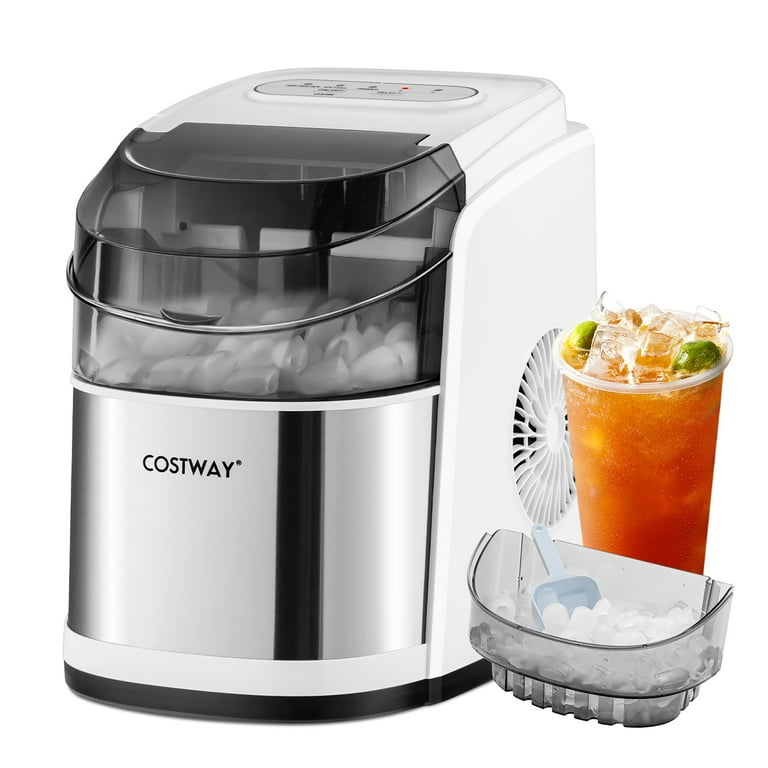
Keeping your self-cleaning ice maker in top shape takes more than just pressing a button. There are simple steps you can take to improve its cleaning power. These tips help your ice maker stay clean and make better ice. Follow easy habits and regular care to get the best results.
Regular Maintenance Practices
Clean the ice bin often. Wipe it with a soft cloth and warm water. Avoid harsh cleaners that can damage the machine. Check the water filter regularly. Replace it every six months or as recommended. This stops dirt from building up inside. Run the self-cleaning cycle as per the manual. Do not skip it, even if the ice looks clean. Clean the exterior with a damp cloth. Keep vents clear of dust and debris. This helps the machine work well and last longer.
Best Usage Habits
Use fresh, cold water for the best ice quality. Avoid using flavored or colored water. Empty the ice bin daily to prevent stale ice. Do not overload the bin with ice. This blocks the cleaning cycle and causes odors. Keep the ice maker in a cool, dry place. Avoid placing it near heat sources. Turn off the machine if not in use for a long time. Follow these habits to keep your ice fresh and your machine clean.
Future Trends In Ice Maker Technology
The future of ice maker technology promises smarter and cleaner machines. Advances focus on making ice makers easier to maintain and better for the environment. New features aim to reduce manual cleaning and improve ice quality.
Ice makers are becoming more user-friendly. They will include automatic cleaning cycles that use safer methods. These improvements will help keep ice fresh and machines running longer without issues.
Innovative Cleaning Features
New ice makers will have built-in sensors to detect dirt and bacteria. These sensors trigger automatic cleaning processes without user input. Machines may use steam or UV light to kill germs effectively.
Self-cleaning systems will become faster and more thorough. This reduces the need for harsh chemicals and frequent manual cleaning. Users will enjoy fresher ice with less effort.
Sustainability Focus
Energy efficiency will be a key trend in future ice makers. New models will use less water and electricity during operation. This helps lower utility bills and reduces environmental impact.
Manufacturers will use eco-friendly materials that last longer. Recyclable parts and reduced waste will be common. These changes support a greener lifestyle without sacrificing convenience.
Frequently Asked Questions
How Does A Self Cleaning Ice Maker Work?
A self cleaning ice maker uses automatic cleaning cycles to remove mineral buildup and bacteria. It flushes water through its system, preventing clogs and maintaining hygiene. This feature reduces manual cleaning, ensuring fresh, clean ice consistently.
Are Self Cleaning Ice Makers More Hygienic?
Yes, self cleaning ice makers are more hygienic as they regularly sanitize internal parts. This reduces bacteria and mold growth, keeping ice safer to consume. Automated cleaning ensures better health standards without extra effort from users.
Can Self Cleaning Ice Makers Save Maintenance Time?
Absolutely, they save significant maintenance time by automating cleaning routines. Users don’t need to disassemble or manually scrub components. This convenience extends the machine’s lifespan and keeps it running efficiently.
Do Self Cleaning Ice Makers Use More Water Or Energy?
Self cleaning cycles use a bit more water and energy but remain efficient. The extra consumption is minimal compared to the benefits of cleaner ice and reduced manual maintenance. Modern designs optimize resource use during cleaning.
Conclusion
Self-cleaning ice makers help reduce manual cleaning tasks. They keep ice fresher and machines more hygienic. Yet, they still need occasional care for best results. Not all models clean equally well. Check reviews before deciding to buy one. A self-cleaning feature adds convenience but does not replace regular maintenance.
Choose what fits your needs and budget. Clean ice means safer drinks and less hassle. Consider your lifestyle before making a choice. It’s a helpful feature, but not a complete solution.

