
Are you wondering if your ice maker can keep up with your outdoor gatherings? Imagine having a steady supply of ice right where you need it—no more running back inside or dealing with melting cubes.
But can ice makers really work outside, or will the elements spoil the fun? If you want to know how to enjoy ice-cold drinks without limits, keep reading. This guide will reveal everything you need to know about using ice makers outdoors, so your parties and adventures never run dry.
Types Of Ice Makers
Ice makers come in different types. Each type fits different needs. Some are small and easy to carry. Others are big and meant for heavy use. Knowing these types helps choose the right one for outdoor use.
Portable Models
Portable ice makers are small and light. You can take them anywhere. They work well for camping or picnics. Most use simple plugs and water tanks. They make ice fast but in small amounts. Ideal for casual outdoor fun.
Built-in Vs. Standalone
Built-in ice makers fit inside cabinets or kitchen areas. They need proper installation and power. Standalone models sit on counters or tables. They are easier to move and use. Standalone machines suit outdoor spots better than built-in ones.
Commercial Options
Commercial ice makers are large and very strong. They produce a lot of ice quickly. These machines are good for events or parties. They need more power and space. Not easy to move but perfect for big outdoor gatherings.
Outdoor Use Considerations
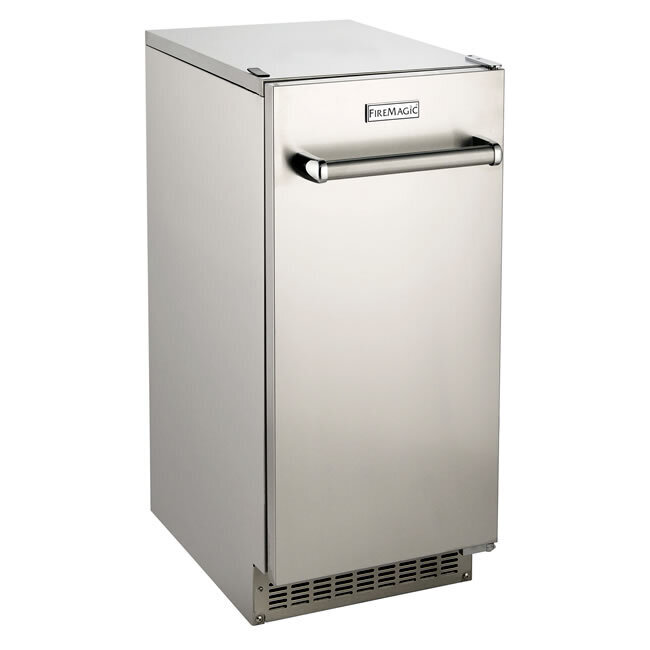
Using ice makers outdoors needs some careful thought. These machines are made for indoor use mostly. Outdoors, they face different challenges. Knowing what to check helps you pick the right model. It also keeps your ice maker working well for a long time.
Weather Resistance
Outdoor ice makers must handle sun, rain, and wind. Most indoor models are not sealed well. Water can damage internal parts. Look for machines with weatherproof covers or cases. A sheltered spot can protect your ice maker too. Avoid placing it directly under heavy rain or snow.
Power Source Needs
Ice makers need electricity to work. Outdoors, power outlets may be far or limited. You might use extension cords, but they must be rated for outdoor use. Some ice makers run on batteries or propane. Choose a power source that fits your outdoor setup. Safety is important to avoid shocks or shorts.
Temperature Range
Ice makers work best in certain temperatures. Very cold or very hot weather can cause problems. Cold weather may freeze water lines or slow ice making. Heat can overwork the machine or melt ice quickly. Check the manufacturer’s temperature guidelines. Place the ice maker where temperatures stay stable.
Setup Tips For Outdoor Use
Using an ice maker outdoors can be very convenient for parties and gatherings. Setting it up correctly helps it work well and last longer. Some key tips help make outdoor use easy and safe.
Safe Placement
Place the ice maker on a flat, stable surface. Keep it away from direct sunlight and rain. Avoid spots near heat sources like grills or fire pits. Ensure good air flow around the machine to prevent overheating. Stay clear of areas with heavy foot traffic to avoid accidents.
Water Supply Options
Choose a reliable water source for your ice maker. Use a garden hose with a filter for clean water. Portable water containers work well if no hose is available. Check water connections to avoid leaks. Regularly refill or connect to a steady water supply for continuous ice production.
Protective Covers
Protect the ice maker with a weather-resistant cover when not in use. Covers guard against dust, dirt, and moisture. Use covers made for outdoor appliances. Remove the cover during operation to allow ventilation. A good cover extends the life of your ice maker outdoors.
Maintenance Outdoors
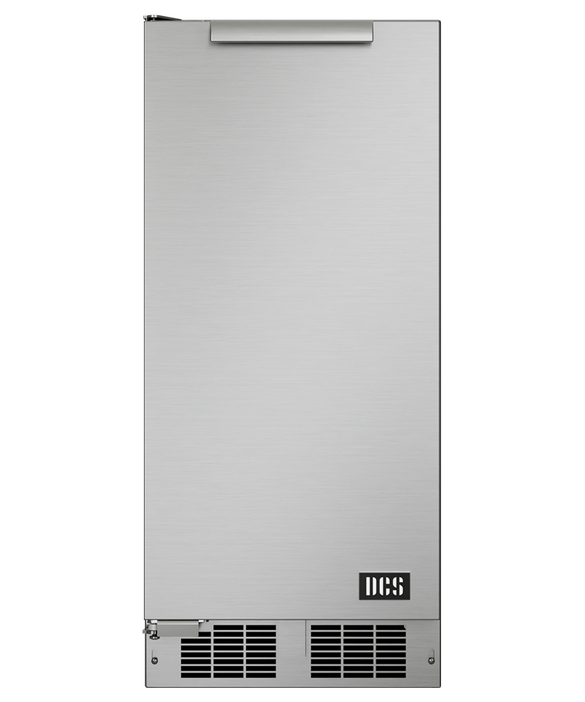
Using an ice maker outdoors needs special care. The outdoor environment can cause problems if not maintained well. Regular upkeep keeps the machine working properly. It also helps make clean, fresh ice every time. Simple steps protect the ice maker from weather and dirt. Follow these tips to keep your outdoor ice maker in top shape.
Cleaning Frequency
Clean your ice maker more often outdoors. Dust, leaves, and bugs can get inside. Wipe the exterior weekly to remove dirt. Clean the ice bin and trays every few days. Use a mild detergent and warm water. Avoid harsh chemicals that can damage parts. Regular cleaning stops mold and bad smells.
Preventing Damage
Keep the ice maker away from direct sunlight. Sun can overheat and damage the machine. Cover it with a waterproof cover when not in use. Avoid placing it near water sprays or rain. Make sure the machine is on a flat, stable surface. Protect cords and plugs from moisture. These steps prevent rust and electrical issues.
Troubleshooting Common Issues
Ice makers outdoors may face specific problems. Watch for slow ice production or no ice at all. Check water supply lines for clogs or leaks. Make sure the machine is level to avoid spills. Listen for unusual noises that signal mechanical problems. Clean filters and check connections regularly. Fix small issues quickly to avoid bigger repairs.
Best Ice Makers For Outdoors
Choosing the best ice maker for outdoor use means focusing on durability, portability, and efficiency. Outdoor ice makers must handle different weather conditions and still produce ice quickly. Some models are compact and easy to carry. Others are built tough for heavy use. It is important to find one that fits your needs and budget.
Top Portable Picks
Portable ice makers are perfect for camping, picnics, and small gatherings. These machines are lightweight and easy to move. Many run on standard power outlets or even car adapters. They produce ice fast, usually within minutes. Small size does not mean less ice. Some portable models can make up to 26 pounds of ice daily. Look for models with simple controls and easy water refill.
Durable Commercial Models
Commercial ice makers suit outdoor events and large groups. These machines are built with strong materials like stainless steel. They resist rust and damage from weather. Commercial models produce large amounts of ice quickly and store it safely. They often include features like self-cleaning and fast ice production cycles. These ice makers need a stable power source and space but last for years. They are a solid choice for frequent outdoor use.
Budget-friendly Choices
Budget-friendly ice makers offer good value without high costs. These units are simple to operate and maintain. They produce less ice than commercial models but enough for small parties. Many budget models are compact and stylish. They fit well on patios or outdoor bars. These ice makers often include basic features and reliable performance. Ideal for casual outdoor use and saving money.
Enhancing Your Outdoor Chill Experience
Using an ice maker outdoors brings cool comfort to your gatherings. It keeps drinks cold and fresh, perfect for sunny days and warm nights. You can enjoy cold beverages without running inside for ice. This convenience makes your outdoor time more relaxing and fun.
Setting up your ice maker near other outdoor essentials makes sense. It helps you serve guests faster and keeps everything organized. Let’s explore ways to enhance your outdoor chill experience with smart setups.
Pairing With Coolers
Coolers keep your drinks cold longer. Pair your ice maker with a sturdy cooler to store extra ice. Fill the cooler with ice from the machine to chill bottles and cans. This method stops ice from melting quickly in hot weather. It also keeps your drinks cold for hours.
Using With Outdoor Bars
Outdoor bars are great spots for serving chilled drinks. Place your ice maker near the bar for easy access. This setup helps bartenders mix drinks faster. Guests enjoy cold cocktails without delay. It adds style and function to your outdoor party.
Ice Storage Solutions
Keeping ice fresh is important outdoors. Use insulated ice buckets or bins to store ice safely. Cover them to avoid dirt and bugs. Check ice levels often and refill as needed. Proper storage keeps ice ready for use anytime.
Frequently Asked Questions
Can Ice Makers Work Effectively Outdoors?
Yes, some ice makers are designed for outdoor use. They have weather-resistant features to handle temperature and moisture variations. Always check the product specifications before using an ice maker outside to ensure it can operate efficiently in outdoor conditions.
What Features Make Ice Makers Suitable For Outdoors?
Outdoor ice makers often include weatherproof casing, corrosion-resistant materials, and sealed electronics. These features protect the machine from rain, dust, and temperature fluctuations. Choosing an ice maker with these attributes ensures durability and consistent ice production outdoors.
How To Protect Ice Makers When Used Outdoors?
Place the ice maker under a covered area to shield it from direct sunlight and rain. Use a waterproof cover when not in use. Regularly clean and maintain the unit to prevent damage from outdoor elements and extend its lifespan.
Are Portable Ice Makers Good For Outdoor Use?
Yes, portable ice makers are ideal for outdoor activities like camping and parties. They are compact, easy to move, and often built to withstand mild outdoor conditions. However, avoid exposing them to extreme weather to maintain performance.
Conclusion
Ice makers can work outdoors if you choose the right type. Portable models with weather-resistant features handle outdoor use well. Protect the machine from extreme heat, cold, and rain. Keep it on a flat, stable surface for best results. Regular cleaning helps maintain ice quality and machine health.
Using ice makers outdoors adds convenience to your gatherings. Just follow simple care tips to enjoy fresh ice anytime.

- OSIPOTO 2LB Bread Maker Troubleshooting - September 14, 2026
- Turbochef Troubleshooting - September 14, 2026
- OSIPOTO Bread Maker Machine Review: Honest Take 2026 - September 13, 2026

