
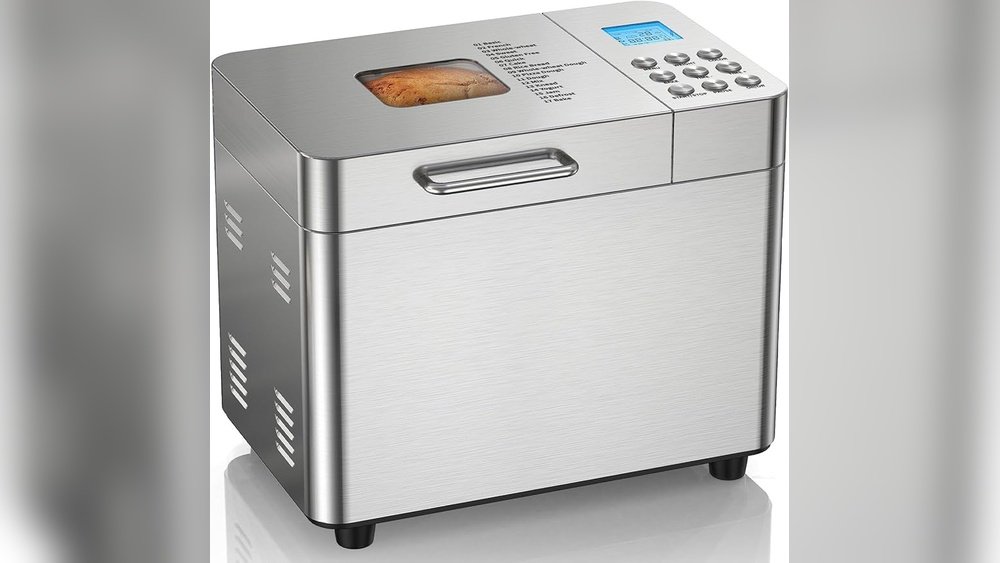
Are you wondering if bread makers are easy to clean? You’re not alone.
Cleaning kitchen gadgets can sometimes feel like a chore, making you hesitate before using them again. But what if your bread maker didn’t add extra hassle to your day? Imagine baking fresh, delicious bread without dreading the cleanup afterward. You’ll discover simple tips and honest answers about cleaning bread makers—so you can enjoy homemade bread without the stress.
Keep reading to find out how easy it really is to keep your bread maker spotless!
Cleaning Challenges
Cleaning a bread maker can sometimes be tricky. The machine has many parts, some small and hard to reach. Dough and crumbs can stick in tight corners. This makes the cleaning process a bit challenging.
Knowing which parts need cleaning and the common problems helps a lot. It makes the task easier and faster. Below, you will find details about the main parts and usual cleaning issues.
Common Bread Maker Parts
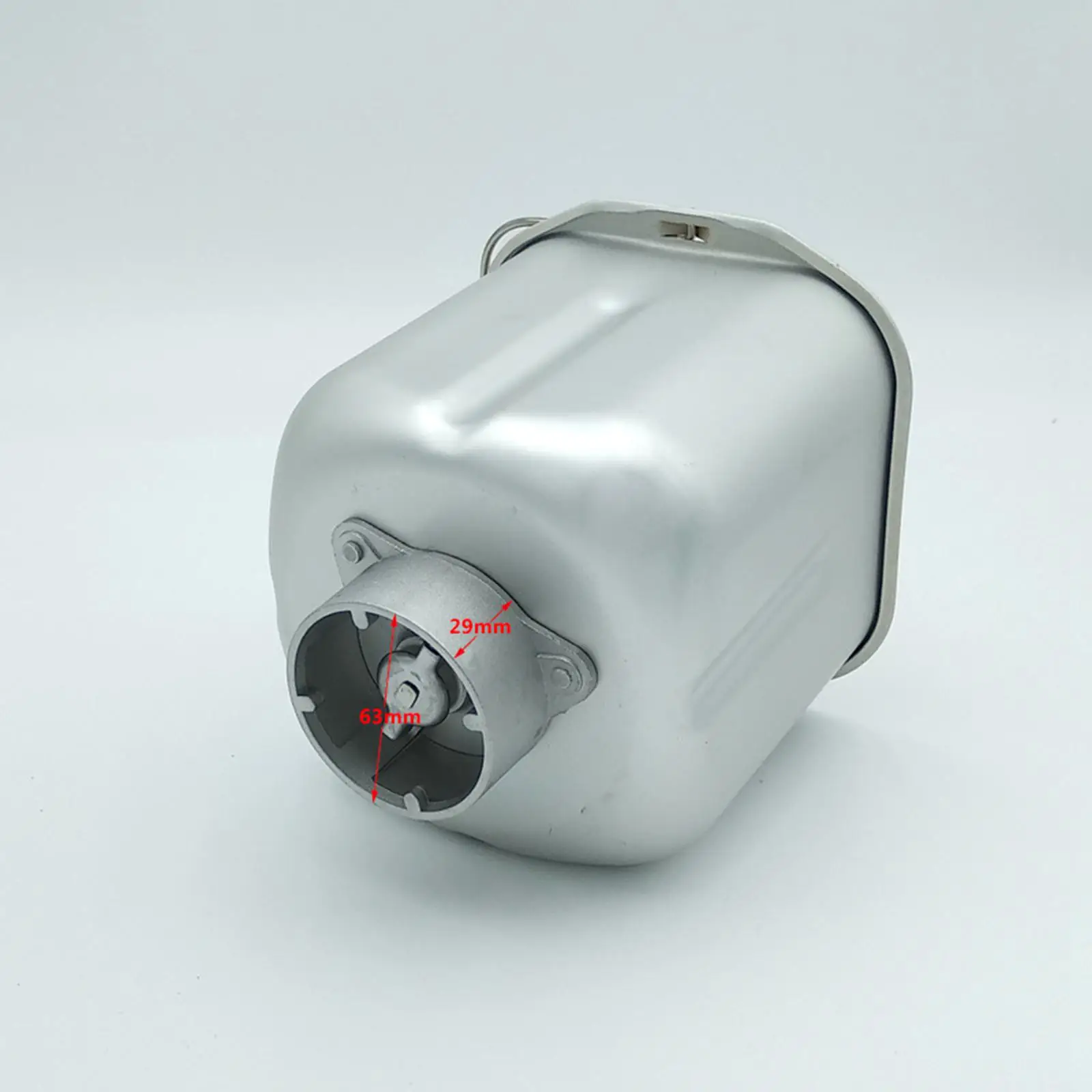
The bread pan holds the dough and bread. It often has a non-stick coating. The kneading paddle mixes the dough inside the pan. The lid covers the machine and sometimes has a viewing window. The heating element bakes the bread. Some machines have removable parts for easy cleaning.
Typical Cleaning Issues
Dough can stick to the bread pan and paddle. This makes washing difficult. Crumbs get stuck in corners and edges. The lid’s window can fog or get greasy. The heating element must stay dry. Some parts are fragile and need gentle cleaning. Hard-to-reach spots require extra care to keep clean.
:max_bytes(150000):strip_icc()/sea-bread-machines-july-24-test-cuisinart-cbk-110p1-nsimpson-55-51e3fc93f90d4b30826f6e50d5f0a412.jpeg)
Quick Cleaning Tips
Cleaning a bread maker does not have to be hard. Quick cleaning keeps your machine fresh and working well. It helps avoid old dough and crumbs building up inside. Simple steps make the process fast and easy. Regular care saves you time later and keeps your bread tasting great.
Daily Maintenance Steps
After each use, unplug the bread maker. Let it cool before cleaning. Wipe the outside with a damp cloth. Avoid using harsh cleaners on the machine’s surface. Check for any crumbs or dough stuck around the lid and buttons. Clean those gently with a soft cloth or brush.
Handling Dough Residue
Remove leftover dough before it hardens. Use a soft brush or cloth to clear residue. Avoid metal tools that might scratch the surface. For stubborn dough, dampen a cloth with warm water. Wipe gently until the dough softens and comes off easily. Dry the area well after cleaning.
Cleaning The Baking Pan
Take out the baking pan carefully. Wash it with warm, soapy water by hand. Use a sponge, not a scrubber, to protect the coating. Rinse thoroughly to remove soap. Dry the pan completely before placing it back. Never put the baking pan in the dishwasher unless the manual allows.
Deep Cleaning Methods
Deep cleaning a bread maker keeps it working well and safe for baking. It removes old dough bits and stops smells. Regular deep cleaning helps your machine last longer. Focus on key parts that need special care.
Removing Stubborn Stains
Use warm water and mild soap to clean stains inside the bread pan. Soak the pan for 10-15 minutes if stains are tough. Avoid harsh scrubbers that can scratch the surface. A soft sponge or cloth works best. Dry the pan completely before using it again.
Cleaning The Kneading Blade
Remove the kneading blade carefully after each use. Clean it with warm, soapy water and a soft brush. Check for dough stuck in small crevices. Do not use metal tools that can damage the blade. Make sure it is dry before putting it back.
Exterior Care
Wipe the outside of the bread maker with a damp cloth. Avoid water entering the machine’s vents or electrical parts. Use a gentle cleaner for greasy spots. Keep the exterior clean to maintain the machine’s look and hygiene.
Tools And Supplies
Keeping a bread maker clean is easier with the right tools and supplies. Choosing proper items helps remove dough, crumbs, and oils quickly. It also protects your bread maker’s surface and parts. Using safe cleaners keeps the machine working well for a long time.
Best Cleaning Tools
Soft sponges or cloths work well to clean bread makers. They do not scratch the non-stick surface inside the pan. Small brushes can reach tight corners and hard-to-clean spots. Using a plastic or wooden scraper helps remove stuck dough gently. Avoid metal tools that may damage the bread pan.
Safe Cleaning Agents
Mild dish soap is the best choice for cleaning bread makers. It cleans grease and crumbs without harming the machine. Avoid harsh chemicals like bleach or abrasive cleaners. Warm water helps loosen food particles easily. Always rinse well to remove soap residue before drying.
Maintenance For Longevity
Maintaining a bread maker helps it last longer and work better. Regular care keeps parts clean and prevents damage. Simple habits protect your machine from wear and tear. This section explains easy steps for proper upkeep.
Regular Inspection
Check your bread maker often for crumbs or residue. Clean the baking pan and kneading blade after each use. Look for any loose or broken parts that need fixing. Wipe the exterior with a soft, damp cloth to remove dust. Keep the vents clear to avoid overheating.
Storage Tips
Store your bread maker in a dry, cool place. Avoid areas with high humidity or heat. Cover the machine with a cloth or lid to keep dust out. Keep the power cord untangled and away from sharp edges. Proper storage prevents rust and electrical issues.

Frequently Asked Questions
Are Bread Makers Easy To Clean After Baking?
Yes, most bread makers have non-stick pans that clean easily. Removable parts can be washed with warm, soapy water. Regular cleaning prevents residue buildup and keeps your machine hygienic.
How Do I Clean The Bread Maker Pan?
Remove the pan and soak it in warm soapy water. Use a soft sponge to avoid scratching the non-stick surface. Dry thoroughly before reassembling to prevent rust.
Can I Wash Bread Maker Parts In A Dishwasher?
Some parts are dishwasher-safe, but check your manual first. Typically, pans and kneading blades require gentle hand washing. Dishwasher heat may damage non-stick coatings or seals.
What Should I Avoid When Cleaning A Bread Maker?
Avoid abrasive cleaners or metal scrubbers that can damage surfaces. Do not immerse the main body in water. Always unplug before cleaning to ensure safety.
Conclusion
Bread makers usually have parts that come apart easily. This design helps with quick cleaning. Most parts can be washed with warm, soapy water. Some machines even have dishwasher-safe pieces. Regular cleaning keeps the bread maker working well. It also stops old crumbs from building up.
A little care after each use saves time later. Cleaning does not take long or need special tools. So, yes, bread makers are easy to clean. This makes baking fresh bread more enjoyable.

