Are you wondering if an electric griddle can help you save on your energy bills? You’re not alone.
Many people ask whether these kitchen gadgets use less power compared to traditional cooking methods. Understanding how energy efficient an electric griddle really is can change the way you cook—and save you money in the long run. Keep reading to discover surprising facts about electric griddles and find out if they are the right energy-smart choice for your kitchen.
Electric Griddles And Energy Use
Electric griddles are popular kitchen tools that make cooking easy and fast. Many people wonder if these appliances use a lot of energy. Understanding how electric griddles use power helps you save energy and lower bills. This section explains their energy use and compares it to other appliances.
How Electric Griddles Consume Power
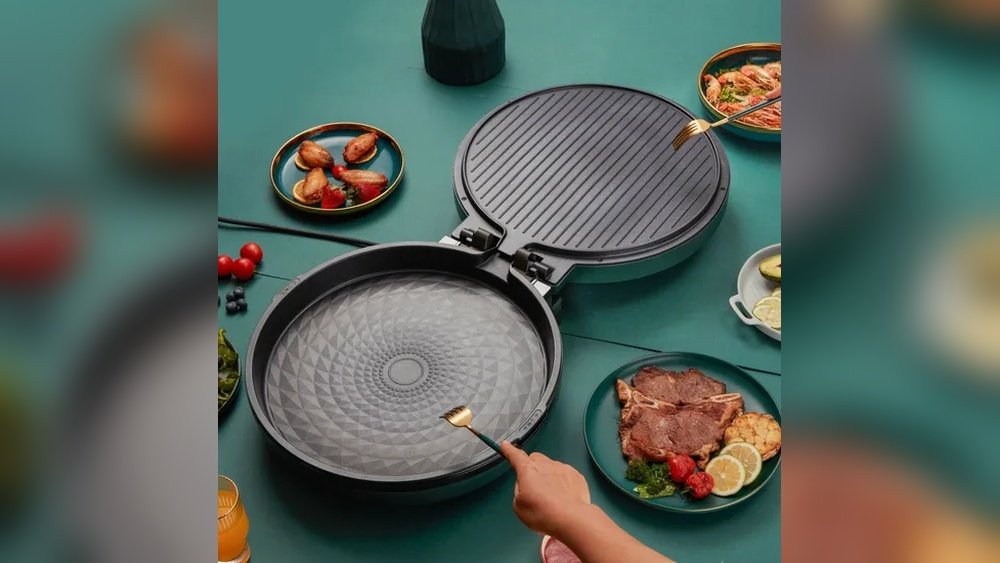
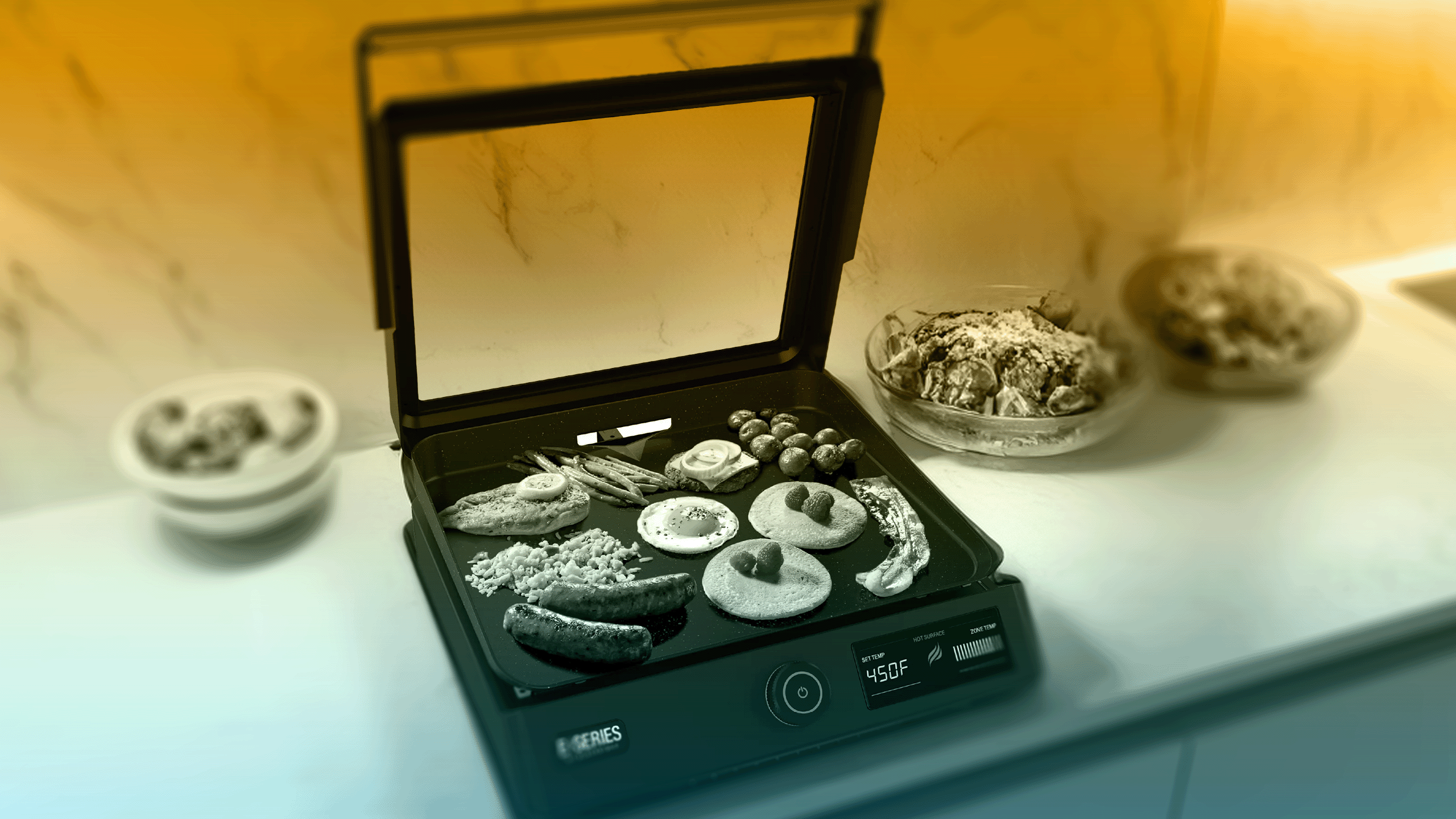
Electric griddles use electricity to heat their cooking surface. They have heating elements under the plate that warm up quickly. The temperature controls keep the heat steady while cooking. Power usage depends on the size and temperature setting of the griddle.
Most electric griddles use between 1000 and 1800 watts. They only draw full power when heating up. Once the surface reaches the set temperature, the griddle cycles power on and off. This cycling reduces energy use during cooking.
Comparing Energy Consumption With Other Appliances
Electric griddles use less energy than ovens and stovetops. Ovens consume 2000 to 5000 watts, much higher than griddles. Stovetops vary but usually use more power over longer cooking times.
Microwaves use similar or less energy but cook differently. Griddles cook food evenly on a flat surface, saving time. Faster cooking means less energy spent overall.
Using an electric griddle for small meals can reduce kitchen energy use. It is a practical choice for quick and efficient cooking.

Factors Affecting Efficiency
Electric griddles can save energy, but their efficiency depends on several factors. Understanding these factors helps choose the right griddle. This section explains key elements that affect energy use.
Size And Heating Element Design
The size of the griddle affects energy consumption. Larger griddles use more power but cook more food at once. Smaller griddles use less energy but may take longer for big meals.
The heating element design also matters. Good designs spread heat evenly and reduce hot spots. This means food cooks faster and uses less electricity.
Temperature Control And Settings
Precise temperature control improves energy efficiency. Griddles with adjustable settings use energy only as needed. They avoid overheating and waste.
Some models have automatic shut-off or standby modes. These features help save power when the griddle is not in use. Proper temperature settings lead to less energy waste.
Cost Savings With Electric Griddles
Electric griddles offer a smart way to save money on your kitchen energy costs. They use electricity efficiently and can cut down on your overall utility expenses. Choosing an electric griddle means less energy waste compared to traditional cooking methods. This helps lower your monthly bills and keeps your cooking costs under control.
Using an electric griddle also means faster cooking times. Faster cooking means less energy used. This combination of energy efficiency and speed adds up to real savings for your household budget.
Lower Utility Bills
Electric griddles use less power than ovens or stovetops. They heat up quickly and maintain a steady temperature. This prevents energy loss and reduces electricity use. Smaller cooking surfaces mean less energy is needed. Your utility bills will reflect these savings over time.
Reduced Cooking Time Benefits
Electric griddles cook food faster than many traditional methods. Faster cooking lowers the amount of electricity used. Shorter cooking times also reduce heat in your kitchen. This can help lower cooling costs during warm months. Overall, less cooking time means less energy spent.

Tips To Maximize Energy Efficiency
Saving energy with an electric griddle is simple. Small changes in how you use and care for your griddle can lower electricity use. This helps save money and protects the environment. Follow these tips to get the most from your electric griddle.
Proper Usage And Maintenance
Turn the griddle on only when ready to cook. Avoid preheating too long. Use the right temperature for your food to avoid wasting power. Clean the griddle after each use. Dirt and grease can block heat and waste energy. Check the power cord and plug for damage. Fix any issues to keep the griddle working well. Store the griddle in a dry place to avoid damage.
Choosing The Right Model
Pick a griddle size that fits your cooking needs. A too-large griddle uses more energy than needed. Look for models with good insulation to keep heat inside. Energy-efficient models often have adjustable temperature controls. Check the product’s energy rating before buying. Choose brands known for quality and energy savings. This ensures lower electricity bills over time.
Environmental Impact Of Using Electric Griddles
Electric griddles affect the environment in several ways. Understanding these effects helps us make better choices. Using electric griddles can lower some types of pollution compared to other cooking methods. The impact depends on how the electricity is made and how the griddle is used.
Reducing energy waste is key to lowering the environmental impact. Electric griddles heat up quickly and use energy only when cooking. This can save energy and reduce emissions compared to gas stoves or ovens that stay on longer.
Reducing Carbon Footprint
Electric griddles can help lower carbon emissions in homes. They use electricity more efficiently than many gas appliances. This means less fuel is burned, which reduces greenhouse gases. Cooking on an electric griddle also cuts down on heat lost to the air.
Using the griddle for quick meals limits energy use. Less cooking time means fewer carbon emissions. Small changes like this add up over time to reduce your home’s total carbon footprint.
Energy Source Considerations
The environmental impact depends heavily on the energy source. Electricity from renewable sources like wind or solar creates less pollution. Coal or gas power plants cause more pollution and higher emissions.
Homes with green energy benefit more from electric griddles. Using clean energy makes cooking almost emission-free. Knowing your energy source helps you understand your true environmental impact.
Frequently Asked Questions
Are Electric Griddles More Energy Efficient Than Stovetops?
Electric griddles use direct heating, which reduces energy loss. They heat quickly and maintain consistent temperatures, making them more efficient than some stovetops. This leads to faster cooking and lower overall energy consumption.
How Does Electric Griddle Energy Use Compare To Ovens?
Electric griddles consume less energy than ovens for small to medium cooking tasks. They heat the cooking surface directly, avoiding the need to heat large interior spaces. This efficiency saves electricity and reduces cooking time.
Can Using An Electric Griddle Lower Electricity Bills?
Yes, electric griddles can lower electricity bills by cooking food faster and more evenly. Their efficient heating reduces cooking time and energy waste, leading to noticeable savings on your monthly energy costs.
Do Electric Griddles Save Energy For Large Meal Preparations?
Electric griddles are energy efficient for large meals because they offer a large cooking surface. This allows cooking multiple items simultaneously, cutting down cooking time and energy use compared to multiple stovetop burners.
Conclusion
Electric griddles use less energy than many kitchen appliances. They heat up quickly and cook food evenly. This saves both time and electricity. Using an electric griddle can lower your energy bills. It also reduces your carbon footprint. Small changes like this help the environment.
Choose a griddle with good energy ratings. Simple steps make cooking more efficient and eco-friendly. Energy savings add up over time. An electric griddle is a smart choice for many homes.

