
Are you wondering if using a food dehydrator will add a big load to your energy bill? You’re not alone.
When you think about drying fruits, vegetables, or meats at home, the question of energy efficiency naturally comes up. What if you could preserve your favorite foods without wasting electricity or harming the environment? You’ll discover how food dehydrators work, how much energy they really use, and smart tips to save power while enjoying delicious, homemade dried snacks.
Keep reading to find out if a food dehydrator is the right energy-wise choice for your kitchen.
How Food Dehydrators Work
Food dehydrators remove moisture from food to preserve it. This process slows down bacteria growth and keeps food edible longer. Dehydrators use heat and air circulation to dry fruits, vegetables, and meats.
Basic Mechanism
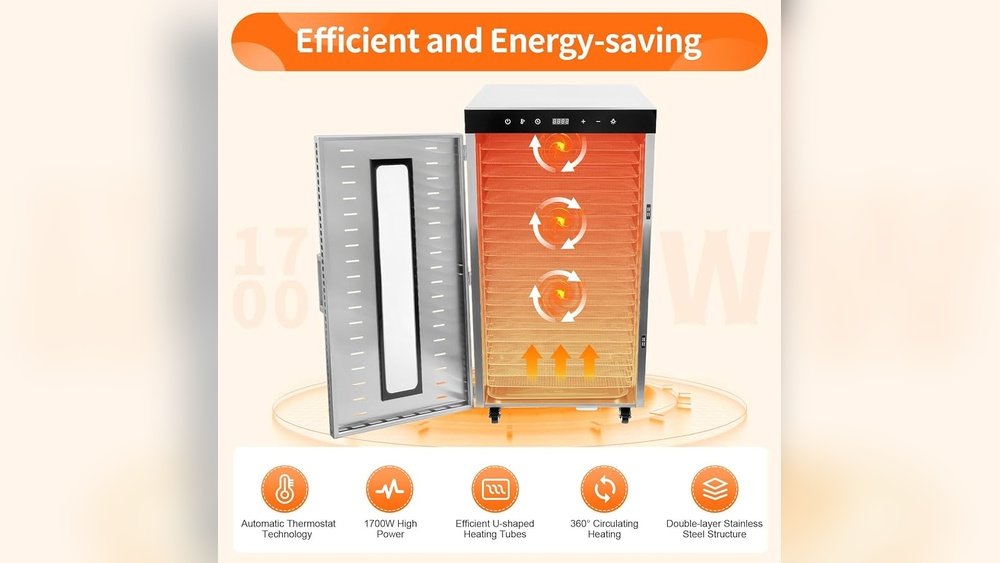
Food dehydrators heat the air inside the machine. Warm air flows over the food trays. This heat causes water in the food to evaporate. A fan moves the moist air away from the food. This allows the drying process to continue evenly.
Removing moisture stops mold and bacteria from growing. It also reduces the food’s weight and size. Dried food lasts longer and keeps most nutrients.
Types Of Dehydrators
There are two main types of food dehydrators. The first type uses a vertical airflow system. Heat rises from the bottom and air moves upward. This can dry food unevenly if trays are crowded.
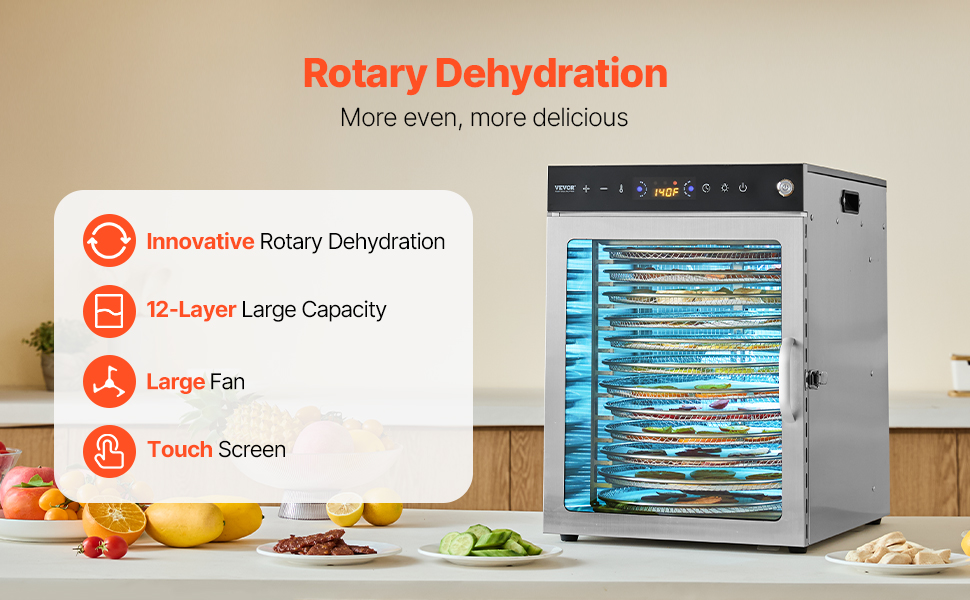
The second type uses horizontal airflow. A fan blows warm air across trays from the back. This type dries food more evenly and faster. It is usually more energy efficient too.
Energy Consumption Factors
Energy consumption in food dehydrators depends on several key factors. These factors affect how much electricity the device uses during operation. Understanding them helps you choose and use your dehydrator wisely. It also helps save energy and reduce electricity bills.
Power Ratings
Power ratings show how much electricity the dehydrator uses per hour. It is measured in watts. Higher wattage means more energy use. Most food dehydrators have power ratings between 300 and 1000 watts. Choosing a model with the right power rating can lower energy use.
Usage Duration
How long you run the dehydrator affects energy consumption. Longer drying times use more electricity. Some foods need more time to dry than others. Planning your drying sessions can reduce unnecessary energy use. Turn off the dehydrator as soon as the food is dry.
Temperature Settings
Temperature settings control the heat inside the dehydrator. Higher temperatures consume more energy. Different foods require different temperatures. Use the lowest temperature needed for effective drying. This practice saves energy and keeps food quality high.
Comparing To Other Appliances
Food dehydrators use less energy than many kitchen appliances. Comparing their energy use to ovens, microwaves, and freeze dryers helps understand their efficiency. This shows which appliance saves more power during food drying or cooking.
Ovens
Ovens use a lot of energy to heat up quickly and keep temperature high. They run for a shorter time but consume more power per minute. Drying food in an oven can cost more in electricity than a dehydrator. Ovens heat the entire space, wasting energy outside the food.
Microwaves
Microwaves cook food fast using radiation. They use less power than ovens for cooking small portions. However, microwaves are not designed for drying food. Using them for dehydration is inefficient and may waste energy. They cannot keep a steady low temperature like dehydrators do.
Freeze Dryers
Freeze dryers remove moisture by freezing food first. They use cold temperatures and a vacuum to dry food slowly. This process needs a lot of electricity and takes many hours. Freeze dryers are much less energy efficient than food dehydrators. They are best for long-term storage, not daily use.
Energy Efficiency Tips
Energy efficiency matters when using a food dehydrator. Saving power helps the environment and reduces your electricity bill. Simple steps can make your dehydrator work better and use less energy.
Follow these tips to get the best results with less power waste.
Optimal Loading
Fill the trays fully but avoid overcrowding. Air needs space to flow around food pieces. Proper loading speeds drying and cuts energy use. Spread food evenly to keep heat consistent. This helps dry food faster and saves electricity.
Time Management
Run the dehydrator only as long as needed. Check food regularly to stop drying at the right time. Longer use wastes power and can over-dry food. Use a timer to avoid leaving it on by mistake. Dry food in one batch instead of many small ones.
Maintenance Practices
Keep your dehydrator clean and dust-free. Dirty fans and vents reduce airflow and increase energy use. Check the heating element for damage or wear. Replace worn parts to keep efficiency high. Store the machine in a dry place to avoid rust and damage.
Environmental Impact
Food dehydrators offer a way to preserve food with less energy than many other methods. Their environmental impact depends on how much energy they use and how they help reduce waste. Understanding these factors shows why dehydrators can be a good choice for eco-friendly living.
Energy Savings
Food dehydrators use low heat over a long time. This method uses less electricity than ovens or microwaves. They keep energy use steady without high spikes. Many models have timers and thermostats to avoid waste. This helps save power and reduces your energy bill. Using a dehydrator means less energy wasted on food storage and preservation.
Reducing Food Waste
Dehydrators extend the life of fruits, vegetables, and meats. They dry food before it spoils, cutting down on waste. Less food thrown away means fewer resources lost. Growing, transporting, and packaging food also use energy. Saving food with a dehydrator helps lower the overall environmental footprint. It encourages eating leftovers and seasonal produce longer.
Cost Effectiveness Over Time
Understanding the cost effectiveness of food dehydrators over time helps you make smart choices. These appliances save money by reducing food waste and preserving bulk purchases. The initial cost might seem high but savings build up with regular use. Energy efficiency also plays a key role in lowering electricity bills.
Initial Investment
Food dehydrators vary in price depending on size and features. Basic models cost less and suit small batches. Larger or advanced units require more money upfront. Quality machines last longer and use energy wisely. Choosing the right model balances cost with your drying needs.
Long-term Savings
Using a dehydrator cuts food spoilage and waste. Drying fruits, vegetables, and herbs extends shelf life. This reduces frequent grocery trips and buying snacks. Dehydrators consume low power compared to ovens or microwaves. Over time, lower energy bills help recover the initial cost.

Frequently Asked Questions
Are Food Dehydrators Cost-effective For Home Use?
Food dehydrators consume low energy compared to ovens. They efficiently remove moisture, preserving food longer. This saves money by reducing food waste and buying bulk produce. Overall, they are a cost-effective option for home food preservation.
How Much Electricity Do Food Dehydrators Use?
Most food dehydrators use between 300 to 1000 watts. Usage depends on size and drying time. Running them for several hours uses less electricity than cooking with an oven. This makes them energy-efficient for drying fruits and vegetables.
Can Food Dehydrators Replace Freezing Or Canning?
Food dehydrators offer an alternative preservation method. They use less energy than freezing and don’t require water like canning. However, dehydrated foods have different textures and shelf lives. They complement, rather than fully replace, freezing or canning methods.
Do Food Dehydrators Save Energy Compared To Ovens?
Yes, food dehydrators use less energy than ovens for drying foods. They maintain lower, consistent temperatures, optimizing energy use. Ovens consume more power due to higher heat and longer drying times. Dehydrators are more energy-efficient for drying tasks.
Conclusion
Food dehydrators use less energy than many kitchen appliances. They dry food slowly, saving electricity over time. This makes them a cost-effective choice for preserving fruits, vegetables, and meats. Small batches require even less power, which suits most households. Using a dehydrator can reduce food waste and extend shelf life.
It’s a smart way to prepare healthy snacks at home. Overall, food dehydrators offer an energy-efficient option for food preservation. Simple, practical, and good for both your wallet and the environment.

