
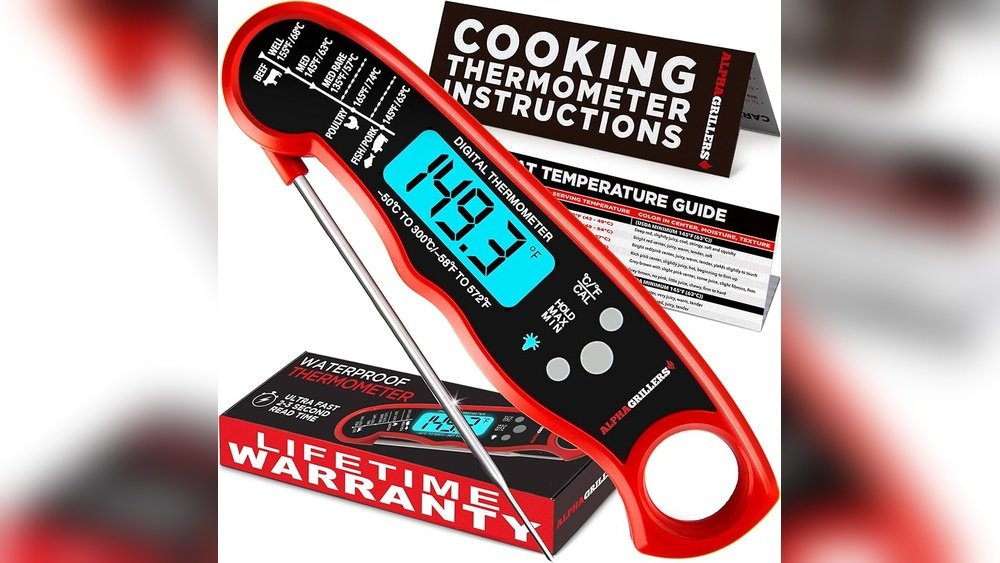
When you’re cooking meat, getting the temperature just right is key to delicious and safe results. You’ve probably seen instant-read meat thermometers promised as quick and reliable tools.
But can you really trust them to give you an accurate reading every time? If you’ve ever doubted your thermometer or worried about undercooked meat, you’re not alone. You’ll discover the truth about how accurate instant-read meat thermometers really are—and what you can do to make sure your next meal turns out perfect.
Keep reading to unlock the secrets to cooking with confidence.

How Instant-read Thermometers Work
Instant-read meat thermometers provide quick temperature readings. They help check if meat is cooked safely and perfectly. Understanding how these thermometers work helps you trust their results.
Types Of Instant-read Thermometers
There are two main types of instant-read thermometers: digital and analog. Digital thermometers show the temperature on a small screen. Analog thermometers use a dial and needle to show the temperature. Digital models are more common now because they give faster, clearer readings.
Technology Behind The Sensors
Instant-read thermometers use sensors to measure heat. Most digital thermometers use a thermistor or thermocouple sensor. These sensors react to heat changes quickly. They convert heat into an electrical signal. The thermometer then shows the temperature based on this signal. This process takes just a few seconds, giving you fast results.
Accuracy Factors To Consider
Instant-read meat thermometers are popular for cooking meat safely and perfectly. But their accuracy depends on several key factors. Knowing these can help you trust your thermometer’s readings more.
Response Time
Response time means how fast the thermometer shows the temperature. A quick response gives a more accurate reading. Slow thermometers can show wrong temperatures because the meat cools or heats more during waiting. Choose a thermometer that reads temperature within seconds.
Calibration Issues
Calibration means adjusting the thermometer to measure correctly. Over time, thermometers can lose accuracy and need recalibration. Some models allow easy calibration at home. Regularly check your thermometer against boiling water or ice water for accuracy.
Probe Placement
Where you put the probe affects the reading. Insert it into the thickest part of the meat, away from bones or fat. Bones heat differently and can give false readings. Proper placement helps get the real internal temperature of the meat.
Comparing Instant-read With Other Thermometers
Choosing the right meat thermometer helps cook meat safely and perfectly. Instant-read thermometers offer quick temperature checks. Comparing these with other types shows their strengths and limits.
Different thermometers work best for different cooking styles. Knowing the differences helps pick the right tool for your kitchen.
Digital Vs. Analog
Digital thermometers give fast, clear readings on a screen. They are easy to read and often more accurate. Analog thermometers use a dial with a needle. They take longer to show temperature changes. Digital models usually cost a bit more but offer better precision. Analog thermometers do not need batteries. This makes them simple and reliable for some users.
Instant-read Vs. Leave-in Thermometers
Instant-read thermometers check meat temperature quickly. You insert the probe, wait seconds, then remove it. Leave-in thermometers stay in meat while cooking. They give continuous readings without opening the oven. Instant-read tools work well for fast checks and grilling. Leave-in thermometers suit slow cooking and roasts. Both types can be accurate if used properly. Instant-read is best for quick temperature checks. Leave-in helps track temperature through the cooking process.
Common Mistakes Affecting Accuracy
Instant-read meat thermometers offer quick results, but accuracy depends on proper use. Many common mistakes can cause wrong readings. Avoiding these errors helps ensure safe and tasty meals.
Not Allowing Proper Reading Time
Rushing to check the temperature leads to false readings. The thermometer needs a few seconds to adjust inside the meat. Moving it too soon gives a number that is too low or too high. Hold the thermometer steady for at least 10 to 15 seconds. This pause lets the sensor reach the meat’s true temperature.
Improper Cleaning And Maintenance
Dirt and residue on the probe affect the accuracy. Old food bits can insulate the sensor from heat. Clean the probe thoroughly after each use with warm soapy water. Dry it well before storing. Regular maintenance keeps the thermometer working well. Check for damage and replace batteries to avoid faulty results.
Tips To Improve Reading Accuracy
Instant-read meat thermometers help check food temperature fast. Accuracy matters to cook meat safely and tasty. Small steps can make your thermometer readings more exact. Follow these tips for better results every time.
Regular Calibration
Check your thermometer often. Calibration keeps it accurate. Use ice water or boiling water for testing. Insert the probe in ice water and see if it reads 32°F (0°C). Adjust if the reading is off. Repeat with boiling water, which should show 212°F (100°C). Calibration prevents wrong readings that spoil food.
Proper Usage Techniques
Insert the probe deep into the thickest part of meat. Avoid touching bone or fat; these heat differently. Hold the thermometer still until the number stops changing. Clean the probe before and after use. This removes dirt that can affect temperature. These habits ensure a true temperature reading every time.
Real-world Performance And User Reviews
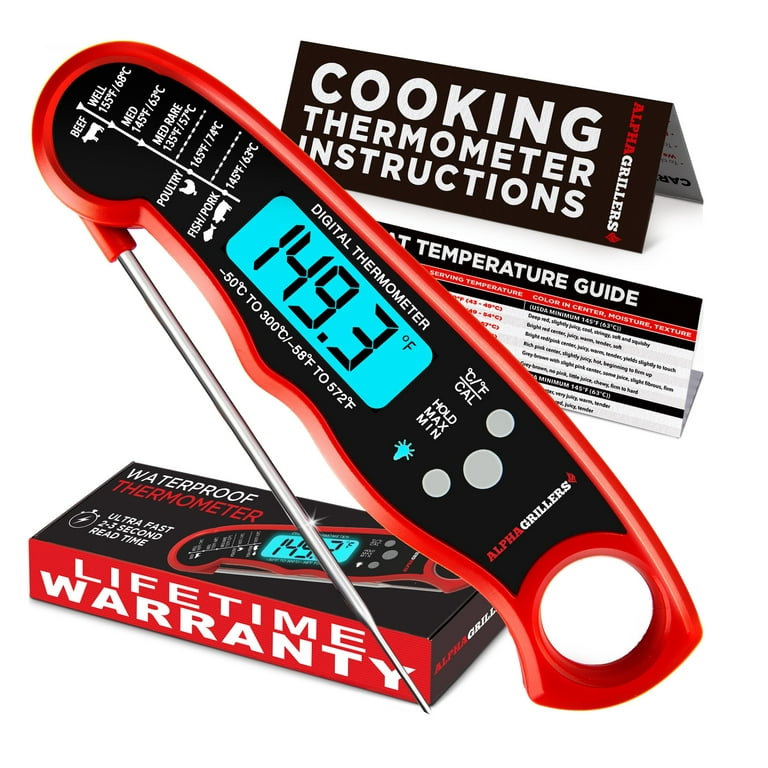
Instant-read meat thermometers promise quick and accurate temperature readings. But how do they perform in everyday kitchens? Real-world use and user feedback provide valuable insight. They reveal how these tools work beyond lab tests. Understanding user experience helps pick the right thermometer. Here is what consumers and experts say about their accuracy and ease of use.
Consumer Feedback
Many users find instant-read thermometers fast and convenient. They appreciate the quick temperature check while cooking. Some report readings within a few seconds. Accuracy often meets expectations for home cooking. A few users mention slight differences between readings and actual meat temperature. This can depend on the thermometer’s quality and how it is used.
Consumers like models with clear digital displays. Easy-to-clean probes also get high marks. Some users warn about cheaper models being less reliable. Proper use, such as inserting the probe correctly, improves results. Overall, customer reviews show these thermometers work well for everyday meals.
Expert Opinions
Experts generally support instant-read thermometers for cooking safety. They highlight the importance of calibration and probe placement. Professionals note that results can vary with probe thickness and meat type. Most experts agree these thermometers provide good accuracy for home cooks.
They advise choosing models with fast response times and sturdy probes. Experts warn against relying solely on visual cues for doneness. Using a thermometer reduces the risk of undercooked meat. Quality matters. Trusted brands often offer better performance and durability.
:max_bytes(150000):strip_icc()/sea-thermoworks-oxo-lavatools-instant-read-thermometers-irvin-lin-primary-04-d748632d92b24b6b8809b75ccb30a666.jpeg)
Frequently Asked Questions
Are Instant-read Meat Thermometers Reliable For Cooking?
Yes, instant-read meat thermometers provide quick and accurate temperature readings. They help ensure food safety and perfect doneness by measuring internal meat temperature precisely.
How Fast Do Instant-read Thermometers Show Results?
Instant-read thermometers typically show results within 3 to 10 seconds. This speed allows for efficient cooking without long waiting times or guesswork.
Can Instant-read Thermometers Measure All Types Of Meat?
Yes, these thermometers work well with beef, poultry, pork, and fish. They provide consistent temperature readings for various meat types and cuts.
Do Instant-read Thermometers Require Calibration?
Some models need occasional calibration to maintain accuracy. Regular calibration ensures precise readings and reliable cooking results over time.
Conclusion
Instant-read meat thermometers give quick and mostly accurate results. They help cook meat safely by showing the right temperature. Small errors can happen, but careful use reduces mistakes. Always check the thermometer’s instructions and keep it clean. Using this tool makes cooking easier and safer for everyone.
Trust your thermometer, but also watch the meat’s look and feel. Cooking with care leads to tasty and safe meals every time.

