
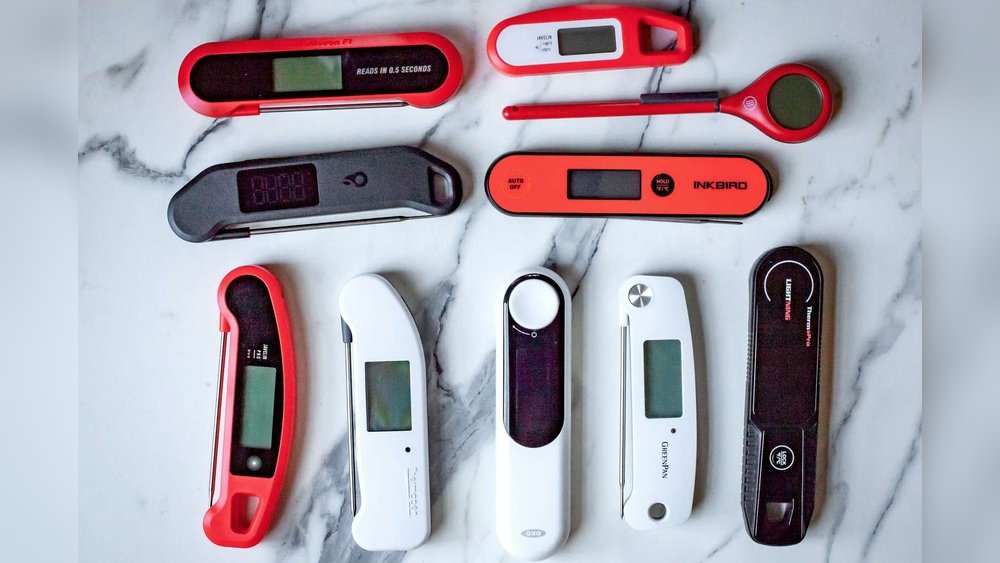
When it comes to cooking, getting the temperature just right can make all the difference. You might be wondering: are instant-read thermometers better than probe thermometers for your kitchen?
Choosing the right tool can save you time, improve your meals, and take the guesswork out of cooking. You’ll discover the key differences between these two types of thermometers and find out which one fits your needs best. Keep reading to make sure your next dish is cooked perfectly every time.
Instant-read Thermometers
Instant-read thermometers provide quick temperature readings for cooking. They help check food doneness without waiting long. These tools are popular in kitchens for their speed and ease of use.
They are small devices that give almost instant results. This makes them useful for cooks who want fast answers. Understanding how they work and their features helps choose the right one.
How They Work
Instant-read thermometers use sensors to detect temperature fast. You place the tip into the food briefly. The device quickly measures heat and shows the number on a screen. Most models use digital sensors for accuracy.
Key Features
These thermometers are compact and easy to hold. They have a clear digital display for quick reading. Many models include backlight for use in low light. The probe tip is thin to avoid big holes in food. Battery life often lasts for many uses.
Best Uses
Instant-read thermometers work best for quick checks. They are ideal for checking steaks, burgers, and chicken pieces. Great for grilling and pan-frying where speed matters. Also useful for baking to test bread or cakes. Not designed for leaving in food during cooking.
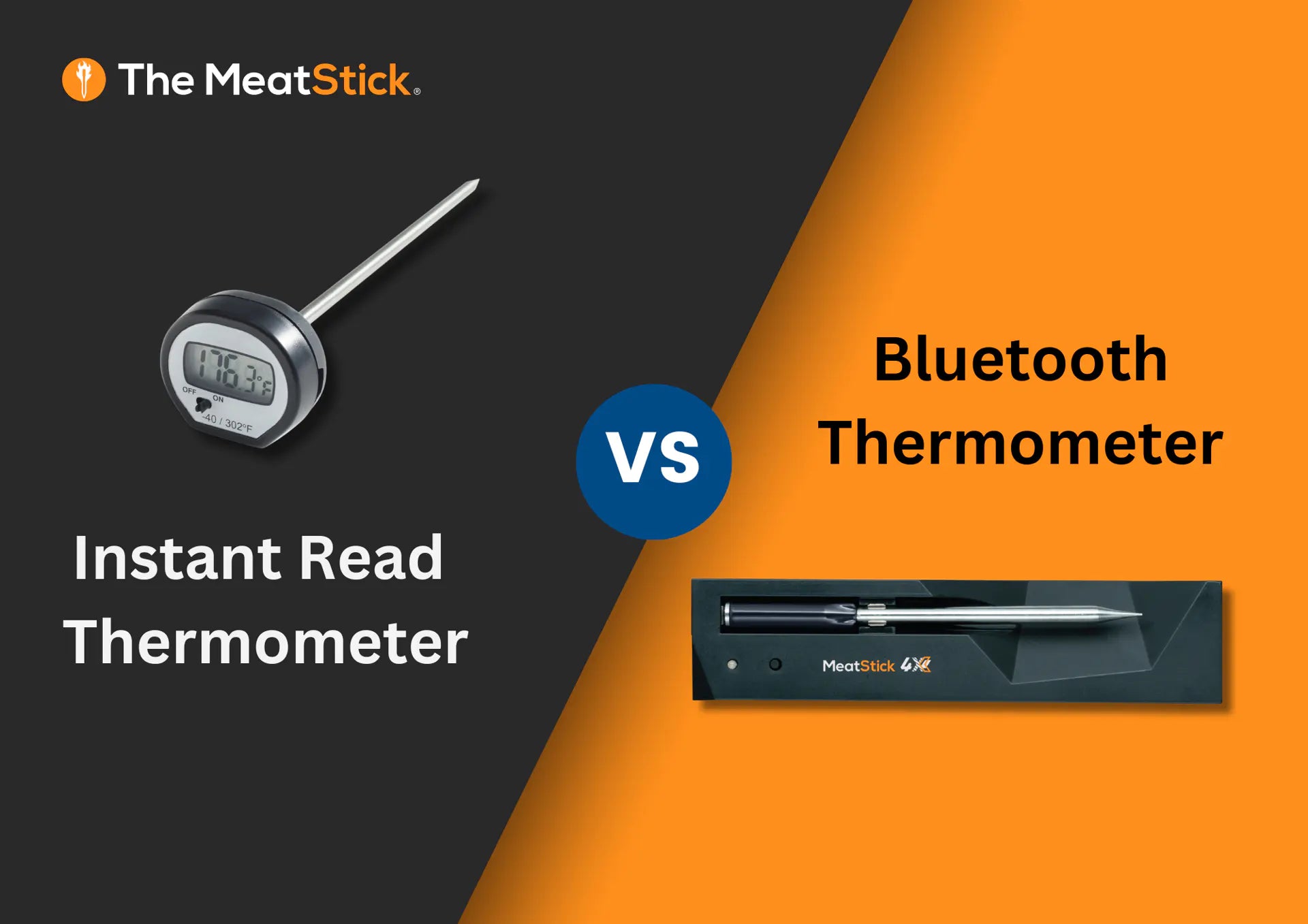
Probe Thermometers
Probe thermometers are a classic tool in cooking and food safety. They help check the temperature inside food during cooking. These thermometers usually have a metal probe that goes into the food. The device then shows the temperature on a dial or digital screen. Many chefs and home cooks trust probe thermometers for their accuracy and reliability.
How They Work
Probe thermometers have a thin metal probe. It senses the heat inside the food. The probe connects to a dial or digital reader. The temperature appears quickly after the probe is inserted. Some models have wires linking the probe to a base. Others use wireless technology for easier use.
Key Features
Probe thermometers offer precise temperature readings. They can measure internal heat deeply. Many models have large, clear displays. Some come with alarms that beep at set temperatures. The probes are usually made of stainless steel. They are easy to clean and safe for food. Some probes are long enough for large roasts or whole chickens.
Best Uses
These thermometers work well for thick cuts of meat. Perfect for roasts, turkeys, and large chickens. They help ensure meat is cooked safely without drying out. Good for slow cooking and smoking meats. Also useful for baking bread or casseroles. Great for cooking where internal temperature is key.
Speed And Accuracy
Speed and accuracy are crucial when choosing a thermometer for cooking. Both instant-read and probe thermometers offer benefits, but they differ in how fast and precise they measure temperature. Understanding these differences helps you pick the right tool for your kitchen needs.
Response Time Comparison
Instant-read thermometers give temperature readings in just a few seconds. They use sensors on the tip to quickly sense heat. This fast response helps check food doneness without waiting long.
Probe thermometers take more time. They need to stay inside the food while cooking. Some models send readings to a display outside the oven. This allows continuous monitoring but with a slower initial reading.
For quick checks, instant-read thermometers are better. For long cooking times, probe thermometers provide steady updates.
Measurement Precision
Instant-read thermometers are accurate enough for most home cooking tasks. They show precise temperatures but only at the moment you check. Accuracy depends on how well you insert the sensor.
Probe thermometers offer steady precision over time. They measure the core temperature consistently during cooking. This helps avoid undercooked or overcooked meals.
Both types provide reliable readings, but probes excel in continuous accuracy. Instant-read tools suit quick spot checks.
Durability And Design
Durability and design play important roles in choosing between instant-read and probe thermometers. These factors affect how well the thermometer lasts and how easy it is to handle during cooking. Understanding these elements helps pick the right tool for your kitchen needs.
Build Quality
Instant-read thermometers often feature a compact and sturdy build. They use durable plastics and metal tips that resist heat well. Probe thermometers usually have a metal probe and a connected unit. The probe is strong but can bend if not stored carefully. Both types aim to handle kitchen wear and tear. Some models offer water resistance, which adds to their lifespan.
Ease Of Use
Instant-read thermometers are simple to use with quick temperature readings. Their design allows one-handed operation and fast checks. Probe thermometers require inserting the probe into food and waiting for a steady reading. The connected display can be bulkier to hold. Instant-read models suit quick checks. Probe thermometers work well for slow cooking and larger cuts of meat. The design of each affects how comfortable and fast the cooking process feels.
Versatility And Functionality
Versatility and functionality are key when choosing between instant-read and probe thermometers. These features determine how useful and practical a thermometer is in the kitchen. Both types offer unique benefits that suit different cooking needs. Understanding their temperature range and extra features helps pick the right tool for any cooking task.
Temperature Range
Instant-read thermometers usually cover a wide temperature range. They can measure from very low to very high heat quickly. This makes them great for checking meat, candy, or even liquids. Probe thermometers often have a narrower range. They focus on the temperatures common for cooking meat and poultry. Some probe models offer high heat resistance, suitable for oven use. Knowing the temperature range helps choose a thermometer that fits all cooking types.
Additional Features
Extra features add to a thermometer’s usefulness. Many instant-read thermometers include backlit displays for easy reading in dim light. Some models offer fast response times, showing results in seconds. Probe thermometers may have alarms that alert when food reaches the right temperature. Some probes come with wireless or Bluetooth options for remote monitoring. These features improve cooking accuracy and convenience.
Cost And Value
Choosing between instant-read thermometers and probe thermometers involves thinking about cost and value. Both types serve different needs, and understanding their price and long-term worth helps you pick the right one.
Price Comparison
Instant-read thermometers usually cost less upfront. They are simple tools designed to give quick temperature readings. Many models are affordable for most budgets.
Probe thermometers tend to cost more. They offer advanced features like alarms and timers. These extras add to the price but can improve cooking accuracy.
Basic instant-read models start around $10 to $20. Probe thermometers often begin at $30 and go higher.
Long-term Investment
Probe thermometers last longer and offer more functionality. Their durable design suits heavy use in kitchens.
Instant-read thermometers can wear out faster. They are less suited for constant use but work well for quick checks.
Spending more on a probe thermometer can save money over time. It reduces the need to buy replacements frequently.
Consider how often you cook and the type of cooking before deciding. Value depends on your personal needs and habits.
Choosing The Right Thermometer
Choosing the right thermometer makes cooking easier and safer. Different thermometers suit different needs. Understanding your cooking style and preferences helps pick the best option. This section breaks down key points to consider.
Cooking Style Considerations
Your cooking style affects the thermometer type you need. Quick meals benefit from instant-read thermometers. They give fast temperature readings in seconds. Slow cooking or smoking needs probe thermometers. These stay in the food for long periods. They monitor temperature without opening the oven or grill. Consider what foods you cook most often. Also, think about how much time you spend cooking.
Personal Preferences
Comfort and ease of use matter a lot. Some prefer handheld instant-read thermometers for their speed. Others like probe thermometers for constant monitoring. Accuracy is important for both types. Some people want a digital display, others a dial. Battery life can also influence your choice. Think about how often you cook and check temperatures. Your budget can guide your decision too.
:max_bytes(150000):strip_icc()/Instant-Read-Thermometer-FW-Social-bbd81090d2cf46c98751d0fee6b28c5a.jpg)

Frequently Asked Questions
What Is The Main Difference Between Instant-read And Probe Thermometers?
Instant-read thermometers provide quick temperature readings in seconds. Probe thermometers stay in the food and monitor temperature continuously during cooking.
Are Instant-read Thermometers Accurate For All Types Of Cooking?
Yes, instant-read thermometers offer accurate readings for most foods. However, they are best used for quick checks, not continuous monitoring.
Can Probe Thermometers Be Used For Grilling And Roasting?
Absolutely. Probe thermometers are ideal for grilling and roasting. They monitor the internal temperature without opening the oven or grill.
Which Thermometer Type Is Easier To Use For Beginners?
Instant-read thermometers are simpler for beginners. They require no setup and give fast results, making them beginner-friendly for home cooks.
Conclusion
Both instant-read and probe thermometers have their strengths. Instant-read tools give quick results, perfect for fast checks. Probe thermometers work well for slow cooking and staying in the meat. Choosing depends on your cooking style and needs. Knowing the difference helps you cook safely and tasty meals.
Use the right thermometer to get the best results every time. Simple tools, better cooking.

