
Are you wondering whether Japanese chef knives are truly better than German chef knives? Choosing the right knife can change the way you cook, making every cut smoother and every slice more precise.
But with so many options, it’s easy to feel overwhelmed. What if you could discover the key differences that matter most to your cooking style? You’ll find clear answers that help you pick the perfect knife for your kitchen—no confusing jargon, just simple facts that make your decision easier.
Keep reading to unlock the secret behind these two legendary knife styles and find out which one suits you best.
Blade Materials
Blade materials play a big role in how a chef knife performs. The type of steel affects sharpness, strength, and how long the blade lasts. Both Japanese and German knives use different steel types. These differences shape their cutting abilities and care needs.
Steel Types In Japanese Knives
Japanese knives often use harder steel. Common types include VG-10, Blue Steel (Aogami), and White Steel (Shirogami). This steel has a higher carbon content. It allows the blade to be sharper and hold its edge longer. But, harder steel can be more brittle. It needs careful handling and regular sharpening.
Steel Types In German Knives
German knives use softer, tougher steel. Popular steels include X50CrMoV15 and other stainless blends. These steels resist rust and chipping well. They are easier to sharpen and maintain. German blades are more flexible and durable. They can handle rough kitchen tasks without breaking.
Impact On Sharpness And Durability
Japanese blades are sharper and can cut thinner slices. Their hard steel keeps the edge longer but chips more easily. German blades are less sharp but stronger. They resist damage and last through heavy use. The steel choice affects how you use and care for the knife.

Blade Design And Shape
Blade design and shape are key factors in choosing between Japanese and German chef knives. These features affect cutting style, control, and the type of tasks each knife handles best. The differences reflect the cooking traditions of each culture.
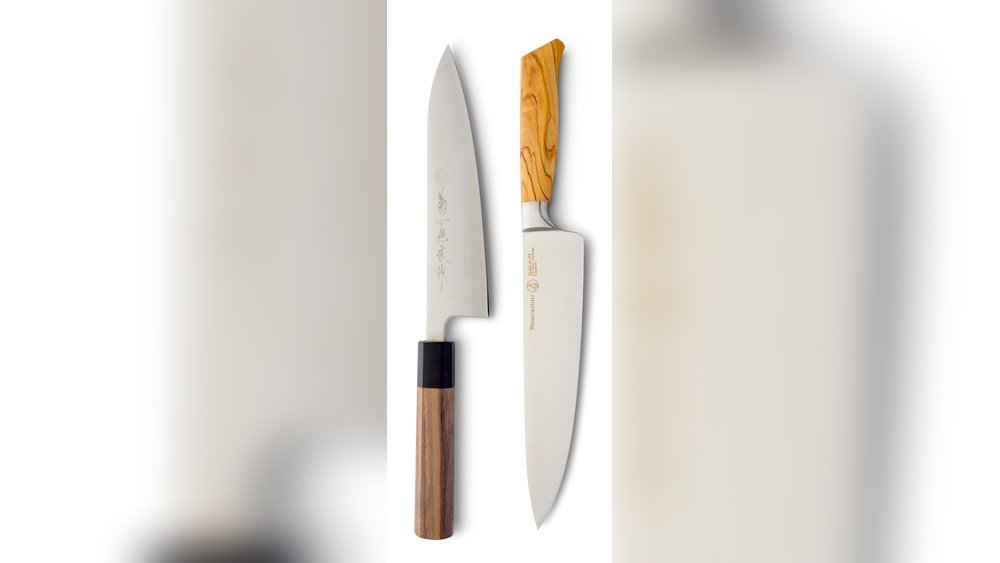
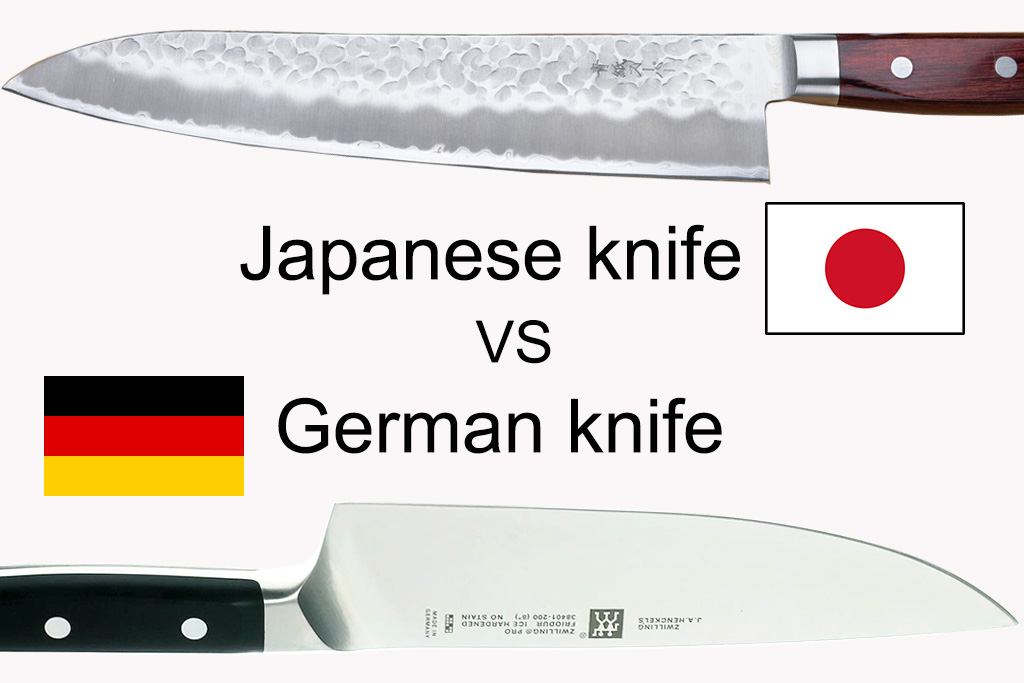
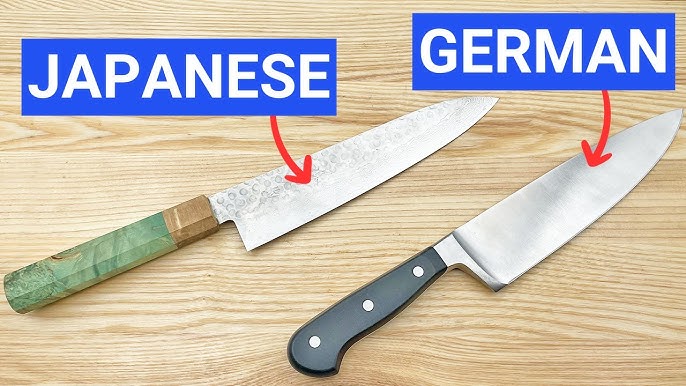
Japanese knives tend to have a thinner, sharper blade for precision work. German knives usually have a thicker, more robust blade built for heavier cutting tasks.
Edge Geometry Differences
Japanese knives often feature a sharper edge angle, around 15 degrees per side. This creates a very fine, precise cutting edge. German knives use a wider edge angle, around 20 degrees per side. This makes the edge more durable and better for tough ingredients.
The sharper Japanese edge excels at delicate slicing and fine cuts. The German edge handles chopping and harder foods without chipping.
Blade Thickness And Weight
Japanese blades are thinner, usually lighter in weight. This allows for faster, more controlled cuts. German blades are thicker and heavier, providing strength and balance for heavy-duty tasks.
The lighter Japanese blade feels nimble in the hand. The heavier German blade offers power and stability.
Handle Ergonomics
Japanese knife handles are often slimmer and made of wood or composite materials. They focus on a comfortable grip with less bulk. German handles tend to be larger, made from plastic or synthetic materials. They offer a firm, ergonomic hold for long use.
Both handle types aim to reduce hand fatigue. The choice depends on user preference and hand size.
Cutting Performance
Cutting performance is a key factor in choosing between Japanese and German chef knives. It affects how easily and accurately you can slice, dice, and chop ingredients. Both types offer distinct advantages that impact daily kitchen work.
Precision And Control
Japanese knives usually have thinner, sharper blades. This allows for very precise cuts and delicate slicing. Chefs often prefer them for tasks needing fine control, like cutting sashimi or vegetables.
German knives have thicker, heavier blades. They offer more stability and balance, making them easier to control for tougher jobs. These knives excel in chopping dense foods like potatoes and meat.
Versatility In Kitchen Tasks
German chef knives are known for their all-around use. They handle many kitchen tasks well, from slicing bread to cutting through bones. Their robust build suits a wide range of foods.
Japanese knives tend to specialize in certain tasks. Some focus on precision slicing, while others are better for filleting fish. They may not be as versatile but perform specific jobs exceptionally well.
Maintenance And Sharpening
Japanese knives require more care to keep their sharp edges. Their thin blades need gentle sharpening with fine stones. Frequent honing helps maintain precision.
German knives are easier to maintain due to thicker blades. They tolerate rougher sharpening and last longer between touch-ups. This suits cooks who want less fuss with upkeep.
Cultural And Culinary Influences
Cultural and culinary backgrounds play a big role in the design of chef knives. Different cooking styles need different tools. Japanese and German knives reflect their unique food traditions. These traditions shape how knives are made and used.
Japanese Culinary Traditions
Japanese cooking focuses on fresh, delicate ingredients. Chefs often prepare fish, vegetables, and rice. Precision and fine cuts are very important. Knives tend to be lighter and sharper. This helps with thin slicing and detailed work.
German Culinary Traditions
German cuisine includes hearty meats and root vegetables. Cooking often involves chopping and heavy-duty tasks. German knives are usually heavier and thicker. They are made to last and handle tough jobs. This strength suits their robust cooking style.
How Culture Shapes Knife Design
Culture guides the knife’s shape, weight, and sharpness. Japanese knives use harder steel and thin edges. This allows for sharper and finer blades. German knives focus on durability and ease of use. Their softer steel resists chipping during heavy use. Each design answers the needs of its kitchen culture.
Price And Value
Price and value are important factors when choosing between Japanese and German chef knives. Both types offer quality, but their costs and benefits differ. Understanding these differences helps pick the right knife for your kitchen and budget.
Cost Comparison
Japanese chef knives often cost more upfront. They use harder steel and require precise crafting. German knives are usually less expensive. They focus on durability and ease of use. Price varies by brand and blade type.
Longevity And Investment
Japanese knives can stay sharp longer but need careful care. German knives may need more frequent sharpening but resist chipping well. A good German knife can last many years. Both types offer value if maintained properly.
Brand Reputation
Japanese brands like Shun and Global are known for sharpness and design. German brands such as Wüsthof and Zwilling are praised for strength and balance. Brand reputation impacts price and trust. Choose a brand with proven quality and support.
Expert Recommendations
Experts offer useful advice on choosing between Japanese and German chef knives. Their tips help match knives to cooking habits and maintenance skills. This ensures you get the best performance and value.
Choosing Based On Cooking Style
Japanese knives suit delicate, precise cutting tasks. They excel at slicing fish and vegetables smoothly. German knives fit tougher jobs like cutting meat and hard vegetables. They handle heavy-duty chopping with ease. Consider the food you prepare most often.
Balancing Sharpness And Durability
Japanese knives are sharper but need careful handling. They hold a fine edge longer but chip more easily. German knives are thicker and tougher. They tolerate rough use but require frequent sharpening. Find a balance that fits your cooking routine and skill level.
Care Tips For Longevity
Always hand wash and dry knives immediately. Avoid the dishwasher to protect the blade and handle. Store knives in a wooden block or magnetic strip. Regularly hone the blade to maintain sharpness. Sharpen professionally or with a proper stone to keep knives effective.
Frequently Asked Questions
What Makes Japanese Chef Knives Unique From German Knives?
Japanese knives are known for their sharpness and lightweight design. They often use harder steel, allowing for a finer edge. German knives are heavier, thicker, and focus on durability and versatility, making them less sharp but more resilient.
Are Japanese Knives Better For Precision Cutting?
Yes, Japanese knives excel in precision cutting due to their sharpness and thin blade. They are ideal for delicate tasks like slicing fish or vegetables with accuracy, while German knives suit heavier chopping tasks better.
How Durable Are German Chef Knives Compared To Japanese Knives?
German knives are generally more durable due to thicker, softer steel. They resist chipping and handle heavy use well. Japanese knives are harder but more prone to chipping, requiring careful maintenance.
Which Knife Type Is Easier To Maintain, Japanese Or German?
German knives are easier to maintain because of their softer steel. They tolerate rough use and infrequent sharpening. Japanese knives need regular sharpening and careful handling to maintain their sharp edge.
Conclusion
Choosing between Japanese and German chef knives depends on your cooking style. Japanese knives offer sharpness and precision for delicate tasks. German knives provide strength and durability for heavy chopping. Both have unique qualities that suit different needs. Think about what matters most in your kitchen.
Comfort, blade type, and maintenance play key roles. Either choice can improve your cooking experience. It’s about what fits you best. Explore both to find your perfect knife. Simple, useful tools make cooking more enjoyable.

