
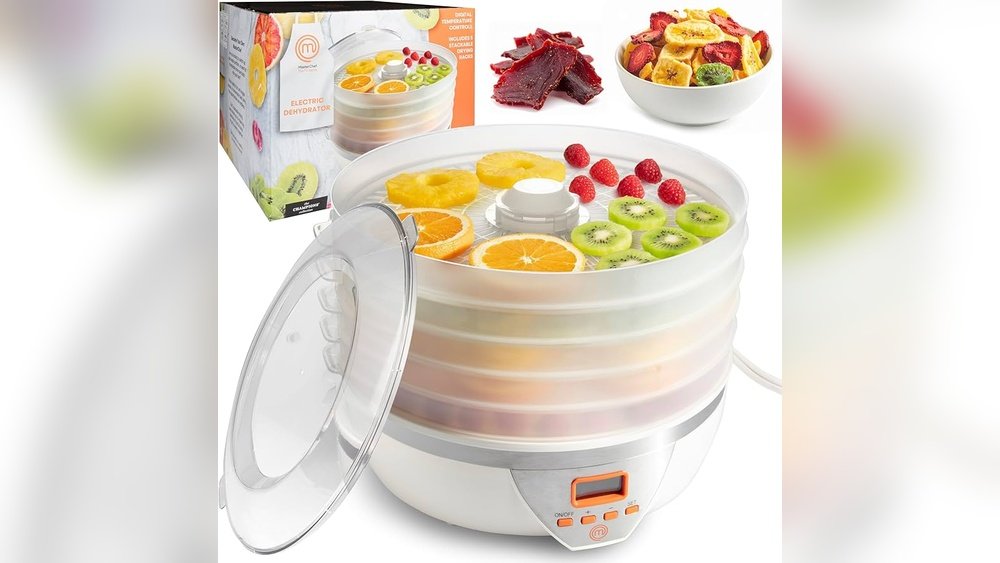
Are you worried about harmful chemicals sneaking into your dried foods? When it comes to food dehydrators, one big question pops up: Are there BPA-free options that keep your snacks safe and healthy?
You want a dehydrator that not only works well but also protects you and your family from toxins. You’ll discover everything you need to know about BPA-free food dehydrators and how to choose the best one for your kitchen. Keep reading to make sure your next batch of dried fruits and veggies is as safe as it is tasty.
Bpa And Its Health Risks
BPA is a chemical found in many plastics and resins. It often lines food containers and packaging. Concerns about BPA arise from how it can leach into food. This can happen especially when containers heat up. The chemical may affect health in several ways. Understanding BPA and its risks helps make safer choices. This is important for those seeking BPA-free food dehydrators.
Sources Of Bpa Exposure
BPA is in many everyday items. It appears in plastic bottles and food cans. It also exists in some water pipes and thermal paper. Heat speeds up BPA release from plastics. Microwaving or dishwashing plastic containers increases BPA exposure. Canned foods often have BPA-based linings. This chemical can enter food and drinks easily.
Potential Health Effects
BPA can interfere with hormone functions. It mimics estrogen, a natural hormone in the body. This disruption may lead to health problems. Studies link BPA to reproductive issues in both men and women. It may also affect brain development in children. Some research suggests BPA increases heart disease risk. Limiting BPA exposure can reduce these health risks.
What Makes A Food Dehydrator Bpa-free?
Understanding what makes a food dehydrator BPA-free is important for safe food storage. BPA, or bisphenol A, is a chemical found in some plastics. It can leach into food and cause health issues. A BPA-free food dehydrator avoids this risk by using safe materials and manufacturing processes.
Materials Used In Bpa-free Models
BPA-free food dehydrators use plastics that do not contain bisphenol A. Common safe plastics include polypropylene (PP) and polyethylene (PE). These materials are sturdy and do not release harmful chemicals. Some models use glass or stainless steel trays instead of plastic. These materials are naturally BPA-free and easy to clean. Choosing the right material helps keep your food healthy.
Certifications And Labels To Look For
Certifications help verify a dehydrator is BPA-free. Look for labels like “BPA-free” printed on the packaging. Some products carry third-party certifications from safety organizations. These include FDA approval or SGS testing. These certifications confirm the product meets safety standards. Checking for these labels ensures you pick a safe dehydrator.
Top Bpa-free Food Dehydrators
Choosing a BPA-free food dehydrator is important for health and safety. BPA, a chemical in some plastics, can be harmful. Many brands now offer BPA-free models. These dehydrators help you dry fruits, vegetables, and meats safely. Here are some top options to consider.
Electric Models
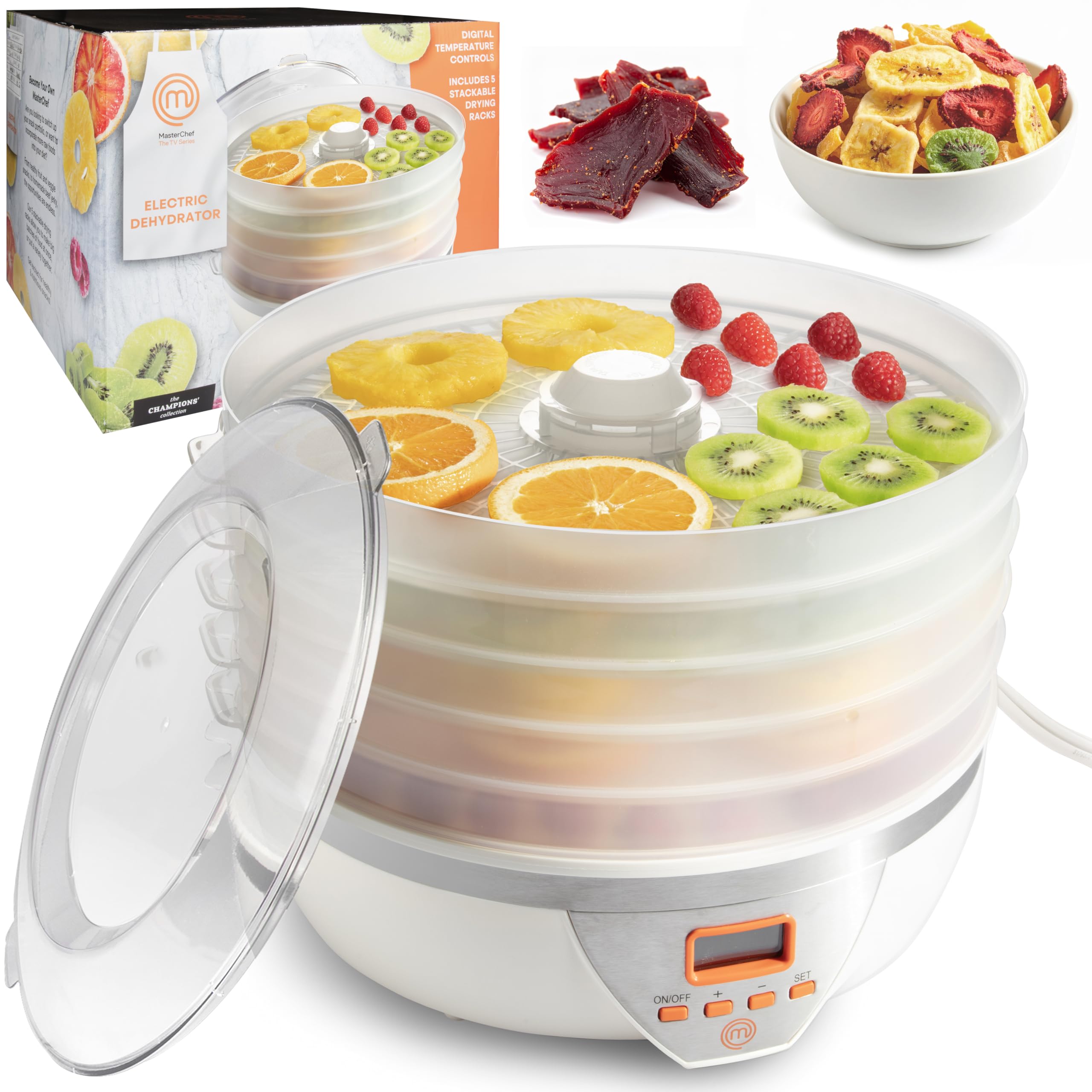
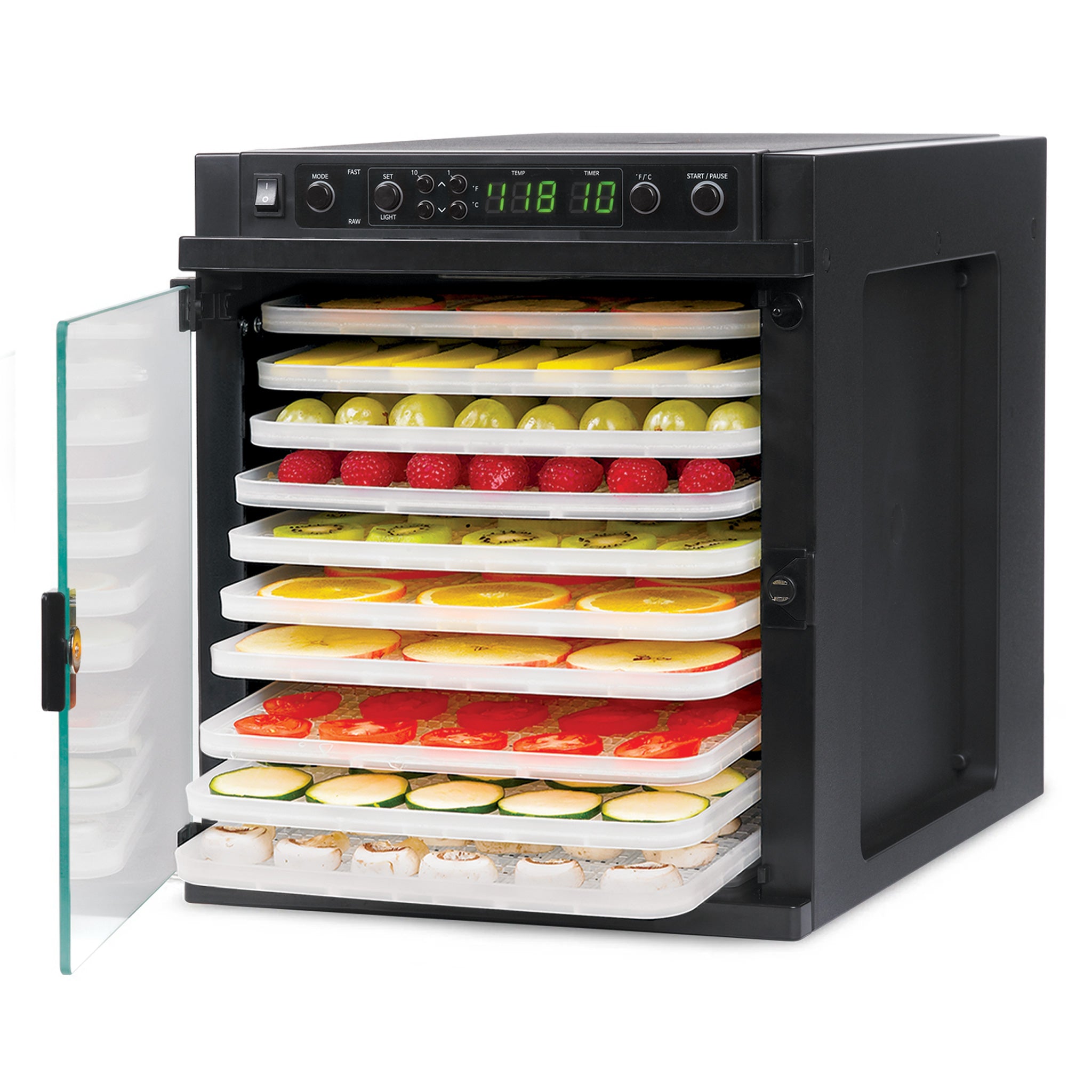
Electric BPA-free dehydrators offer quick drying times. They have multiple trays to dry large batches. Most use safe, non-toxic plastic or stainless steel. These models allow precise temperature control. This feature protects nutrients and flavor. Brands often list BPA-free materials on their labels. Electric dehydrators work well indoors and are easy to use.
Solar And Manual Options
Solar and manual dehydrators use natural heat and air. They are simple and eco-friendly. Many use wood, metal, or glass, avoiding plastic parts. These BPA-free options save electricity and reduce waste. They are perfect for sunny areas and outdoor use. Manual dehydrators require more time but are gentle on food. Solar models are quiet and low maintenance.
How To Identify Safe Food Dehydrators
Choosing a safe food dehydrator is important for your health. Many people worry about BPA, a chemical found in some plastics. BPA can harm your body over time. Finding BPA-free food dehydrators helps keep your food pure and safe.
Knowing how to spot safe food dehydrators is key. You want a model that uses safe materials and does not leach chemicals. This section explains two simple ways to identify safe dehydrators. Follow these tips to protect your food and family.
Reading Product Specifications
Always check the product details before buying. Look for terms like “BPA-free” or “made with food-grade materials.” These labels show the manufacturer avoids harmful plastics. Also, check the type of trays and body material. Stainless steel and glass parts are safer than plastic.
Product manuals often list safety certifications. Certifications from trusted groups add trust. They confirm the product meets health standards. Avoid models that do not mention BPA or material safety.
Customer Reviews And Expert Opinions
Read what buyers say about the dehydrator’s safety. Real users share their experiences with the product over time. Look for comments on plastic smell or food taste changes. These signs may indicate unsafe materials.
Experts also test and review food dehydrators. Their articles and videos help identify safe choices. Trust experts who explain the materials and health risks clearly. Use their advice to find BPA-free options that work well.
Benefits Of Using Bpa-free Dehydrators
Using BPA-free food dehydrators offers many benefits. These appliances avoid harmful chemicals. This makes drying food safer and healthier. Choosing BPA-free means better quality and peace of mind. The positive effects go beyond health. They also help protect the environment.
Health Advantages
BPA is a chemical linked to health risks. It can leak into food during dehydration. BPA-free dehydrators stop this risk. They keep your food pure and safe. This lowers chances of hormone problems. Using BPA-free tools supports long-term health. It is especially important for children and pregnant women.
Environmental Impact
BPA harms the environment during production and disposal. BPA-free dehydrators use safer materials. These materials break down more easily in nature. This reduces pollution and waste in landfills. Choosing BPA-free helps protect wildlife and water. It supports a cleaner, healthier planet for future generations.
Tips For Safe Food Dehydration
Safe food dehydration keeps your snacks healthy and tasty. Following some simple tips helps avoid contamination and spoilage. Proper care ensures your dehydrated food lasts longer and stays fresh. Learn key steps to keep your food dehydrator clean and store your dried foods safely.
Proper Cleaning And Maintenance
Clean the food dehydrator after every use. Remove trays and wash them with warm, soapy water. Wipe the inside of the dehydrator with a damp cloth. Avoid harsh chemicals that can damage surfaces or leave residues. Check the fan and vents for dust or food particles. Keep the dehydrator dry before storing it. Regular maintenance helps prevent mold and bacteria growth.
Best Practices For Food Storage
Store dried food in airtight containers to keep moisture out. Use glass jars or BPA-free plastic bags for storage. Label containers with the drying date to track freshness. Keep containers in a cool, dark place away from heat. Avoid storing food near strong odors to prevent flavor changes. Proper storage helps maintain taste and nutritional value.
Frequently Asked Questions
Are There Truly Bpa-free Food Dehydrators Available?
Yes, many brands offer BPA-free food dehydrators. These models use safe, non-toxic materials to ensure food safety and health.
How To Identify Bpa-free Food Dehydrators?
Look for product labels or descriptions stating “BPA-free. ” Check manufacturer websites and customer reviews for confirmation.
Why Choose Bpa-free Food Dehydrators?
BPA-free dehydrators prevent harmful chemical leaching into food. They promote safer, healthier food preservation, especially for long-term storage.
Do Bpa-free Dehydrators Cost More Than Regular Ones?
BPA-free models may be slightly pricier but offer better health safety. Investing in BPA-free is worth the added cost.
Conclusion
Choosing a BPA-free food dehydrator helps keep your food safe. Many brands now offer models without harmful chemicals. These machines work well and protect your health. Check product details to confirm the BPA-free label. Small changes like this make a big difference.
Enjoy fresh, dried foods without worry. Your family’s safety comes first. Simple steps lead to healthier habits.

