
Have you ever tossed out fruits or veggies because they went bad before you could eat them? It’s frustrating to waste food and money like that.
What if there was a simple way to save those extra ingredients and make them last much longer? A food dehydrator might be the answer you’re looking for. By drying your food, you can keep it fresh and tasty without the need for preservatives or freezing.
Keep reading to discover how a food dehydrator can help you cut down on food waste and save money in the kitchen.

Food Waste Challenges
Food waste is a big problem worldwide. It affects the environment, the economy, and how we use our resources. Many people throw away food that could still be eaten. This causes many challenges that need to be understood. Knowing these problems can help find better ways to save food and reduce waste.
Using a food dehydrator is one way to help. It can dry fruits, vegetables, and other foods to make them last longer. But first, it is important to see why food waste happens and what effects it has.
Causes Of Food Waste
Food waste happens for many reasons. Sometimes people buy too much food and do not use it all. Other times food spoils because it is not stored properly. Restaurants and stores often throw away food that looks old or imperfect. Also, confusion about expiration dates leads to throwing away good food.
Environmental Impact
Throwing away food harms the environment. Wasted food uses water, land, and energy to produce. When food rots in landfills, it releases methane gas. Methane is a strong gas that causes climate change. Reducing food waste can help protect nature and save resources.
Economic Consequences
Food waste costs money for families, businesses, and governments. Buying food that ends up in the trash means losing money. Stores lose profits when they throw away unsold food. Governments spend money managing waste and cleaning landfills. Reducing waste can save money for everyone.
Role Of Food Dehydrators
Food dehydrators play a key role in reducing food waste by preserving extra fruits, vegetables, and meats. They remove moisture from food, making it last longer without spoiling. This simple process helps save food that might otherwise be thrown away.
Using a food dehydrator lets you enjoy seasonal produce all year. It also lowers the chance of food going bad before you eat it. This practical tool supports smarter food use and less waste in kitchens.
How Food Dehydrators Work
Food dehydrators use heat and air circulation to dry food. Warm air passes over the food, pulling out moisture slowly. This drying process stops bacteria and mold from growing. The food shrinks but keeps most of its nutrients and flavor.
Types Of Food Dehydrators
There are several types of food dehydrators. Stackable tray models let you dry different foods at once. Box-style dehydrators use a fan and heating element in one unit. Some use solar power, drying food with sunlight and air. Each type suits different needs and kitchen sizes.
Benefits Of Dehydration
Dehydration extends food shelf life without chemicals. It reduces bulk and weight, making storage easier. Dried foods save money by preventing spoilage. They keep vitamins and minerals better than freezing. Dehydrated snacks are healthy and portable. This method helps cut down food waste effectively.
Reducing Waste With Dehydration
Food dehydration is a simple way to reduce waste at home. It helps keep food fresh longer and stops spoilage. This process removes moisture, which bacteria and mold need to grow. Dehydration turns fresh foods into shelf-stable snacks or ingredients. It saves money and cuts down on trash.
Using a food dehydrator can lower the amount of food thrown away. It allows you to store food for months without losing quality. This method works well for fruits, vegetables, herbs, and even meats. Dehydration helps make the most of your groceries.
Extending Shelf Life
Dehydration stops the growth of bacteria by removing water. Foods last much longer after drying. For example, fresh berries can spoil in days. Dried berries can last for months. This means less food gets wasted from going bad.
By extending shelf life, you avoid throwing away food that spoils fast. You can keep seasonal produce and use it later. Dehydrated foods store well in jars or bags without refrigeration.
Preserving Excess Produce
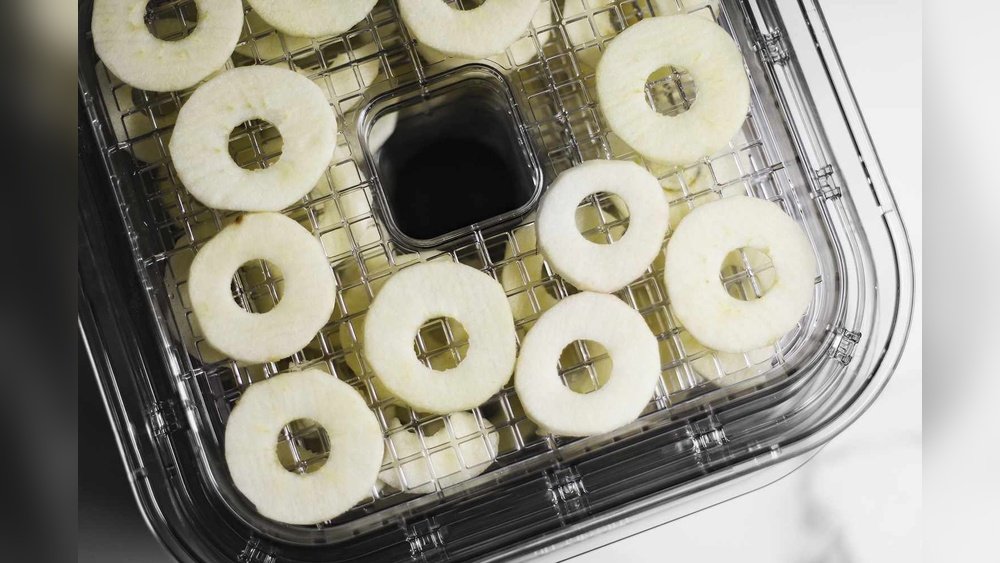
Sometimes you buy or grow more food than you can eat. Excess fruits and vegetables often spoil before use. Dehydrating this surplus saves it from the trash. You can dry tomatoes, apples, carrots, and more.
Preserving extra produce with a dehydrator means less spoilage. It helps use all the food you have. This reduces waste and stretches your food budget.
Creative Uses For Dehydrated Foods
Dried foods offer many tasty options. They can be snacks like fruit chips or veggie crisps. Dehydrated herbs add flavor to meals without going bad quickly.
You can rehydrate dried foods for soups, stews, and baking. Powdered dried fruits work well in smoothies or cereals. These creative uses help you enjoy food longer and waste less.
:max_bytes(150000):strip_icc()/Dehydrator_TESTING_DASH_HeroSquare.jpg-8d54b6aac3544e0883d5e2d6c052477c.jpg)
Smart Solutions And Tips
Using a food dehydrator offers smart solutions to reduce food waste. It helps extend the life of fruits, vegetables, and even meats. With the right approach, you can save money and enjoy healthy snacks. Here are some tips to get the most out of your dehydrator.
Choosing The Right Dehydrator
Pick a dehydrator that fits your kitchen space and needs. Look for models with adjustable temperature controls. This helps dry different foods correctly. Choose one with enough trays to handle the amount you plan to dry. A reliable fan and good airflow are important. These features ensure even drying and save energy.
Best Foods To Dehydrate
Many foods dry well and last longer. Fruits like apples, bananas, and berries are great choices. Vegetables such as tomatoes, peppers, and mushrooms work too. Herbs and leafy greens dry quickly and keep flavor. Meats can become jerky with proper preparation. Avoid foods with high water content that may spoil easily.
Storage And Packaging Ideas
Store dried foods in airtight containers to keep moisture out. Use glass jars or vacuum-sealed bags for best results. Keep containers in a cool, dark place to maintain freshness. Label each container with the drying date. This helps track how long items stay good. Proper storage boosts shelf life and reduces waste.
Sustainability And Cost Savings
Using a food dehydrator can make a big difference in sustainability and cost savings. It helps keep food fresh for longer and cuts down on waste. This means less thrown away food and lower grocery bills. Dehydrating food supports a lifestyle that values using everything and wasting nothing.
Lowering Household Food Waste
A food dehydrator turns fresh food into dried snacks that last months. Fruits, vegetables, and herbs do not spoil quickly after drying. This stops food from going bad in the fridge or pantry. You can save leftovers by drying them instead of tossing them. Small changes like this reduce food waste significantly.
Saving Money Over Time
Buying food in bulk and drying it saves money. Dehydrated food stays edible longer, so you waste less. No need to buy snacks or expensive dried foods from stores. Preparing your own dried food cuts grocery costs. Over time, savings add up and pay for the dehydrator.
Supporting A Zero-waste Lifestyle
A food dehydrator fits well with zero-waste goals. It helps you use surplus food fully without throwing it away. You can dry scraps like fruit peels and veggie ends for cooking. This lowers trash and landfill waste. Using a dehydrator encourages mindful eating and waste reduction habits.
Common Challenges And Solutions
Using a food dehydrator can reduce food waste. It helps preserve fruits, vegetables, and leftovers. Yet, some challenges may slow down the process. Knowing common problems and solutions helps you get better results.
Dehydration Mistakes To Avoid
Not slicing food evenly can cause uneven drying. Thick pieces take longer to dry. Overloading trays blocks air flow. This stops food from drying well. Using too high heat can burn food outside but leave inside wet. Not cleaning the dehydrator often causes bad smells and mold.
Troubleshooting Common Issues
Food staying moist means it needs more time or lower heat. If food gets brittle, lower the heat next time. Uneven drying requires rearranging trays during the process. Check power supply if the dehydrator does not start. Clean trays and fans regularly for better airflow.
Maximizing Efficiency
Cut food into small, uniform pieces for fast drying. Arrange food with space between pieces for air circulation. Use the right temperature settings for each food type. Dry food in batches to avoid overloading. Store dried food in airtight containers to keep it fresh.

Frequently Asked Questions
How Does A Food Dehydrator Reduce Food Waste?
A food dehydrator removes moisture, preserving fruits and vegetables longer. This prevents spoilage and reduces the chance of throwing away excess produce.
What Foods Can I Dehydrate To Avoid Waste?
You can dehydrate fruits, vegetables, herbs, and even meats. Dehydrating these foods extends shelf life, helping you use leftovers and surplus items efficiently.
Is Dehydrating Food Cost-effective For Reducing Waste?
Yes, dehydrating saves money by preserving excess food. It prevents buying replacements frequently and lowers food spoilage, making it an economical waste-reduction method.
Can Dehydrated Foods Retain Nutritional Value?
Dehydrated foods retain most nutrients when dried correctly. Removing water slows decay but keeps vitamins and minerals intact, supporting a healthy diet.
Conclusion
A food dehydrator can help save extra fruits and vegetables. It dries food, making it last much longer. This means less food thrown away. You keep more money and reduce waste. It’s easy to use and fits in most kitchens.
Drying food keeps flavors and nutrients well. Small steps like this help the planet too. Try it out and see the difference yourself. Waste less, save more. Simple and smart.

