
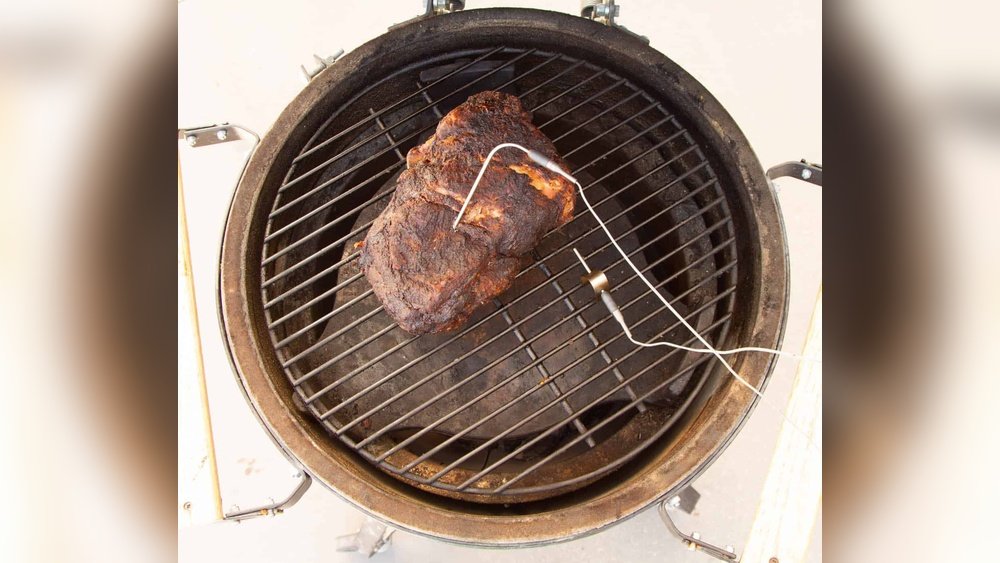
Are you wondering if you can use a meat thermometer in your smoker? Getting the perfect temperature is key to juicy, flavorful meat every time.
But smokers can be tricky, and using the wrong thermometer might lead to inaccurate readings or even ruined food. You’ll discover how to choose the right meat thermometer for your smoker, avoid common mistakes, and ensure your BBQ turns out just right.
Keep reading, and you’ll never have to guess if your meat is done again!
Using A Meat Thermometer In A Smoker
Using a meat thermometer in a smoker helps cook meat safely and perfectly. It shows the internal temperature of the meat. This way, you avoid undercooking or overcooking. Smoking meat takes longer than regular cooking. So, a thermometer gives you control over the process. It tells you when the meat reaches the right doneness. This makes your smoked meat juicy and tender every time.
Choosing the right thermometer and understanding how smoking affects readings is important. Not all thermometers work well in a smoker’s environment. Smoke and heat can change the accuracy of temperature results. Knowing these details helps you pick the best tool. It also helps you use it correctly for delicious smoked meat.
Types Of Meat Thermometers Suitable For Smoking
Probe thermometers are great for smokers. They stay in the meat while smoking. This lets you watch the temperature without opening the smoker. Wireless or Bluetooth thermometers send data to your phone. This keeps you informed from a distance. Instant-read thermometers give quick results. But they need you to open the smoker. Analog dial thermometers are less common now. Digital ones are easier to read and more accurate.
Choose thermometers made for high heat. They should handle long cooking times. Waterproof and smoke-resistant models last longer. Make sure the probe is thin and heatproof. This way, it does not damage the meat or your smoker.
How Smoking Affects Temperature Readings
Smoking creates a smoky and humid environment. This can affect how a thermometer reads temperature. Smoke particles may stick to the probe and cause errors. The heat in a smoker is usually lower and slower. It can cause slower temperature changes inside the meat. This means the thermometer might show a lower reading for some time.
Opening the smoker to check the meat can cool it down. This changes the internal temperature too. Keeping the smoker closed as much as possible helps keep readings steady. Placing the probe in the thickest part of the meat gives the best results. Avoid bones and fat, as they can give wrong numbers.
Choosing The Right Thermometer
Choosing the right thermometer for smoking meat makes a big difference. A good thermometer helps you cook meat safely and perfectly. It gives you clear temperature readings. This ensures your food is juicy and done just right. Not all thermometers work well in smokers. Some cannot handle the heat or give slow readings. Understanding the types and features will help you pick the best one.
Digital Vs. Analog Thermometers
Digital thermometers show the temperature on a screen. They give fast and clear readings. Many have alarms to alert when meat is done. Analog thermometers have a dial and pointer. They do not need batteries. Analog types may be slower and less accurate in high heat. Digital models usually work better for smokers. They provide quick, easy-to-read results.
Probe Length And Heat Resistance
The probe must be long enough to reach the meat’s center. Short probes might not give correct temperatures. Heat resistance is important too. Smoking involves high, steady heat. Some probes melt or break in this heat. Choose a probe that can withstand temperatures above 500°F. Stainless steel probes are strong and heat-resistant. This ensures safety and accuracy during smoking.
Placement Tips For Accurate Readings
Using a meat thermometer in a smoker gives accurate temperature readings. Proper placement of the thermometer probe is key. Wrong placement can give false results and affect cooking.
This section shares simple tips to place the thermometer correctly. Follow these steps to check your meat’s temperature right.
Where To Insert The Thermometer Probe
Insert the probe into the thickest part of the meat. Avoid touching bone, fat, or gristle. These parts heat differently and can mislead the reading. Place it deep enough to reach the center for a true reading.
For larger cuts, try more than one spot for consistent results. Make sure the probe stays steady while cooking.
Avoiding Heat Source Interference
Keep the probe away from direct heat sources like flames or heating elements. Direct heat can cause the thermometer to show a higher temperature than the meat’s true temperature.
Place the probe where smoke circulates freely but heat is gentle. This helps capture the real cooking temperature inside the meat.
:max_bytes(150000):strip_icc()/sea-meat-thermometers-test-thermoworks-bluedot-rkilgore-21-2618893fe72946c3b29e2385df83a6c1.jpeg)
Common Mistakes To Avoid
Using a meat thermometer in a smoker helps cook meat safely and correctly. Many beginners make mistakes that affect the cooking process and the final taste. Avoiding these common errors will improve your smoking experience and meat quality.
Ignoring Smoke Temperature Fluctuations
Smoke temperature changes a lot during cooking. Many people forget to check this regularly. A thermometer reading can be wrong if the temperature swings too much. Keep an eye on the smoker’s heat. Adjust the vents or fuel to keep temperature steady. This helps the thermometer give a true meat temperature.
Leaving The Thermometer In Too Long
Some leave the thermometer in the meat for hours after cooking. This can cause errors in temperature reading. The probe also risks damage from heat or smoke. Take the thermometer out once you reach the right temperature. This protects your tool and keeps your meat perfect.
Maintenance And Calibration
Keeping your meat thermometer in good condition is key for accurate smoking results. Regular maintenance and calibration help the device work properly every time. Dirt and smoke residues can affect its readings. Calibration ensures the temperature is correct, so your meat cooks safely and tastes great.
Cleaning After Smoking Sessions
Clean the thermometer probe after each use. Use warm water and mild soap to remove grease and smoke. Avoid soaking the entire device in water. Wipe the digital display with a dry cloth. Proper cleaning prevents buildup that can cause false readings.
Calibrating For Precision
Check your thermometer’s accuracy regularly. Use ice water to test calibration. Insert the probe into crushed ice and wait for the reading. It should show 32°F (0°C). If not, adjust according to the device instructions. Precise calibration ensures your smoker cooks meat perfectly every time.

Expert Advice For Best Results
Using a meat thermometer in a smoker can improve cooking results. It helps keep track of meat temperature accurately. Expert advice can guide you to get the best results. Simple steps make a big difference in how your meat turns out.
Monitoring Meat Vs. Smoker Temperature
Meat temperature and smoker temperature are two different things. The smoker’s heat affects how fast the meat cooks. The meat thermometer shows the exact temperature inside the meat. Always check the meat temperature to avoid undercooking or overcooking. The smoker temperature controls the cooking environment, but meat temperature tells you when the food is done.
Using Multiple Thermometers
Using more than one thermometer helps track heat better. One thermometer can monitor the smoker’s temperature. Another can check the meat’s internal temperature. This method gives a clearer picture of cooking progress. It reduces guesswork and improves cooking accuracy. Multiple thermometers help you cook meat perfectly every time.
:max_bytes(150000):strip_icc()/sea-rfx-probe-1-grace-kelly-06f2608ec30641d48f63db1b4869a7c6.jpg)
Frequently Asked Questions
Can A Meat Thermometer Withstand Smoker Heat?
Yes, most meat thermometers are designed to handle smoker temperatures. Always check the thermometer’s heat tolerance before use to ensure accuracy and safety.
How To Use A Meat Thermometer In A Smoker?
Insert the thermometer probe into the thickest part of the meat. Avoid touching bone or fat for an accurate temperature reading.
Are Wireless Meat Thermometers Suitable For Smokers?
Yes, wireless thermometers work well in smokers. They allow remote temperature monitoring without opening the smoker, preserving heat and smoke flavor.
What Temperature Should Smoker Meat Reach?
Smoked meat should reach the USDA recommended safe internal temperature, usually 145°F for pork and 165°F for poultry, to ensure safe consumption.
Conclusion
A meat thermometer works well in a smoker to check the temperature. It helps cook meat safely and perfectly. Using one prevents undercooked or overcooked food. Choose a thermometer that can handle the smoker’s heat. Place it in the thickest part of the meat for best results.
This tool makes smoking easier and more precise. Enjoy delicious, well-cooked meals every time you smoke meat. Simple, reliable, and effective.

