
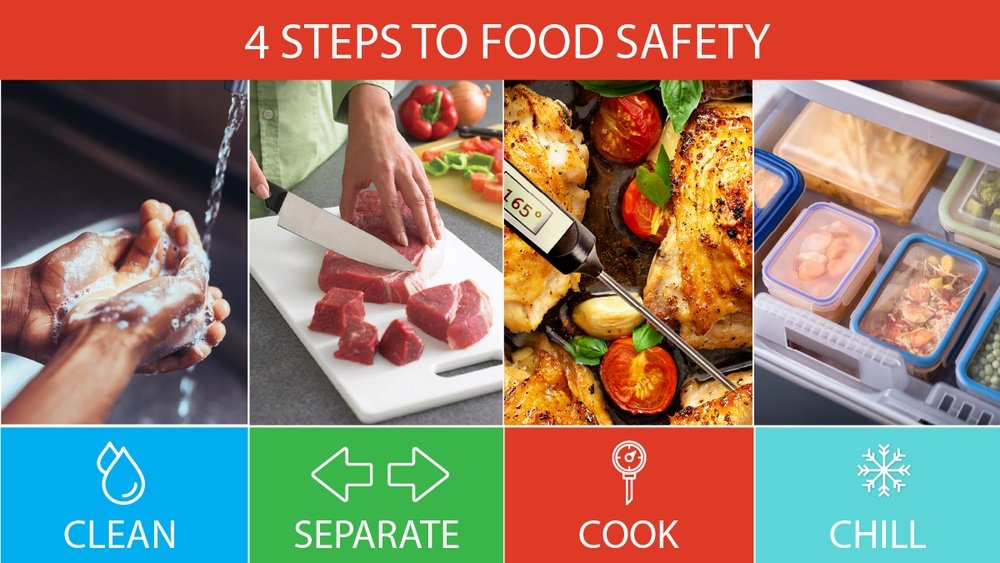
Have you ever wondered if your food is truly safe to eat? Cooking meat to the right temperature isn’t just about taste—it’s about protecting yourself and your loved ones from harmful bacteria.
Using a meat thermometer can be the simple tool that makes a big difference in keeping your meals safe. You’ll discover how this small device can help prevent foodborne illness and give you peace of mind every time you cook.
Keep reading to learn why your kitchen needs a meat thermometer now.
Role Of Meat Thermometers
Meat thermometers play a crucial role in cooking safe and healthy meals. They help check the internal temperature of meat to make sure it is cooked enough to kill harmful bacteria. Using a meat thermometer reduces the risk of foodborne illness by providing accurate temperature readings. This tool is simple but very effective in preventing undercooked meat and food poisoning.
How Thermometers Ensure Safe Cooking
Thermometers measure the internal temperature of meat during cooking. This helps confirm the meat reaches the safe temperature needed to kill germs. Without a thermometer, guessing if meat is fully cooked can lead to health risks. The thermometer gives a clear number to show if the meat is safe to eat. It removes the guesswork and keeps meals safe.
Types Of Meat Thermometers
There are several types of meat thermometers available. Instant-read thermometers give quick temperature results in seconds. Leave-in thermometers stay inside the meat during cooking for constant temperature checks. Digital thermometers show easy-to-read numbers on a screen. Each type fits different cooking styles and preferences. Choosing the right one helps cook meat safely every time.
Accuracy And Calibration Tips
Accurate temperature readings are important for safety. Check the thermometer’s accuracy by testing it in ice water; it should read 32°F (0°C). Calibrate the thermometer regularly to keep it precise. Clean the probe after each use to avoid cross-contamination. Following these tips ensures reliable temperature readings for safe cooking.

Common Foodborne Illnesses
Foodborne illnesses cause many health problems worldwide. Most come from eating undercooked or contaminated meat. Understanding common foodborne illnesses helps keep you safe.
Bacteria Linked To Undercooked Meat
Bacteria like Salmonella, E. coli, and Listeria often grow in raw or undercooked meat. These germs can cause serious infections. Cooking meat to the right temperature kills these bacteria. Using a meat thermometer ensures meat is safely cooked.
Symptoms And Risks
Foodborne illnesses cause stomach pain, nausea, vomiting, and diarrhea. Some infections lead to fever and dehydration. Symptoms can start within hours or days after eating bad meat. Severe cases may need medical help.
Populations At Higher Risk
Young children, elderly adults, and pregnant women face higher risks. People with weak immune systems are also more vulnerable. For these groups, avoiding undercooked meat is very important. A meat thermometer helps protect them from illness.
Safe Cooking Temperatures
Safe cooking temperatures are key to stopping harmful bacteria in meat. Using a meat thermometer helps check if meat is cooked enough to kill germs. This keeps food safe and tasty.
Temperature Guidelines For Different Meats
Different meats need different temperatures to be safe. Poultry must reach 165°F (74°C). Ground meats like beef and pork need 160°F (71°C). Steaks and roasts are safe at 145°F (63°C). Fish should be cooked to 145°F (63°C) as well. Using a thermometer makes it easy to hit the right temperature every time.
Resting Meat For Safety
Resting meat after cooking helps kill bacteria. Let meat sit for a few minutes before cutting. The temperature stays steady and finishes cooking. This step makes meat safer and juicier.
Avoiding Cross-contamination
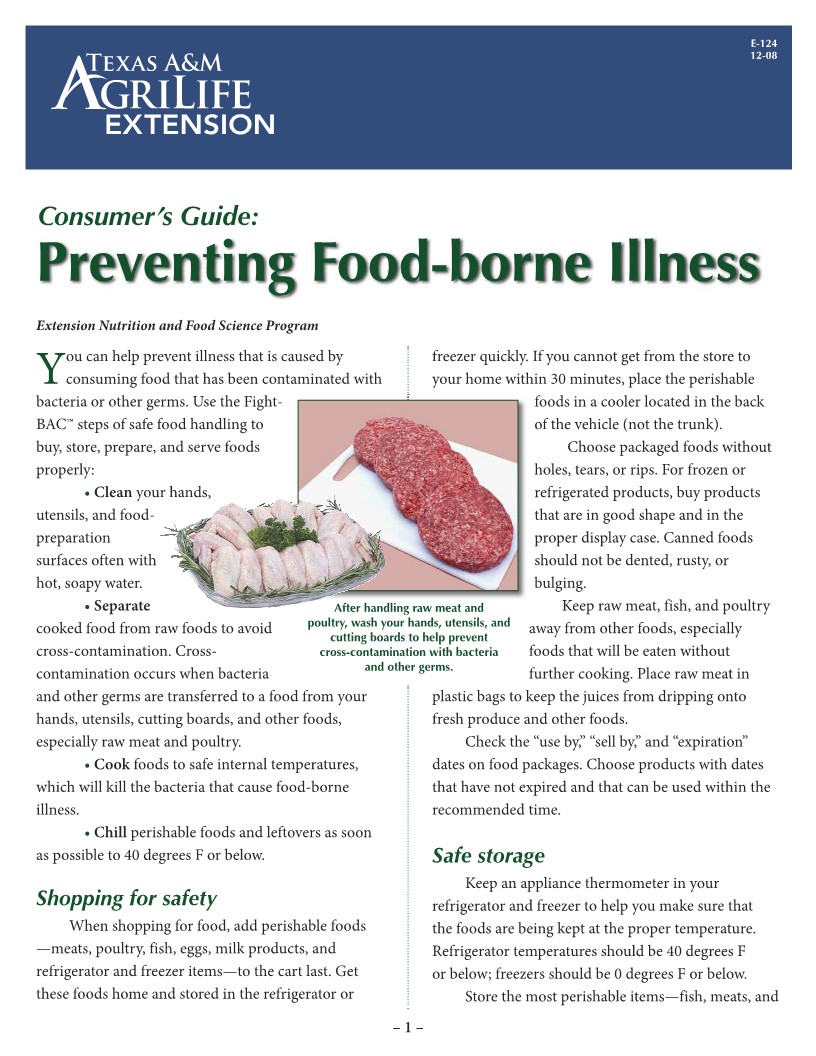
Cross-contamination spreads germs from raw meat to other foods. Use separate cutting boards and utensils for raw meat. Wash hands and surfaces well after handling meat. This stops bacteria from spreading and causing illness.
Using A Meat Thermometer Correctly
Using a meat thermometer correctly is key to keeping food safe. It helps check if meat reaches the right temperature. This stops harmful germs from spreading. Knowing how to use it right makes cooking safer and easier.
Where To Insert The Thermometer
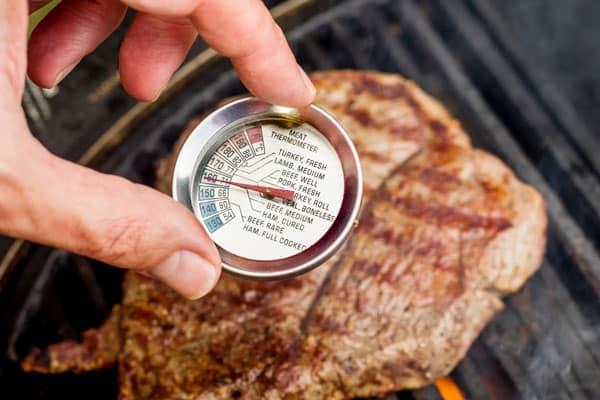
Place the thermometer in the thickest part of the meat. Avoid touching bones, fat, or gristle. These parts can give wrong temperature readings. Insert it deep enough to reach the center. This shows if the meat is cooked inside.
Timing Your Temperature Checks
Check the temperature near the end of cooking. Insert the thermometer and wait a few seconds. The temperature will then show the true heat inside. Avoid opening the oven or grill too often. This keeps the cooking process steady and safe.
Cleaning And Maintenance
Clean the thermometer after every use. Use hot, soapy water or a food-safe sanitizer. This stops bacteria from spreading to other foods. Store the thermometer in a dry, safe place. Check its accuracy often to get correct readings.
Additional Food Safety Tips
Using a meat thermometer is a great way to check if food is cooked safely. Still, other food safety steps are important. These steps help stop germs and keep food safe to eat.
Proper Storage Practices
Store raw meat separately from cooked food. Use sealed containers or plastic wrap. Keep your refrigerator at or below 40°F (4°C). Do not leave food out at room temperature for more than two hours. Proper storage slows down bacteria growth and keeps food fresh.
Hand Washing And Hygiene
Wash your hands with soap and warm water before cooking. Clean hands stop germs from spreading. Wash again after handling raw meat or using the bathroom. Keep nails short and avoid touching your face. Good hygiene protects you and others from illness.
Safe Thawing Methods
Thaw meat in the refrigerator, not on the counter. Cold water thawing works if water is changed every 30 minutes. Use the microwave for quick thawing but cook meat immediately after. Safe thawing prevents harmful bacteria from growing on food.
Frequently Asked Questions
How Does A Meat Thermometer Prevent Foodborne Illness?
A meat thermometer ensures meat reaches a safe internal temperature. This kills harmful bacteria, reducing the risk of foodborne illness. It helps avoid undercooking, which is a common cause of contamination.
What Is The Ideal Temperature For Cooking Meat Safely?
Safe cooking temperatures vary by meat type. For example, poultry should reach 165°F (74°C), while beef steaks need 145°F (63°C). Using a meat thermometer helps achieve these precise temperatures, ensuring food safety.
Can A Meat Thermometer Detect Harmful Bacteria?
No, a meat thermometer does not detect bacteria directly. Instead, it measures temperature to confirm food is cooked enough to kill bacteria. Proper temperature control is key to preventing foodborne illnesses.
Why Is Undercooked Meat Risky For Health?
Undercooked meat may contain harmful bacteria like Salmonella or E. coli. These pathogens cause food poisoning and serious health issues. Using a meat thermometer helps prevent eating unsafe, undercooked meat.
Conclusion
Using a meat thermometer helps cook food safely every time. It stops undercooked meat, which can cause illness. Checking temperature is quick and easy. It gives clear signs when meat is ready. This tool protects your health and your family’s.
Safe cooking starts with simple steps like this. Trust your thermometer to keep meals safe and tasty. Cooking with care means fewer worries about foodborne sickness. A small tool can make a big difference. Keep your kitchen safe and enjoy your food with confidence.

