
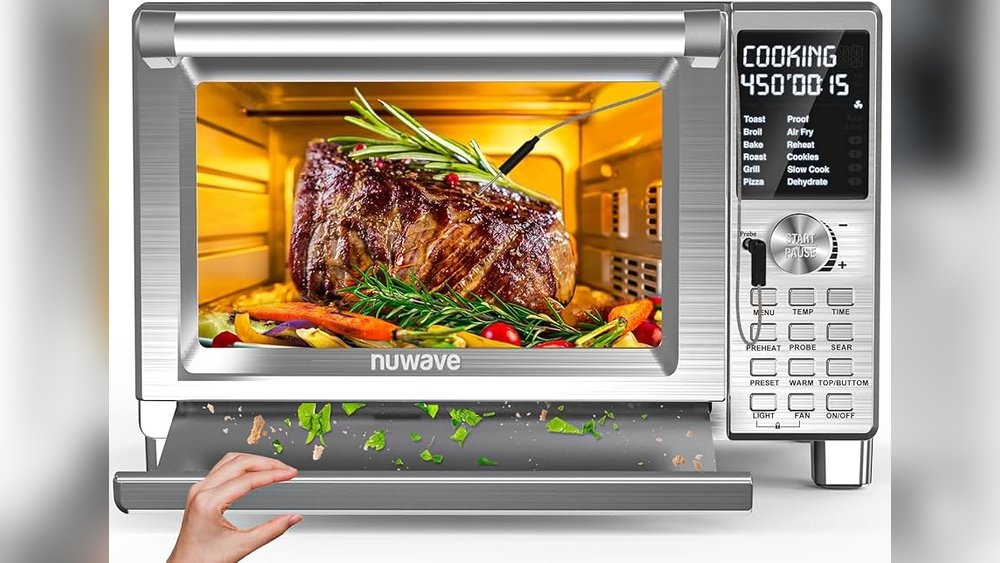
Are you tired of guessing whether your steak is perfectly cooked or worrying about undercooked chicken? Grilling can be tricky, and even small mistakes can ruin a great meal.
But what if there was a simple tool that could take the guesswork out of your grilling? A meat thermometer might be exactly what you need to boost your confidence and get consistent, delicious results every time. Keep reading to discover how this small gadget can transform your grilling game and make your next barbecue a hit.
Why Temperature Matters In Grilling
Grilling is more than just cooking meat over fire. Temperature plays a key role in grilling success. The right temperature makes food taste better and keeps it safe to eat. Without proper temperature control, grilling can lead to dry, tough, or undercooked meat. Using a meat thermometer helps achieve perfect results every time.
Impact On Flavor And Texture
Temperature controls how meat cooks inside and outside. Low temperature cooks meat slowly, keeping it juicy and tender. High temperature sears the outside, adding a smoky, crispy flavor. Overcooking dries out the meat, making it tough and less tasty. A meat thermometer ensures meat reaches the ideal temperature for the best flavor and texture.
Ensuring Food Safety
Meat must reach certain temperatures to kill harmful bacteria. Undercooked meat can cause food poisoning. A meat thermometer checks the internal temperature accurately. This helps avoid guessing and ensures meat is safe to eat. Proper temperature prevents illness and keeps your family healthy.

Types Of Meat Thermometers
Meat thermometers come in different types. Each type helps check the meat’s temperature in a unique way. Choosing the right thermometer can improve grilling results. It ensures the meat cooks perfectly and stays safe to eat.
Instant-read Thermometers
Instant-read thermometers give quick temperature readings. You insert the probe into the meat, and within seconds, the temperature shows on the screen. These thermometers are great for fast checks. They work well for steaks, burgers, and chicken breasts.
Probe Thermometers
Probe thermometers stay inside the meat while cooking. A wire connects the probe to a digital display outside the grill. This lets you watch the temperature without opening the grill. It keeps the heat inside and cooks the meat evenly.
Wireless And Smart Thermometers
Wireless thermometers send temperature info to your phone or tablet. Some come with apps that alert you when the meat is done. These smart devices allow you to relax away from the grill. They offer convenience and precise cooking control.
Using A Meat Thermometer Correctly
Using a meat thermometer correctly can greatly improve grilling results. It helps cook meat safely and prevents overcooking. Understanding where to place the thermometer, knowing the right temperatures, and taking accurate readings are key steps. These steps ensure juicy, tender, and well-cooked meat every time.
Where To Insert The Thermometer
Insert the thermometer into the thickest part of the meat. Avoid touching bones, fat, or the grill. These parts can give false temperature readings. For whole chickens or large roasts, check the inner thigh or thickest muscle. For burgers or steaks, check the center.
Ideal Temperatures For Different Meats
Each type of meat has a safe cooking temperature. For beef steaks, 130°F to 145°F is medium-rare to medium. Pork should reach 145°F with a rest time. Chicken and turkey need 165°F for safety. Ground meats require 160°F. Use these numbers as a guide for perfect grilling.
Tips For Accurate Readings
Let the thermometer sit for a few seconds before reading. Move it around to check different spots. Clean the probe after each use to avoid contamination. Avoid opening the grill too often, as it lowers the temperature. Use a digital thermometer for faster, clear readings.
Benefits Of Using A Meat Thermometer
Using a meat thermometer offers several clear benefits for grilling. It helps achieve perfect cooking results every time. The tool removes guesswork and lets you cook meat safely and evenly.
Grilling becomes easier and more enjoyable with accurate temperature checks. This simple device improves taste, texture, and food safety.
Consistent Cooking Results
A meat thermometer ensures your food cooks the same way each time. You avoid guessing if the meat is done or not. This consistency leads to better flavors and juicier meat.
It helps maintain the ideal temperature range, so steaks, chicken, or burgers stay tender. Overcooked or dry meat becomes a rare problem.
Reducing Overcooking And Undercooking
The thermometer prevents overcooking, which dries out meat and wastes food. It also stops undercooking, which can be unsafe to eat. You can check the internal temperature quickly and easily.
This tool guides you to the perfect finish by showing when meat reaches the right temperature. No more cutting open your steak to check inside.
Boosting Confidence On The Grill
Grilling feels less stressful with a reliable temperature reading. You trust your cooking without second-guessing. This confidence encourages trying new recipes and cuts of meat.
Even beginners can grill like pros by using this simple tool. It takes the fear out of cooking meat outdoors.
Common Mistakes To Avoid
Using a meat thermometer can help grill food perfectly. Yet, many people make mistakes that spoil their results. Avoiding common errors helps you cook safe and tasty meals every time.
Ignoring Carryover Cooking
Carryover cooking means food keeps cooking after you remove it from the grill. Meat temperature can rise several degrees during rest time. Ignoring this can cause overcooked or dry meat. Check the temperature a few degrees below your target. Let the meat rest before cutting or serving.
Not Calibrating Your Thermometer
A thermometer must give accurate readings. Over time, it can lose accuracy. Test it in ice water or boiling water to check calibration. Adjust or replace if readings are wrong. Using an uncalibrated thermometer leads to undercooked or burnt food.
Relying Solely On Time Or Appearance
Time and look don’t always show doneness. Meat color can be misleading. Cooking time varies by thickness and grill heat. A thermometer shows the real internal temperature. Trust the thermometer over guesswork for safe and juicy meat.
Real-life Grilling Improvements
Real-life grilling improvements show how a meat thermometer helps cooks. It gives exact temperatures, so food cooks just right. No more guessing or cutting open meat early. This tool improves taste and safety for every grill session.
Many home cooks report better results after using a thermometer. They feel more confident and enjoy meals more. Even simple burgers and chicken turn out juicy and tender.
Success Stories From Home Cooks
Sarah used to overcook her steaks. After trying a meat thermometer, her steaks stayed juicy and tender. She says it helped her avoid dried-out meat and guesswork.
John grilled chicken breasts without a thermometer before. Now, his chicken is perfectly cooked and safe to eat every time. His family notices the difference and asks for more BBQ nights.
Emily found that a thermometer saved her from undercooked pork. It gave her the confidence to serve dinner on time. She enjoys grilling more and wastes less food.
Professional Grilling Tips
Chefs use meat thermometers to check doneness fast and accurately. They trust the tool to keep food safe and flavorful. Many recommend it for home grillers too.
Experts suggest inserting the thermometer in the thickest part of the meat. Avoid touching bone or fat for the right reading. Wait a few seconds to get a steady number.
Professionals advise setting the right temperature for each type of meat. For example, 145°F for beef steak, 165°F for chicken. This practice ensures the best texture and taste.
Choosing The Right Thermometer For You
Choosing the right meat thermometer can make a big difference in grilling. It helps you cook meat safely and perfectly every time. Many types of thermometers are available, so picking one that fits your needs is key. Consider your budget, the features you want, and how easy it is to maintain. This guide will help you choose wisely.
Budget Considerations
Thermometers come in many price ranges. Basic models cost less and work well for simple grilling. Digital thermometers with more features usually cost more. Decide how much you want to spend before buying. A mid-range thermometer often balances price and quality. Avoid very cheap models that might be inaccurate.
Features To Look For
Accuracy is the most important feature. Look for a thermometer that gives fast, correct readings. Some have instant-read displays, which save time. Wireless or Bluetooth models send temperatures to your phone. These help monitor meat without opening the grill. Also, check if the thermometer has a backlight for night use.
Maintenance And Durability
Choose a thermometer that is easy to clean. Water resistance or waterproof designs last longer outdoors. Stainless steel probes resist rust and damage. Consider how the battery works and how long it lasts. A sturdy case or cover protects the thermometer during storage. Durable tools save money over time.

Frequently Asked Questions
What Is The Main Benefit Of Using A Meat Thermometer?
A meat thermometer ensures meat is cooked to the perfect temperature. It prevents overcooking or undercooking, improving taste and safety. This leads to juicier, more flavorful grilled dishes every time.
How Does A Meat Thermometer Improve Grilling Accuracy?
A meat thermometer provides real-time temperature readings inside the meat. This accuracy helps grillers avoid guesswork and achieve consistent results. It ensures food reaches safe temperatures without drying out.
Can A Meat Thermometer Prevent Foodborne Illnesses?
Yes, it helps detect when meat reaches safe internal temperatures. This kills harmful bacteria and reduces the risk of foodborne illnesses. Using a thermometer promotes healthier, safer grilling.
Which Types Of Meat Benefit Most From A Thermometer?
Steaks, poultry, pork, and large roasts benefit greatly. These meats require precise cooking for safety and taste. A thermometer helps achieve the ideal doneness for each type.
Conclusion
A meat thermometer helps you cook meat safely and well. It stops guesswork and avoids undercooked or dry food. You get juicy, tasty results every time you grill. Using it saves time and reduces food waste. It is a simple tool that makes grilling easier.
Try it on your next barbecue and see the difference. Cooking becomes more fun and less stressful with a thermometer. A small tool with a big impact on your grilling success.

