
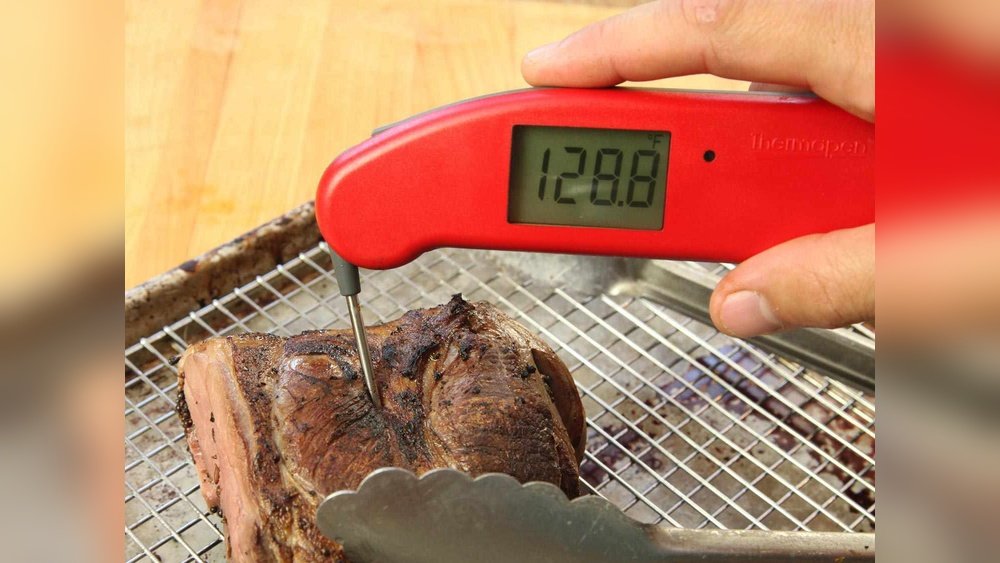
When you’re cooking meat, getting the temperature just right can make all the difference between juicy perfection and a dry, overcooked mess. You might be wondering, can a meat thermometer really measure deep inside the meat where it matters most?
If you’ve ever second-guessed whether your thermometer is giving you the true temperature, you’re not alone. Understanding how to use your meat thermometer effectively can save your meal and impress everyone at the table. Keep reading to discover how deep your thermometer can go and how to get the most accurate reading every time.
How Meat Thermometers Work
Meat thermometers help check the temperature inside meat. They ensure food cooks safely and tastes great. Understanding how they work can help you use them better. The key is measuring the heat deep inside the meat. This tells you if the meat is cooked enough or still raw inside.
Types Of Meat Thermometers
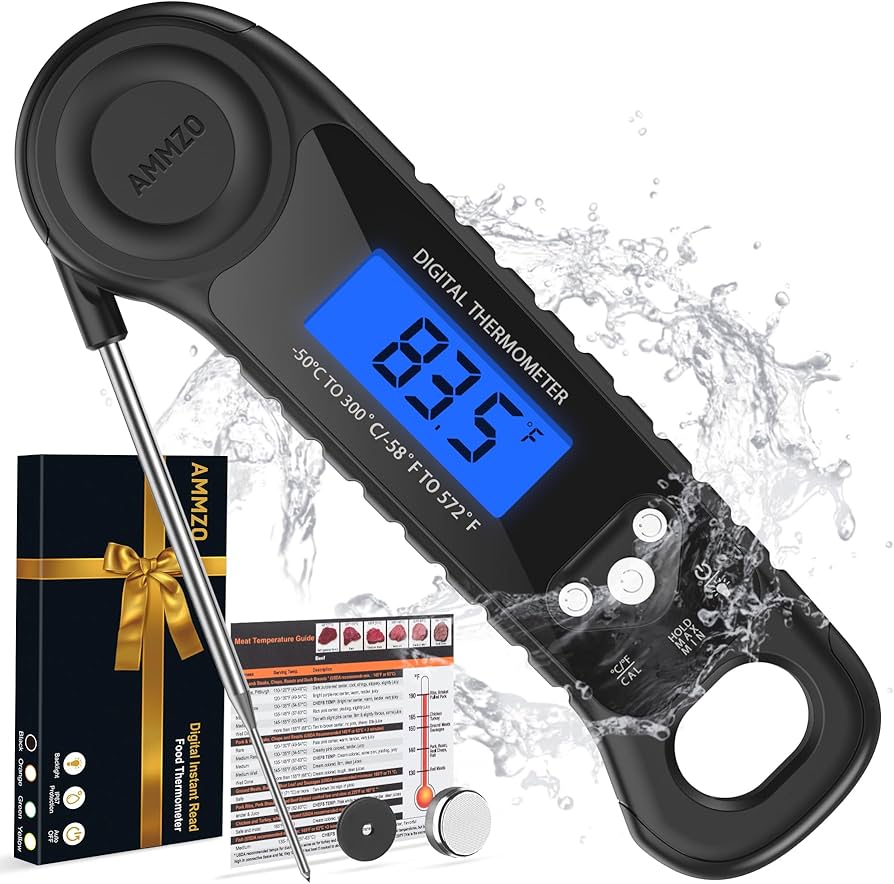
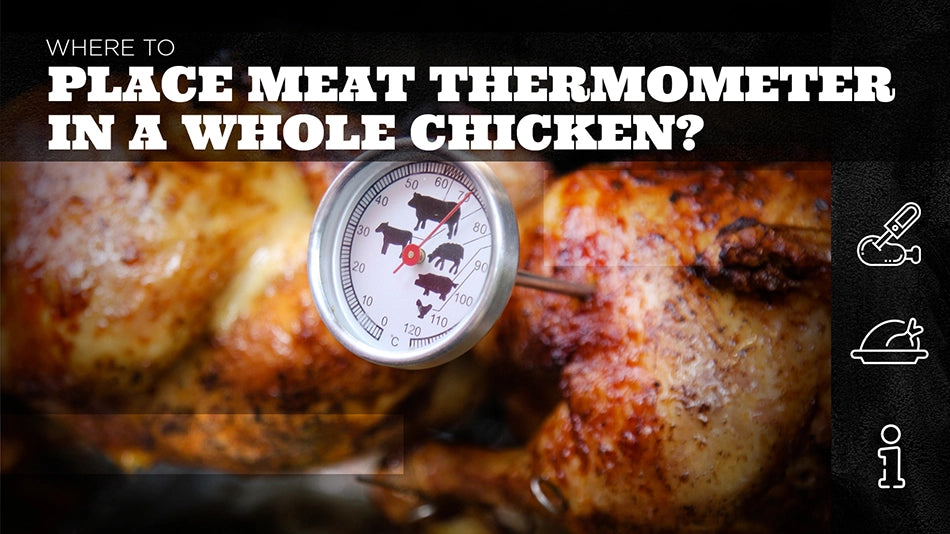
There are several types of meat thermometers. The most common are digital and dial thermometers. Digital thermometers give fast and easy-to-read results. Dial thermometers use a needle to show the temperature. Some thermometers have probes that stay in the meat while cooking. Others are instant-read, used only to check temperature quickly. Each type works slightly different but aims for the same goal.
Measuring Temperature Basics
Meat thermometers measure the internal temperature of the meat. The probe needs to go into the thickest part of the meat. It must avoid bones and fat because they can give wrong readings. The thermometer senses heat from the meat’s core. This helps find out if the meat is safe to eat. The deeper you insert the probe, the better the reading. The thermometer shows the temperature on a screen or dial. This simple process ensures your meat is cooked just right.
Challenges In Measuring Deep Inside Meat
Measuring temperature deep inside meat is not always easy. Several factors make it hard to get an accurate reading. Understanding these challenges helps in using a meat thermometer better.
Knowing why temperature readings vary can improve cooking results and food safety.
Thickness And Density Factors
Thicker cuts of meat take longer to heat through. A thermometer must reach the center to measure true doneness.
Dense meat slows heat movement inside. This can cause uneven cooking and false temperature readings.
Thin or less dense parts heat faster, confusing the thermometer’s results if not placed correctly.
Heat Distribution In Meat
Heat does not spread evenly inside meat. Some areas cook faster than others.
Bone and fat also change how heat moves. They can create hot or cold spots inside the meat.
Placing the thermometer near these areas might give wrong temperature readings.
Choosing The Right Thermometer
Choosing the right meat thermometer matters for accurate temperature readings. Different thermometers suit different cooking needs and meat sizes. Pick a thermometer that fits the type of meat and cooking style you use.
Consider the length of the probe and how the thermometer works. These factors affect how deep you can measure inside the meat. The design also impacts ease of use and safety during cooking.
Probe Length And Design
The probe must be long enough to reach the meat’s center. Thin cuts need shorter probes, while thick roasts need longer ones. A good probe is sharp for easy insertion and safe for handling hot meat.
Look for probes made of stainless steel to resist heat and rust. A thin probe gives quicker readings but may bend easily. A thicker probe lasts longer but needs more space inside the meat.
Instant-read Vs. Leave-in Thermometers
Instant-read thermometers show temperature quickly. Insert, wait a few seconds, then remove. They are great for quick checks but not for constant monitoring.
Leave-in thermometers stay in the meat while cooking. They measure temperature continuously. Ideal for slow cooking or roasting large cuts. These usually have a heat-resistant cable connected to a display outside the oven.
Choose instant-read for fast checks and leave-in for long cooking times. Both types help ensure meat is safe and juicy.
Proper Thermometer Use For Accurate Readings
Using a meat thermometer correctly ensures you get the right temperature. This helps cook meat safely and keeps it juicy. Small mistakes can give wrong readings. Follow simple steps for accurate results every time.
Correct Insertion Depth
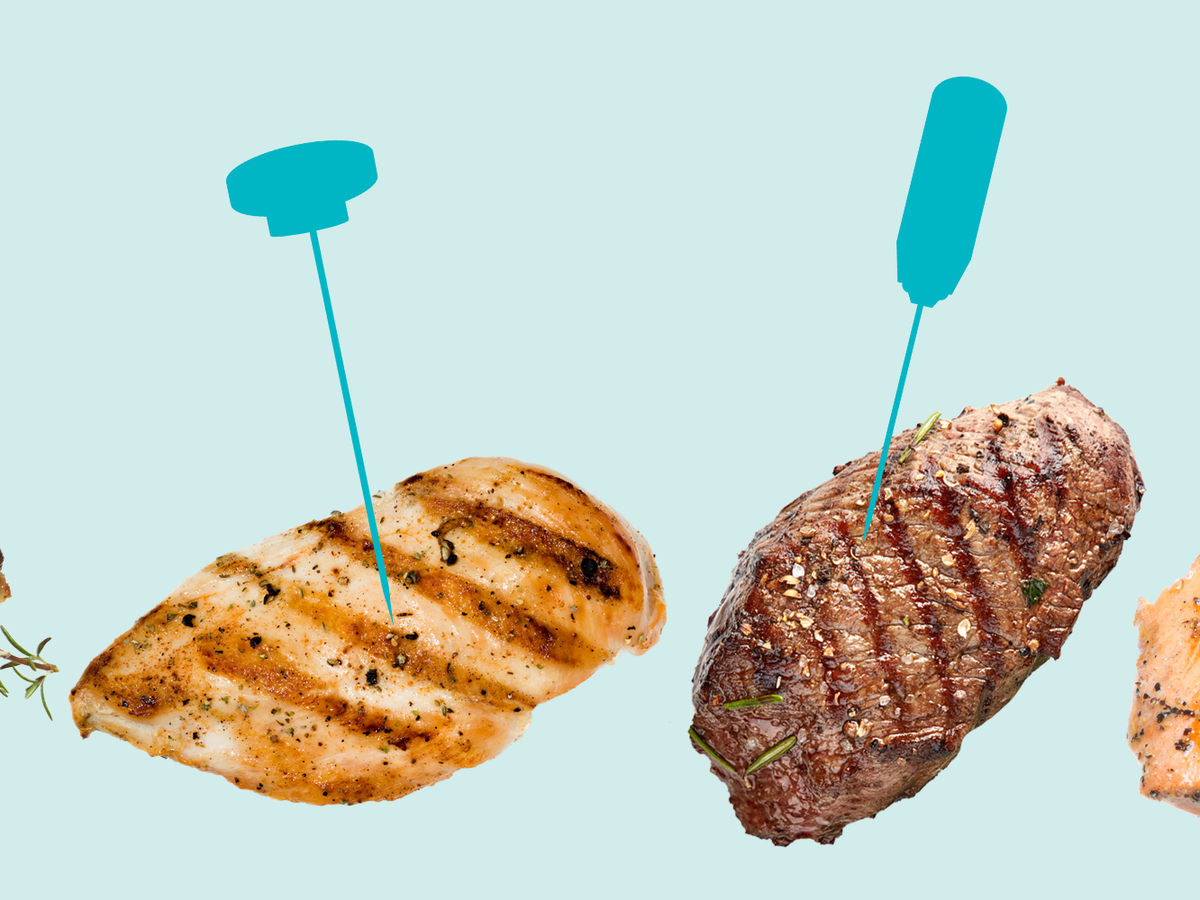
Insert the thermometer deep into the thickest part of the meat. Push it at least 2 inches inside. This reaches the center where the temperature is most accurate. Avoid shallow insertion; it gives a false high reading.
Avoiding Bone And Fat
Keep the thermometer away from bones and fat. Bones heat faster and give a higher temperature. Fat heats slower and may show a lower reading. Insert the probe into the lean meat only for the best result.
Timing Your Measurement
Wait a few seconds after inserting the thermometer. This lets the device adjust to the meat’s temperature. Do not check too soon or move the probe around. Hold steady until the reading stops changing.
Common Mistakes To Avoid
Using a meat thermometer correctly is key to cooking safe and tasty meat. Many people make simple mistakes that lead to wrong temperature readings. These errors can cause undercooked or overcooked meat. Avoiding common mistakes helps get an accurate temperature deep inside the meat. This ensures perfect results every time.
Surface Temperature Misreadings
One common mistake is measuring the temperature only on the meat’s surface. The surface heats faster and cools quicker than the inside. This can give a false reading that the meat is done. Always insert the thermometer deep into the thickest part of the meat. Avoid touching bone or fat, as this changes the reading.
Not Allowing Temperature To Stabilize
Another mistake is reading the temperature too soon after inserting the thermometer. The needle or digital display needs time to adjust to the meat’s heat. Rushing to check the temperature can give a low or unstable reading. Wait at least 15 to 20 seconds for the temperature to stabilize before noting it down.
Tips For Consistent Temperature Checks
Checking the temperature inside meat is key for safe cooking. Consistent temperature checks help you avoid undercooked or overcooked meat. Using a meat thermometer correctly gives you clear results every time. Follow these simple tips to get steady readings and cook meat perfectly.
Multiple Spot Checks
Check the temperature in several spots of the meat. Meat heats unevenly, so one spot may not show the true temperature. Insert the thermometer into the thickest parts and near the bone. Take readings from different areas to find the highest temperature. This method ensures the meat is fully cooked inside.
Using Thermometer Calibration
Calibrate your thermometer regularly for accurate results. Test it in ice water; it should read 32°F (0°C). If not, adjust the thermometer according to the instructions. Calibration stops wrong readings that can lead to unsafe meat. A well-calibrated thermometer is a reliable kitchen tool.
Signs Meat Is Cooked Thoroughly
Knowing when meat is cooked thoroughly is important for safety and taste. Overcooked meat becomes dry and tough. Undercooked meat can carry harmful bacteria. Using signs from the meat itself helps cook it just right. These signs include how the meat looks and feels. Also, checking the right temperature inside the meat is key.
Visual And Texture Cues
Color changes give clues about doneness. Cooked meat often changes from red or pink to brown or white. Juices run clear when meat is fully cooked. Texture also tells a lot. Firm meat usually means it is done. Press the meat with a finger or fork. Soft and squishy means undercooked. Slightly springy but firm means well cooked.
Recommended Internal Temperatures
Using a meat thermometer gives the safest results. Insert it deep inside the thickest part of the meat. Different meats have different safe temperatures. Chicken and turkey need to reach 165°F (74°C). Beef, pork, and lamb should hit 145°F (63°C) with a rest time. Ground meats need 160°F (71°C). Checking these temperatures stops food poisoning risks.
Frequently Asked Questions
Can A Meat Thermometer Measure Deep Inside Thick Meat?
Yes, a meat thermometer can measure deep inside thick meat. Insert the probe into the thickest part to get an accurate reading. This ensures the core temperature is safe and meat is cooked properly.
How Deep Should A Meat Thermometer Be Inserted?
Insert the meat thermometer probe about 2 to 3 inches deep for thick cuts. The tip must reach the center without touching bone or fat. This gives the most accurate internal temperature reading.
Does Probe Length Affect Meat Temperature Accuracy?
Yes, probe length affects accuracy. A longer probe reaches deeper inside thick meat, giving a true internal temperature. Short probes may only measure surface temperature, leading to undercooked or overcooked results.
Can Digital Thermometers Measure Temperature Inside Meat?
Digital thermometers can measure inside meat accurately. They provide quick, precise readings with easy-to-read displays. Insert the probe deep into the meat’s center for best results.
Conclusion
A meat thermometer can measure deep inside meat when used correctly. Insert it into the thickest part for an accurate read. Avoid touching bone or fat, as this affects results. Checking temperature helps cook meat safely and perfectly. Remember to clean the thermometer after each use.
This simple tool makes cooking easier and safer. Trust your thermometer to know when meat is done. Cooking with care leads to tasty, juicy meals every time.

