
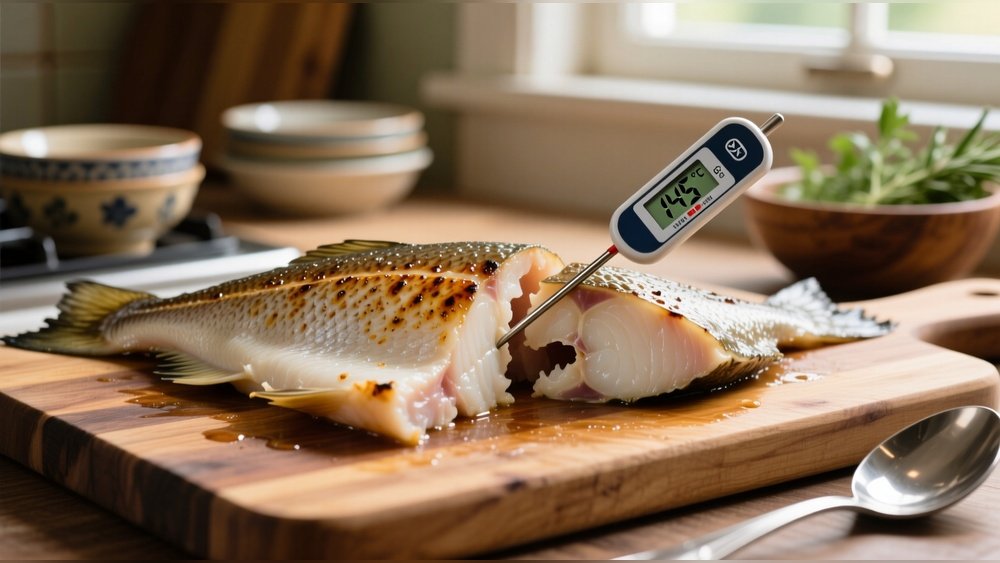
Are you wondering if your trusty meat thermometer can also handle fish and seafood? You’re not alone.
Cooking seafood perfectly can be tricky, and getting the temperature just right is key to juicy, safe, and delicious results. Using the right tool makes all the difference, but can a meat thermometer do the job? Keep reading to discover how to make sure your fish and seafood are cooked to perfection every time.
Using Meat Thermometers For Fish
Using a meat thermometer for fish and seafood can help cook them perfectly. These tools check the internal temperature to avoid undercooking or overcooking. Fish cooks quickly, so the thermometer must be accurate and fast. Let’s explore the types of meat thermometers and how well they work for fish.
Types Of Meat Thermometers
There are several types of meat thermometers. Instant-read thermometers give a quick temperature reading. Leave-in thermometers stay inside the food during cooking. Digital thermometers show precise numbers on a screen. Dial thermometers have a needle that points to the temperature. Each type works differently in the kitchen.
Suitability For Fish And Seafood
Not all meat thermometers suit fish and seafood. Fish is delicate and cooks fast. A quick and accurate reading is best. Instant-read digital thermometers often work well. Leave-in thermometers can overcook fish if left too long. Thin fish fillets need a small probe for better results. Choose a thermometer that fits the fish size.
Temperature Accuracy Factors
Several factors affect thermometer accuracy. The probe size matters; it must be thin for fish. Insert the probe into the thickest part of the fish. Avoid touching bones, as they give false readings. Calibrate the thermometer regularly for best results. Clean the probe before use to prevent errors. Good placement and maintenance ensure accurate temperature readings.
Ideal Cooking Temperatures For Seafood
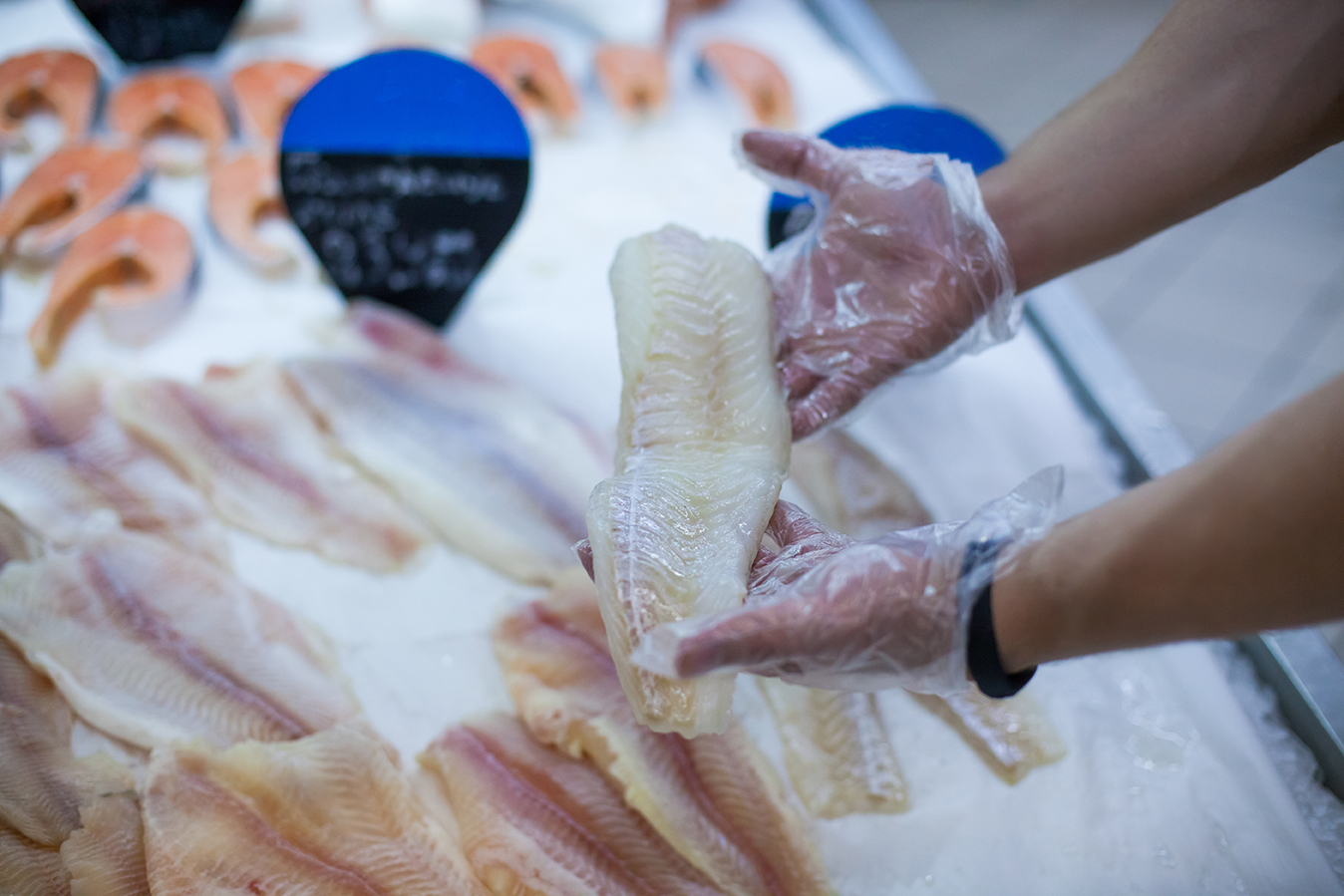
Cooking seafood to the right temperature is key for safety and taste. Fish and seafood need careful cooking to avoid being underdone or dry. Using a meat thermometer can help you find the perfect cooking point. Knowing the ideal temperatures ensures your dish is both safe and delicious.
Safe Internal Temperatures
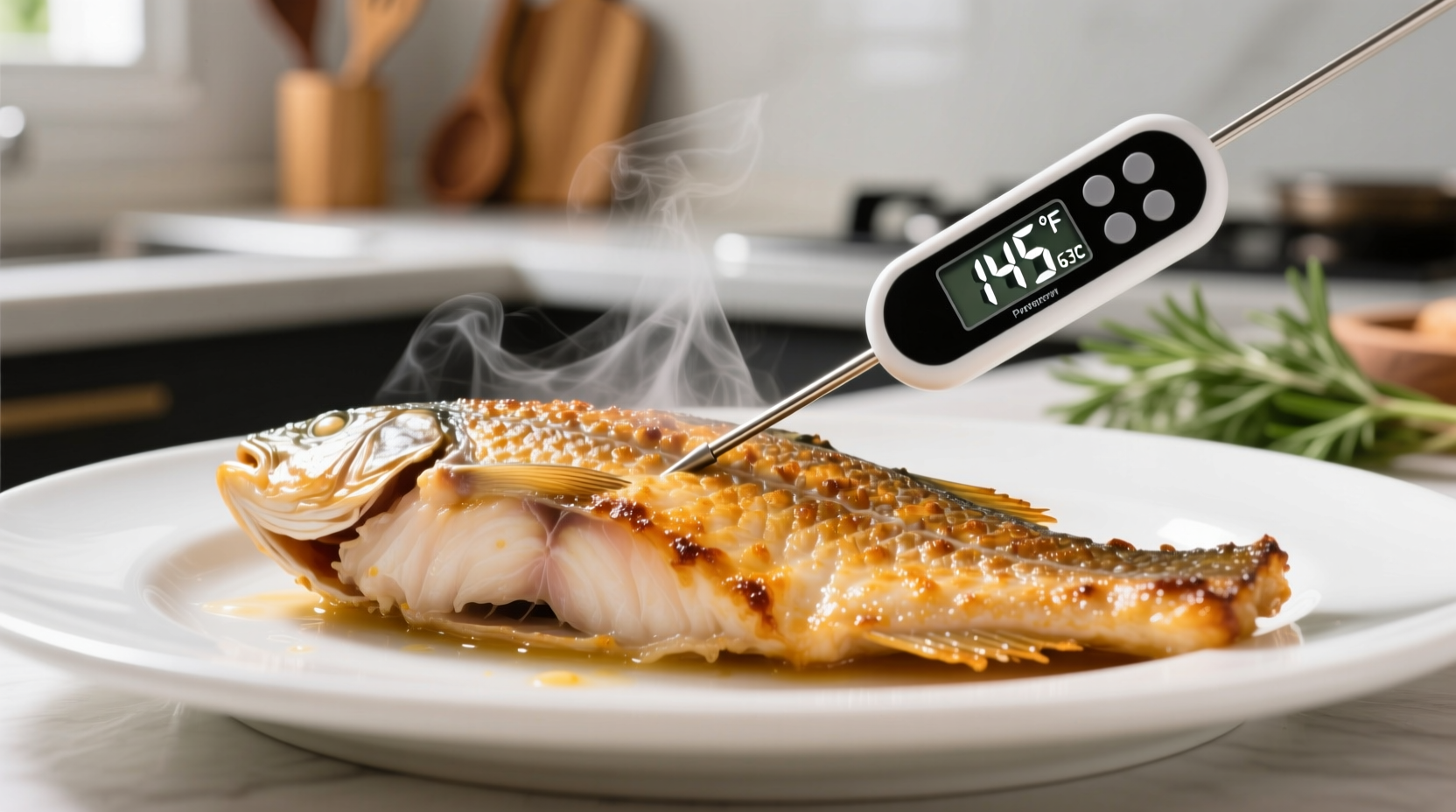
Seafood should reach a safe temperature to kill harmful germs. The FDA recommends cooking fish to 145°F (63°C). Shellfish like shrimp and lobster turn opaque and firm at this temperature. Oysters, clams, and mussels should be cooked until their shells open. These guidelines help prevent foodborne illness.
Texture And Doneness Indicators
Besides temperature, texture shows if seafood is done. Cooked fish flakes easily with a fork. It looks opaque, not shiny or raw. Shellfish firm up and change color as they cook. Overcooked seafood feels rubbery and dry. A thermometer combined with visual checks gives the best results.
Tips For Measuring Fish Temperature
Measuring the temperature of fish is key for perfect cooking. It helps avoid undercooking or overcooking. Using a meat thermometer for fish and seafood is possible with care. Follow these tips for accurate temperature reading.
Proper Thermometer Placement
Insert the thermometer into the thickest part of the fish. Avoid touching bones, as they give false readings. For whole fish, place the probe near the center. For fillets, check the thickest spot. This ensures the fish is cooked through.
Avoiding Overcooking
Fish cooks quickly, so check temperature often. Remove the fish from heat a few degrees before the target temperature. The fish will keep cooking from residual heat. This prevents dry, tough fish. Aim for 145°F (63°C) for safe, juicy results.
Handling Thin Or Delicate Fish
Thin fish can be tricky to measure accurately. Use an instant-read thermometer for fast results. Insert the probe gently to avoid breaking the fish. For delicate seafood like shrimp, check the thickest part quickly. This keeps texture and flavor intact.
Alternatives To Meat Thermometers
Meat thermometers are common tools in kitchens. Yet, they might not always work best for fish and seafood. Different textures and cooking styles need other methods. Exploring alternatives helps cook seafood perfectly. These tools and techniques can guide to the right doneness.
Instant-read Thermometers
Instant-read thermometers give quick temperature results. They are small and easy to use. Insert the probe into the thickest part of fish. Wait a few seconds for the reading. This tool works well for many seafood types. It helps avoid overcooking or undercooking. Some models have waterproof designs for use with moist foods.
Infrared Thermometers
Infrared thermometers measure surface temperature without touching food. Point the device at the fish or shellfish. Get instant temperature readings from a distance. This method is fast and hygienic. It works best for grilling or pan-frying. Infrared thermometers do not check internal temperature. Use them to monitor cooking surfaces or fish skin heat.
Other Cooking Techniques
Visual cues and timing guide seafood cooking well. Fish flesh turns opaque and flakes easily with a fork. Shrimp and scallops become firm and slightly pink. Using a timer based on fish thickness also helps. Steaming, poaching, or baking often have set times. Practice and observation build confidence in cooking seafood. These methods reduce the need for thermometers entirely.
Maintaining And Calibrating Your Thermometer
Maintaining and calibrating your meat thermometer is key to measuring fish and seafood accurately. A well-kept thermometer ensures safe cooking temperatures. It also prolongs the tool’s life and improves reliability. Simple care routines make a big difference over time.
Regular cleaning removes food residue and bacteria. Calibration checks confirm the thermometer gives correct readings. Both steps keep your cooking safe and tasty.
Cleaning Tips
Clean the probe after each use. Use warm, soapy water and a soft cloth. Avoid soaking the entire thermometer in water. Wipe down the display and buttons gently. Dry the thermometer completely before storing it. Proper cleaning stops cross-contamination between foods.
Calibration Methods
Test calibration using ice water. Fill a glass with ice and water. Insert the probe into the mixture. Wait until the reading stabilizes. It should show 32°F (0°C). Adjust the thermometer if the reading is off. Follow the manufacturer’s instructions for calibration. Regular checks keep your thermometer accurate over time.
:max_bytes(150000):strip_icc()/how-to-use-meat-thermometer-GettyImages-1330139635-91da8d92d7ab4711aa195e6f674ed7ac.jpg)
Frequently Asked Questions
Can A Meat Thermometer Accurately Measure Fish Temperature?
Yes, a meat thermometer can accurately measure fish temperature. Insert it into the thickest part to check doneness. It helps avoid undercooking or overcooking seafood, ensuring safe and delicious results every time.
What Temperature Should Fish Reach For Safe Eating?
Fish should reach an internal temperature of 145°F (63°C) for safe eating. This temperature kills harmful bacteria and ensures the fish is properly cooked while maintaining moisture and flavor.
Are Digital Or Analog Thermometers Better For Seafood?
Digital thermometers are generally better for seafood. They provide faster, more precise readings and are easier to read. This accuracy helps in cooking fish and seafood perfectly without guesswork.
Can A Meat Thermometer Measure Shellfish Temperature?
Yes, a meat thermometer can measure shellfish temperature. Insert it into the thickest part of the shellfish to ensure it reaches a safe temperature of 145°F (63°C).
Conclusion
A meat thermometer can measure fish and seafood safely. It helps check if the food is cooked right. Fish cooks faster than meat, so watch the time. Insert the thermometer into the thickest part for best results. This tool prevents undercooking and overcooking.
Using it makes meals safer and tastier. Try it next time you cook seafood. Cooking with care brings better flavor and health. Simple and smart!

