
Are you tired of guessing whether your meat is cooked just right? Undercooked meat can be risky, but overcooking means losing that juicy, perfect flavor you want.
What if there was a simple tool that could take the guesswork out of cooking? A meat thermometer might be your secret weapon to ensure every bite is safe and delicious. You’ll discover how a meat thermometer can help you avoid undercooked meat and make your meals better every time.
Keep reading to learn how to master cooking with confidence.

Role Of Meat Thermometers
Meat thermometers play a key role in cooking meat safely. They help check the internal temperature. This check ensures meat is cooked enough to kill harmful bacteria. Using a meat thermometer reduces the risk of eating undercooked meat. It also helps avoid overcooking, keeping meat juicy and tasty.
Understanding how meat thermometers work and the types available can improve cooking results. This knowledge makes it easier to choose the right tool and cook meat perfectly every time.
How Meat Thermometers Work
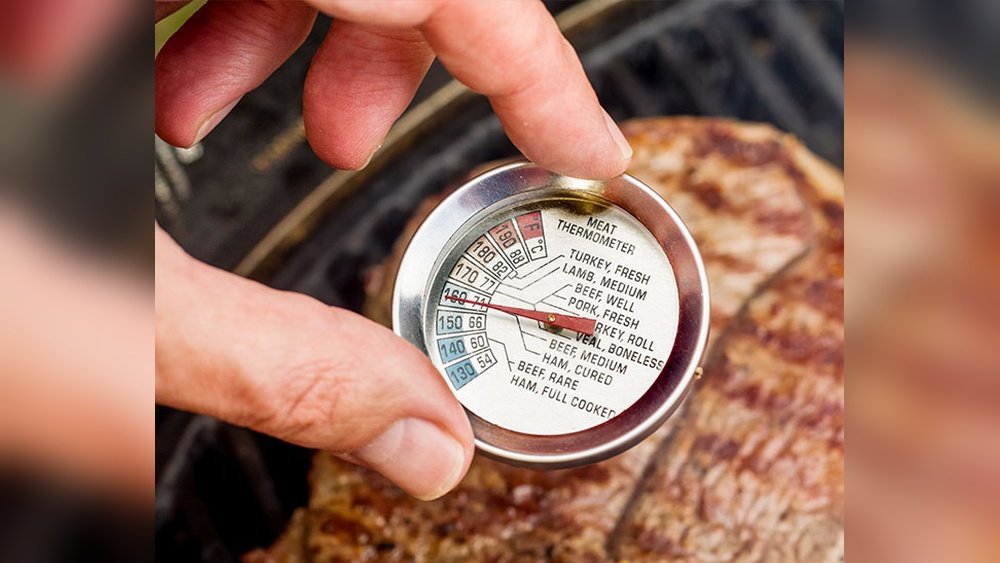
Meat thermometers measure the temperature inside the meat. A probe goes into the thickest part of the meat. The thermometer shows the temperature on a dial or digital screen. This reading tells if the meat is safe to eat.
Different meats need different temperatures to be safe. The thermometer helps reach the right temperature for each meat type. This prevents eating meat that is still raw inside.
Types Of Meat Thermometers
There are several types of meat thermometers. Each has its own use and benefits. Common types include dial, digital, and instant-read thermometers.
Dial thermometers have a needle and dial. They take a little time to show the temperature. Digital thermometers display numbers on a screen. They give faster and clearer readings. Instant-read thermometers provide quick temperature checks. They are handy for fast cooking checks.
Risks Of Undercooked Meat
Eating meat that is not cooked properly can cause serious health problems. Undercooked meat may still have harmful bacteria and parasites. These can make people sick quickly or over time. Knowing the risks helps in making safer food choices.
Using a meat thermometer can help check if meat is cooked enough. It measures the inside temperature to ensure harmful germs are killed. Understanding what dangers undercooked meat holds is important for everyone.
Common Foodborne Illnesses
Undercooked meat can carry bacteria like Salmonella and E. coli. These germs cause food poisoning with symptoms like stomach pain and diarrhea. Another risk is Campylobacter, which often comes from raw chicken. Parasites such as Trichinella also live in undercooked pork and wild game. These illnesses spread fast and can affect many people.
Health Implications
Eating unsafe meat can lead to dehydration and fever. Some infections cause long-term damage to organs. Young children, older adults, and pregnant women face higher risks. Illnesses from bad meat can last days or weeks. Severe cases may require hospital care. Avoiding undercooked meat reduces chances of serious health problems.
Using A Meat Thermometer Correctly
Using a meat thermometer correctly is key to cooking meat safely. It helps avoid eating undercooked or overcooked meat. Understanding how to use it improves your cooking results. Small mistakes can lead to wrong readings. Follow simple steps to get accurate temperature checks every time.
Choosing The Right Temperature
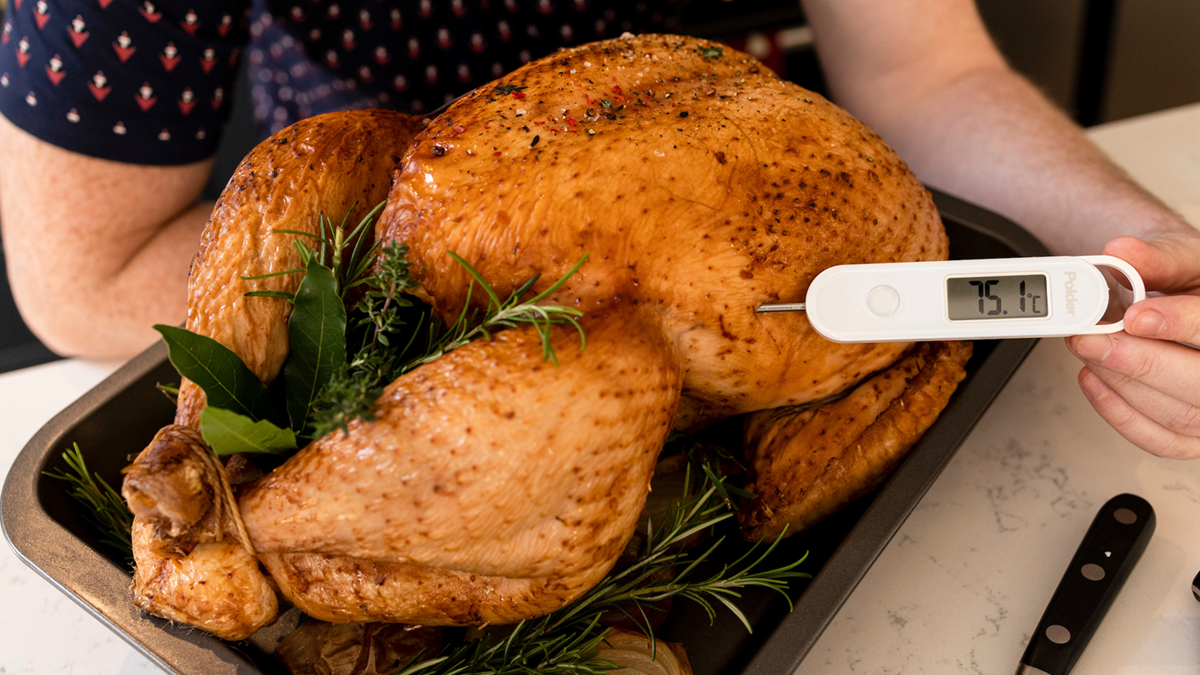
Different meats need different safe temperatures. Chicken needs to reach 165°F (74°C). Beef steaks are safe at 145°F (63°C). Ground meat must cook to 160°F (71°C). Use a reliable chart for the right target. Knowing the correct temperature protects health and taste.
Proper Placement In Meat
Insert the thermometer into the thickest part of the meat. Avoid touching bones or fat. Bones heat faster and can give false high readings. Fat does not reflect true meat temperature. Place the probe deep enough to reach the center. This ensures the meat is cooked throughout.
Timing And Accuracy Tips
Wait a few seconds after inserting the thermometer. Give it time to show the real temperature. Remove it carefully and check the number. Clean the probe before and after use. This keeps the thermometer safe and reliable. Use a digital thermometer for faster, clearer readings.
Essential Tips To Avoid Undercooking
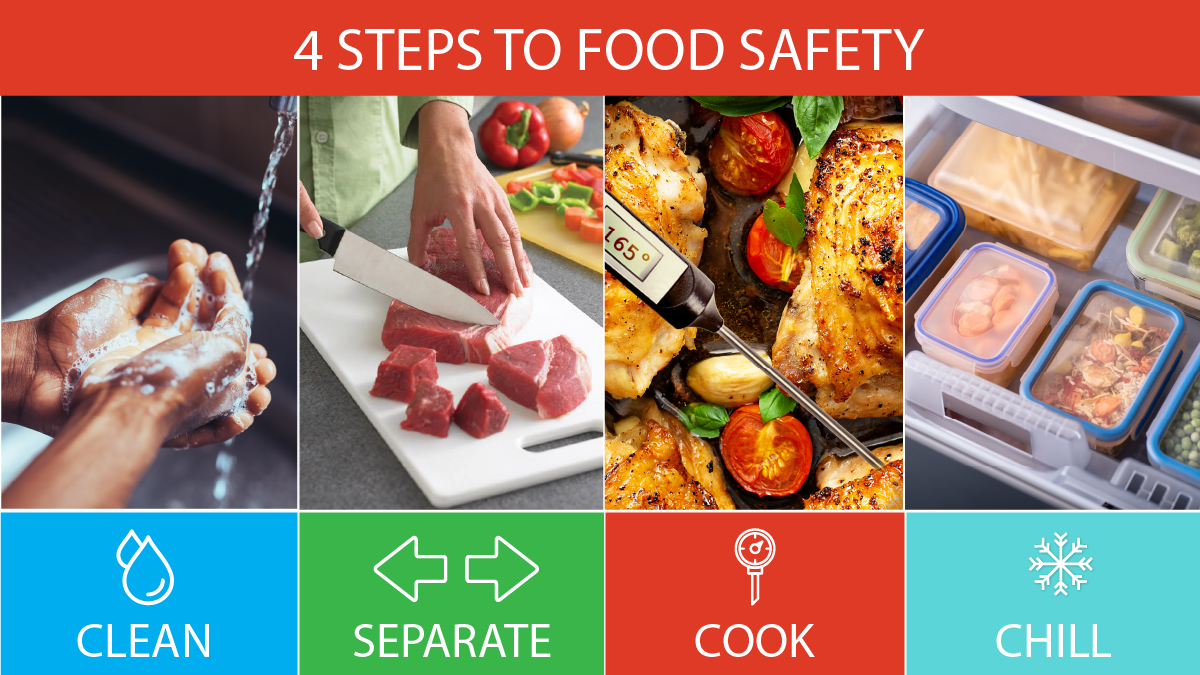
Undercooked meat can cause health risks and spoil your meal. Using a meat thermometer helps, but other steps matter too. Follow these essential tips to cook meat safely and perfectly every time.
Preheating And Cooking Techniques
Always preheat your oven or grill before cooking meat. This helps the meat cook evenly and reach the right temperature faster. Use proper cooking methods like roasting, grilling, or pan-searing. Avoid overcrowding the pan or grill to allow heat to circulate well.
Resting Meat For Safety
Let meat rest after cooking. Resting allows juices to spread inside and temperature to even out. This step helps kill remaining bacteria and improves taste. Usually, rest meat for 5 to 10 minutes before cutting or serving.
Cleaning And Maintenance Of Thermometers
Clean your meat thermometer after every use. Use warm, soapy water to remove bacteria. Avoid leaving food residue, which can cause inaccurate readings. Regularly check the thermometer for damage to ensure it works correctly.
Additional Tools For Meat Safety
Using a meat thermometer helps check if meat is safe to eat. Still, other tools improve safety in the kitchen. These tools work with thermometers to avoid undercooked meat. They help make sure every bite is cooked right and safe.
Combining Visual Checks And Thermometers
Looking at meat can tell a lot. Color changes and juices give clues about doneness. But these signs are not always enough. A thermometer confirms the temperature inside the meat. Using both methods together keeps meals safe and tasty. Never rely on sight alone to judge cooking.
Smart Thermometer Technology
Smart thermometers connect to phones or tablets. They send alerts when meat reaches the right temperature. Some models track cooking time and temperature trends. This helps avoid guesswork and saves time. Smart tools make cooking safer and easier for everyone.
Frequently Asked Questions
Can A Meat Thermometer Ensure Safe Cooking Temperatures?
Yes, a meat thermometer accurately measures internal temperature. It helps prevent undercooked meat by confirming proper heat levels. This ensures food safety and reduces risks of foodborne illness.
How Do I Use A Meat Thermometer Correctly?
Insert the thermometer into the thickest part of the meat. Avoid touching bone or fat. Wait for the temperature to stabilize before reading. This gives an accurate internal temperature.
Which Meats Need Thermometer Checks To Avoid Undercooking?
Chicken, pork, beef, and ground meats need checking. Each has a specific safe temperature to reach. Using a thermometer ensures these temperatures are met for safety.
Can A Meat Thermometer Improve Cooking Consistency?
Yes, it ensures meat is cooked evenly every time. It prevents guesswork and reduces chances of overcooking or undercooking. This improves overall meal quality and satisfaction.
Conclusion
Using a meat thermometer helps you cook meat safely and well. It shows the exact temperature inside the meat. No more guessing if it is undercooked or done. This tool can stop foodborne illnesses caused by raw meat. It also keeps your meat juicy and tasty.
Always check the temperature before serving. A meat thermometer is simple but very helpful. It makes cooking easier and safer for everyone. Try it next time you cook meat. You will notice the difference right away.

