
Are you wondering if your bread maker can handle more than just basic loaves? Maybe you’ve dreamed of biting into a warm, crusty baguette or trying your hand at specialty breads without the hassle of doing it all by hand.
You might be surprised to learn how versatile bread makers can be—and how they might just help you create those bakery-style breads right at home. Keep reading to discover whether your bread machine can rise to the occasion and what tips can make your specialty bread baking easier and more successful.
Bread Makers And Baguettes
Bread makers offer an easy way to bake fresh bread at home. They simplify the process by mixing, kneading, and baking automatically. Many users ask if bread makers can make baguettes or specialty bread. This section explores how bread makers handle baguette dough and their limits in shaping traditional baguettes.
How Bread Makers Handle Baguette Dough
Bread makers can mix and knead baguette dough well. They create the right texture for crusty bread. The machines control temperature and timing for proper fermentation. This helps the dough rise evenly. However, baking inside the bread maker gives a different crust than an oven. Bread makers usually bake bread in a pan, which affects the crust and shape.
Limitations With Traditional Baguette Shape
Baguettes are long, thin, and have a crisp crust. Bread makers bake bread in a loaf shape, not long and narrow. This means you cannot get the classic baguette shape. The machine’s baking pan limits the size and form. To get a true baguette, dough needs to be shaped by hand and baked on a stone or special oven. Bread makers work best for loaves, not specialty shapes like baguettes.
Specialty Bread Varieties
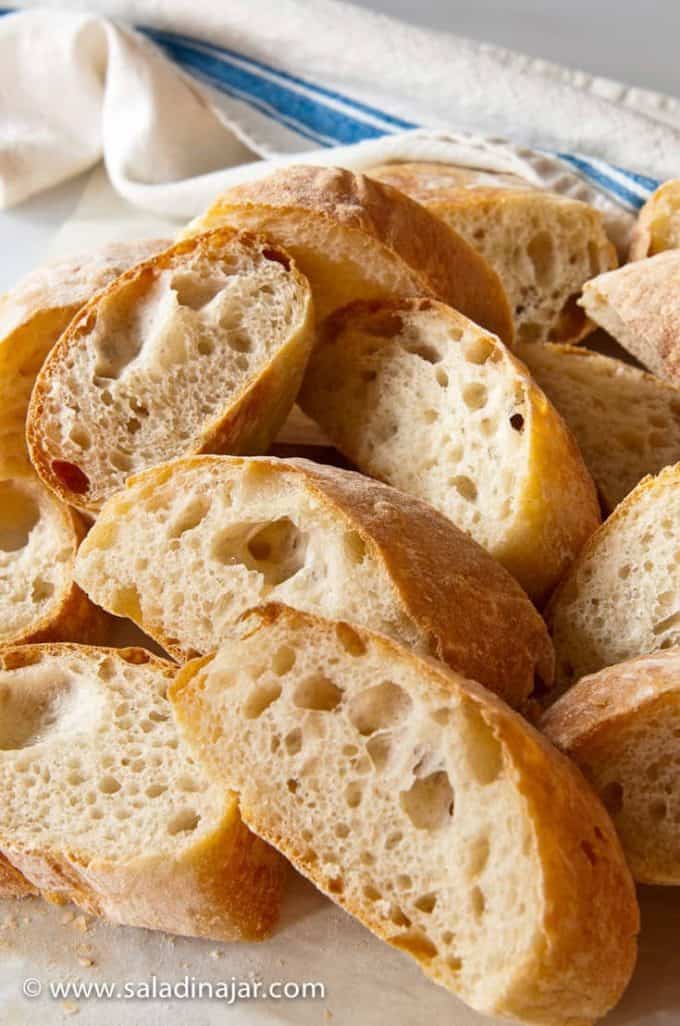
Bread makers are not just for plain white or whole wheat bread. They can also create a range of specialty breads. These breads have unique flavors, textures, and shapes. Specialty breads include items like sourdough, rye, and even some sweet breads. Many bread makers have special programs to handle these varieties. This allows users to enjoy different bread types at home with ease.
Specialty breads often require different ingredients and baking times. Bread machines can adjust to these needs. This flexibility makes them useful for those who enjoy trying new bread recipes. Knowing which breads can be made helps users get the best results.
Types Of Specialty Bread Bread Makers Can Make
Bread makers can produce several types of specialty bread. Sourdough is popular, with its tangy taste and chewy texture. Rye bread is another option, known for its dense crumb and strong flavor. Sweet breads like cinnamon or raisin bread can also be made. Some machines handle gluten-free bread, catering to special diets. Artisan-style breads, with crispy crusts, are possible too. Each type offers a new taste experience.
Adjusting Settings For Different Bread Types
Bread makers come with settings for various bread types. Users can select the right mode based on the recipe. For example, sourdough requires longer fermentation times. Rye bread needs a slower kneading cycle to develop flavor. Sweet breads often bake at a lower temperature to avoid burning. Gluten-free bread mixes need gentle handling during kneading. Adjusting settings helps achieve the perfect crust and crumb. It also prevents common baking problems.
Choosing The Right Bread Maker
Choosing the right bread maker is key for making baguettes or specialty bread at home. Not all bread machines handle every type of bread well. Some models work better for basic bread, while others are designed for more complex recipes. Understanding what features matter helps pick the best machine for your baking needs.
Features To Look For In A Bread Maker
Look for a bread maker with multiple baking settings. This allows you to bake different types of bread, including baguettes and specialty loaves. A machine with adjustable crust settings gives control over crust color and texture. A timer function is useful for fresh bread any time of day. A non-stick pan helps with easy bread removal and cleaning. A powerful kneading system ensures dough mixes well and rises properly.
Models Suited For Specialty Bread
Some bread makers come with special programs for French bread or artisan styles. These models often have longer kneading and rising times. Some include a steam function to create a crisp crust like bakery baguettes. Look for machines with larger pans to fit longer loaves. Brands that focus on versatility usually offer machines that handle various specialty breads well. Reading reviews can help find models praised for making baguettes and other specialty breads.

Expert Tips For Better Results
Bread makers can create various types of bread, including baguettes and specialty loaves. Success depends on how you use the machine. Small changes make a big difference in texture and taste. Follow expert tips for better results.
Ingredient Selection And Preparation
Choose high-quality flour suited for your bread type. Bread flour works best for baguettes because it has more gluten. Use fresh yeast for better rise and flavor. Measure ingredients precisely to avoid dough issues. Warm liquids help activate yeast faster. Avoid using cold water or milk. Salt controls yeast activity and enhances taste. Add sugar carefully; too much can slow yeast.
Customizing Kneading And Baking Cycles
Adjust kneading time based on dough texture. Baguette dough needs less kneading for a light crust. Use shorter kneading for delicate specialty bread. Some bread makers have custom settings for crust color. Select a longer bake for thick, crusty bread. Pause the machine to shape dough for baguettes. Experiment with rising times to improve crumb structure. Watch dough during cycles and make small changes.
Common Challenges And Solutions
Baking baguettes or specialty bread in a bread maker can be tricky. Many users face common problems like crust texture and dough consistency. These issues affect the final taste and appearance of the bread. Understanding these challenges helps improve baking results.
Dealing With Crust And Texture Issues
Bread makers often produce a softer crust than traditional ovens. Baguettes need a crisp, golden crust. To fix this, remove the bread from the machine early and bake it in a hot oven for a few minutes. This step helps create the desired crunch.
Another issue is the bread texture. Specialty breads can be dense or uneven. Using the right flour and adjusting baking settings can improve texture. Some bread makers have crust control options; use them to match your preference.
Troubleshooting Dough Consistency
Dough that is too wet or dry causes poor bread shape and texture. Measure ingredients carefully for better results. Different flours absorb water differently, so adjust water amounts as needed.
Check the dough during the kneading cycle. It should form a smooth, elastic ball. If too sticky, add a little flour. If too dry, add small amounts of water. This simple check improves dough consistency and baking success.

Frequently Asked Questions
Can Bread Makers Bake Authentic Baguettes?
Most bread makers can shape dough but lack the high heat for authentic crusts. For true baguettes, ovens with steam injection work best.
Are Specialty Breads Possible In Bread Makers?
Yes, many bread makers offer settings for specialty breads like whole wheat, rye, and gluten-free varieties, making baking diverse recipes easy at home.
How Do Bread Makers Handle Crust Variations?
Bread makers usually provide crust color options: light, medium, or dark. This allows some control over crust texture but not artisan-level crusts.
Can I Customize Baguette Dough In A Bread Maker?
You can customize dough ingredients and hydration levels in bread makers, but shaping and baking require manual steps for baguette-style loaves.
Conclusion
Bread makers can bake many types of bread, including some specialty ones. They work best with recipes designed for their settings. Baguettes may need extra care or shaping by hand. Still, these machines save time and effort in baking. Experimenting with dough and settings helps improve results.
Home bakers enjoy fresh bread without much hassle. Bread makers offer a simple way to enjoy various breads at home. Trying different recipes can be fun and rewarding. Keep expectations realistic, and baking becomes a pleasant routine.

