
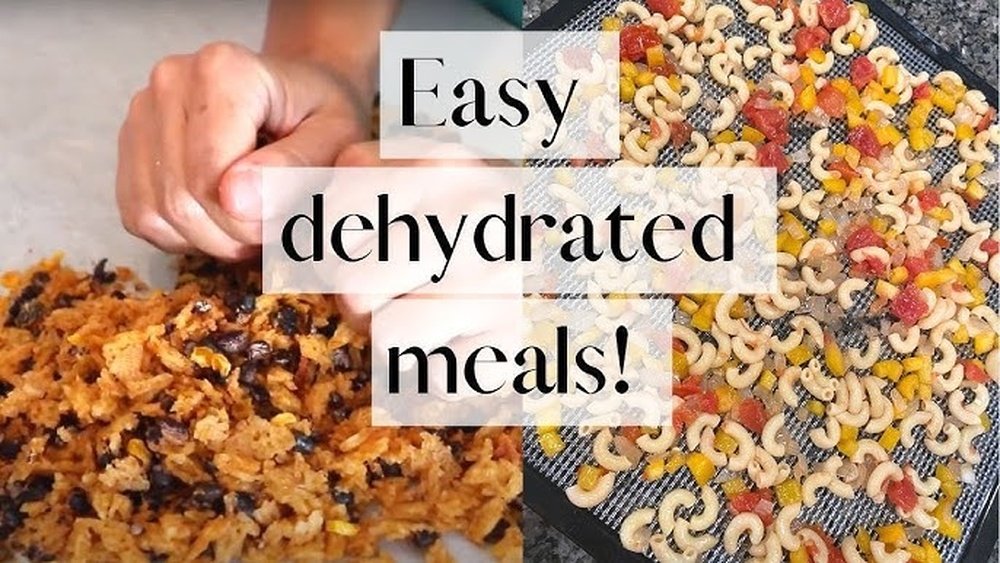
Have you ever wondered if you can dehydrate cooked food in your food dehydrator? If you’re looking to save leftovers, reduce waste, or create tasty snacks, this question might be on your mind.
The good news is, dehydrating cooked food is possible—and it can open up a world of convenient, long-lasting meal options for you. But there are some important tips and tricks you need to know to do it safely and effectively.
Keep reading, and you’ll discover exactly how to make the most of your food dehydrator with cooked meals.
Benefits Of Dehydrating Cooked Food
Dehydrating cooked food offers many benefits for home cooks and food lovers. It helps preserve meals, making them last longer without losing taste. The process also makes food easier to store and saves space. Plus, dehydrating cooked food creates new opportunities for quick and easy meals.
These advantages make dehydrating cooked food a smart choice for anyone who wants to reduce waste and enjoy homemade meals anytime.
Extended Shelf Life
Removing moisture from cooked food stops bacteria and mold growth. This extends the food’s shelf life by weeks or even months. Dehydrated cooked meals stay safe to eat without refrigeration. This helps reduce spoilage and food waste at home.
Enhanced Flavor Concentration
Dehydrating cooked food intensifies its natural flavors. The drying process removes water, which makes tastes stronger. Meals become richer and more delicious. This makes dehydrated food a tasty option for snacks and quick dishes.
Convenient Meal Prep
Dehydrated cooked food is lightweight and easy to store. You can prepare meals ahead of time and keep them ready for busy days. Just add water or heat to enjoy a fast, nutritious meal. This saves time and effort in daily cooking.
Foods Suitable For Dehydrating After Cooking
Dehydrating cooked food helps preserve it for longer. It saves time and reduces waste. Some foods work better than others after cooking. Knowing which foods to dehydrate ensures good texture and flavor. Here are the best options for dehydrating after cooking.
Meats And Poultry
Cooked meats and poultry are great for dehydration. Slice them thin to dry evenly. Jerky is a popular example. Use lean cuts to avoid spoilage. Cook thoroughly before dehydrating to kill bacteria. Dried meats make perfect snacks or travel food.
Vegetables
Vegetables dry well after cooking. Steaming or boiling softens them first. Root vegetables like carrots and potatoes are ideal. Leafy greens also dry nicely when cooked. Dehydrated vegetables keep nutrients and flavor. They rehydrate easily for soups and stews.
Fruits
Cooked fruits dehydrate beautifully. Soft fruits like apples, pears, and berries work best. Cooking breaks down fibers and releases sugars. This helps fruits dry faster and taste sweeter. Use low heat to avoid burning. Dried fruits are great snacks or baking ingredients.
Grains And Legumes
Cooked grains and legumes can be dehydrated too. Rice, quinoa, and lentils are good choices. Spread them thin on trays for even drying. Once dry, store in airtight containers. They save space and last longer. Rehydrate by adding water before use.
Preparing Cooked Food For Dehydration
Preparing cooked food for dehydration is an important step for good results. Proper preparation helps keep the food safe and tasty. It also makes the drying process faster and more even. Follow these key steps before placing cooked food in your dehydrator.
Proper Cooking Techniques
Cook food thoroughly to kill harmful bacteria. Use methods like boiling, steaming, or baking. Avoid undercooked or raw parts. Fully cooked food dries better and lasts longer.
Cooling And Slicing
Let the cooked food cool to room temperature. Hot food can cause moisture buildup in the dehydrator. Slice the food into thin, even pieces. Thin slices dry faster and more evenly.
Avoiding Contamination
Use clean hands and utensils when handling cooked food. Work on clean surfaces to prevent germs. Store dehydrated food in clean, airtight containers. Proper hygiene keeps the food safe to eat later.
Dehydration Process And Settings
Dehydrating cooked food requires careful control of temperature and time. The right settings keep food safe and tasty. Understanding the dehydration process helps prevent spoilage and loss of flavor. Adjusting trays and racks also improves drying results. Here is how to handle these key factors for best outcomes.
Optimal Temperature Ranges
Cooked food usually needs lower temperatures than raw. Set your dehydrator between 125°F and 135°F (52°C to 57°C). Higher heat can overcook or burn the food. Too low heat may allow bacteria to grow. Keep the temperature steady for even drying.
Recommended Drying Times
Drying times vary by food type and thickness. Thin pieces like sliced vegetables may take 4 to 8 hours. Thick cooked meats or stews can take 8 to 12 hours or more. Check food often for dryness. It should feel leathery or crisp but not sticky.
Using Different Trays And Racks
Use mesh trays for small food pieces or powders. Solid trays work well for thick or juicy foods. Stack trays with space between for good air flow. Rotate trays during drying to ensure even results. Avoid overcrowding trays to speed up drying time.
Storage Tips For Dehydrated Cooked Food
Storing dehydrated cooked food properly keeps it safe and tasty for longer. Good storage helps keep moisture, air, and pests away. This stops spoilage and maintains flavor. Below are tips for packaging, ideal storage, and rehydration methods.
Packaging Options
Use airtight containers to keep air out. Glass jars with tight lids work well. Vacuum-sealed bags remove extra air to extend shelf life. Mylar bags with oxygen absorbers also protect food. Avoid plastic bags that are not airtight. Label packages with the date and contents.
Ideal Storage Conditions
Store dehydrated food in a cool, dark place. Temperatures below 70°F slow down spoilage. Keep food away from sunlight and heat sources. Moisture can cause mold, so keep it dry. A pantry or cupboard is a good choice. Check food regularly for any signs of spoilage.
Rehydration Methods
Add warm water to rehydrate food before eating. Let it soak for 10 to 30 minutes. Use just enough water to cover the food. For soups or stews, add dehydrated food directly to the pot. Heat helps food absorb water faster. Taste and adjust seasoning after rehydration.

Common Mistakes And How To Avoid Them
Dehydrating cooked food can save money and reduce waste. Many people try it but make common mistakes. These errors affect taste, texture, and safety. Avoiding these mistakes helps achieve the best results. Here are key mistakes and how to avoid them.
Overdrying Or Underdrying
Overdrying makes food hard and brittle. It loses flavor and becomes tough to eat. Underdrying leaves moisture, causing mold and spoilage. Check food often during dehydration. Use a timer and thermometer if possible. Stop drying when food is dry but still flexible.
Improper Food Preparation
Food must be cut into even pieces for uniform drying. Thick or large pieces take longer and dry unevenly. Cooked food should cool before drying. Hot food raises dehydrator temperature and changes drying time. Season food lightly; strong spices can become stronger when dried.
Ignoring Food Safety Guidelines
Cooked food can grow harmful bacteria if not handled well. Use clean utensils and containers to avoid contamination. Cool food quickly before dehydrating. Store dried food in airtight containers. Label with date and check for spoilage before eating.
Safety Considerations For Dehydrated Cooked Food
Dehydrating cooked food requires careful attention to safety. Proper steps help avoid health risks. Understanding how to handle cooked food before and after dehydration is key. This section covers important safety points to keep your food safe and tasty.
Preventing Bacterial Growth
Bacteria grow quickly in moist, warm food. Cooked food must be cooled before dehydrating. Cut food into small, even pieces. This helps dry the food faster and more evenly. Set your dehydrator to the right temperature, usually above 130°F (54°C). This temperature kills most bacteria. Avoid leaving cooked food at room temperature for too long before drying.
Shelf Life And Spoilage Signs
Dehydrated cooked food lasts longer than fresh food but not forever. Store dried food in airtight containers in a cool, dark place. Check food regularly for signs of spoilage. Look for mold, strange smells, or slimy texture. If any signs appear, discard the food immediately. Proper drying and storage extend shelf life and keep food safe.
Best Practices For Handling
Always wash hands before handling cooked or dried food. Use clean utensils and containers to avoid contamination. Label dried food with the date it was made. Consume dehydrated cooked food within 6 months for best quality. Rehydrate food properly before eating. Avoid refreezing rehydrated food to reduce risk of spoilage.
Troubleshooting Dehydration Issues
Dehydrating cooked food can sometimes bring unexpected challenges. Troubleshooting dehydration issues helps you get better results. Understanding common problems saves time and food. This section covers typical issues and how to handle them.
Uneven Drying
Uneven drying happens when some parts dry faster than others. It may cause some food to stay moist and spoil. Overcrowding the trays blocks airflow. Place food in a single layer with space around pieces. Rotate trays during drying for better air circulation. Cut food into similar sizes for even drying.
Loss Of Flavor Or Texture
Cooked food can lose flavor or texture after drying. Overheating can burn food and reduce taste. Use the correct temperature setting for each food type. Dry food slowly to keep natural flavors. Drying too long makes food tough or brittle. Check food often to keep good texture.
Dehydrator Malfunctions
Sometimes the dehydrator may not work properly. Check the power source and plug before use. Clean the dehydrator regularly to avoid blockages. Faulty fans or heating elements affect drying performance. Contact the manufacturer if problems persist. Proper maintenance keeps the dehydrator in good shape.
Frequently Asked Questions
Can Cooked Food Be Safely Dehydrated?
Yes, cooked food can be safely dehydrated if it’s properly cooled and dried at the right temperature. This prevents bacteria growth and preserves flavor.
What Temperature Is Best For Dehydrating Cooked Food?
Set your dehydrator between 130°F and 160°F for cooked food. This range ensures thorough drying without overcooking or spoiling.
How Long Does Dehydrating Cooked Food Usually Take?
Dehydrating cooked food typically takes 6 to 12 hours, depending on moisture content and thickness. Check regularly to avoid overdrying.
Can Dehydrated Cooked Food Be Stored Long-term?
Yes, dehydrated cooked food can last 6 months to a year if stored in airtight containers away from moisture and light.
Conclusion
Dehydrating cooked food in a food dehydrator saves time and reduces waste. It helps preserve flavors and nutrients for longer storage. You can make snacks, meals, or ingredients ready for quick use. Just remember to dry food evenly and store it in airtight containers.
This method suits many cooked dishes and leftovers. Try it to enjoy tasty, shelf-stable food at home. Simple, practical, and efficient.

