
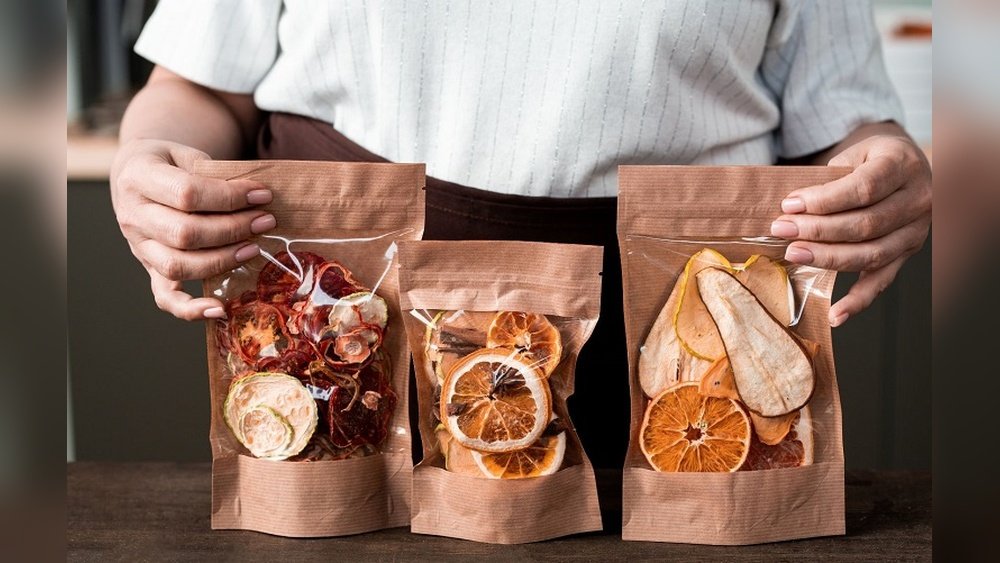
Have you ever wondered if you can enjoy your favorite exotic fruits all year round? Dehydrating them might be the secret you’re looking for.
Imagine having sweet, chewy bites of mango, pineapple, or dragon fruit ready whenever you want—no matter the season. But can you really dehydrate these unique fruits at home without losing their flavor or nutrients? Keep reading to discover simple tips and tricks that will help you turn your exotic fruits into delicious, healthy snacks you’ll love.
Your fruit game is about to change!
Benefits Of Dehydrating Exotic Fruits
Dehydrating exotic fruits offers many benefits. It helps keep their unique flavors and nutrients intact. Dried fruits make healthy snacks that last longer. They also save money and reduce waste. These advantages make dehydrating a smart choice for fruit lovers.
Preserving Nutrients And Flavor
Drying fruit removes water without losing vitamins. This process keeps most nutrients safe. The fruit’s natural taste stays strong and sweet. You get a snack full of energy and health benefits.
Convenient And Long-lasting Snacks
Dried exotic fruits are easy to carry anywhere. No need for refrigeration or special storage. They last for weeks or even months. Perfect for quick snacks or travel food.
Cost-effective And Eco-friendly
Drying fruit reduces spoilage and waste. It helps save money by using surplus fruit. This method uses less energy than freezing. It lowers your environmental impact while enjoying tasty treats.
Choosing Exotic Fruits For Dehydration
Choosing exotic fruits for dehydration means picking the right types and quality. Not all exotic fruits dry well. Some keep their taste and texture better than others.
Start with fruits that have less water content. Fruits with firm flesh and low moisture are easier to dry. Avoid fruits that are too soft or watery. These fruits may spoil quickly or turn mushy.
Popular Exotic Fruits To Try
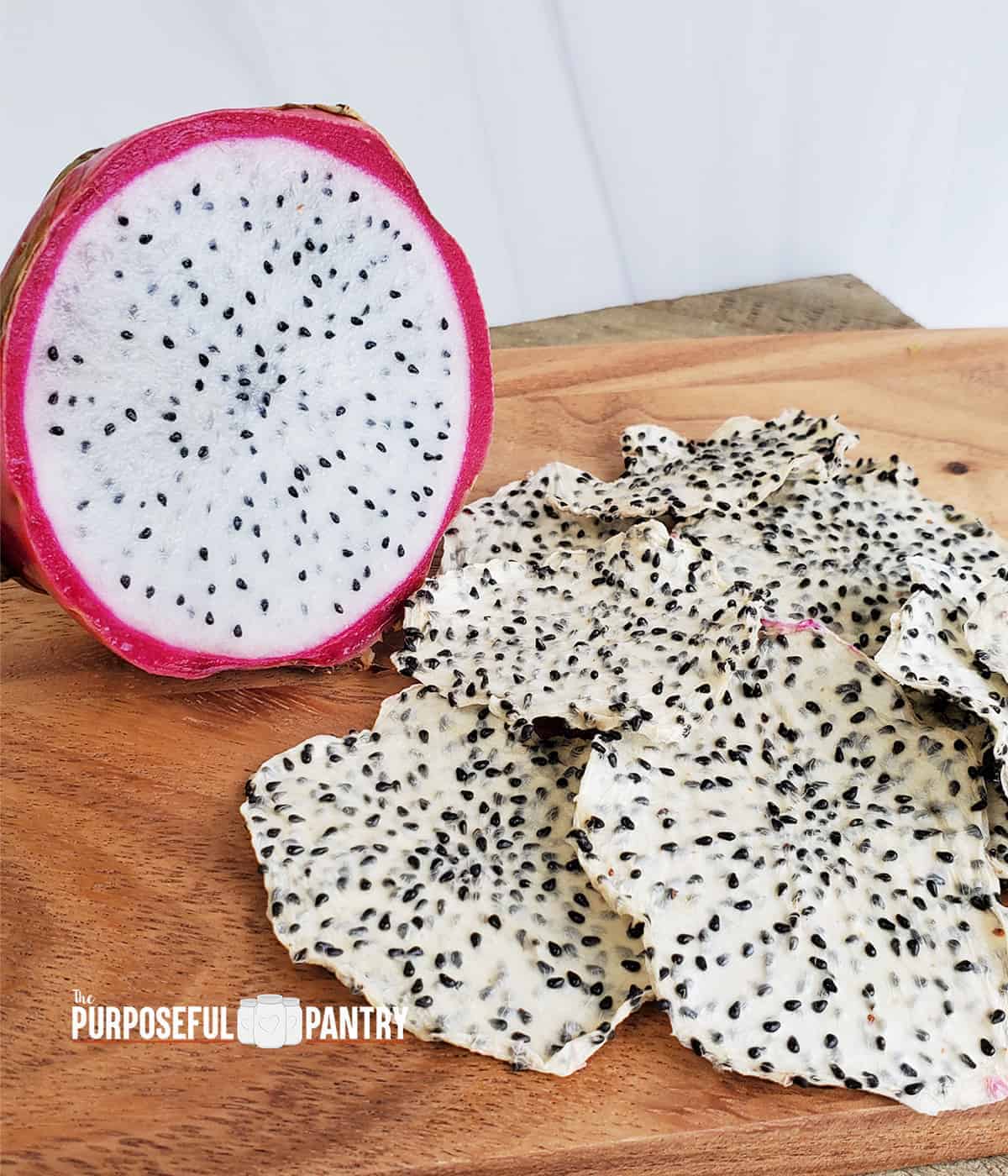
Mangoes are a top choice. They dry sweet and chewy. Pineapples offer a tangy flavor and good texture after drying. Papayas work well too; they become soft and sweet. Dragon fruit has a mild taste and interesting look. Jackfruit is another option, known for its sweet, fruity flavor.
Ripeness And Quality Tips
Choose fruits that are ripe but firm. Overripe fruits can spoil faster. Look for bright colors and no bruises. Avoid fruits with dark spots or mold. Fresh fruits will dry better and last longer. Wash fruits well before drying to remove dirt and pesticides.
Fruits To Avoid
Steer clear of very juicy fruits like watermelon. They have too much water and become sticky. Citrus fruits like oranges and lemons can be too sour and messy. Soft fruits such as peaches and berries may not dry well and can spoil. Avoid any fruit that feels mushy or damaged.
Preparing Exotic Fruits For Drying
Preparing exotic fruits for drying takes some care and attention. These fruits have unique textures and moisture levels. Proper preparation ensures even drying and good taste. Following a few simple steps helps keep their flavor and nutrients.
Washing And Peeling Techniques
Start by washing fruits under cold water. Use a soft brush to remove dirt. Peeling depends on the fruit type. Some fruits, like mangoes, need peeling. Others, like kiwi, can dry with skin on. Remove any bruised or damaged parts to avoid spoilage.
Slicing For Even Drying
Cut fruits into thin, even slices. Thicker slices take longer to dry. Thin slices dry faster and more evenly. Use a sharp knife or slicer for uniform pieces. Try to keep slices the same size. This helps prevent some pieces from staying wet.
Pre-treatment Methods
Pre-treatment stops fruits from browning. Lemon juice or ascorbic acid works well. Dip fruit slices in the solution for a few minutes. Some fruits need blanching to soften before drying. This step preserves color and flavor better. Choose the right method for each fruit type.
Dehydration Methods
Dehydrating exotic fruits preserves their unique flavors and nutrients. Various methods exist to dry these fruits effectively. Choosing the right method depends on your equipment and climate. Each method has benefits and simple steps to follow.
Using A Food Dehydrator
A food dehydrator offers controlled heat and airflow. It dries fruits evenly and quickly. Slice fruits thin and place them on trays without overlapping. Set the temperature between 125°F and 135°F for most exotic fruits. Check fruits regularly to avoid over-drying. This method keeps fruits tasty and chewy.
Oven Drying Tips
Oven drying is a good alternative without special tools. Use the lowest heat setting, usually 140°F to 170°F. Keep the oven door slightly open for air circulation. Place sliced fruits on baking sheets lined with parchment paper. Turn fruits every hour for even drying. This method takes longer but works well indoors.
Sun Drying Considerations
Sun drying depends on warm, dry weather and good airflow. Lay fruits on screens or trays in direct sunlight. Cover with a thin cloth to keep insects away. Turn fruits several times during the day. This method can take several days. It is natural but less reliable in humid areas.
Drying Times And Temperatures
Drying exotic fruits requires careful control of time and temperature. These factors affect the fruit’s texture, taste, and shelf life. Too much heat can burn the fruit. Too little heat leaves it damp and prone to mold. Each fruit type needs a specific drying time and temperature for the best results.
Optimal Settings For Different Fruits
Mango slices dry well at 135°F (57°C) for 8 to 12 hours. Pineapple needs about 12 hours at 135°F. Papaya requires 10 to 14 hours at the same temperature. Dragon fruit dries faster, around 6 to 8 hours at 130°F (54°C). Guava takes about 12 hours at 130°F. Adjust settings slightly based on fruit thickness and moisture.
Signs Your Fruit Is Fully Dried
Check if the fruit feels leathery or firm. It should not be sticky or wet inside. Bend the fruit; it should not snap but should not be too soft. Small fruit pieces should be crisp. If moisture appears when pressed, dry longer. Properly dried fruit lasts months without refrigeration.
Storing Dried Exotic Fruits
Storing dried exotic fruits properly keeps them fresh and tasty for longer. These fruits lose most water during drying but still need good care. Correct storage stops them from getting soft or moldy. It also helps keep their flavor and nutrients.
Packaging Options
Use airtight containers to store dried fruits. Glass jars with tight lids work well. Vacuum-sealed bags keep air out and preserve freshness. Plastic containers with snap lids are another option. Avoid thin plastic bags that can tear easily. Label containers with the date of drying.
Shelf Life And Storage Conditions
Dried exotic fruits last several months to a year. Store them in a cool, dark place like a pantry. Avoid heat and sunlight, which speed up spoilage. A temperature between 50-70°F (10-21°C) is ideal. For longer storage, keep dried fruits in the refrigerator. This slows down any natural oils from going bad.
Preventing Moisture And Spoilage
Moisture causes dried fruits to spoil quickly. Always keep the storage container sealed tightly. Use moisture absorbers like silica gel packs inside containers. Check fruits regularly for any soft spots or mold. Remove any spoiled pieces immediately to protect the rest. Keep hands and utensils clean when handling dried fruits.
Creative Ways To Enjoy Dried Exotic Fruits
Dried exotic fruits offer a unique taste and texture that can brighten many dishes. Their sweet, tangy flavors make snacks and meals exciting. These fruits hold nutrients and last longer, making them versatile in the kitchen.
Explore creative ways to enjoy these dried delights. They fit well in snacks, meals, and even gifts. Let’s dive into some simple ideas to use dried exotic fruits every day.
Snack Ideas And Recipes
Dried exotic fruits make perfect snacks on their own. Try mixing them with nuts for a quick trail mix. They add chewiness and sweetness to granola bars.
Make fruit leather by blending dried fruits with a little water. Dehydrate the mix for a chewy treat. Add chopped dried fruits to yogurt or oatmeal for extra flavor.
Incorporating Into Meals
Add dried exotic fruits to salads for a sweet twist. They pair well with leafy greens and nuts. Sprinkle chopped fruits over rice or couscous for color and taste.
Use dried fruits in stews or tagines to add depth. They soften and blend with savory spices. Mix dried fruits into baked goods like muffins or bread.
Gifting And Sharing
Dried exotic fruits make thoughtful and healthy gifts. Package them in small jars or clear bags. Add a handwritten note to personalize your gift.
Share a mix of different dried fruits with friends and family. It shows care and introduces new flavors. Perfect for holidays or special occasions.

Troubleshooting Common Issues
Dehydrating exotic fruits can sometimes bring challenges. These issues can affect the taste, texture, and safety of your dried fruits. Knowing how to solve common problems helps keep your fruit snacks tasty and fresh. Below are some tips to fix frequent dehydration troubles.
Avoiding Mold And Spoilage
Mold grows if fruit stays wet too long. Make sure fruit slices are thin and even. Use a clean dehydrator tray and check for air flow. Dry fruit completely before storing. Store in airtight containers in a cool, dry place. If fruit feels sticky or soft, dry it more.
Dealing With Tough Or Sticky Texture
Some exotic fruits become tough or sticky after drying. Slice fruit thinner for faster drying. Blanching fruit briefly can soften it before drying. Use parchment paper on trays to prevent sticking. Let fruit cool before packing to avoid moisture buildup.
Adjusting Drying For Different Climates
Humidity and temperature affect drying time. In humid areas, dry fruit longer or use a fan. In dry climates, reduce drying time to avoid over-drying. Check fruit often and test for dryness. Adjust heat settings based on your local weather. Keep fruit away from moisture during cooling and storage.
Frequently Asked Questions
Can I Dehydrate Exotic Fruits At Home?
Yes, you can dehydrate exotic fruits at home using a food dehydrator or oven. Slice fruits evenly for best results. Dry at low temperatures to preserve nutrients and flavor. Proper dehydration extends shelf life and enhances taste, making it a convenient preservation method.
Which Exotic Fruits Are Best For Dehydration?
Fruits like mango, pineapple, kiwi, dragon fruit, and guava are great for dehydration. These fruits have high sugar content, which helps in drying evenly. They retain flavor and texture well when dehydrated, making them popular choices for snacks and cooking.
How Long Does It Take To Dehydrate Exotic Fruits?
Dehydration time varies between 6 to 12 hours depending on fruit type, slice thickness, and temperature. Thinner slices dry faster. Monitor the process to avoid over-drying or under-drying. Properly dried fruits are leathery or crisp, with no moisture inside.
Do Dehydrated Exotic Fruits Retain Nutrients?
Yes, dehydrated exotic fruits retain most nutrients like vitamins and minerals. Some vitamin C loss occurs due to heat exposure. However, dehydration concentrates natural sugars and antioxidants, making these fruits a healthy snack option.
Conclusion
Yes, you can dehydrate exotic fruits safely and easily. Drying fruit helps keep it fresh longer. It also makes a tasty, healthy snack. Just slice the fruit evenly and dry at the right temperature. Some fruits may need special care or extra time.
Experiment and find what works best for your favorites. Dehydrating exotic fruits adds variety to your food options. It’s a simple way to enjoy unique flavors year-round. Give it a try and enjoy delicious dried treats at home.

