
Have you ever wondered if you can preserve the beauty of flowers or the fresh scent of herbs for your crafts? Imagine turning your favorite blooms and fragrant herbs into lasting treasures that brighten your home or make thoughtful gifts.
Dehydrating flowers and herbs is a simple way to keep their charm alive, but there are some key tips and tricks you need to know to get the best results. Keep reading, and you’ll discover how easy it is to create stunning, long-lasting craft materials right from your own garden or local market.
Your next craft project is about to get a whole lot more colorful and fragrant!

Why Dehydrate Flowers And Herbs
Dehydrating flowers and herbs is a simple way to keep their charm for a long time. This process removes moisture, which stops decay and mold growth. It helps you save seasonal colors and scents beyond their natural life. Dried flowers and herbs become perfect for many crafts. They stay beautiful, light, and easy to handle.
Benefits For Crafts
Dried flowers and herbs last longer than fresh ones. This means you can use them any time without worry. They keep their shape well, which is ideal for detailed craft projects. Dried materials are lighter and less fragile, making them easier to work with. Crafts like wreaths, potpourri, and cards look great with dried elements. You get to create beautiful, natural art that stays vibrant.
Preserving Natural Beauty
Dehydration locks in the colors and patterns of flowers and herbs. It keeps their natural look without fading quickly. The scents also remain, adding a fresh feel to crafts. Drying prevents browning and wilting that happens with fresh plants. This way, you keep nature’s beauty in your home. It makes every craft project feel alive and special.
Best Flowers And Herbs To Dehydrate
Dehydrating flowers and herbs preserves their beauty and scent for crafts. Some types dry better than others. Choosing the right flowers and herbs helps keep colors and shapes intact. This section covers the best options for drying and which to avoid.
Popular Choices
Lavender dries well and keeps its fragrance. It adds charm to any craft project. Roses are classic for drying. Pick fully open blooms for best results. Marigolds hold color and shape nicely. They add bright tones to dried arrangements. Chamomile dries quickly and smells great. Perfect for potpourri or sachets. Eucalyptus leaves keep their scent and color. They work well in wreaths and bouquets. Mint and thyme dry fast and keep aroma. Great for herbal crafts and decorations.
Flowers To Avoid
Flowers with high water content don’t dry well. Tulips often wilt and lose shape. Daisies can become floppy and dull. Hydrangeas may dry unevenly and turn brown. Lilies tend to shrivel and lose petals. Avoid very thick or waxy flowers like succulents. These types often mold or decay during drying.
Methods For Dehydrating
Dehydrating flowers and herbs is simple and fun. Many methods work well for drying plants. Each method has its own benefits and suits different needs. Choosing the right way helps keep colors and scents. Below are common ways to dehydrate flowers and herbs for crafts.
Air Drying
Air drying is the oldest and easiest method. Tie small bunches of flowers or herbs. Hang them upside down in a dry, dark place. Good air flow helps plants dry faster. This method takes days or weeks. It keeps most flowers’ natural shape and color.
Using A Dehydrator
A dehydrator speeds up drying and controls heat well. Spread flowers or herbs on trays in a single layer. Set the temperature between 95°F and 115°F (35°C to 46°C). Drying takes a few hours to one day. This method saves time and works for many plants.
Oven Drying
Oven drying is fast and easy at home. Preheat the oven to the lowest setting, about 100°F to 110°F (38°C to 43°C). Place flowers or herbs on a baking sheet. Keep the oven door slightly open. Check often to avoid burning. Drying takes one to three hours.
Microwave Drying
Microwave drying works well for small amounts. Put flowers or herbs between paper towels. Heat on low power for 30 seconds to one minute. Repeat in short bursts until dry. This method is very fast but needs care to avoid burning.
:strip_icc()/bowls-of-herbs-bb7190e9-c54b684e78a14c66b26ea5f5463041cd.jpg)
Step-by-step Drying Process
Drying flowers and herbs is a simple way to preserve them for crafts. The process keeps their color and shape intact. Follow these easy steps to dry your plants effectively. This guide helps you prepare, choose methods, and know the right drying time.
Preparing Your Flowers And Herbs
Start by picking fresh flowers or herbs. Choose plants without damage or spots. Remove extra leaves from stems. Cut the stems to your desired length. Gently clean them with a damp cloth. Avoid washing with water to prevent mold. Group similar plants together for drying.
Choosing The Right Drying Method
There are several ways to dry flowers and herbs. Air drying is the most common and easy method. Tie small bunches and hang them upside down. Use a dark, dry, and well-ventilated area. Another method is pressing flowers between papers. For herbs, use a dehydrator or oven at low heat. Each method suits different plants and crafts.
Drying Time And Conditions
Drying time depends on the plant type and method. Air drying usually takes one to three weeks. Check plants regularly for dryness and brittleness. Herbs dry faster than flowers. Keep the drying area away from sunlight and moisture. Proper airflow helps prevent mold. Store dried plants in airtight containers after drying.
Storing Dried Flowers And Herbs
Storing dried flowers and herbs correctly keeps them beautiful and useful for a long time. Proper storage stops them from getting damp or losing color. It also helps keep their scent strong. Good storage makes sure your crafts stay fresh and lovely.
Ideal Containers
Use airtight containers to keep dried flowers and herbs safe. Glass jars with tight lids work well. Plastic containers with seals are also good. Avoid containers that let air or moisture in. Small boxes lined with paper can protect delicate petals. Clear containers help you see the contents easily.
Storage Tips To Prevent Damage
Keep containers in a cool, dark place to avoid fading. Heat and sunlight can make colors dull. Store flowers and herbs away from moisture to stop mold. Handle dried items gently to prevent breaking. Avoid crushing or overcrowding containers. Check your stored items often for signs of damage.
Craft Ideas With Dried Materials
Dried flowers and herbs offer many craft possibilities. They keep their color and shape well. This makes them perfect for long-lasting projects. Crafts with dried materials bring nature’s beauty indoors. They add charm and a natural touch to your space.
Using dried flowers and herbs is easy. You can create beautiful, unique items. These crafts make great gifts too. Let’s explore some fun ideas to try at home.
Decorative Arrangements
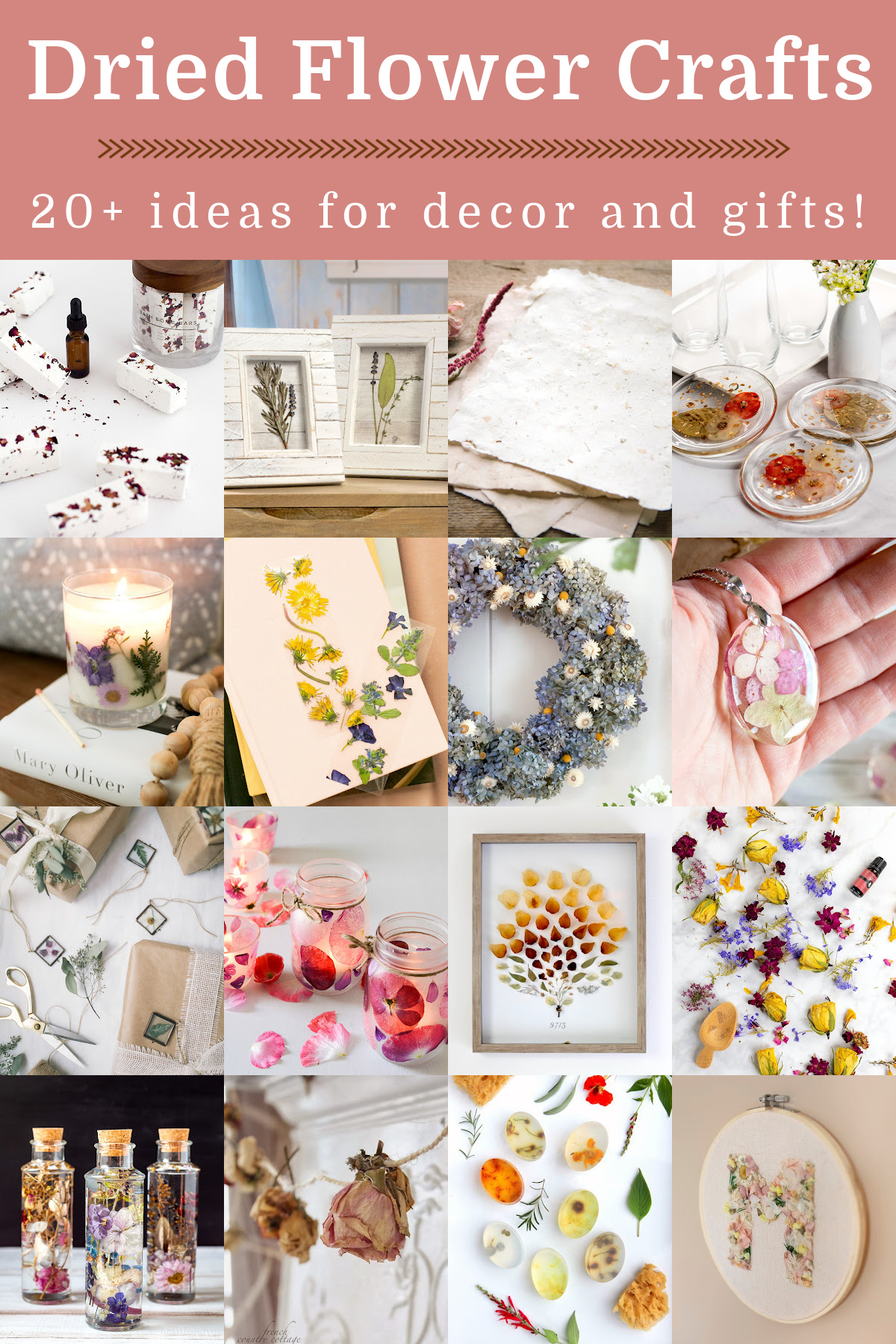
Dried flowers work great in decorative arrangements. Use them in vases, wreaths, or garlands. Mix different colors and shapes for a lovely look. They last much longer than fresh flowers. Place them in your living room or bedroom. They brighten any space without needing water.
Homemade Potpourri
Potpourri is a mix of dried flowers and herbs. It adds a fresh scent to any room. Combine lavender, rose petals, and herbs for a nice smell. Put the mixture in bowls or small bags. This craft is simple and smells wonderful. It’s perfect for closets or bathrooms.
Pressed Flower Art
Pressed flower art uses flowers flattened and dried. Arrange them on paper or cards for decoration. Make bookmarks, greeting cards, or framed art. Pressed flowers keep their color and shape well. This craft is great for personal and handmade gifts. It allows creativity with different flower types.
Troubleshooting Common Issues
Dehydrating flowers or herbs for crafts is fun but not always simple. Problems may appear during the drying process. Knowing how to fix these common issues helps keep your projects beautiful.
Mold And Mildew
Mold grows if flowers stay wet too long. It spoils the petals and smells bad. Use a dry, airy place for drying. Check flowers often. Remove any that show spots or fuzz. Good air flow stops mold from growing.
Color Fading
Colors can fade in the sun or if dried too long. Keep flowers out of direct sunlight. Use a shaded, cool spot to dry them. Quick drying helps keep bright colors. Try drying smaller bunches for best results.
Fragility
Dried flowers become fragile and break easily. Handle them with care after drying. Store in a safe box or frame. Use gentle glue for crafts to avoid damage. Avoid heavy pressure that can crush petals.
Frequently Asked Questions
Can I Dehydrate Flowers At Home For Crafts?
Yes, you can easily dehydrate flowers at home using air drying, pressing, or a dehydrator. These methods preserve colors and shapes for crafts.
Which Herbs Are Best For Dehydration In Crafts?
Herbs like lavender, rosemary, thyme, and mint dehydrate well. They retain fragrance and color, making them ideal for crafts and decorations.
How Long Does It Take To Dehydrate Flowers And Herbs?
Dehydration time varies by method and plant type, usually between 2 days to 2 weeks. Air drying takes longer than using a dehydrator.
Can Dehydrated Flowers Lose Their Color Or Scent?
Yes, flowers may fade or lose scent if not dried properly. Using low heat and avoiding direct sunlight helps maintain color and aroma.
Conclusion
Dehydrating flowers and herbs works well for many craft projects. It helps keep their color and shape for a long time. You only need simple tools and a little patience. Drying them at home saves money and adds a personal touch.
Try it yourself and enjoy making beautiful crafts. The process is easy and fun to learn. Give your crafts a natural, lasting charm with dried flowers and herbs.

