
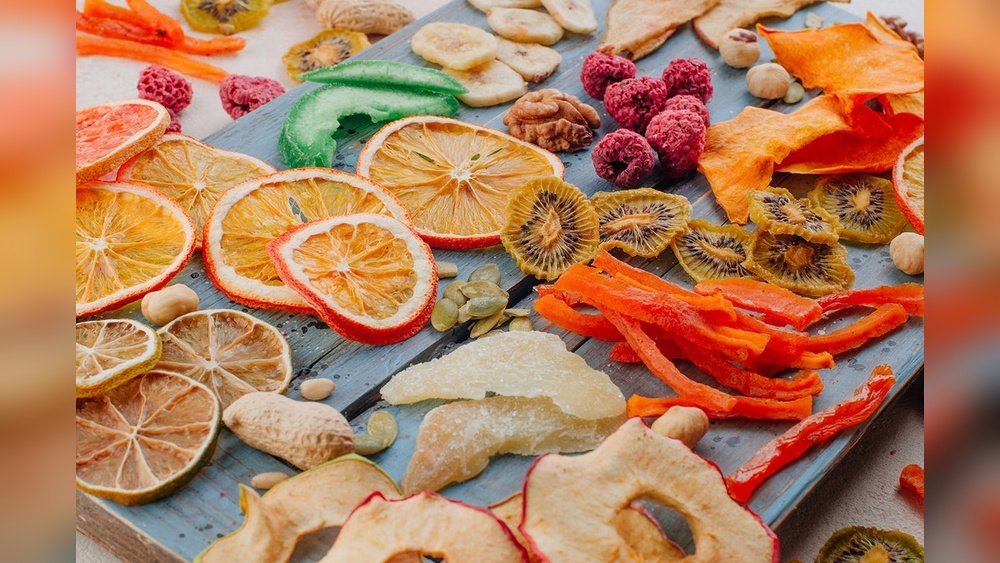
Have you ever wondered if you can dry fruits and vegetables together in the same dehydrator? It sounds convenient, right?
Saving time and energy by doing it all at once. But before you start mixing apples with carrots, there are some important things you need to know. Your dehydrator might not work as well as you hope, and the flavors could get mixed up in ways you don’t want.
Keep reading, because understanding how to dehydrate your produce correctly can make a big difference in taste, texture, and safety. Let’s dive into what really happens when you use one dehydrator for both fruits and vegetables.
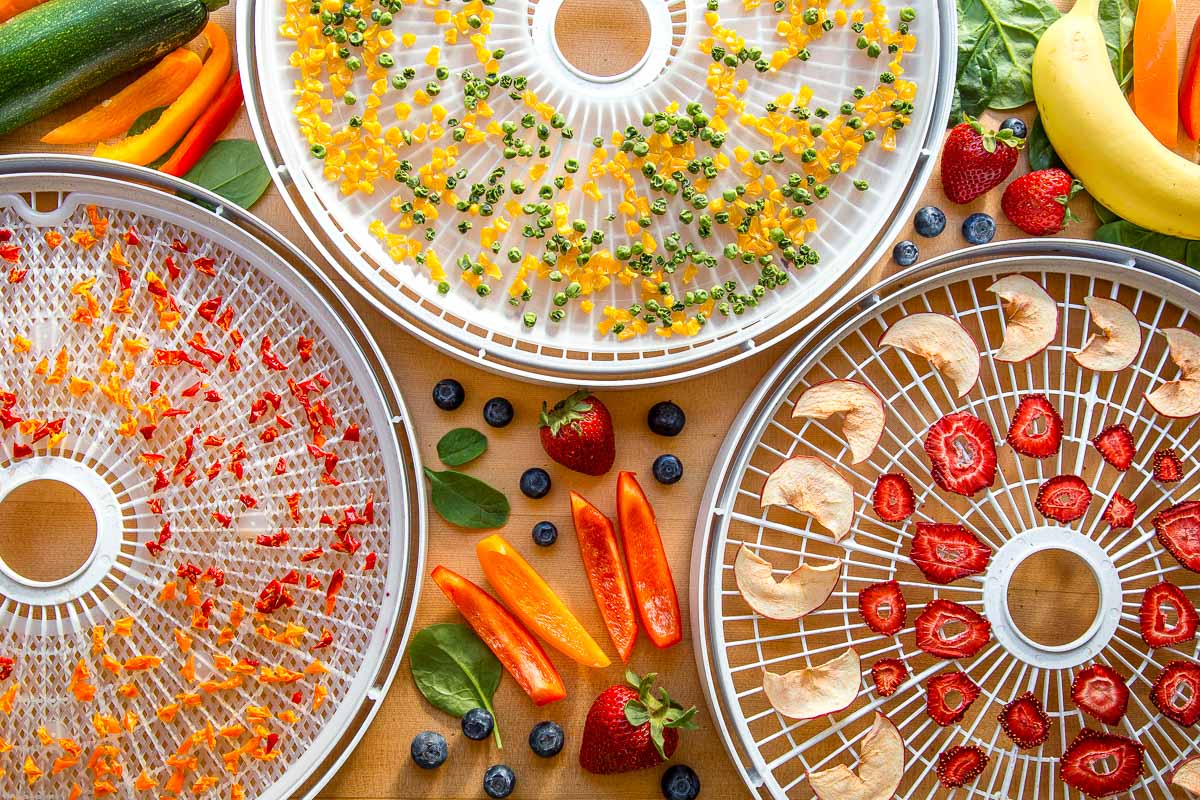
Dehydrator Basics
Understanding the basics of a dehydrator helps you use it better. A dehydrator removes water from fruits and vegetables. This process makes them last longer without spoiling.
Knowing how dehydrators work and the types available can guide your choice. It also helps you decide if you can dry fruits and vegetables together.
How Dehydrators Work
Dehydrators use low heat to dry food slowly. Warm air circulates inside, carrying away moisture. This drying stops bacteria and mold from growing.
The temperature is low enough to keep nutrients intact. Drying food this way keeps flavor and texture well preserved.
Types Of Dehydrators
There are three main types of dehydrators. Stackable models have trays stacked vertically. They save counter space but may dry unevenly.
Horizontal models use fans and heating elements at the back. They dry food evenly because air flows across trays. These are good for drying fruits and vegetables together.
Lastly, there are solar dehydrators. They use sunlight and air to dry food. These are eco-friendly but depend on weather conditions.

Fruit Vs Vegetable Drying
Drying fruits and vegetables requires some different care. Both need removal of moisture, but their textures and water content vary. Understanding these differences helps get better results from your dehydrator. It also prevents spoilage and saves time.
Differences In Moisture Content
Fruits generally have higher water content than vegetables. For example, watermelon and grapes hold a lot of water. Vegetables like carrots and peppers have less moisture. This means fruits take longer to dry. The extra water in fruits also means they can become sticky if dried too fast.
Varying Drying Times
Drying times differ between fruits and vegetables. Fruits usually need more time to dry completely. Vegetables dry faster because they have less water. Over-drying fruits can make them tough and chewy. Under-drying vegetables can cause mold or spoilage. Check your food often to get the timing right.
Optimal Drying Temperatures
Fruits dry best at lower temperatures, around 125°F to 135°F. This keeps their sugars from burning and preserves flavor. Vegetables can handle higher temperatures, usually 135°F to 145°F. Higher heat helps remove water faster from vegetables. Adjust your dehydrator settings based on what you dry.
Using One Dehydrator For Both
Using one dehydrator for both fruits and vegetables is a common practice. It saves space and money by avoiding multiple appliances. Many people wonder if this method affects the quality or safety of dried foods. Understanding the benefits and challenges can help you make the best choice for your kitchen.
Pros And Cons
One dehydrator for both fruits and vegetables is convenient. It reduces clutter in the kitchen. You only clean one machine instead of many. It also saves energy and costs less.
On the downside, fruits and vegetables need different drying times and temperatures. This may cause uneven drying. Some flavors and smells can mix. This may affect the taste of your dried foods.
Layering Techniques
Proper layering can improve drying results. Place fruits on separate trays from vegetables. Use trays with more space for airflow. Avoid stacking items too close together. This helps even drying and prevents mixing of flavors.
Rotate trays during drying to ensure uniform heat distribution. Consider drying fruits and vegetables at different times for best results.
Cross-contamination Risks
Cross-contamination can occur if foods touch or drip onto each other. Some fruits and vegetables may carry bacteria or allergens. This can cause health issues or unwanted tastes.
Clean trays and dehydrator parts thoroughly after each use. Use separate trays or sheets for fruits and vegetables. This reduces the risk of contamination and keeps flavors pure.
Preparation Tips
Preparing fruits and vegetables properly helps them dry evenly and taste better. Good preparation also keeps the dehydrator clean. Follow these tips for the best results.
Washing And Peeling
Wash all fruits and vegetables under cold water. Remove dirt, pesticides, and wax. Use a brush for firm veggies like carrots. Peel fruits like apples and pears if the skin is thick or bitter. Some skins stay on, like grapes and tomatoes.
Cutting Sizes For Even Drying
Cut fruits and vegetables into uniform pieces. Thin slices dry faster and evenly. Thick pieces take longer and may spoil. Try to keep all pieces the same size for best results. Smaller pieces also save drying time.
Pre-treatment Methods
Some fruits need pre-treatment to stop browning. Dip them in lemon juice or a water and salt mix. Blanch vegetables by boiling them briefly, then cool in ice water. This step keeps color and texture fresh after drying.
Managing Drying Process
Managing the drying process is key when dehydrating fruits and vegetables together. Different foods dry at different speeds. Careful attention keeps the process smooth and results great. Small steps make a big difference.
Monitoring Progress
Check your fruits and vegetables often. Look for changes in texture and color. Fruits usually become leathery or crisp. Vegetables tend to shrink and harden. Spot any uneven drying early to fix it.
Rotating Trays
Move trays around inside the dehydrator. Place the top trays on the bottom and vice versa. This helps heat spread evenly. It prevents some pieces from drying too fast or too slow. Rotate every few hours for best results.
Adjusting Temperature And Time
Fruits and vegetables need different heat levels. Lower temperatures suit fruits to keep their sweetness. Vegetables can handle higher heat to dry faster. Change the temperature if you see uneven drying. Extend or reduce drying time based on how dry the food looks.
Storage And Shelf Life
Proper storage is key to keeping dehydrated fruits and vegetables fresh. How you pack and store them affects how long they last. This section covers important tips on packaging, storage conditions, and spotting spoilage.
Proper Packaging
Use airtight containers to keep moisture out. Glass jars with tight lids work well. Vacuum-sealed bags also help preserve freshness. Avoid plastic bags that are not sealed. Label containers with the date of dehydration. This helps track storage time.
Storage Conditions
Store dehydrated foods in a cool, dark place. Heat and light reduce shelf life. A pantry or cupboard away from sunlight is ideal. Keep them away from humidity to prevent mold. Avoid places near stoves or ovens. Temperature should stay below 70°F (21°C).
Signs Of Spoilage
Check dried foods regularly for signs of spoilage. Look for mold or unusual spots. A bad smell means the food is no longer good. If the texture is sticky or soft, discard it. Properly stored dried foods usually last 6-12 months.
Troubleshooting Common Issues
Troubleshooting common problems helps improve your dehydrating results. Drying fruits and vegetables together can cause some issues. Knowing how to fix these problems saves time and effort. Below are frequent challenges and simple solutions for better drying.
Uneven Drying
Uneven drying happens when some pieces dry faster than others. This can occur due to different sizes or moisture levels. Arrange slices in one layer with space around each piece. Rotate trays during drying for even air flow. Cut fruits and vegetables into similar sizes for uniform drying.
Off Flavors
Off flavors develop when fruits and vegetables share the same dehydrator. Strong smells from some vegetables can transfer to fruits. Clean trays and dehydrator parts between batches. Use separate trays or dry fruits and vegetables in different sessions. Store dried items in airtight containers to keep flavors fresh.
Rehydration Problems
Rehydration problems arise when dried food is too hard or dry. This makes it tough to soak and use later. Ensure proper drying time; avoid over-drying. Soak dried fruits and vegetables in warm water before cooking. Check texture during drying and remove pieces that are done early.
:max_bytes(150000):strip_icc()/EatingWell_Dehydrating_Guide_All_366-fcacfe5bb344468ba10418e6a6562e66.jpg)
Frequently Asked Questions
Can Fruits And Vegetables Be Dehydrated Together Safely?
Yes, you can dehydrate fruits and vegetables together if they have similar drying times and temperatures. However, mixing them may cause flavor transfer and uneven drying. It is best to separate them to ensure consistent texture and taste in your dehydrated produce.
What Temperature Is Best For Dehydrating Fruits And Vegetables?
The ideal dehydrating temperature ranges from 125°F to 135°F for fruits and 125°F to 140°F for vegetables. Adjust based on moisture content. Using the right temperature helps preserve nutrients and flavor while ensuring even drying without overcooking or under-drying.
How Does Mixing Fruits And Vegetables Affect Drying Time?
Mixing fruits and vegetables can lengthen or shorten drying times due to differing moisture levels. Fruits generally dry faster than vegetables. To avoid uneven drying, dehydrate similar items together or monitor progress closely and rotate trays for uniform results.
Can Flavors Transfer When Dehydrating Fruits And Vegetables Together?
Yes, flavors can transfer between fruits and vegetables when dehydrated in the same batch. Strongly flavored items like onions or garlic may affect mild fruits. To preserve original tastes, it’s better to dehydrate them separately or use airtight containers for storage.
Conclusion
Yes, you can dehydrate fruits and vegetables in the same dehydrator. Keep their flavors separate by using different trays or drying times. Fruits usually need less time and lower heat than vegetables. Clean the trays well between uses to avoid mixing tastes.
This way, you get tasty, dried snacks without any odd flavors. Experiment carefully to find what works best for you. Drying fruits and vegetables together saves space and effort. It’s a simple way to enjoy healthy, homemade snacks anytime.

