
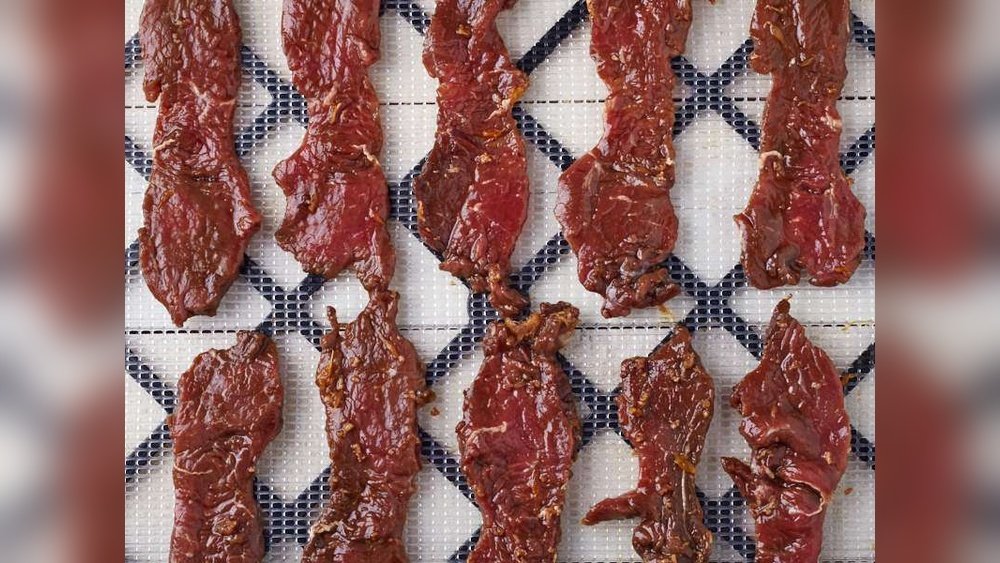
Are you curious about dehydrating meat but worried if it’s safe? You’re not alone.
Preserving meat by drying it can save you money and provide tasty snacks, but it comes with important safety concerns. If you want to enjoy delicious, homemade jerky without risking your health, you need to know the right steps. You’ll discover how to dehydrate meat safely, avoid common mistakes, and keep your food fresh and safe to eat.
Keep reading to learn everything you need to protect yourself and enjoy your dried meat with confidence.
Why Dehydrate Meat
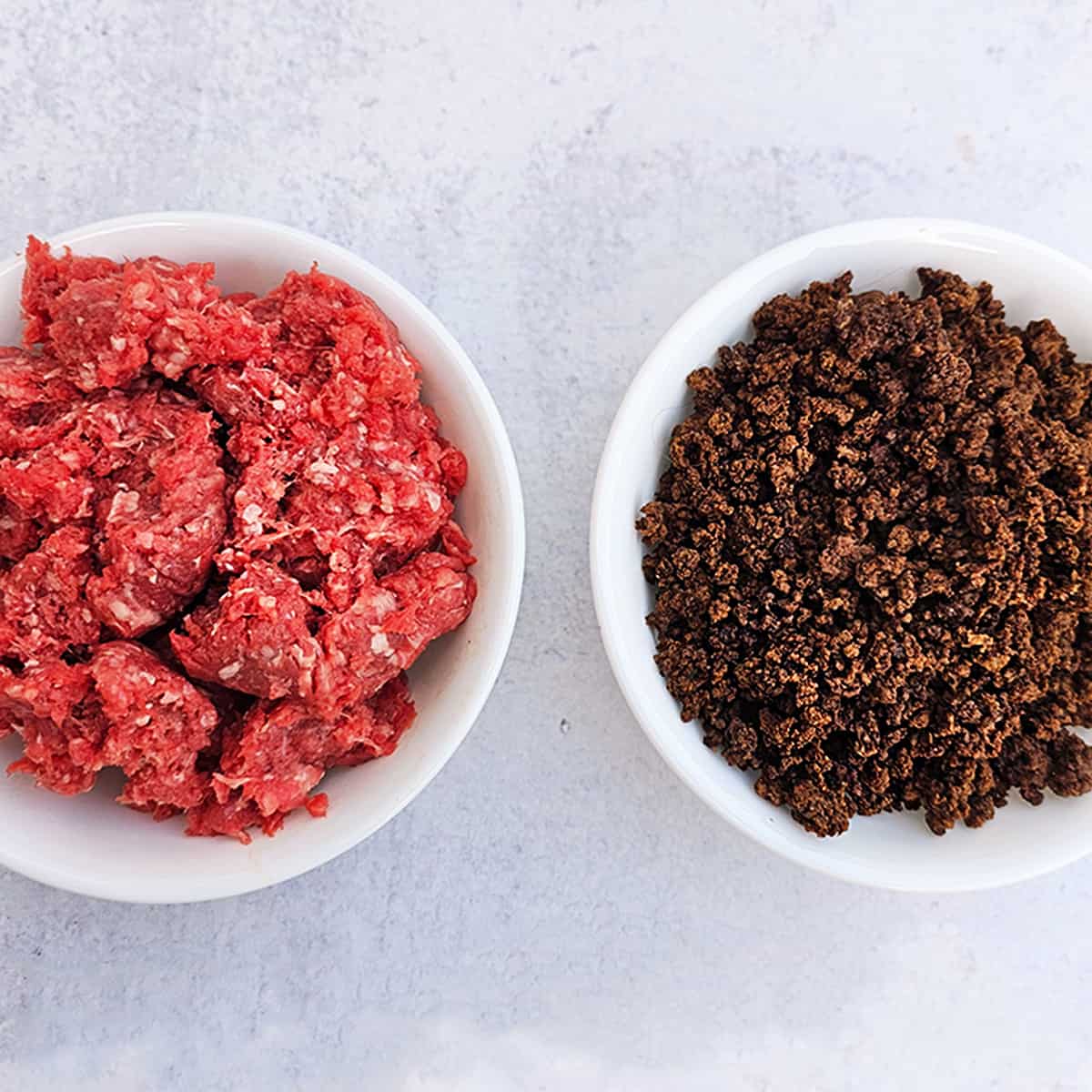
Dehydrating meat is a simple way to preserve it for a long time. Removing moisture stops bacteria from growing. This means the meat lasts longer without refrigeration. It also makes meat lighter and easier to carry.
Dehydrated meat is perfect for snacks, camping, or emergency food supplies. It keeps the flavor and nutrients well. You can make your own jerky with your favorite seasonings. This way, you control the ingredients and avoid additives.
Benefits Of Homemade Jerky
Homemade jerky is fresh and free from preservatives. You choose the cut and seasoning. It costs less than store-bought jerky. You avoid extra sugar, salt, and artificial flavors. Homemade jerky is a healthy snack option. It is high in protein and low in fat. Making jerky at home is fun and easy.
Common Meat Choices
Beef is the most popular meat for dehydrating. It is lean and easy to slice. Turkey and chicken are good for lighter jerky. Venison offers a rich, gamey flavor. Pork can be used but needs careful preparation. Choose lean cuts to avoid spoilage. Trim off fat before drying. This helps jerky stay fresh longer.
Safety First
Dehydrating meat is a great way to make tasty snacks that last longer. Safety is the top priority in this process. Proper steps help avoid foodborne illness and keep your meat fresh and healthy.
Understanding how to choose and handle meat is key. Small mistakes can cause contamination. Follow clear rules to keep your dehydrated meat safe to eat.
Choosing Quality Meat
Start with fresh meat from a trusted source. Look for bright color and firm texture. Avoid meat with bad smell or slimy feel. Fresh meat has fewer bacteria and lasts better during drying.
Proper Meat Handling
Clean hands and tools before touching meat. Cut meat into small, even pieces for fast drying. Keep meat cold until ready to dry. Work quickly to prevent bacteria growth. Use clean surfaces and wash knives often.
Avoiding Contamination
Separate raw meat from other foods. Store meat in sealed containers before drying. Clean dehydrator trays after each use. Dry meat at the correct temperature to kill germs. Do not reuse marinade or juice from raw meat.
Preparation Steps
Preparing meat properly is key to safe dehydration. It helps keep the meat fresh and tasty. Follow these steps to get ready for drying your meat.
Trimming And Slicing Meat
Start by trimming all fat from the meat. Fat can spoil quickly during dehydration.
Cut the meat into thin, even slices. Aim for about 1/4 inch thick. Thin slices dry faster and evenly.
Slice against the grain to make the meat easier to chew. Use a sharp knife for clean cuts.
Marinating For Flavor And Safety
Marinating adds flavor and helps kill bacteria. Use a safe marinade with salt, vinegar, or soy sauce.
Soak the meat in the marinade for at least 4 hours. This improves taste and preserves the meat.
Keep the meat refrigerated while marinating. This prevents harmful bacteria from growing.
Dehydration Techniques
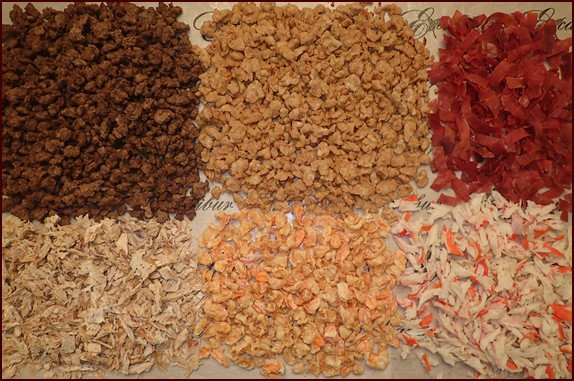
Dehydrating meat is a great way to preserve it for long periods. This process removes moisture, which bacteria need to grow. Several methods exist to dry meat safely. Each technique needs care to keep the meat safe and tasty.
Using A Food Dehydrator
A food dehydrator is a popular choice for drying meat. It circulates warm air evenly around the meat. This helps the meat dry quickly and safely. Place thin, uniform slices on the trays. Keep the pieces apart to allow good airflow. Check the dehydrator’s manual for specific settings for meat.
Oven Drying Tips
You can use a regular oven to dry meat too. Set the oven to a low temperature to avoid cooking. Keep the oven door slightly open to let moisture escape. Use a wire rack to lift the meat off the baking sheet. Turn the meat slices often to dry them evenly. Watch closely to prevent burning or over-drying.
Optimal Temperature And Time
Dry meat best at 140°F to 160°F (60°C to 70°C). This range stops bacteria but does not cook the meat. Drying time varies by thickness and moisture content. Thin slices dry faster, usually 4 to 8 hours. Check the meat for dryness by bending it. It should be dry but still flexible, not brittle.
Checking Meat Doneness
Checking meat doneness is a key step in dehydrating meat safely. It helps ensure the meat is dried properly and free from harmful bacteria. Knowing how to tell if meat is done keeps you safe and improves the final product’s quality.
Texture And Appearance
Dry meat should feel firm but not hard or brittle. It should bend slightly without breaking. The color changes from raw pink or red to a darker brown or gray. There should be no wet or sticky spots on the surface. These signs show the meat is drying evenly and thoroughly.
Internal Temperature Guidelines
Using a meat thermometer is the best way to check doneness. The USDA recommends heating meat to at least 160°F (71°C) before dehydrating. This temperature kills bacteria and makes drying safer. After heating, the meat dries at a low temperature, usually around 130°F (54°C). Always measure the internal temperature before drying to prevent foodborne illness.
Storage Tips
Storing dehydrated meat properly keeps it safe and tasty for longer. Good storage stops moisture and bacteria from spoiling your jerky. Follow simple tips to protect your dried meat.
Packaging Jerky
Use airtight containers or vacuum-sealed bags for packaging jerky. This stops air from making the jerky soft or moldy. Store in small portions to avoid opening the whole batch. Keep jerky away from light and heat to maintain flavor and texture.
Shelf Life And Preservation
Dehydrated meat lasts longer when stored correctly. At room temperature, jerky can stay good for about one to two months. For longer storage, refrigerate or freeze the jerky. Cold storage can extend shelf life up to one year. Always check for strange smells or mold before eating.
Troubleshooting Common Issues
Troubleshooting common issues in meat dehydration helps ensure safe and tasty results. Problems often arise from moisture levels or flavor balance. Fixing these can improve your dried meat’s texture and taste. Understanding these issues saves time and prevents waste.
Dehydrated Meat Too Dry Or Too Moist
Meat that is too dry becomes hard and brittle. It can break apart easily and lose flavor. This happens if dehydration lasts too long or temperature is too high. Check meat often and remove it when it feels leathery but still flexible.
Meat that is too moist can spoil quickly. It may feel soft or sticky, signaling unsafe drying. Moisture traps bacteria and mold, causing bad taste and smell. Use a thermometer to keep drying temperature steady, around 130°F to 160°F (54°C to 71°C).
Flavor Imbalances
Flavor imbalances occur when seasoning is too strong or weak. Over-seasoned meat can taste salty or bitter. Under-seasoned meat may taste bland and dull. Measure spices carefully and try small batches first.
Uneven flavor can happen if spices do not mix well. Toss meat pieces in seasoning evenly before drying. Marinate meat to allow flavors to soak in. This step improves taste and tenderizes meat.

Frequently Asked Questions
Can I Dehydrate Any Type Of Meat Safely?
Yes, most meats like beef, chicken, and turkey can be dehydrated safely. Use lean cuts and remove excess fat for best results. Proper drying and storage prevent spoilage and bacteria growth, ensuring safe consumption.
What Temperature Is Safe For Dehydrating Meat?
Maintain a temperature of 160°F (71°C) or higher during dehydration. This kills harmful bacteria and ensures the meat is fully dried. Use a food dehydrator with temperature control for consistent and safe drying.
How Long Does It Take To Dehydrate Meat Safely?
Dehydration time varies, usually between 4 to 12 hours. It depends on meat thickness, type, and dehydrator settings. Check for dryness and texture to confirm safety and readiness.
Should I Marinate Meat Before Dehydrating?
Marinating meat before dehydrating adds flavor and helps tenderize it. Use safe, acidic marinades and refrigerate during marination. This process does not affect safety if dehydration is done properly.
Conclusion
Dehydrating meat can be safe with the right steps. Clean your tools and use fresh meat. Keep the temperature steady to kill germs. Store dried meat in cool, dry places. Check for any signs of spoilage before eating. This method helps preserve meat for longer times.
Enjoy tasty, homemade dried meat snacks anytime. Stay careful and follow safety tips always.

