
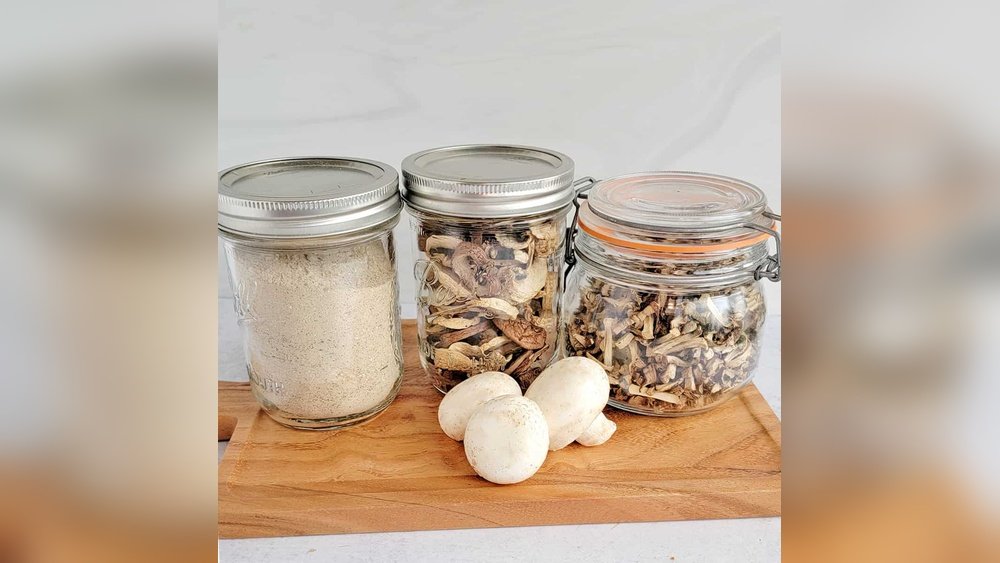
Are you wondering if you can dehydrate mushrooms in a food dehydrator? The answer is yes, and it’s easier than you might think.
Dehydrating mushrooms lets you preserve their flavor and texture, so you can enjoy them long after their fresh shelf life ends. Whether you want to save money, reduce waste, or simply have a handy ingredient ready for your favorite recipes, drying mushrooms at home is a smart move.
Keep reading to discover how you can do it yourself, step-by-step, and unlock the full potential of your food dehydrator.
Benefits Of Dehydrating Mushrooms
Dehydrating mushrooms is a smart way to keep them fresh longer. It helps preserve their taste and nutrients. This process makes mushrooms easier to store and use later. Many people enjoy dehydrated mushrooms for cooking and snacking.
Longer Shelf Life
Drying mushrooms removes moisture. This stops bacteria and mold from growing. Mushrooms can last for months without spoiling. You can store them in a cool, dry place. No need to worry about quick waste.
Enhanced Flavor
Dehydrated mushrooms have a stronger, richer taste. Drying concentrates their natural flavors. This adds depth to soups, sauces, and stews. A little goes a long way in recipes. The flavor boost makes meals more delicious.
Convenient Storage
Dry mushrooms take up less space. They become lightweight and easy to handle. Store them in airtight containers or bags. Perfect for small kitchens or limited space. Ready to use anytime without hassle.
Choosing The Right Mushrooms
Choosing the right mushrooms is key for successful dehydration. Not all mushrooms dry well or taste good after drying. Picking the right type affects texture, flavor, and shelf life. Freshness also plays a big role in the final quality.
Understanding which mushrooms work best helps save time and effort. It also ensures your dried mushrooms have the best flavor and texture for cooking later.
Best Varieties For Dehydrating
Firm mushrooms with low water content dry better. Common choices include button mushrooms, cremini, shiitake, and portobello. These types keep their shape and flavor after drying. Wild mushrooms like chanterelles and morels also dry well. Avoid very soft or watery mushrooms, as they become tough or rubbery.
Freshness Matters
Use fresh mushrooms for best results. Old or slimy mushrooms spoil the taste and texture. Clean mushrooms gently without soaking in water. Dry mushrooms absorb moisture easily, so avoid washing them too much. Fresh mushrooms dry evenly and preserve their natural flavors.
Preparing Mushrooms For Dehydration
Preparing mushrooms for dehydration is an important step. It helps keep their flavor and texture. Proper preparation also makes drying faster and more even.
Clean mushrooms carefully to avoid water soaking. Slice them evenly for consistent drying. Small actions here lead to better results later.
Cleaning Techniques
Use a soft brush or a damp cloth to clean mushrooms. Avoid rinsing them under water. Mushrooms absorb water quickly, which slows drying.
Remove any dirt or debris gently. Check the stems and caps for hidden soil. Clean mushrooms dry faster in the dehydrator.
Slicing Tips
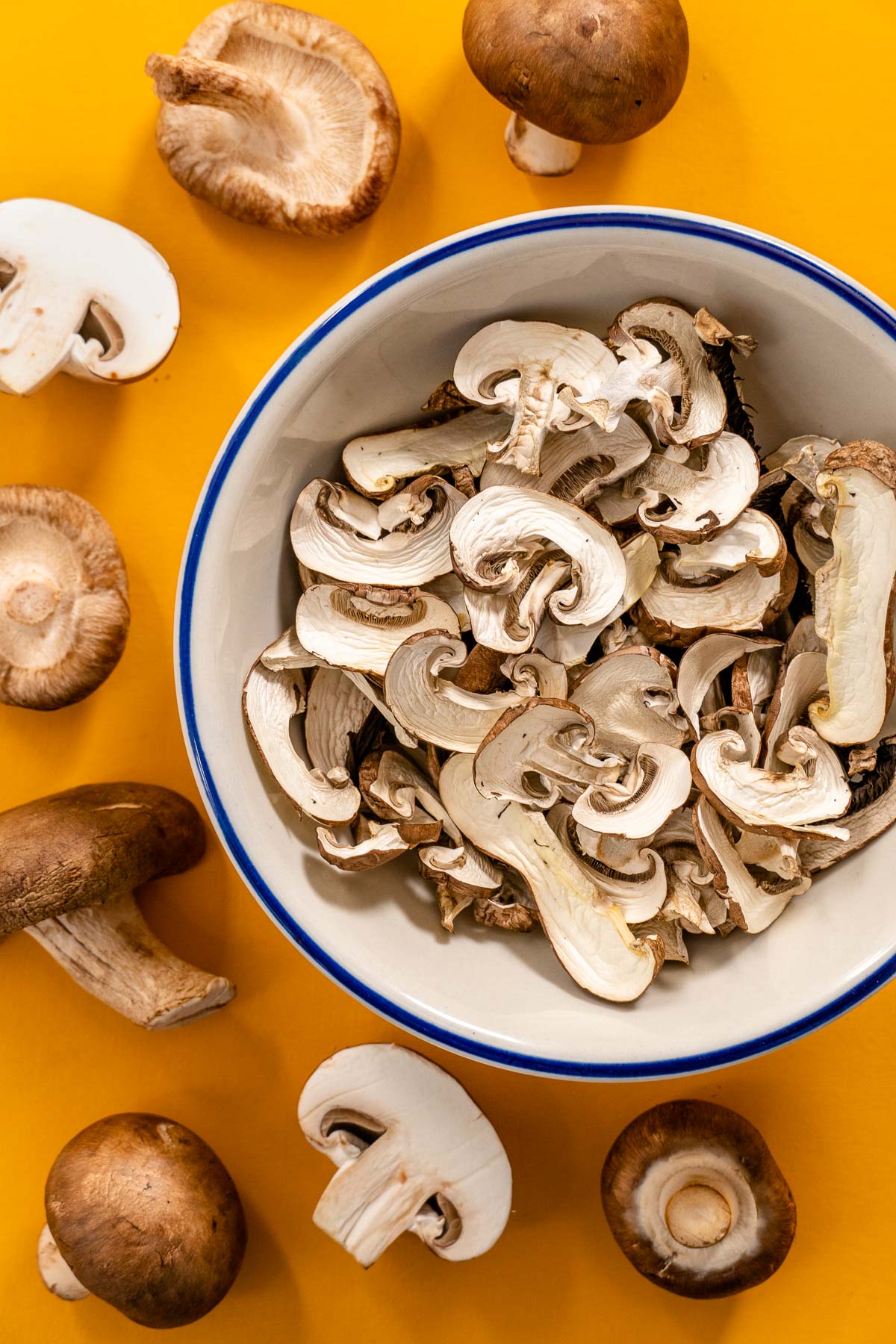
Cut mushrooms into thin, even slices. About 1/4 inch thick works well. Thin slices dry faster and more evenly.
Use a sharp knife to avoid crushing the mushrooms. Consistent size helps all pieces dry at the same speed. Avoid very thick or very thin slices.
Using A Food Dehydrator
Using a food dehydrator is a simple way to dry mushrooms at home. It keeps the mushrooms fresh for a long time. Dehydrated mushrooms are easy to store and use later in cooking. This method saves time and energy compared to air drying.
Setting The Temperature
Set the dehydrator temperature between 110°F and 130°F (43°C and 54°C). This range works best for drying mushrooms evenly. Too high a temperature can cook the mushrooms instead of drying them. Too low a temperature may cause mold growth.
Arranging Mushrooms On Trays
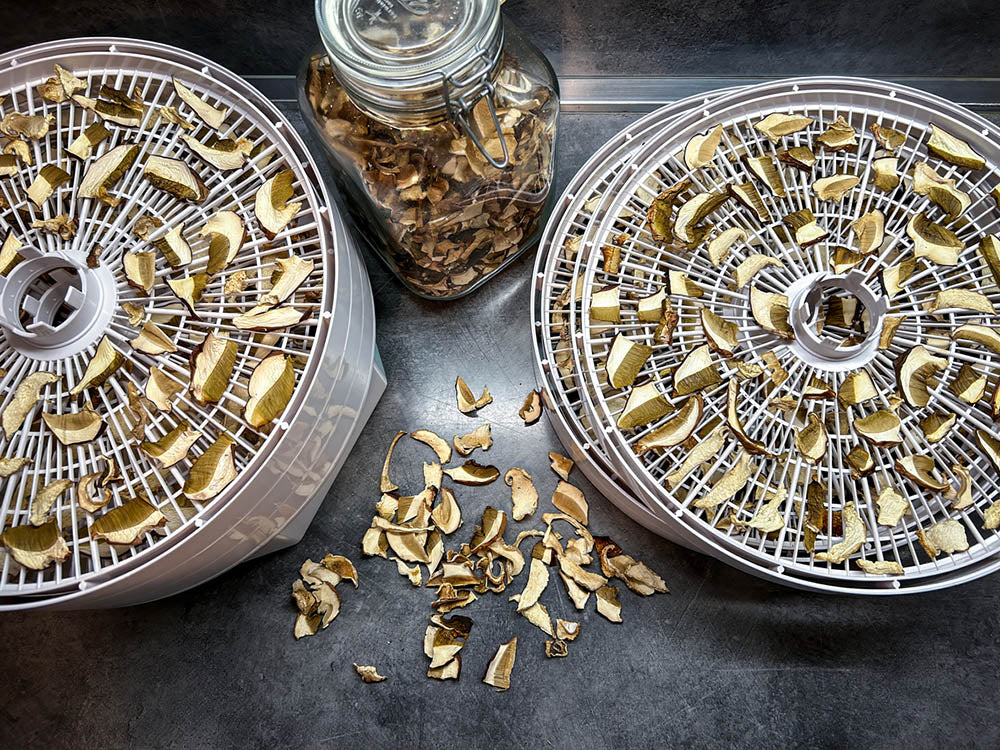
Place mushroom slices in a single layer on the trays. Avoid overlapping or stacking them. Leave space between pieces for air to circulate. Proper arrangement helps mushrooms dry faster and more evenly.
Drying Time Estimates
Drying time depends on mushroom size and thickness. Thin slices usually take 4 to 8 hours. Whole small mushrooms may take 8 to 12 hours. Check mushrooms regularly for dryness. They should feel crisp and break easily.
Storing Dehydrated Mushrooms
Storing dehydrated mushrooms correctly keeps them fresh and flavorful. Proper storage stops moisture, air, and pests from ruining the mushrooms. It also helps keep their taste and nutrients intact for a long time.
Choosing the right container and storage environment plays a big role in preserving dried mushrooms. Small details can extend their shelf life and prevent spoilage.
Ideal Containers
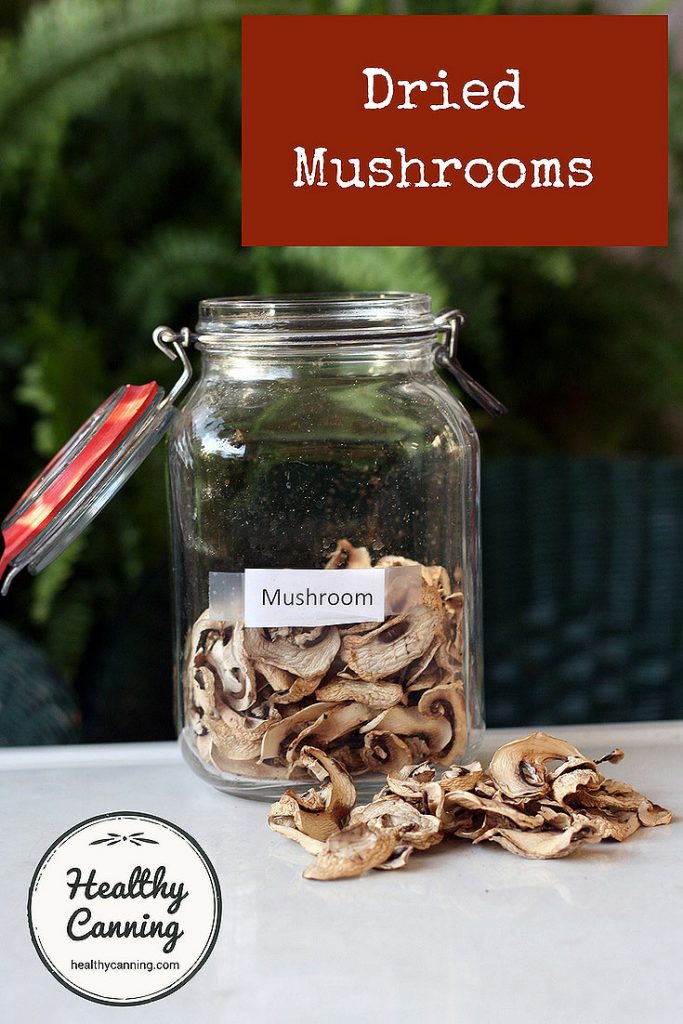
Use airtight containers for storing dried mushrooms. Glass jars with tight lids work very well. Vacuum-sealed bags also keep air out effectively. Avoid plastic bags that are not sealed tightly. Clear containers help check mushrooms without opening them.
Avoiding Moisture
Keep mushrooms away from any moisture or humidity. Store them in a cool, dry place like a pantry or cupboard. Avoid places near the stove or sink where steam is common. Use silica gel packs or dry rice packets to absorb moisture inside containers.
Shelf Life Expectations
Properly stored dried mushrooms last 6 to 12 months. Their flavor and texture remain good during this time. Check mushrooms before use for any signs of mold or softness. If stored poorly, mushrooms can spoil in just a few weeks.
Rehydrating And Cooking
Dehydrating mushrooms preserves their flavor and texture for a long time. To enjoy them fully, rehydrating is essential. This process brings dried mushrooms back to life, making them soft and ready for cooking. Proper rehydration ensures the best taste and texture in your dishes.
Best Methods To Rehydrate
Place dried mushrooms in warm water for 20 to 30 minutes. Use just enough water to cover them. Let them soak until soft and plump. For a stronger flavor, use broth instead of water. After soaking, drain the mushrooms well. Save the soaking liquid to add flavor to soups or sauces. Avoid boiling, as it can make mushrooms tough.
Incorporating Into Recipes
Use rehydrated mushrooms in soups, stews, and stir-fries. Chop or slice them as needed. Add them at the start or middle of cooking. This gives time for flavors to blend well. The soaking liquid can replace some cooking liquid. It adds a rich mushroom taste to your dish. Rehydrated mushrooms work well in pasta, risotto, and casseroles.
Troubleshooting Common Issues
Dehydrating mushrooms in a food dehydrator is simple. Some problems may arise during the process. Troubleshooting these issues helps improve results. Here are common problems and how to fix them.
Mushrooms Not Drying Properly
Uneven drying is common. Slice mushrooms thin and the same size. Spread them out evenly on trays. Avoid stacking pieces. Check the temperature; 125°F to 135°F is ideal. Drying takes 4 to 8 hours. Rotate trays halfway to ensure even airflow. If mushrooms feel soft, continue drying.
Mold Prevention
Mold grows if moisture remains. Dry mushrooms fully before storing. Use airtight containers to keep out humidity. Store in a cool, dark place. Avoid plastic bags unless fully sealed. Clean dehydrator trays before use. Good airflow during drying stops mold growth.
Maintaining Texture
Texture changes if mushrooms are over or under dried. Aim for leathery or crispy texture. Over-drying makes them too brittle. Under-drying leaves them chewy and prone to spoil. Cool mushrooms completely before storing. Rehydrate properly to keep texture when cooking.
Expert Tips For Perfect Results
Dehydrating mushrooms in a food dehydrator can be simple and rewarding. Getting perfect results needs some care and attention. Follow expert tips to ensure your mushrooms dry evenly and taste great.
Batch Size Advice
Do not overload the dehydrator trays. Spread mushrooms in a single layer for even drying. Small batches dry faster and more evenly. Crowded trays cause uneven drying and longer times. Dry mushrooms in smaller amounts for best results.
Temperature Control
Set the dehydrator to 110°F to 130°F (43°C to 54°C). Higher temperatures can cook mushrooms instead of drying them. Low heat keeps flavor and texture intact. Check mushrooms regularly to avoid over-drying or burning.
Post-dehydration Handling
Let mushrooms cool before storing. Store in airtight containers to keep moisture out. Keep containers in a cool, dark place. Proper storage extends shelf life and preserves flavor. Check for any moisture before sealing containers.
Frequently Asked Questions
Can I Dehydrate All Types Of Mushrooms?
Yes, most mushrooms like button, shiitake, and portobello can be dehydrated. Avoid very watery types as they dry unevenly.
How Long Does It Take To Dehydrate Mushrooms?
Dehydrating mushrooms usually takes 4 to 8 hours at 125°F (52°C). Time varies by thickness and moisture content.
Should I Slice Mushrooms Before Dehydrating?
Slicing mushrooms evenly helps them dry faster and more uniformly. Aim for ¼-inch thick slices for best results.
How Do I Store Dehydrated Mushrooms Properly?
Store dried mushrooms in an airtight container in a cool, dark place. Proper storage keeps them fresh for months.
Conclusion
Dehydrating mushrooms in a food dehydrator works well and saves time. It keeps mushrooms fresh for months without losing flavor. Just slice them thin and dry at the right temperature. This method also makes mushrooms easy to store and use later.
Dehydrated mushrooms can add taste to many dishes. Try this simple way to enjoy mushrooms longer. It’s a smart choice for anyone who cooks often. Give it a go and see how easy it is.

