
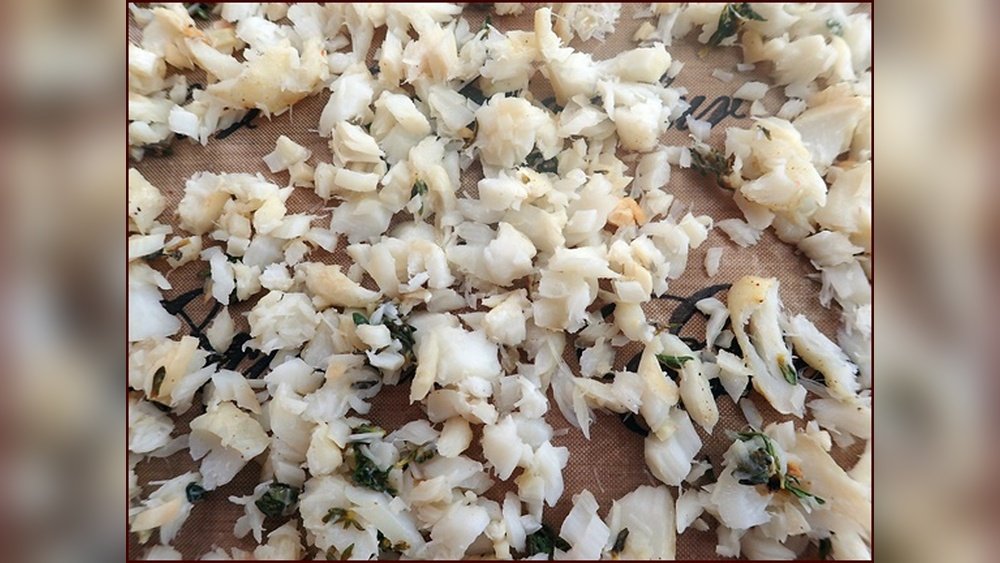
Are you curious about turning your fresh seafood into a tasty, long-lasting snack? Dehydrating seafood in a food dehydrator might be the answer you’re looking for.
But is it really possible, and is it safe? If you’ve ever wondered how to preserve your favorite fish or shrimp without losing flavor, this article will guide you step-by-step. Keep reading to discover everything you need to know about dehydrating seafood at home, so you can enjoy delicious, shelf-stable treats anytime.
Benefits Of Dehydrating Seafood
Dehydrating seafood offers many benefits that make it a smart choice. It helps preserve the seafood and keeps it usable for a long time. The process also changes the taste and texture, making it more interesting. Plus, dried seafood is easy to carry and store. These advantages make dehydrating seafood popular among many people.
Longer Shelf Life
Removing moisture from seafood stops bacteria growth. This means the seafood lasts much longer than fresh or frozen types. You can keep dried seafood for months without losing quality. This helps reduce food waste and saves money.
Enhanced Flavor
Dehydrating seafood concentrates its natural taste. The drying process makes flavors richer and stronger. Many people enjoy the intense seafood flavor in dried form. It also adds a unique texture that is different from fresh seafood.
Portable And Convenient
Dried seafood is lightweight and easy to pack. It does not need refrigeration, so you can take it anywhere. This makes it perfect for camping, hiking, or quick snacks. You get a healthy and tasty protein source on the go.

Best Seafood For Dehydration
Choosing the right seafood is important for dehydration. Some types dry better than others. Texture, fat content, and flavor affect the drying process. Picking suitable seafood helps preserve taste and quality.
Seafood with low fat and firm flesh works best. These types dry evenly and last longer. Soft or oily seafood can spoil or become chewy. Knowing which seafood to use makes a big difference.
Fish Varieties
Lean fish like cod, haddock, and pollock are good choices. They have firm flesh that dries well. Tuna and salmon can also work if trimmed of fat. Slice fish thinly for faster and even drying. Avoid very thick pieces to prevent moisture inside.
Shellfish Options
Shrimp and scallops are popular for dehydration. Remove shells and tails before drying. Clams and mussels can dry but need careful cleaning. Dry shellfish at lower temperatures to keep texture. Proper preparation helps avoid spoilage during drying.
Avoiding High-fat Seafood
Fatty seafood like mackerel, trout, and sardines do not dry well. Fat can turn rancid and spoil quickly. This affects taste and shelf life. Removing visible fat helps but might not be enough. Choose lean cuts to get the best dehydrated result.
Preparing Seafood For Dehydration
Proper preparation of seafood is key to good dehydration results. It helps keep the flavor and texture right. Clean seafood reduces the risk of spoilage. Preparing also helps the drying process go faster and more even.
Careful handling preserves the seafood’s quality. Each step matters, from cleaning to cutting. Follow simple steps to get the best dried seafood.
Cleaning And Filleting
Start by rinsing the seafood in cold water. Remove any scales, shells, or bones. Use a sharp knife to fillet the fish. Cut away skin if you want a softer texture. Make sure to remove all blood and guts. Clean fish dries better and lasts longer.
Marinating And Seasoning
Marinate seafood for added flavor before drying. Use simple ingredients like salt, lemon juice, or soy sauce. Avoid too much liquid or thick sauces. Keep the marinade short, about 30 minutes to an hour. Seasoning boosts taste but does not keep seafood fresh.
Cutting Techniques
Slice seafood into thin, even pieces. Thin slices dry faster and more evenly. Aim for about 1/4 inch thick cuts. Cut against the grain for tender bites. Avoid very thick pieces, which take longer to dry. Consistent size helps prevent uneven drying.
Optimal Dehydrator Settings
Setting your food dehydrator properly is key to drying seafood safely and effectively. The right temperature, drying time, and airflow help keep the seafood fresh and tasty. Each factor plays a role in removing moisture without cooking or spoiling the food.
Knowing these settings helps avoid common mistakes like under-drying or over-drying. It also ensures the seafood keeps well for a long time. Let’s explore the best settings for seafood dehydration.
Temperature Guidelines
Seafood needs a warm but gentle drying temperature. Set your dehydrator between 130°F and 145°F (54°C to 63°C). This range kills bacteria and dries the fish safely. Too low a temperature can cause spoilage. Too high can cook the seafood instead of drying it.
Drying Time Estimates
Drying time varies by seafood type and thickness. Thin fish slices may take 4 to 8 hours. Thicker cuts or shellfish can require 10 to 16 hours. Check the texture often. Seafood should feel dry and firm but still slightly flexible. Avoid over-drying, which makes it brittle and tasteless.
Using Fan And Airflow
Good airflow helps remove moisture quickly. Most dehydrators have built-in fans that push air evenly. Place seafood in a single layer. Leave space between pieces for air to circulate. Avoid stacking or overcrowding. Proper airflow speeds drying and prevents mold growth.
Safety Tips And Storage
Dehydrating seafood requires extra care for safety and proper storage. Seafood can spoil quickly if not handled right. Drying seafood lowers moisture but does not kill all bacteria. Follow safety tips to keep your dried seafood safe and tasty. Proper storage also keeps it fresh longer. Let’s explore how to prevent spoilage, package correctly, and understand shelf life.
Preventing Spoilage
Always start with fresh seafood. Clean it well to remove dirt and bacteria. Dry seafood at the correct temperature, usually around 130°F (54°C). Avoid drying too fast or too slow. Check seafood for signs of spoilage before and after drying. Smell and look for changes in color or texture. Store dried seafood in a cool, dry place. Avoid moisture and heat that cause mold and bacteria growth.
Proper Packaging
Use airtight containers or vacuum-sealed bags for dried seafood. This keeps air and moisture out. Store packages in a dark place to protect from light. Label each package with the drying date. Avoid plastic bags that can trap moisture. Glass jars or heavy-duty plastic containers work best. Keep packages small to avoid opening large amounts at once. This helps keep the rest fresh longer.
Shelf Life Expectations
Dried seafood lasts longer than fresh but still has limits. Properly dried and stored seafood can last 6 months to 1 year. Store in the refrigerator or freezer for even longer shelf life. Check stored seafood regularly for signs of spoilage. Use older packages first to avoid waste. Keep seafood dry and sealed to maintain quality and safety.
Creative Ways To Use Dehydrated Seafood
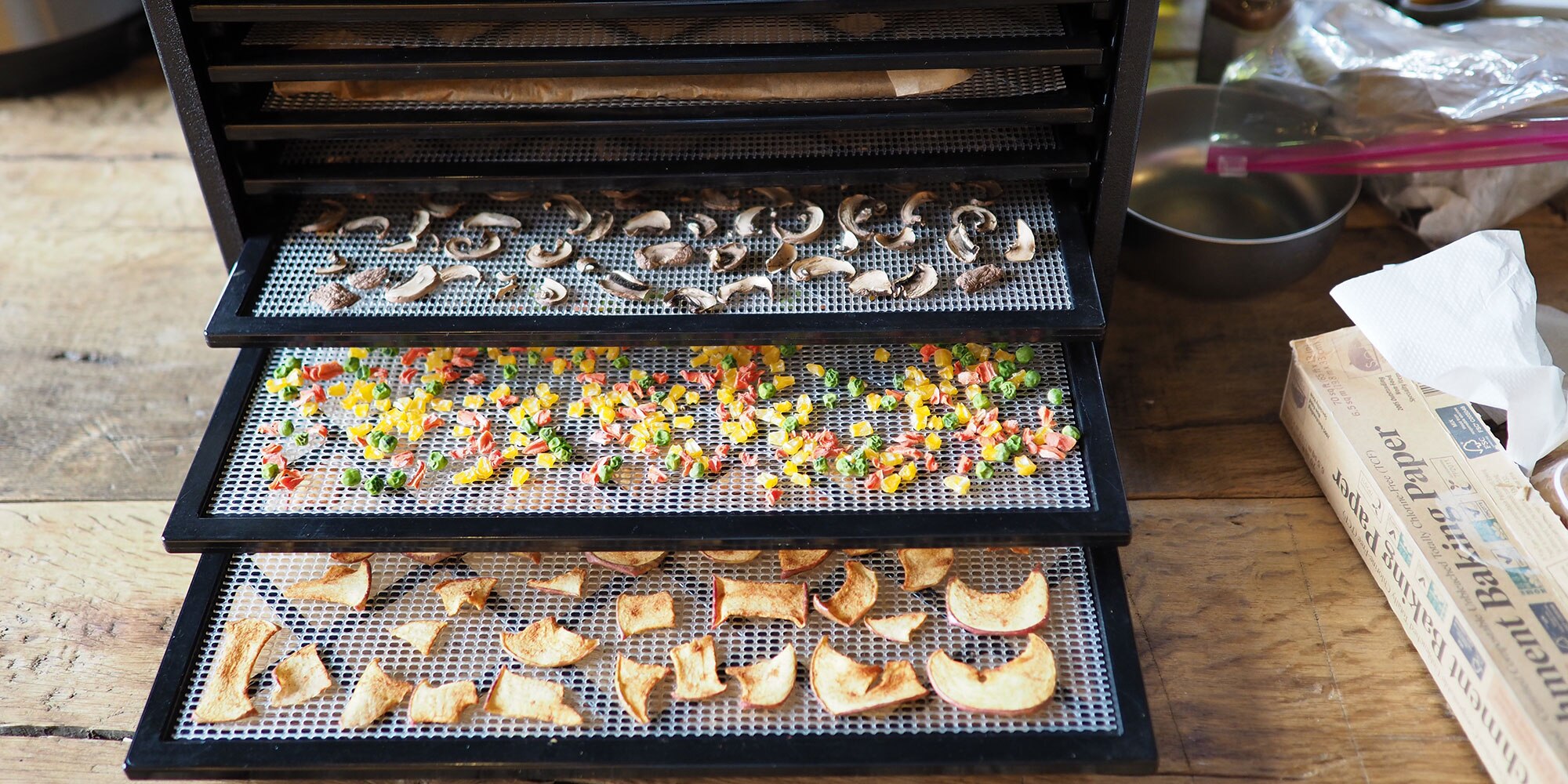
Dehydrated seafood offers a world of tasty possibilities. It keeps well and delivers strong flavors. You can use it in many creative ways. These ideas make your meals exciting and different.
Snack Ideas
Dehydrated seafood makes a great snack on its own. It is light and easy to carry. Try dried shrimp or fish chips for a crunchy treat. They satisfy hunger quickly and are full of protein. Mix with nuts or seeds for a trail mix boost.
Cooking With Rehydrated Seafood
Soak dehydrated seafood in water to bring it back to life. Use it in soups and stews to add rich flavor. It blends well in pasta sauces or rice dishes. The seafood absorbs liquids and becomes tender. A perfect way to add taste without fresh fish.
Incorporating Into Meals
Sprinkle crushed dehydrated seafood over salads for a salty crunch. Add it to omelets or scrambled eggs to boost flavor. Use it in casseroles or baked dishes as a protein addition. It enriches the meal without extra effort. A smart way to enjoy seafood every day.
Frequently Asked Questions
Can I Safely Dehydrate Seafood At Home?
Yes, you can safely dehydrate seafood at home using a food dehydrator. Ensure the seafood is fresh and properly cleaned. Pre-freeze or cook it to eliminate bacteria. Follow recommended drying times and temperatures for safety and best results.
What Types Of Seafood Can Be Dehydrated?
You can dehydrate fish like salmon, tuna, and cod. Shellfish such as shrimp and squid are also suitable. Choose lean seafood, as oily types may spoil quickly during dehydration. Proper preparation and drying are key for good texture and flavor.
How Long Does Seafood Take To Dehydrate?
Seafood typically takes 6 to 12 hours to dehydrate. Drying time depends on thickness, moisture content, and dehydrator settings. Check periodically to avoid over-drying or under-drying. Properly dried seafood should be firm and brittle but not burnt.
Do I Need To Season Seafood Before Dehydrating?
Seasoning before dehydrating is optional but recommended. Use salt, spices, or marinades to enhance flavor. Avoid watery marinades as they increase drying time. Seasoning also helps preserve seafood and improve taste when rehydrated or eaten as jerky.
Conclusion
Dehydrating seafood in a food dehydrator is a safe and effective way to preserve it. You control the drying time and temperature for best results. Dried seafood keeps well and is easy to store. It also makes a handy snack or ingredient for meals.
Try small batches first to find what works best. With patience, you can enjoy tasty, shelf-stable seafood anytime. Give it a try and see how simple it can be.

