
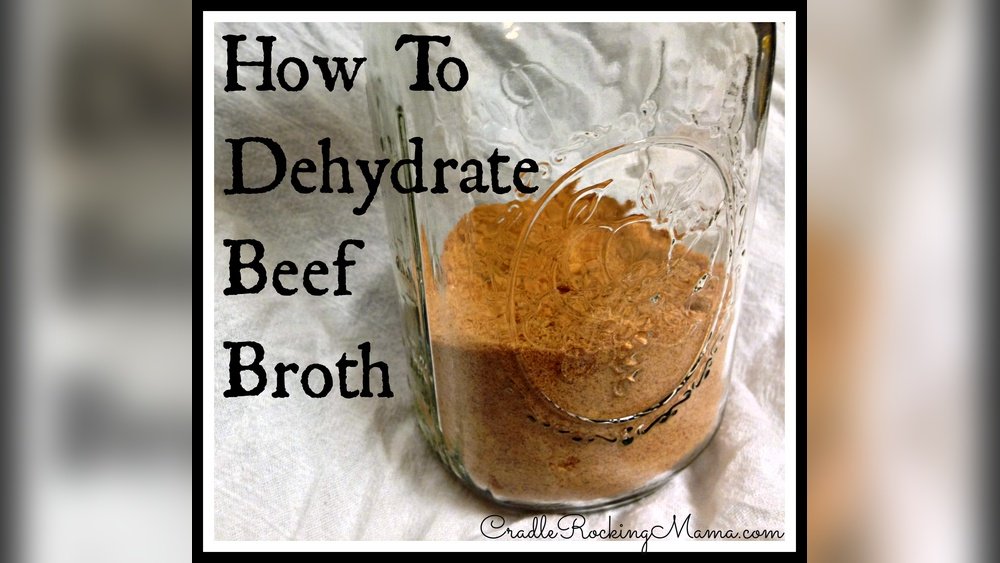
Have you ever wondered if you can turn your favorite soups or liquids into handy powders? Imagine having your go-to meal ready in a quick, lightweight form that lasts for months.
If you’re looking to save space, reduce waste, or make meal prep easier, dehydrating soups and liquids might be the game-changer you need. You’ll discover how to do it safely and effectively, so you can enjoy delicious flavors anytime without the hassle.
Keep reading to unlock simple steps and expert tips that will transform the way you store and enjoy your meals.

Benefits Of Dehydrating Soups
Dehydrating soups turns them into powder form. This process offers many useful benefits. It changes how you store, carry, and use soups. Drying liquids like soups is practical for everyday use and special needs.
Here are some key benefits of dehydrating soups.
Extended Shelf Life
Dehydrating removes moisture, which causes food to spoil. Without water, bacteria and mold cannot grow easily. This means soups last much longer. You can keep powdered soup for months or even years. It reduces food waste and saves money in the long run.
Convenience And Portability
Powdered soup is lightweight and small. It takes up less space in bags and cupboards. You can carry it on trips, hikes, or camping. Just add water to enjoy a warm meal anytime. No need to carry heavy cans or jars. It makes meal prep fast and simple.
Cost Savings
Dehydrating soups at home can save money. Buying fresh ingredients in bulk costs less. Homemade soup powder avoids expensive ready-made products. You also reduce waste by storing extra soup. It helps stretch your food budget effectively.

Choosing Soups For Dehydration
Choosing the right soup for dehydration is important. Not all soups dry well or turn into good powders. Some soups lose flavor or texture during the process. Careful selection makes a better final product. This section explains which soups work best.
Best Soup Types
Broth-based soups work great for dehydration. Clear soups with vegetables and lean meats dry well. Vegetable soups without cream or heavy starches also do well. These soups keep their flavor and rehydrate easily. Avoid thick or chunky soups for better results.
Avoiding High-fat Soups
Soups with a lot of fat do not dehydrate well. Fat does not dry and can go rancid over time. Creamy soups and chowders are hard to turn into powder. Low-fat soups give better shelf life and taste after drying. Choose soups with little or no oil or cream.
Adjusting Ingredients
Remove or reduce ingredients that hold too much water. Pasta, rice, and potatoes swell and stay soft after drying. Cut down on these for easier dehydration. Use finely chopped vegetables for even drying. Season lightly to keep flavors balanced after rehydrating.
Dehydration Methods
Drying soups and liquids into powders helps store them longer and save space. Different methods work best for different types of liquids. Choosing the right method affects taste, texture, and shelf life. Here are common dehydration methods to try at home.
Using A Food Dehydrator
A food dehydrator uses low heat and air circulation. Spread the soup thinly on trays to dry evenly. Stir the soup regularly to avoid clumps. This method takes several hours but keeps flavors strong. Once dry, grind the pieces into powder for storage.
Oven Drying Techniques
Oven drying uses your kitchen oven at low temperatures. Pour the soup on a baking sheet lined with parchment paper. Set the oven to the lowest temperature, around 140°F (60°C). Leave the door slightly open for airflow. Check and stir every 30 minutes to prevent burning. After drying, crush the dried soup into powder.
Freeze Drying Options
Freeze drying removes moisture by freezing the liquid first. It uses a machine that creates a vacuum to dry the frozen soup. This method keeps nutrients and flavor very well. Freeze-dried soup powders rehydrate quickly. Though freeze drying needs special equipment, it produces high-quality powder.
Preparing Soups For Dehydration
Preparing soups for dehydration is an important step to get good results. The soup needs to be ready for the drying process. This means removing large pieces and making the texture smooth. Proper preparation helps the soup dry evenly and turn into powder easily.
Straining Solids
Start by removing big pieces like vegetables, meat, or noodles. Use a fine mesh strainer or sieve. This creates a smoother liquid that dries faster. Solids can stay wet longer and may not dry well. Straining makes the soup easier to turn into powder later.
Pureeing For Consistency
Next, blend the soup to make it smooth. Use a blender or food processor. Pureeing helps create a uniform texture. It also speeds up drying. Thick or chunky soups take longer to dry. Smooth soups spread thin and dry evenly.
Spreading Thin For Drying
Spread the pureed soup thinly on drying trays. Use parchment paper or a silicone mat. Thin layers dry faster and avoid clumps. Thick layers stay moist and take longer to dehydrate. Even spreading ensures consistent drying and better powder quality.
Converting Dried Soup Into Powder
Converting dried soup into powder is a great way to save space and extend shelf life. It makes storing and using soup easier. Powdered soup also cooks quickly and mixes well with water for a fast meal.
Start with fully dried soup. Make sure no moisture remains. This prevents clumps and spoilage. The dried pieces should be brittle and crumbly.
Grinding Techniques
Use a blender, food processor, or spice grinder to grind the dried soup. Pulse in short bursts for even texture. Aim for a fine, powdery consistency. Avoid overheating, which can change flavor. Sift the powder to remove larger bits for smoothness.
Storage Tips For Powder
Store the soup powder in an airtight container. Keep it in a cool, dry place away from sunlight. Use moisture absorbers like silica gel packets to stay dry. Label the container with the date for freshness. Proper storage keeps flavor and quality longer.
Rehydration Instructions
Mix the soup powder with hot water. Stir well until fully dissolved. Use about 1 to 2 tablespoons of powder per cup of water. Adjust water amount for desired thickness. Heat the mixture briefly to enhance flavor before serving.
Common Challenges And Solutions
Dehydrating soups or liquids into powders has many benefits. It saves space and extends shelf life. Yet, some common challenges arise during this process. These challenges affect texture, taste, and safety. Understanding solutions helps create better powdered soups. Here are the main challenges and ways to solve them.
Preventing Clumping
Clumping happens when powder particles stick together. Moisture in the air causes this problem. To prevent clumping, store powders in airtight containers. Use silica gel packets or other moisture absorbers inside storage. Also, add anti-caking agents like cornstarch or rice flour to the powder. These keep particles separate and flowing freely. Proper drying before storage reduces moisture, too.
Maintaining Flavor
Flavor loss is a common issue with dehydrated soups. Heat and air exposure cause flavors to fade. To keep flavor strong, dry soup at low temperatures. Avoid over-drying, which can burn or change taste. Store powder away from sunlight and heat sources. Vacuum sealing also protects flavor by limiting air contact. Using natural flavor enhancers like herbs can help keep taste vibrant.
Avoiding Mold And Spoilage
Mold grows when moisture remains in the powder. Spoilage also occurs if powders are not stored well. Ensure soup is fully dried before grinding into powder. Store in cool, dry places to prevent moisture buildup. Use airtight containers to block air and humidity. Regularly check powder for signs of mold or off smells. Proper storage extends shelf life and keeps powder safe.

Frequently Asked Questions
Can Soups Be Dehydrated Into Powder Form?
Yes, soups can be dehydrated into powder using a food dehydrator or oven. Removing moisture extends shelf life and concentrates flavors.
What Is The Best Method To Dehydrate Liquids?
Freeze-drying and dehydrating with low heat are effective methods. Both preserve flavor and nutrients while removing moisture efficiently.
How To Store Dehydrated Soup Powders Properly?
Store in airtight containers away from heat, light, and moisture. Proper storage maintains flavor, texture, and shelf life for months.
Can Dehydrated Soup Powders Be Rehydrated Easily?
Yes, simply add hot water to the powder and stir. The soup will return to a near-original consistency quickly.
Conclusion
Dehydrating soups or liquids into powders is possible and practical. It saves space and makes storage easier. Powdered soups last longer without losing flavor. You can rehydrate them quickly when needed. Just ensure proper drying to avoid clumps or spoilage.
Experiment with small batches to get the best results. This method works well for meal prep and camping trips. Try dehydrating at home and enjoy simple, tasty meals anytime.

