
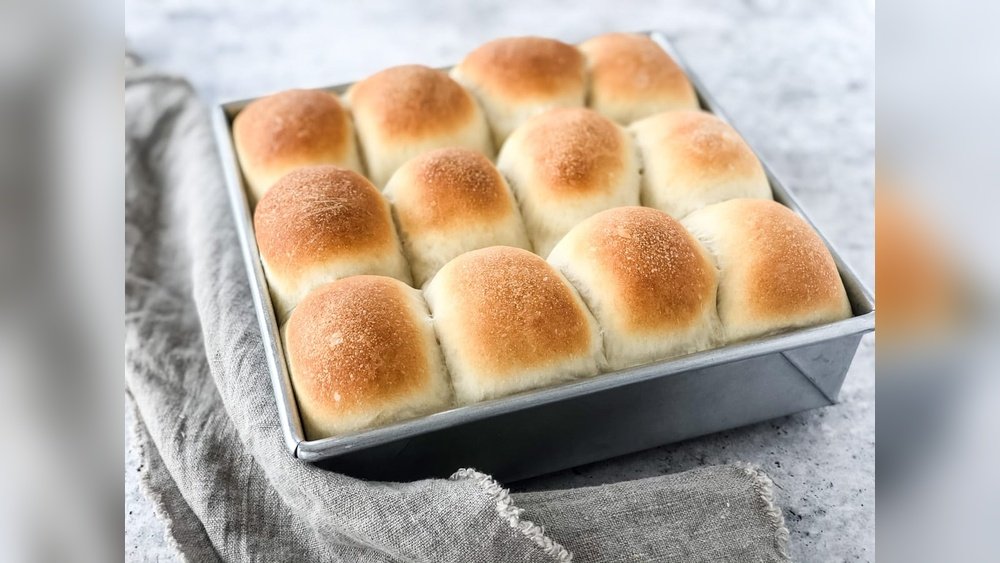
Have you ever wondered if you can make soft, delicious bread rolls or buns right at home using your bread maker? If you love fresh bread but find shaping and baking rolls a bit tricky, you’re not alone.
What if your bread maker could do all the hard work for you, giving you warm, fluffy rolls with minimal effort? You’ll discover exactly how to use your bread maker to create perfect bread rolls or buns that will impress your family and friends.
Keep reading, and you’ll soon be enjoying bakery-quality rolls straight from your kitchen!
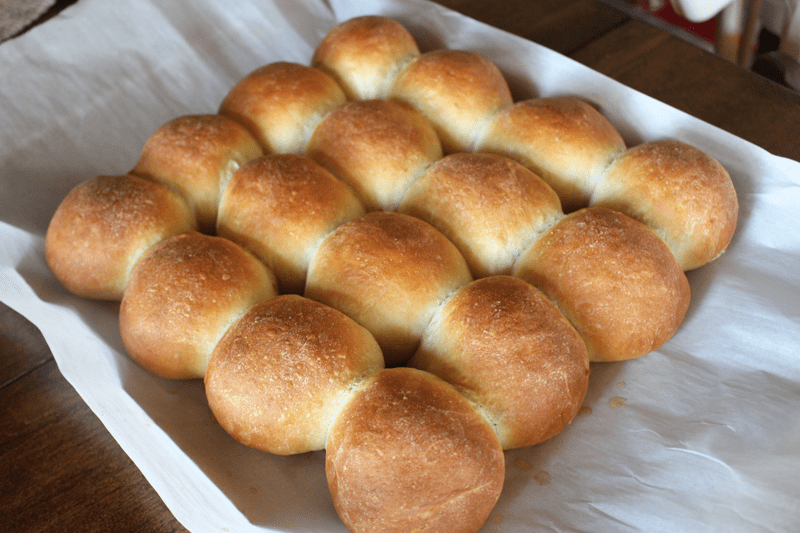
Bread Makers And Bread Rolls
Bread makers are popular kitchen tools for making fresh bread at home. Many people wonder if these machines can make bread rolls or buns. The answer is yes, but there are some details to know. Bread makers can help create soft, fluffy rolls with less effort.
Understanding how bread makers work helps in making different types of bread rolls. The dough mixes, rises, and bakes inside the machine. This process saves time and keeps the kitchen clean.
Bread Maker Basics
Bread makers mix ingredients automatically. They knead the dough, let it rise, and bake it. Most machines have settings for different bread types. Some settings are for basic bread, whole wheat, or gluten-free dough.
Making rolls requires shaping the dough after the first rise. You shape small balls and place them in the machine or oven. Some bread makers have a dough cycle only. This cycle prepares dough without baking.
After the dough cycle, you remove the dough and shape it. Then, let it rise again before baking in the oven. This method gives more control over the size and shape of rolls.
Types Of Bread Rolls And Buns
There are many kinds of bread rolls and buns. Soft dinner rolls are popular for meals. Hamburger buns need a light, airy texture to hold fillings. Hot dog buns are longer and soft.
Some rolls use enriched dough with milk, butter, and eggs. This dough makes bread soft and rich. Others use basic dough for crusty rolls with a chewy inside.
Bread makers can handle most dough types. Adjusting ingredients slightly helps fit the machine’s capacity. Experimenting with recipes is key to perfect rolls.
Ingredients For Soft Rolls
Soft bread rolls need the right ingredients for the best texture and taste. Each ingredient plays a key role in making rolls light and fluffy. Understanding these helps you bake perfect rolls in a bread maker.
Choosing the right flour, yeast, and flavorings makes all the difference. These basics create the soft crumb and golden crust that everyone loves.
Flour Choices
Use bread flour for soft rolls with good structure. It has more protein, which helps gluten develop. All-purpose flour works too but makes slightly less chewy rolls. Avoid whole wheat flour alone; it makes rolls dense. Mixing whole wheat with bread flour can add flavor without losing softness.
Yeast And Rising Agents
Active dry yeast or instant yeast are best for bread makers. They help the dough rise well and create air pockets. Use the right amount to avoid dense rolls. Baking powder or baking soda is not suitable for yeast rolls. Let the yeast do its job for soft, fluffy results.
Additional Flavorings
Milk, butter, and sugar make rolls tender and sweet. Milk adds moisture and a soft crumb. Butter gives richness and flavor. Sugar feeds the yeast and adds a light sweetness. Salt balances the taste and controls yeast growth. Simple ingredients create delicious, soft rolls every time.
Step-by-step Bread Roll Recipe
Making bread rolls or buns in a bread maker is simple and fun. This step-by-step recipe helps you prepare soft, fresh rolls at home. Follow each step carefully for the best results. You will enjoy warm bread rolls in no time.
Preparing The Dough
Start by measuring the ingredients. Use bread flour, sugar, salt, yeast, water, and butter. Add them to the bread maker pan in the order your machine requires. Use fresh yeast for better rise. Make sure the water is warm, not hot. This helps the yeast activate properly.
Using The Bread Maker Settings
Choose the dough setting on your bread maker. This setting mixes and kneads the dough without baking it. The machine will also allow the dough to rise. Wait until the cycle finishes before removing the dough. This process usually takes one to two hours.
Shaping Rolls And Buns
After the dough is ready, take it out carefully. Place it on a floured surface. Divide the dough into equal pieces. Shape each piece into a round ball or bun shape. Put them on a baking tray with some space between. Let them rest and rise for 30 minutes. Bake in a hot oven until golden brown.
Tips For Perfect Texture
Getting the perfect texture for bread rolls or buns in a bread maker needs some careful steps. Texture means how soft, fluffy, or chewy your bread feels. Small changes can make a big difference in the final result.
Adjusting Ingredients
Use the right amount of flour. Too much flour makes bread hard. Too little makes it sticky. Add fats like butter or oil for softness. Use fresh yeast for good rise. Sugar helps with browning and taste, but don’t add too much.
Controlling Dough Consistency
The dough should be smooth and elastic. It should not stick too much to your hands or the bread maker. If the dough feels dry, add a little water. If it’s too wet, add a bit of flour. Proper dough consistency helps bread rise well and stay soft.
Baking Time And Temperature
Set your bread maker to the correct baking time for rolls or buns. Too short baking leaves dough inside. Too long makes bread dry. The right temperature creates a golden crust and soft inside. Follow your bread maker’s instructions closely for best results.
Creative Variations
Bread makers are not just for plain bread. They offer a fun way to try different bread rolls and buns. Experimenting with recipes can bring new flavors to your table. Creative variations make baking more exciting and tasty.
Sweet Rolls And Buns
Sweet rolls are a popular choice for bread makers. Use ingredients like cinnamon, sugar, and raisins. Add a glaze or icing after baking for extra sweetness. Try chocolate chips or dried fruits for a unique twist. Sweet buns can be a delightful breakfast or snack.
Savory Options
Savory buns offer a great alternative to sweet ones. Add herbs like rosemary or thyme to the dough. Mix in cheese or garlic for richer flavor. You can also add chopped olives or sun-dried tomatoes. These buns pair well with soups and salads.
Adding Seeds And Toppings
Seeds and toppings add crunch and nutrition to bread rolls. Sprinkle sesame, poppy, or sunflower seeds on top before baking. Try oats or coarse salt for different textures. Toppings enhance both taste and appearance of your buns. They make homemade bread look bakery-style.

Troubleshooting Common Issues
Making bread rolls or buns in a bread maker can be easy and fun. Yet, sometimes problems happen. Knowing how to fix common issues helps you bake better rolls every time. Here are some typical problems and simple ways to solve them.
Dense Or Heavy Rolls
Dense rolls often mean not enough air in the dough. Use fresh yeast and check the amount carefully. Too much flour can also make dough heavy. Measure ingredients with a kitchen scale for accuracy. Overmixing the dough can cause dense texture too. Let the machine knead the dough properly but avoid extra mixing.
Uneven Baking
Uneven baking shows as burnt edges or raw middle. Check the bread maker’s baking pan placement. Make sure the dough is spread evenly in the pan. Some machines have hot spots; rotate the pan halfway if possible. Avoid opening the lid during baking; this can cause temperature drops. Use the right baking program for rolls or buns.
Dough Not Rising
Dough that does not rise usually means yeast is inactive. Yeast dies if water is too hot or too cold. Water should be warm, about 100°F (38°C). Store yeast in a cool, dry place. Check expiration dates before use. Also, avoid adding salt directly on yeast as it can kill it. Give dough enough time to rise in the bread maker.
Storing And Serving Bread Rolls
Storing and serving bread rolls properly keeps them fresh and tasty. Fresh bread rolls have a soft texture and a nice smell. Storing them the right way helps keep their softness and flavor for longer. Serving them with the right foods makes meals more enjoyable. Here are some easy tips to store and serve bread rolls made in a bread maker.
Best Storage Practices
Cool bread rolls completely before storing. Warm rolls create moisture, making bread soggy. Use a paper bag or cloth bag for short storage. For longer storage, place rolls in a sealed plastic bag. Store at room temperature, away from sunlight. Avoid storing bread rolls in the fridge. It dries them out and makes them hard. Freeze rolls if you want to keep them for weeks. Wrap them tightly in plastic wrap or foil before freezing.
Reheating Tips
Reheat bread rolls gently to keep softness. Use an oven or toaster oven for best results. Wrap rolls in foil before heating to keep moisture. Heat at 350°F (175°C) for 5-10 minutes. Avoid microwaving, as it makes rolls chewy or tough. Let rolls cool slightly before eating after reheating. This brings back their soft texture and fresh taste.
Serving Suggestions
Serve bread rolls warm for the best taste. They go well with butter, jam, or honey. Use rolls as sandwich bread with meats and cheese. Pair rolls with soups, stews, or salads. Add herbs or garlic butter for extra flavor. Fresh bread rolls can also be served plain as a snack. Simple and tasty. Perfect for any meal or occasion.
Frequently Asked Questions
Can Bread Makers Bake Soft Rolls Or Buns?
Yes, bread makers can bake soft rolls or buns. Use the dough setting, shape the dough, then bake in an oven for best results.
What Ingredients Make Perfect Bread Rolls In A Bread Maker?
Use bread flour, yeast, sugar, salt, butter, and milk for soft rolls. These ingredients create tender, fluffy buns.
How Long Does It Take To Make Buns In A Bread Maker?
Dough preparation takes about 1. 5 to 2 hours. Baking rolls in an oven usually adds 15-20 minutes.
Can I Customize Bread Rolls With Flavors In A Bread Maker?
Yes, add herbs, cheese, or spices during dough preparation. This enhances flavor without affecting the bread maker’s function.
Conclusion
Bread makers can bake bread rolls and buns with ease. Just choose the right dough setting and ingredients. Fresh, soft rolls come out warm and ready to eat. You save time and effort by using this machine. Experiment with recipes to find your favorite taste.
Homemade rolls add a special touch to any meal. Baking at home feels good and tastes better. Give it a try and enjoy fresh bread often. Simple, fast, and delicious—what’s not to like?

