
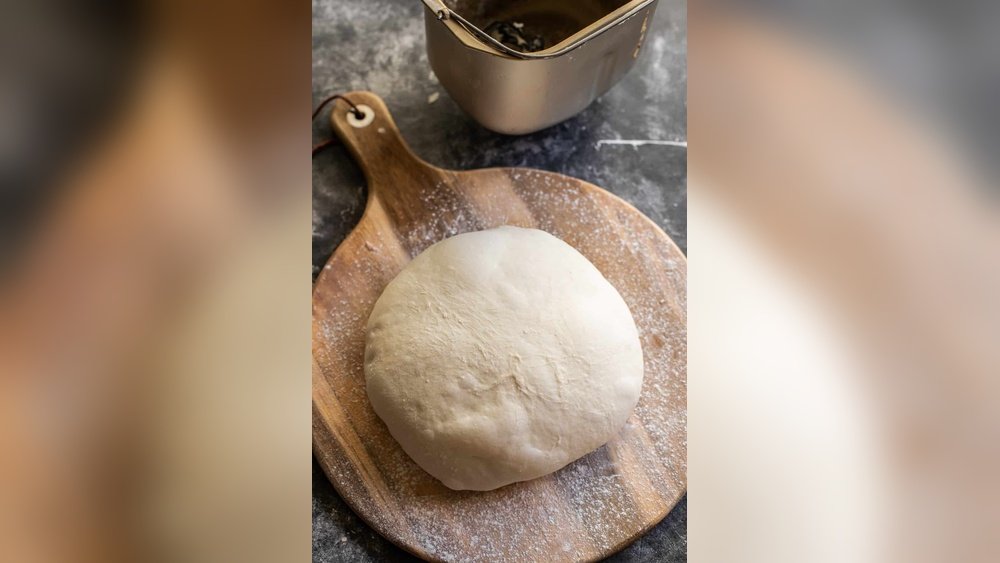
Have you ever wished making pizza dough could be as easy as pressing a button? If you have a bread maker at home, you might be wondering if it can do more than just bake bread.
Imagine having fresh, homemade pizza dough ready without the mess or the wait. You’ll discover whether your bread maker can handle pizza dough and how to get perfect results every time. Keep reading—you’re closer to your next delicious pizza night than you think!
Bread Maker Basics
Bread makers can do more than bake bread. They also help mix and knead dough for pizza. Understanding the basics of bread makers makes it easier to use them well. These machines save time and effort in making dough at home.
How Bread Makers Work
Bread makers mix ingredients automatically. They knead the dough with a paddle inside the pan. The machine controls the temperature and time for rising. You just add ingredients and choose the right setting. This makes dough ready for baking or shaping.
Types Of Bread Makers Suitable For Dough
Most bread makers have a dough setting. This setting skips baking and focuses on mixing and rising. Some machines have special paddles for better kneading. Look for a bread maker with clear dough programs. This helps make pizza dough easily and well.
Ingredients For Pizza Dough
Making pizza dough in a bread maker is simple and fun. Knowing the right ingredients helps you get perfect dough every time. You need a few basics to start.
Essential Ingredients
Flour is the main ingredient for pizza dough. Use all-purpose or bread flour for best texture.
Water is needed to mix the flour and create the dough. Lukewarm water helps activate the yeast.
Yeast makes the dough rise. Active dry yeast or instant yeast works well in bread makers.
Salt adds flavor and controls yeast growth. Use it in the right amount for balance.
Olive oil makes the dough soft and adds taste. It also helps with the dough’s texture.
Optional Add-ins For Flavor
Sugar can be added to feed the yeast and add slight sweetness.
Garlic powder or dried herbs like oregano or basil boost the flavor.
Parmesan cheese or other grated cheeses can be mixed in for richness.
Chili flakes add a spicy kick to your dough.
Experiment with these to customize your pizza dough to your taste.
Step-by-step Dough Preparation
Making pizza dough in a bread maker is simple and saves time. Follow these clear steps to prepare perfect dough every time. This guide breaks down the process into easy actions.
Understanding each step helps you get the best texture and flavor. Let’s start with measuring ingredients.
Measuring And Adding Ingredients
Use a kitchen scale or measuring cups for accuracy. Add water first, then oil and sugar. Next, add flour and salt. Finally, place yeast on top of the flour. Do not mix yeast with salt directly. This order helps dough rise well.
Choosing The Right Settings
Select the dough or pizza dough setting on your bread maker. This setting mixes, kneads, and allows the dough to rise. Use the timer if you want the dough ready later. Some machines have different crust options; pick the one for dough only.
Timing And Dough Consistency
Dough usually takes 1.5 to 2 hours in the bread maker. Check the dough halfway through the cycle. It should be soft and slightly sticky. Add a little flour if too wet, or water if too dry. Proper dough feels smooth and elastic to touch.
Troubleshooting Common Issues
Making pizza dough in a bread maker is simple but can have some common problems. These issues can affect the dough’s texture and rising. Knowing how to fix them helps make better pizza dough every time.
Dough Too Sticky Or Dry
Sticky dough feels wet and hard to handle. Dry dough cracks and does not hold shape well. Check the flour and water amounts first. Too much water causes stickiness. Add flour little by little until dough feels soft. If dough is dry, add water a teaspoon at a time. Use the dough setting on your bread maker for best results.
Uneven Rising
Uneven rising makes dough lumpy or flat in spots. This happens if yeast is old or not spread evenly. Make sure yeast is fresh and placed correctly in the bread maker. Room temperature also matters. Dough rises best at 70-75°F (21-24°C). Avoid drafts or cold places during rising time.
Bread Maker Malfunctions
Sometimes the bread maker may stop or mix poorly. Check the machine’s power and settings. Clean the paddle and pan after each use. Stuck dough can stop the kneading process. Follow the manual for troubleshooting and maintenance tips. Repair or replace parts if needed to keep the machine working well.
Tips For Perfect Pizza Crust
Making pizza dough in a bread maker is easy, but getting the crust just right can be tricky. Perfect pizza crust depends on how you shape, rest, and bake the dough. Simple tips can help you create a crispy, tasty crust every time.
Shaping And Handling Dough
Handle the dough gently to keep air inside. Press it down with your fingers, not a rolling pin. Stretch the dough slowly, starting from the center. Avoid tearing the dough to keep it strong. A soft touch helps the crust stay light and chewy.
Resting And Proofing Times
Let the dough rest after mixing. This helps the gluten relax and makes it easier to shape. Proof the dough in a warm place until it doubles in size. Don’t rush this step. Good proofing gives the crust a better texture and flavor.
Baking Techniques For Crispiness
Preheat the oven and pizza stone or baking sheet well. A hot surface helps make the crust crispy. Bake pizza on the lowest rack for a golden bottom. Use high heat, about 450°F (230°C), for best results. Keep an eye on the pizza so it doesn’t burn.
Variations And Flavor Twists
Pizza dough made in a bread maker is a great start. You can change its taste and texture by using different ingredients. These variations make your pizza more exciting and suit many diets. Experimenting with flavors is easy and fun.
Whole Wheat And Gluten-free Options
Whole wheat flour gives pizza dough a nutty flavor and more fiber. It makes the crust a bit denser but very healthy. Use the same bread maker settings as regular dough. You might need a little more water for the dough to form well.
Gluten-free dough needs special flour blends designed for bread makers. It can be softer and more delicate than regular dough. Adding xanthan gum or psyllium husk helps hold the dough together. Follow your bread maker’s gluten-free cycle for best results.
Herbs And Spices To Enhance Taste
Herbs like oregano, basil, and rosemary bring fresh, aromatic flavors. Mixing dried herbs directly into the dough is simple and effective. A pinch of garlic powder or onion powder adds a savory kick. For a spicy twist, add chili flakes or black pepper.
These small changes create unique pizzas every time. They make your homemade pizza taste like it’s from a pizzeria. Try different combinations to find your favorite flavor blend.
Cleaning And Maintenance
Cleaning and maintenance are key to keep your bread maker working well. A clean machine makes better dough and lasts longer. Regular care stops smells and old dough bits from building up. Follow simple steps after each use to keep it fresh and ready.
Cleaning The Bread Maker After Use
Unplug the bread maker before cleaning. Let it cool down completely. Remove the baking pan and paddle carefully. Wash them with warm, soapy water. Use a soft cloth or sponge to avoid scratches. Dry all parts fully before putting them back. Wipe the inside of the bread maker with a damp cloth. Avoid using harsh cleaners or soaking the machine. Keep the lid clean by wiping it gently. Clean the outside with a soft, dry cloth.
Maintaining For Longevity
Check the paddle and pan for wear regularly. Replace parts if they look damaged or worn. Keep the machine in a dry, cool place. Avoid leaving dough or flour inside after use. Use the bread maker only for dough or bread. Follow the user manual for special care tips. Regularly inspect the power cord and plug for damage. Proper care helps your bread maker last many years. Simple maintenance ensures every pizza dough turns out great.
Frequently Asked Questions
Can I Use A Bread Maker For Pizza Dough?
Yes, a bread maker can mix and knead pizza dough efficiently. It simplifies the process and saves time.
What Ingredients Are Needed For Bread Maker Pizza Dough?
Basic ingredients include flour, water, yeast, salt, sugar, and olive oil. These create a perfect dough texture.
How Long Does Bread Maker Pizza Dough Take?
Typically, it takes 1 to 1. 5 hours, including kneading and rising. Timing varies by bread maker model.
Can I Customize Pizza Dough Recipes In A Bread Maker?
Yes, you can adjust flour types, hydration, and seasoning. Experimenting helps create your favorite dough style.
Conclusion
Making pizza dough in a bread maker is simple and saves time. You only need to add ingredients and choose the right setting. The machine does the mixing and kneading for you. This method works well for beginners and busy people.
Fresh dough ready in less than two hours. You can enjoy homemade pizza with less effort. A bread maker can be a handy kitchen helper. Try it once, and you might prefer this way. No special skills needed, just follow the recipe.
Fresh dough, less mess, and great results. Why not give it a try?

