
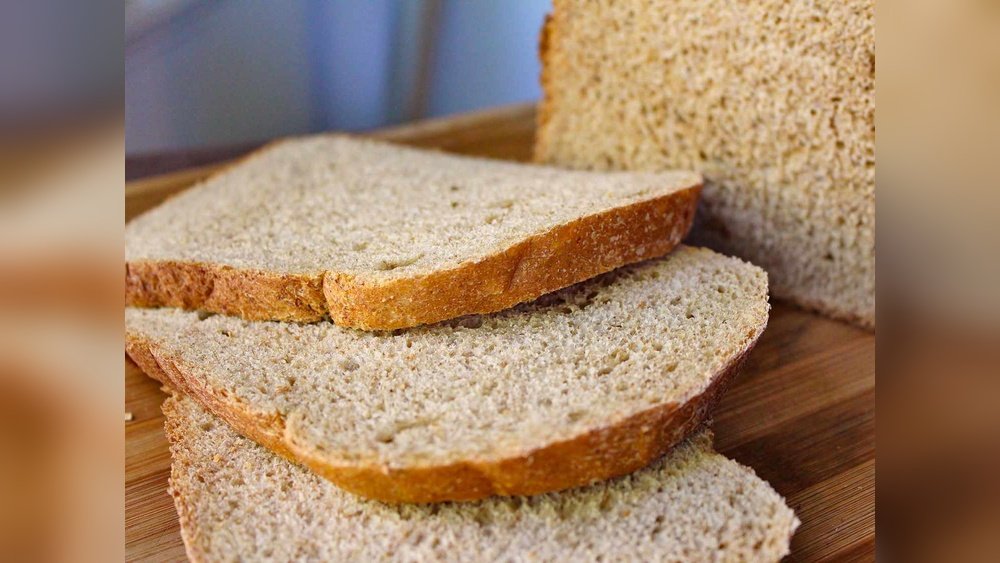
Have you ever wondered if you can make delicious rye bread right at home using your bread maker? If you love the rich, hearty taste of rye but worry that baking it might be too tricky, you’re not alone.
Rye bread has a unique texture and flavor that many people find irresistible, but it can seem intimidating to bake. The good news? Your bread maker can be a game-changer, making the process simpler than you think. Keep reading, and you’ll discover exactly how to get perfect rye bread every time—no stress, just fresh, tasty results.

Choosing The Right Rye Flour
Choosing the right rye flour is key to making good rye bread in a bread maker. Rye flour affects the bread’s texture, taste, and rise. Different types of rye flour give different results. Understanding these types helps you pick the best one for your bread maker recipe.
Types Of Rye Flour
Rye flour comes in several types based on how much of the grain is used. Whole rye flour uses the entire grain, making it dark and rich. Medium rye flour is lighter and less dense. Light rye flour is the finest and has a mild flavor. Each type changes the bread’s crumb and density. Whole rye gives a strong flavor and heavy texture. Light rye creates softer, lighter bread.
Whole Grain Vs. Light Rye
Whole grain rye flour has all parts of the grain. It adds fiber, nutrients, and a deep flavor. Bread made with whole grain rye is denser and darker. Light rye flour has the bran and germ mostly removed. It makes bread lighter and softer. Choose whole grain rye for hearty bread. Pick light rye for a milder taste and fluffier texture. Using a mix can balance flavor and softness.
Where To Buy Quality Rye Flour
Find rye flour at health food stores or specialty baker shops. Some grocery stores carry rye flour in their baking section. Online stores offer many rye flour options with delivery to your door. Check the label for 100% rye flour or specific types. Freshness matters. Choose recently packed flour for best flavor and rise. Avoid old or clumpy flour to ensure good bread.
Essential Ingredients For Rye Bread
Rye bread has a rich flavor and dense texture that many people love. Making it in a bread maker is possible with the right ingredients. These ingredients work together to create the perfect loaf. Understanding them helps you bake better rye bread.
Yeast Options
Yeast is key for rising the bread. Active dry yeast works well in most bread makers. Instant yeast is faster and can be mixed directly with dry ingredients. Some bakers use fresh yeast for a stronger flavor. Choose yeast that suits your recipe and timing.
Liquid Choices
Water is the most common liquid in rye bread. It helps activate the yeast and mix the dough. Milk adds softness and a mild taste. Some recipes use a mix of water and milk for balance. Temperature matters; liquids should be warm, not hot.
Additives To Improve Texture
Rye flour has less gluten than wheat flour. This can make bread dense and heavy. Adding vital wheat gluten improves dough elasticity. A little honey or sugar feeds the yeast and adds sweetness. Seeds or caraway add flavor and crunch.
Preparing The Bread Maker
Preparing your bread maker is key to baking good rye bread. Rye flour behaves differently from wheat flour. It needs special care during mixing and baking. Setting up the bread maker correctly ensures the best texture and flavor.
Selecting The Correct Setting
Choose the setting designed for rye or whole grain bread. This setting adjusts the kneading and baking times. Using a white bread setting may give poor results. Rye dough is denser and needs gentler handling.
Adjusting Kneading Time
Rye flour requires less kneading than wheat flour. Too much kneading can make the bread heavy and dense. Reduce the kneading time by a few minutes. This helps keep the bread soft and moist.
Temperature Considerations
Rye bread bakes best at a slightly lower temperature. High heat can dry out the bread or burn the crust. Set your bread maker to a medium or low baking temperature. This helps the bread cook evenly and stay tender.
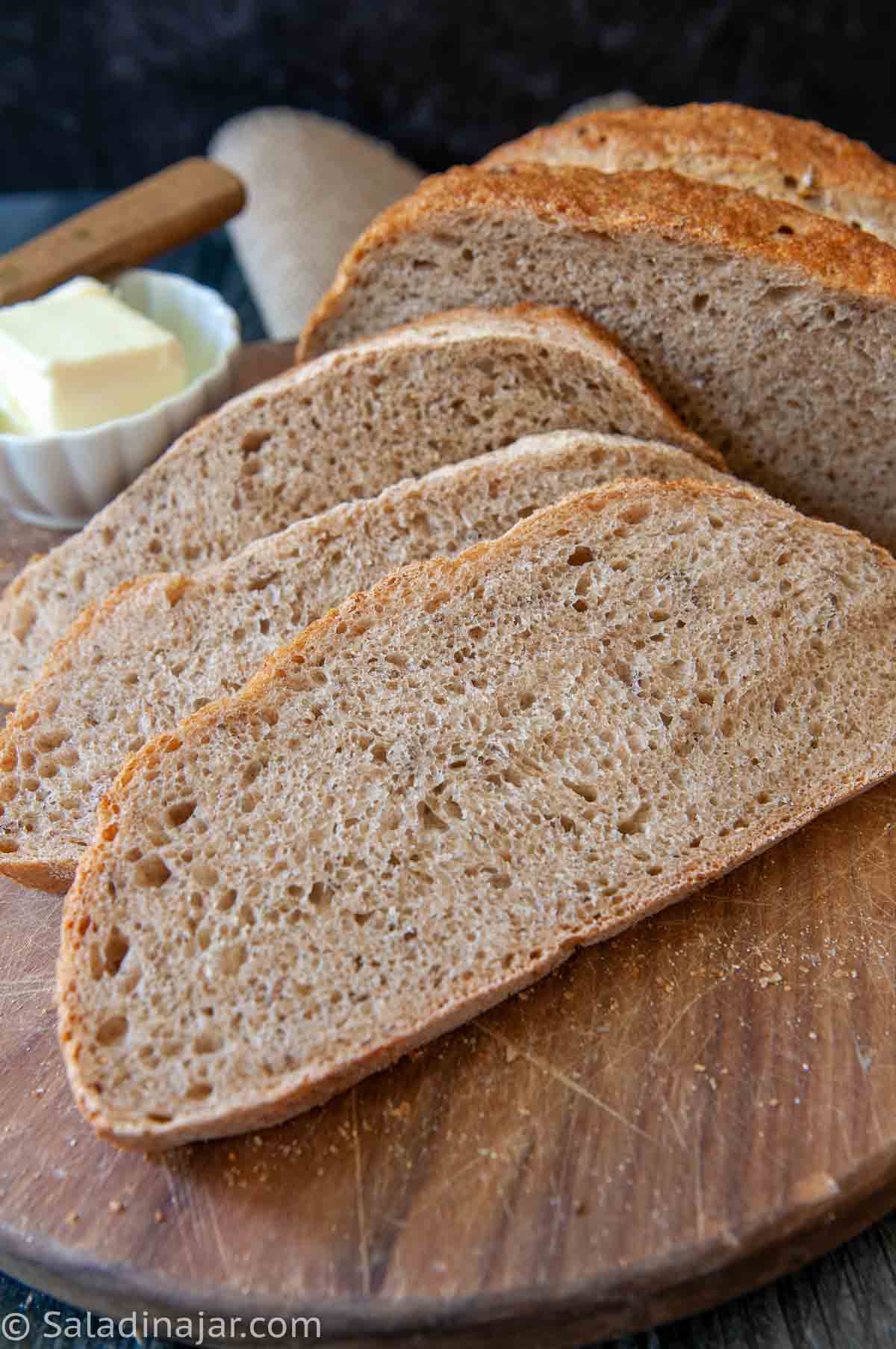
Step-by-step Rye Bread Recipe
Making rye bread in a bread maker is simple with the right steps. This recipe guides you through each part of the process. It helps ensure your bread turns out soft and full of flavor. Follow the instructions closely for the best result.
Measuring Ingredients Accurately
Use a kitchen scale for the best accuracy. Weigh your rye flour and other ingredients carefully. Too much flour can make the bread dense. Too little can make it wet and sticky. Measure liquids like water and oil with a liquid measuring cup. Precision makes a big difference in baking.
Order Of Adding Ingredients
Start by adding liquids to the bread maker pan first. This includes water, oil, and any sweetener. Next, add the rye flour and other dry ingredients. Finally, place the yeast on top of the flour. Avoid letting the yeast touch the liquids at this stage. This order helps the dough rise well.
Timing For Best Results
Choose the rye or whole wheat setting on your bread maker. This setting gives the dough enough time to rise properly. Let the machine complete the full baking cycle. Do not open the lid during the process. Wait for the bread to cool before slicing. Timing matters for texture and flavor.
Tips For Perfect Rye Bread Texture
Making rye bread in a bread maker can be a bit tricky. Rye flour behaves differently from wheat flour. It needs careful handling to get the perfect texture. These tips help you create rye bread with a soft crumb and good rise. Follow them for better results every time.
Managing Dough Stickiness
Rye dough is usually sticky. It feels wetter than wheat dough. Use a little less water than the recipe says. Add flour slowly during kneading if the dough is too wet. Do not add too much flour. Sticky dough is normal but should not be too runny. Keep the dough soft but manageable.
Improving Rise And Crumb
Rye bread does not rise as much as wheat bread. Use fresh yeast for better rise. Let the dough rest longer to develop gluten. Add a small amount of vital wheat gluten to improve texture. This helps the bread hold air. A good rise makes the bread lighter and less dense.
Avoiding Dense Bread
Dense rye bread often means too much flour or short rise time. Measure ingredients carefully. Do not rush the rising process. Allow the dough enough time to double in size. Baking at the right temperature also helps. Proper timing and temperature make rye bread lighter and softer.
Common Challenges And Fixes
Making rye bread in a bread maker can bring some challenges. Rye dough behaves differently than wheat dough. It tends to be heavier and stickier. The bread might crack or not rise well. Weather like altitude and humidity also affects the baking process. Knowing common issues helps fix them quickly. This guide shows simple ways to handle these problems.
Dealing With Heavy Dough
Rye dough is dense and sticky. It can be hard for the bread maker to knead. Add a little extra water to make the dough softer. Use the dough cycle first to check the texture. If too wet, add more rye flour slowly. If too dry, add small amounts of water. Avoid adding too much at once. The dough should feel sticky but not runny.
Preventing Rye Bread From Cracking
Cracks happen as the bread expands during baking. Rye bread often cracks on the top. Try scoring the dough with a sharp knife before baking. This helps steam escape and controls expansion. Also, avoid opening the lid during baking. Sudden temperature changes can cause cracks. Using the right amount of yeast can reduce cracking too.
Adjusting For Altitude And Humidity
High altitude lowers air pressure, affecting bread rise. Add a little more yeast and liquid at high altitudes. Reduce baking time slightly to prevent drying out. Humid weather can make dough too sticky. Use less water or more flour in humid conditions. Watch the dough closely and adjust liquids as needed. Small changes improve the bread’s texture and taste.
Storage And Serving Suggestions
Storing rye bread correctly helps keep its taste and texture fresh. Proper storage also extends the bread’s shelf life. Serving rye bread with the right foods can enhance your eating experience. Here are some tips on storage and serving to enjoy your homemade rye bread fully.
Keeping Rye Bread Fresh
Store rye bread at room temperature in a paper bag or bread box. Avoid plastic bags; they trap moisture and cause mold. Keep the bread in a cool, dry place, away from direct sunlight. Slice only what you need to keep the rest fresh longer. Use a clean, sharp knife to avoid crushing the bread.
Freezing Tips
Freeze rye bread for longer storage. Slice the bread before freezing for easy use. Wrap slices tightly in plastic wrap or aluminum foil. Place wrapped slices in a freezer-safe bag to prevent freezer burn. Thaw bread at room temperature or toast slices directly from the freezer.
Best Pairings And Uses
Rye bread pairs well with strong flavors. Try it with smoked salmon, cream cheese, or pickles. Use rye bread for sandwiches with deli meats or cheeses. Toast slices and spread with butter or honey for a simple treat. Rye bread also works great with soups and stews.

Frequently Asked Questions
Can I Use Rye Flour In A Bread Maker?
Yes, you can use rye flour in a bread maker. Choose recipes designed for rye or adjust water and yeast for best results. Rye dough is denser and stickier than wheat dough, so proper settings help ensure good texture and rise.
What Bread Maker Settings Work For Rye Bread?
Use the “Whole Wheat” or “Quick Bread” setting for rye bread in most bread makers. These settings accommodate denser dough and longer rising times. Always check your machine’s manual for rye-specific recommendations to achieve optimal crust and crumb texture.
Do I Need Extra Yeast For Rye Bread?
Yes, rye flour may require slightly more yeast due to its heavy texture. Increasing yeast helps the bread rise properly. However, don’t add too much, or the bread may overproof and collapse during baking.
How Much Water Should I Add For Rye Bread?
Rye flour absorbs more water than wheat flour. Add slightly more water than usual, but start with the recipe’s recommended amount. Adjust gradually to achieve a sticky, but manageable dough consistency for the bread maker.
Conclusion
Yes, you can make rye bread in a bread maker with ease. Rye dough may be sticky but the machine handles it well. Use the right ingredients and settings for best results. Fresh rye bread smells wonderful and tastes great.
Baking at home saves money and lets you control ingredients. Experiment a bit to find your favorite recipe. Enjoy warm, homemade rye bread anytime you want. Simple steps lead to tasty, healthy bread on your table. Give it a try and taste the difference yourself!

