
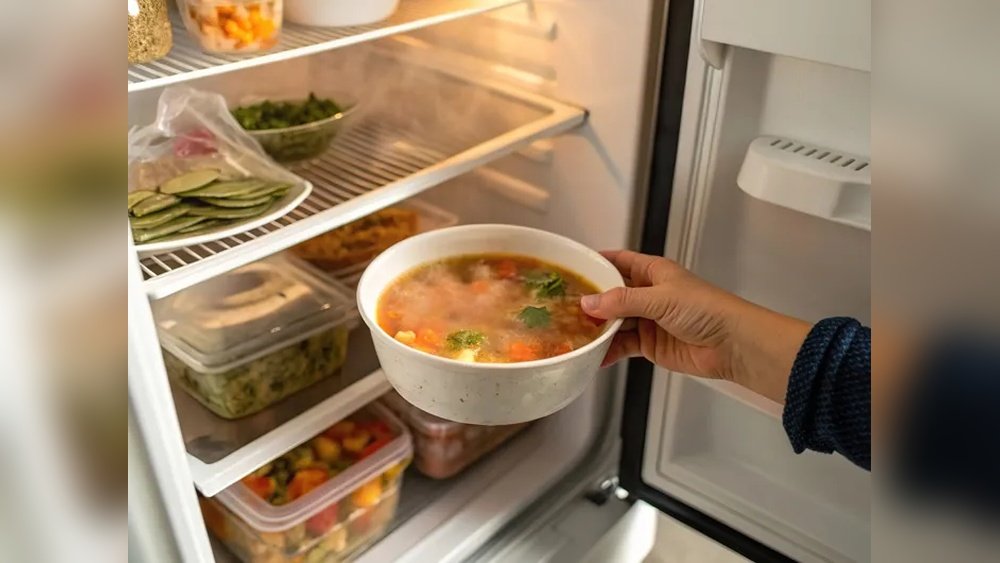
Have you ever wondered if it’s safe to put hot food straight into your refrigerator? You might think it’s harmless or even the best way to cool your meal quickly.
But what if doing this could actually harm your fridge, spoil your food faster, or even affect your health? Understanding the right way to handle hot leftovers isn’t just about convenience—it’s about keeping your food fresh and your kitchen safe.
Keep reading, and you’ll discover the surprising facts that can change how you store your meals forever.

Effects Of Hot Food In Fridge
Placing hot food directly into the refrigerator can affect the appliance and the food itself. It changes the fridge’s internal environment and may cause some problems. Understanding these effects helps keep food safe and the fridge working well.
Impact On Temperature
Hot food raises the fridge’s internal temperature. This makes the fridge work harder to cool down. The cold air around the hot dish warms up. Other food inside may also get warmer. This can reduce the fridge’s overall efficiency.
Risk Of Bacterial Growth
Warm temperatures inside the fridge can let bacteria grow faster. Bacteria multiply quickly between 40°F and 140°F. Hot food raises the temperature into this danger zone. This can cause food to spoil or become unsafe to eat. Cooling food quickly helps prevent this risk.
Energy Consumption Concerns
The fridge uses more energy to cool hot food. The compressor runs longer and works harder. This leads to higher electricity bills. Frequent cooling of hot items wears out the fridge faster. Saving energy means cooling food before storing it.
:max_bytes(150000):strip_icc()/Simply-Recipes-Grocery-LEAD-01-c43bd3f1f41a483299a077f9ca8af583.jpg)
Safe Cooling Practices
Cooling food safely is important to keep it fresh and prevent bacteria. Hot food needs special care before placing it in the refrigerator. Follow these safe cooling steps to protect your health and keep food tasty.
Allowing Food To Cool Down
Let hot food cool at room temperature for a short time. About 20 to 30 minutes is enough. This stops the fridge from working too hard. Avoid leaving food out too long to prevent bacteria growth.
Using Shallow Containers
Put food in shallow containers to help it cool faster. Shallow dishes spread food out in a thin layer. This lets heat escape quickly. Use containers no deeper than 2 inches for best results.
Portioning For Faster Cooling
Divide large amounts of food into smaller portions. Smaller pieces cool down more quickly and evenly. Use several small containers instead of one big one. This keeps food safe and fresh longer.
When Is It Okay To Refrigerate Hot Food?
Knowing when to refrigerate hot food helps keep it safe and tasty. Putting very hot food directly in the fridge can raise the fridge’s temperature. This may cause other food to spoil or grow bacteria. But waiting too long to cool food can also be unsafe.
Understanding the right time to refrigerate hot food keeps it fresh. It also prevents foodborne illness. The type of food and how fast it cools are key to this decision.
Types Of Food That Cool Quickly
Soups and stews lose heat faster than dense meats. Thin liquids cool quicker in shallow containers. Foods with high water content cool faster than oily or thick foods. Cooked vegetables also cool quickly. Dense meats and large roasts take longer to cool. These need extra time before refrigeration.
Time Limits Before Refrigeration
Food should not sit out more than two hours. In warm rooms, reduce this to one hour. Bacteria grow fast between 40°F and 140°F. Cooling food quickly limits bacteria growth. Divide large portions into smaller containers. This helps food cool faster. Use shallow dishes to speed up cooling. Always check the temperature before refrigerating.
Exceptions To The Rule
Some foods benefit from brief cooling before refrigeration. For example, hot casseroles can cool on the counter 10-15 minutes. Acidic foods like tomato sauce cool faster and are safer. Avoid refrigerating very hot food in small fridges. This can raise the fridge’s internal temperature. Follow specific recipe or food safety guidelines when unsure.
Alternatives To Immediate Refrigeration
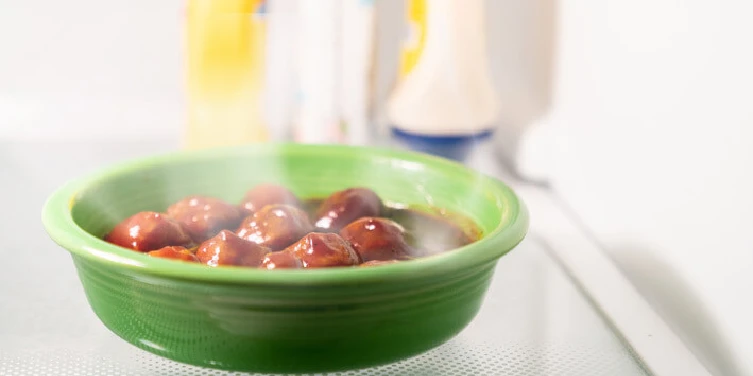
Placing hot food directly into the refrigerator can raise the fridge temperature. This can affect other stored foods and increase energy use. Many people seek alternatives to cool food quickly before refrigeration. These methods help prevent food spoilage and keep your fridge safe.
Using Ice Baths
Ice baths cool hot food fast and safely. Place the hot container in a larger bowl filled with ice and water. Stir the food occasionally to release heat evenly. This method lowers temperature quickly without opening the fridge door. It is perfect for soups, stews, and sauces.
Room Temperature Cooling Tips
Let food cool at room temperature before refrigerating. Spread food thinly on a plate or shallow dish. This increases surface area and speeds up cooling. Avoid leaving food out more than two hours to stop bacteria growth. Keep the area clean and cool for best results.
Proper Covering During Cooling
Cover food lightly while it cools to protect from dust and insects. Use breathable covers like kitchen towels or vented lids. Tight seals trap heat and moisture, slowing the cooling process. Once food is cool, seal containers fully before placing in the fridge.
Preventing Food Spoilage And Contamination
Preventing food spoilage and contamination is key to keeping your meals safe and fresh. Proper handling and storage stop bacteria from growing fast. This helps avoid foodborne illnesses and wasted food.
Avoiding Cross-contamination
Cross-contamination happens when bacteria spread from one food to another. Keep raw meat, poultry, and seafood separate from cooked and ready-to-eat foods. Use different cutting boards and utensils for raw and cooked items. Clean surfaces and hands thoroughly after handling raw foods.
Proper Storage Techniques
Store food in clean, airtight containers to protect it. Label containers with dates to track freshness. Place raw meats on lower shelves to prevent drips onto other foods. Allow hot food to cool slightly before refrigerating to keep the fridge temperature stable. Avoid overcrowding the fridge to let cold air circulate well.
Signs Of Spoiled Food
Look for changes in color, texture, and smell. Food that smells sour or rotten is unsafe. Slimy or sticky texture indicates spoilage. Mold growth means you should throw the food away. Always trust your senses to spot spoiled items.
Frequently Asked Questions
Can I Put Hot Food Directly Into The Refrigerator?
Yes, you can put hot food in the refrigerator. However, it’s best to let it cool slightly first. This prevents raising the fridge’s internal temperature and helps maintain food safety.
How Long Should Hot Food Cool Before Refrigeration?
Allow hot food to cool for 20-30 minutes before refrigerating. This short cooling time helps avoid condensation and prevents overheating other stored items.
Does Placing Hot Food In Fridge Affect Energy Efficiency?
Yes, placing hot food in the fridge temporarily increases energy use. The fridge works harder to cool the food and maintain its set temperature.
Can Hot Food In Fridge Cause Bacterial Growth?
Hot food cools faster in the fridge, reducing bacterial growth risk. Avoid leaving hot food at room temperature for long to prevent bacteria.
Conclusion
Putting hot food directly into the fridge is not the best choice. It can raise the fridge’s temperature and spoil other food. Let hot food cool down a bit before storing. Use shallow containers to help food cool faster. Keeping food safe means less waste and better taste.
A little patience keeps your meals fresh longer. Remember, proper food storage protects your health and saves money. Simple steps make a big difference in your kitchen.

