
Are you wondering if you can store dehydrated food long-term without losing its flavor or nutrition? You’re not alone.
Many people want to know how to keep their dried meals fresh and safe for months or even years. The good news is, with the right tips and tricks, you can make your dehydrated food last much longer than you think.
Keep reading, and you’ll discover simple steps that protect your food, save you money, and give you peace of mind when you need it most.

Benefits Of Dehydrated Food
Dehydrated food offers many advantages for long-term storage. It keeps food safe and edible for months or even years. This method removes moisture, which stops bacteria and mold from growing. Dehydrated food is also easy to store and carry. Many people use it for camping, emergencies, or saving money. The benefits go beyond just shelf life.
Understanding these benefits helps you decide if dehydrated food fits your needs. It supports healthy eating, saves space, and reduces costs. Here are some key advantages of dehydrated food.
Nutritional Value Retention
Dehydration keeps most nutrients in food intact. Vitamins and minerals stay preserved during drying. This means you get healthy food even after months. Unlike canning or freezing, dehydration does not require high heat. So, nutrients break down less. Eating dehydrated fruits and vegetables gives your body vitamins it needs.
Space And Weight Savings
Removing water cuts the size and weight of food dramatically. Dehydrated food takes up less space in your pantry. It is easier to pack for trips or store in small areas. Carrying lighter food saves energy and effort. This is helpful for hikers, travelers, and emergency kits. You can store more food in less room.
Cost-effectiveness
Dehydrating food saves money over time. Buying fresh food in bulk and drying it yourself lowers expenses. There is less waste because dried food lasts longer. You avoid throwing out spoiled fresh items. Also, you spend less on storage and transportation. Dehydrated food stretches your food budget efficiently.
Factors Affecting Shelf Life
Storing dehydrated food long-term depends on several key factors. These factors control how long the food stays safe and tasty. Knowing them helps keep food fresh and reduces waste. Each factor plays a role in preserving the food’s quality over time.
Moisture Content
Moisture is the main enemy of dehydrated food. The lower the moisture, the longer the food lasts. Water causes spoilage and mold growth. Proper drying removes enough water to stop these problems. Even small moisture increases can shorten shelf life.
Storage Temperature
Temperature affects how fast food breaks down. Cooler temperatures slow chemical changes and microbial growth. Heat speeds up spoilage and nutrient loss. Store dehydrated food in a cool, dark place to extend shelf life. Avoid places with temperature swings.
Packaging Methods
Good packaging blocks air, light, and moisture. Airtight containers and vacuum sealing work best. Oxygen causes food to go stale and lose flavor. Light can damage nutrients. Proper packaging keeps food safe and maintains taste.
Food Type Variations
Different foods last different times when dried. Fruits often keep longer than vegetables. Meat and dairy need special care to avoid spoilage. Some foods lose texture or flavor faster. Know the type of food to plan storage duration.
Best Packaging Options
Choosing the right packaging for dehydrated food is key to keeping it fresh. Good packaging stops moisture, air, and bugs from spoiling your food. It also helps keep the flavor and nutrients intact for a long time.
Different packaging types work better for different foods. Some options are better for long storage, while others suit shorter times. Here are some of the best packaging methods to keep your dehydrated food safe and tasty.
Vacuum Sealing
Vacuum sealing removes air from the package before sealing it. This process slows down spoilage and stops moisture from entering. It works well for many dried foods like fruits, vegetables, and meats. Vacuum-sealed packs take up less space and keep food fresh longer.
Mylar Bags
Mylar bags are strong and block light, air, and moisture. They protect dehydrated food from damage and keep it dry. These bags are ideal for long-term storage. You can seal them with heat or use a vacuum sealer for a tight fit.
Oxygen Absorbers
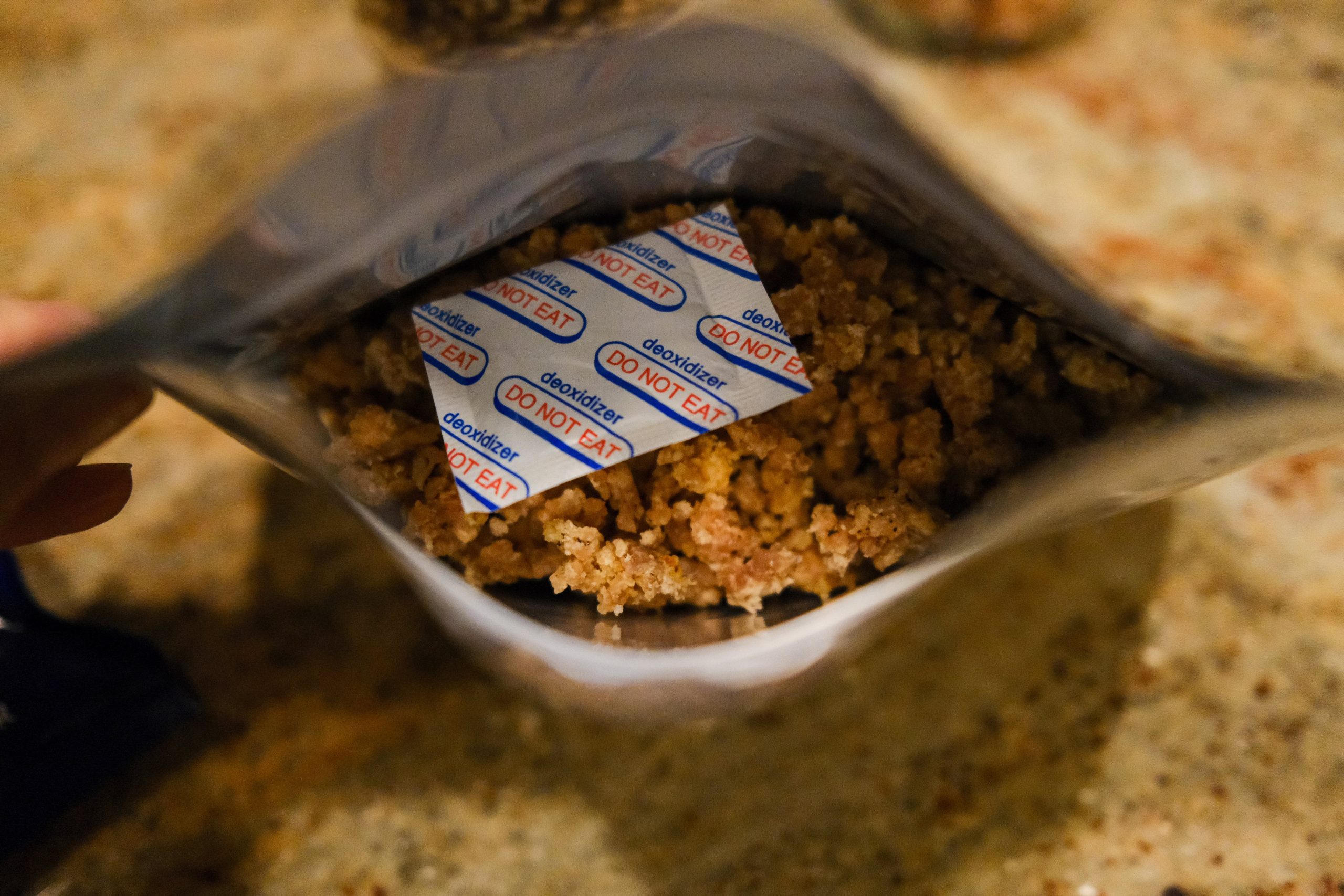
Oxygen absorbers remove oxygen inside sealed packages. They help prevent mold, bacteria, and insect growth. Oxygen absorbers work well with Mylar bags and airtight containers. Using them extends shelf life by keeping the food in a low-oxygen environment.
Glass Jars And Airtight Containers
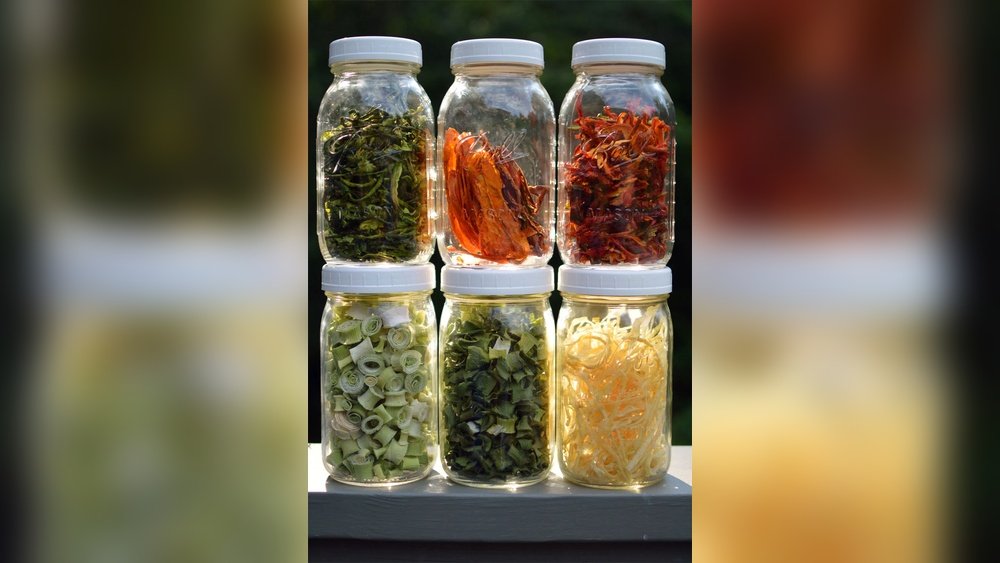
Glass jars and airtight containers stop air and moisture from reaching food. They are reusable and easy to clean. These containers work great for small batches of dehydrated food. Choose jars with tight lids to protect your food well.
Ideal Storage Conditions
Proper storage is key for keeping dehydrated food fresh and safe. Ideal storage conditions help maintain flavor, texture, and nutritional value. They also prevent spoilage and pest damage. Simple steps can extend the shelf life of your dehydrated goods.
Cool And Dark Environments
Store dehydrated food in a cool place. Temperatures below 70°F (21°C) work best. Heat speeds up food deterioration. Darkness protects food from light damage. A pantry or cellar is often ideal. Avoid areas near ovens or heaters.
Humidity Control
Low humidity is crucial for dehydrated food. Moisture causes mold and spoilage. Use airtight containers to keep moisture out. Silica gel packets or oxygen absorbers help absorb excess moisture. Check containers regularly for signs of dampness.
Avoiding Sunlight Exposure
Sunlight breaks down nutrients and colors in food. UV rays cause food to lose taste and quality. Store dehydrated food away from windows and direct light. Use opaque or dark containers for extra protection. Keep food in shaded cabinets or closets.
Signs Of Spoilage
Storing dehydrated food long-term requires careful attention. Even dried foods can spoil over time. Knowing the signs of spoilage helps keep your food safe. Check your food regularly to avoid eating bad items. Spoiled dehydrated food can cause stomach problems and waste your supplies.
Changes In Color And Texture
Watch for any color changes in dehydrated food. Dark spots or fading can mean spoilage. Texture changes also signal problems. If the food feels soft or sticky, it might be bad. Dry and crisp foods should stay that way. Any squishy or damp texture is a red flag.
Unpleasant Odors
Smell your dehydrated food before use. Fresh dried food has a mild, natural scent. Bad food often smells sour, musty, or off. A strong or strange odor means bacteria or mold may be present. Trust your nose to spot spoiled food early.
Mold And Insect Infestation
Look closely for mold spots on the food surface. Mold can be white, green, black, or blue. Even small mold patches mean the food is unsafe. Also, check for insects or larvae inside the packaging. Bugs can spoil dehydrated food quickly. Always discard any food with signs of mold or insects.
Extending Shelf Life Tips
Storing dehydrated food for a long time needs care and smart habits. Proper steps help keep food fresh and safe to eat. Follow these tips to extend the shelf life of your dehydrated food. They help maintain taste and nutrition for months or even years.
Proper Drying Techniques
Dry food completely before storing. Any moisture left can cause mold or spoilage. Use a good dehydrator or dry food in the sun on a clean surface. Thin slices dry faster and more evenly. Check that food feels crisp or brittle, not soft or sticky.
Regular Inspection
Check stored food often. Look for signs of moisture, mold, or strange smells. Remove any spoiled pieces immediately. Keep storage containers clean and dry. This helps stop problems before they spread.
Rotating Stock
Use older food first to avoid waste. Label packages with drying dates. Place new food behind older food on shelves. This way, you always eat the oldest food first. Rotation keeps your supply fresh and reduces risk of spoilage.
Common Mistakes To Avoid
Storing dehydrated food long-term needs care. Many people make simple mistakes that spoil their food. Avoiding these errors keeps your food fresh and tasty. Focus on drying, packaging, and storage conditions.
Inadequate Drying
Drying food properly is key. If food stays too wet, it can grow mold. Moisture causes spoilage and bad smells. Dry food until it feels crisp or brittle. Use a reliable dehydrator or dry in the sun. Check pieces often to ensure even drying.
Poor Packaging
Packaging protects dehydrated food from air and moisture. Using weak bags or containers lets air in. Oxygen causes food to lose flavor and nutrients. Use airtight, vacuum-sealed bags or jars. Label packages with drying dates for easy tracking.
Ignoring Storage Environment
Storage place matters a lot. Heat, light, and humidity damage dried food quickly. Keep food in a cool, dark, and dry spot. Avoid storing near stoves or windows. A stable environment extends shelf life and quality.
Using Dehydrated Food Safely
Using dehydrated food safely is key to enjoying its benefits without health risks. Proper handling ensures the food stays nutritious and tasty. Follow clear steps to keep your dehydrated food safe.
Rehydration Methods
Use clean water to rehydrate dehydrated food. Warm water helps speed up the process. Avoid soaking food too long to prevent spoilage. Drain extra water before cooking or eating. Measure water carefully for best texture and flavor.
Safe Cooking Practices
Cook rehydrated food thoroughly to kill bacteria. Use a food thermometer to check temperature. Keep cooked food hot until serving. Cool leftovers quickly and store in sealed containers. Reheat only once to maintain safety.
Allergy And Contamination Awareness
Check ingredients for allergens before dehydrating or buying. Use clean tools and surfaces to avoid contamination. Store dehydrated food away from strong odors and pests. Label containers clearly with contents and date. Dispose of any food showing signs of spoilage.
Frequently Asked Questions
How Long Can Dehydrated Food Be Stored Safely?
Dehydrated food can be safely stored for 1 to 2 years. Proper packaging and cool, dark storage extend shelf life. Vacuum sealing and oxygen absorbers help maintain freshness. Regularly check for signs of spoilage before consumption.
What Is The Best Way To Store Dehydrated Food?
Store dehydrated food in airtight, moisture-proof containers. Use vacuum-sealed bags or glass jars with tight lids. Keep food in a cool, dark, and dry place. Avoid exposure to heat, light, and humidity to prevent spoilage.
Does Dehydrated Food Lose Nutrition Over Time?
Yes, dehydrated food loses some nutrients gradually. Vitamins like C and A degrade faster than minerals. Proper storage slows nutrient loss significantly. Consuming dehydrated food within recommended time preserves most nutrients.
Can I Freeze Dehydrated Food For Longer Storage?
Freezing dehydrated food is possible but not usually necessary. It can extend shelf life beyond two years. Ensure food is well sealed to prevent moisture absorption. Thaw completely before use to maintain texture and flavor.
Conclusion
Storing dehydrated food long-term is possible with care. Keep food in cool, dark, and dry places. Use airtight containers to stop moisture and bugs. Check food regularly for any signs of spoilage. Proper storage keeps food safe and tasty for months.
Remember, some foods last longer than others. Plan your storage based on the type of food. This helps reduce waste and saves money. Dehydrated food can be a smart choice for future meals. Simple steps can make a big difference in food quality.

