
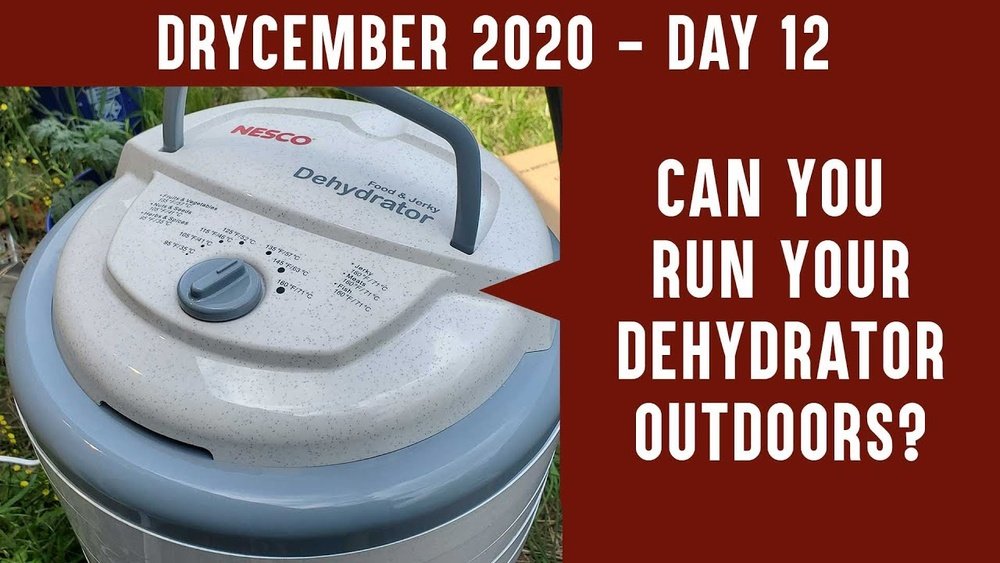
Have you ever wondered if you can use your food dehydrator outdoors? Maybe you want to dry fruits, vegetables, or herbs while enjoying fresh air, or perhaps you’re camping and want a handy way to preserve snacks.
Using a food dehydrator outside might sound simple, but there are important things you need to know to make it work safely and effectively. Keep reading, and you’ll discover the key tips and tricks that will help you get the best results every time—whether you’re in your backyard or deep in the wilderness.
Benefits Of Outdoor Dehydrating
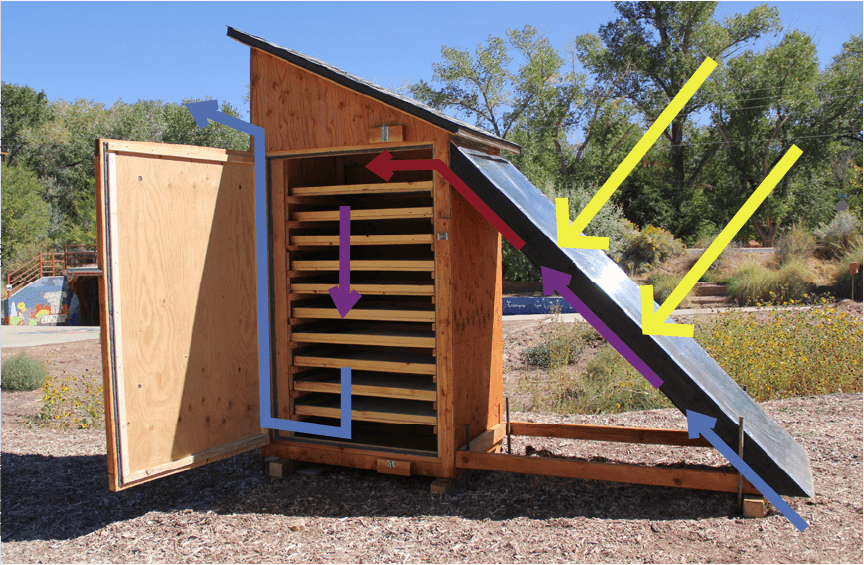
Using a food dehydrator outdoors offers several advantages. It uses natural elements that improve the drying process. This method can be more efficient and pleasant than indoor use.
Outdoor dehydrating takes advantage of fresh air and sunlight. It also helps save energy and space inside your home. These benefits make outdoor dehydrating a smart choice for many.
Enhanced Airflow And Sunlight
Outdoor areas usually have better airflow than indoors. This fresh air helps food dry faster and more evenly. Sunlight adds natural warmth, which aids in the drying process. The combination of air and sun improves the quality of dried food.
Energy Efficiency
Using a dehydrator outside can reduce electricity use. The sun provides free heat, lowering the need for electric power. This saves money and is better for the environment. Outdoor drying uses less energy but still works well.
Space Saving
Dehydrating food outdoors frees up kitchen space. It avoids adding heat and moisture inside your home. This keeps indoor areas cooler and more comfortable. Outdoor use is ideal for small kitchens or crowded homes.

Ideal Outdoor Conditions
Using a food dehydrator outdoors can be very effective. Choosing the right outdoor conditions helps dry food quickly and safely. Some factors affect how well your dehydrator works outside. Knowing these will make your drying process smooth and efficient.
Temperature And Humidity Levels
Warm temperatures help food dry faster. Ideal temperatures range from 85°F to 110°F (29°C to 43°C). High humidity slows drying and can cause mold. Aim for days with low humidity below 50%. Dry air speeds up moisture removal from food.
Weather Considerations
Pick a dry, calm day for outdoor dehydration. Wind can help but strong gusts may cool the dehydrator. Avoid rainy or foggy weather as moisture can enter the machine. Sunlight helps but direct sun can overheat some models. Find a shaded spot with good airflow.
Pest And Insect Control
Outdoor drying attracts bugs and animals. Keep the dehydrator covered with mesh screens. Place it away from trash or fruit trees. Check food often to avoid insect damage. Use natural repellents nearby to keep pests away safely.
Choosing The Right Dehydrator For Outdoors
Choosing the right food dehydrator for outdoor use requires careful thought. Outdoor settings can be tough on appliances. Heat, moisture, and dust all affect performance. A good dehydrator should be tough, easy to carry, and safe to use outside. This guide helps you pick one that fits your outdoor needs.
Portable And Durable Models
Portability is key for outdoor dehydrators. Lightweight designs make transport simple. Look for compact shapes that fit in backpacks or car trunks. Durable materials resist damage from drops or rough surfaces. Stainless steel or heavy-duty plastic work well. Models with strong trays and covers last longer outside.
Power Source Options
Outdoor power sources vary. Some dehydrators need wall plugs. Others run on batteries or solar power. Battery-powered models offer freedom from cords. Solar options suit long trips without electricity. Choose a power type that matches your outdoor setup. Consider how long you will use it each time.
Safety Features
Safety is crucial outdoors. Dehydrators with automatic shut-off protect against overheating. Cool-touch handles prevent burns during use. Look for models with stable bases to avoid tipping. Water-resistant designs help in damp areas. These features keep you safe and your food dry.
Setting Up Your Dehydrator Outside
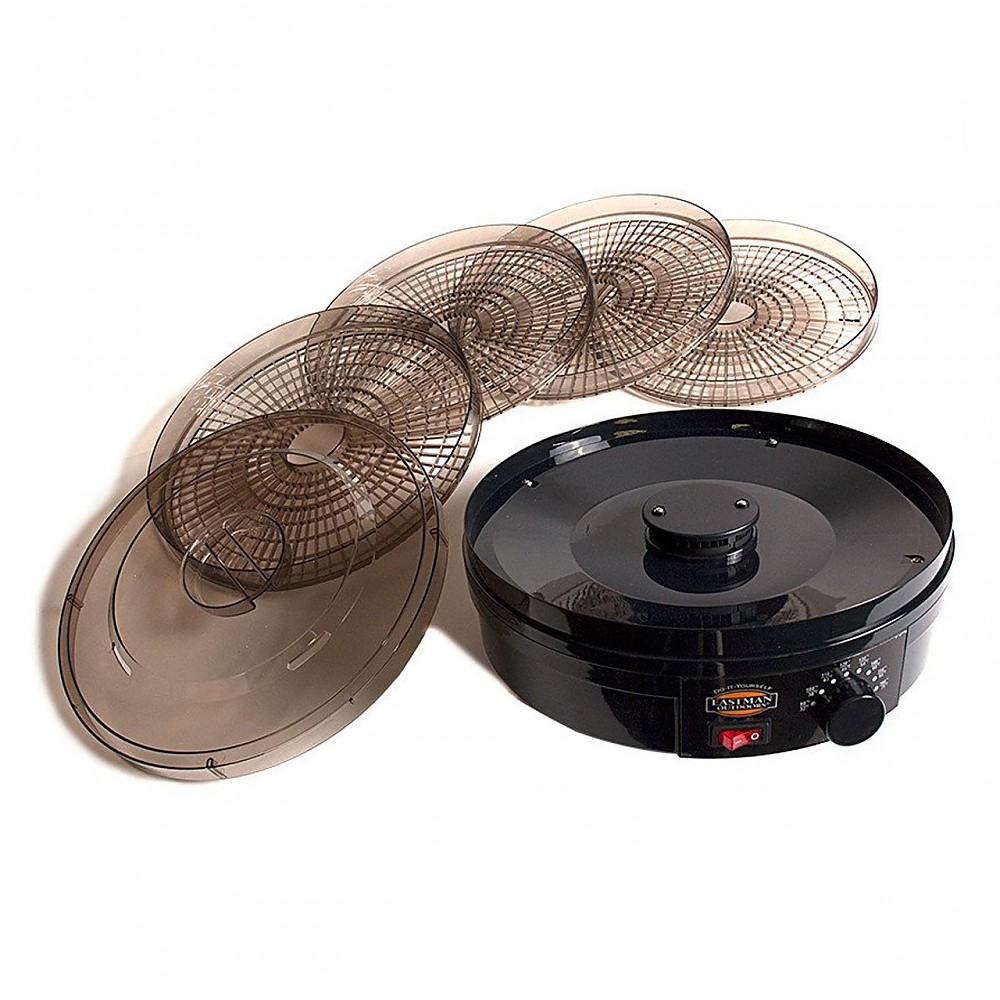
Setting up your food dehydrator outside can be a smart choice. It keeps your kitchen cool and avoids strong food smells indoors. A good setup helps your dehydrator work well and last longer. Follow these steps for the best outdoor experience.
Selecting A Safe Location
Pick a flat, stable surface to place your dehydrator. Avoid spots near open flames or where children play. Choose a place away from heavy foot traffic. Make sure the area is easy to reach and clean. A shaded spot helps keep your machine from overheating.
Protecting From Elements
Keep your dehydrator safe from rain and strong wind. Use a canopy or small tent for cover. Avoid direct sun to prevent damage to the machine. Bring your dehydrator inside during bad weather. Cover it with a breathable cloth when not in use to stop dust buildup.
Optimizing Air Circulation
Good airflow helps food dry evenly and faster. Place your dehydrator where air can move freely around it. Avoid blocking vents or stacking items close to the machine. Leave space on all sides to allow fresh air in. Proper air circulation keeps your dehydrator running smoothly.
Maintenance And Cleaning Tips
Keeping your food dehydrator clean and well-maintained helps it last longer. Good care also ensures your dried foods stay safe and tasty. Outdoor use may expose the machine to more dust and moisture. This makes cleaning and maintenance even more important.
Preventing Mold And Mildew
Dry air and heat help stop mold growth inside the dehydrator. After each use, wipe the trays and inside walls with a clean, dry cloth. Avoid leaving wet food residue on the trays. Let the dehydrator air out completely before storing it. Store in a dry place to keep mold and mildew away.
Regular Cleaning Routine
Clean the trays after every use with warm, soapy water. Use a soft brush to remove stuck food bits. Rinse well and dry fully before reassembling. Wipe the outside with a damp cloth to remove dust and dirt. Check the fan and vents for dust buildup and clean gently. Regular cleaning keeps your dehydrator working well.
Storage After Use
Store your dehydrator in a cool, dry spot after cleaning. Cover it with a cloth or plastic cover to keep dust away. Avoid places with high humidity or direct sunlight. Make sure the dehydrator is completely dry before storage. Proper storage protects your appliance and keeps it ready for next use.
Common Challenges And Solutions
Using a food dehydrator outdoors can be very useful but comes with challenges. These challenges can affect the drying process and the safety of your food. Understanding common problems and their solutions helps you get the best results. Here are some issues you might face and how to handle them.
Dealing With Unpredictable Weather
Weather changes can stop or slow down drying. Rain, wind, and humidity can ruin your food. Use a covered area to protect the dehydrator from rain. Move the dehydrator to a sheltered spot if the wind is strong. Check the weather forecast before you start. Dry foods on dry, calm days for best results.
Avoiding Contamination
Outdoors, dust, insects, and animals can reach your food easily. Keep the dehydrator covered with a fine mesh screen. Clean the area around the dehydrator before use. Store dried food in airtight containers after drying. Wash your hands and trays to stop bacteria and dirt.
Managing Power Supply Issues
Electric dehydrators need steady power to work well. Outdoor power sources may be unreliable or far away. Use extension cords made for outdoor use. Consider portable power banks or generators for remote places. Always check cords and plugs for safety before use.
Frequently Asked Questions
Can A Food Dehydrator Be Used Outdoors Safely?
Yes, you can use a food dehydrator outdoors safely. Ensure it is placed on a flat, stable surface. Keep it away from moisture and direct rain to prevent damage. Also, avoid windy areas to maintain consistent drying temperatures.
Does Outdoor Use Affect Dehydrator Efficiency?
Outdoor use can affect efficiency due to temperature and humidity changes. High humidity slows drying, while low temperatures may extend drying time. Using a sheltered, dry spot outdoors helps maintain optimal performance and food safety.
What Precautions Are Needed For Outdoor Dehydrating?
Use a weather-resistant cover and keep the dehydrator elevated. Avoid exposure to rain or direct sunlight. Monitor drying progress frequently. Always use a clean power source and ensure proper ventilation for best results.
Can Power Sources Limit Outdoor Dehydrator Use?
Yes, outdoor use depends on accessible power sources. Portable dehydrators may use batteries or solar power. For electric models, ensure a safe extension cord and outlet are available. Always prioritize electrical safety to avoid hazards.
Conclusion
Using a food dehydrator outdoors can be a good idea. You get fresh air and plenty of space. Just watch the weather and keep the machine dry. Sunlight and wind help dry food faster. Make sure the power source is safe and close by.
Keep an eye on your food to avoid bugs or dirt. Outdoor drying can be fun and effective with care. Try it on a dry, calm day for best results.

