
Are you tired of guessing if your burgers are cooked just right? You’re not alone.
Many people struggle to find the perfect balance between juicy and safe when grilling burgers. That’s where a meat thermometer comes in. But can you really use one for your burgers? You’ll discover why a meat thermometer might be your best friend for cooking the perfect burger every time.
Keep reading to learn how this simple tool can take your grilling game to the next level and keep your meals both delicious and safe.
Why Use A Meat Thermometer
Using a meat thermometer for burgers is a smart choice. It helps cook your burger just right. Not too raw, not too dry. This small tool makes a big difference in cooking safety and taste.
Ensuring Proper Cooking
A meat thermometer shows the burger’s exact temperature. This helps avoid guessing if it is cooked well. Burgers cooked to the right temperature are juicy and safe. No more cutting open burgers to check inside.
Avoiding Foodborne Illness
Undercooked burgers can carry harmful bacteria. These bacteria cause food poisoning and stomach problems. A meat thermometer makes sure the burger reaches a safe temperature. It protects your health and your family’s health.
Improving Burger Quality
Using a thermometer keeps burgers tender and tasty. It stops overcooking and drying out the meat. Each bite stays flavorful and moist. The thermometer helps you serve the best burgers every time.

Choosing The Right Thermometer
Choosing the right thermometer matters for cooking burgers safely and perfectly. It helps check the inside temperature quickly. The right tool gives clear readings and is easy to use. Understanding types and features helps pick the best one for your needs.
Types Of Meat Thermometers
There are several types of meat thermometers. Instant-read thermometers show temperature in seconds. They are good for quick checks. Dial thermometers take longer but are simple and cheap. Digital probe thermometers can stay in the meat while cooking. Each type fits different cooking styles and budgets.
Features To Look For
Look for clear, easy-to-read displays. Fast response time saves cooking time. A waterproof design helps with cleaning. A long probe keeps your hand safe from heat. Some models have alarms that beep at the right temperature. These features make cooking safer and easier.
Budget Options
Good thermometers do not have to be expensive. Basic dial thermometers are affordable and reliable. Simple digital models offer better accuracy at a low price. Check reviews to find budget options with good ratings. A cheap thermometer can still give safe and accurate results.
How To Use A Meat Thermometer For Burgers
Using a meat thermometer for burgers helps cook them safely and perfectly. It stops undercooking and overcooking. The thermometer shows the burger’s inside heat. This makes sure the meat is juicy and safe to eat.
Where To Insert The Thermometer
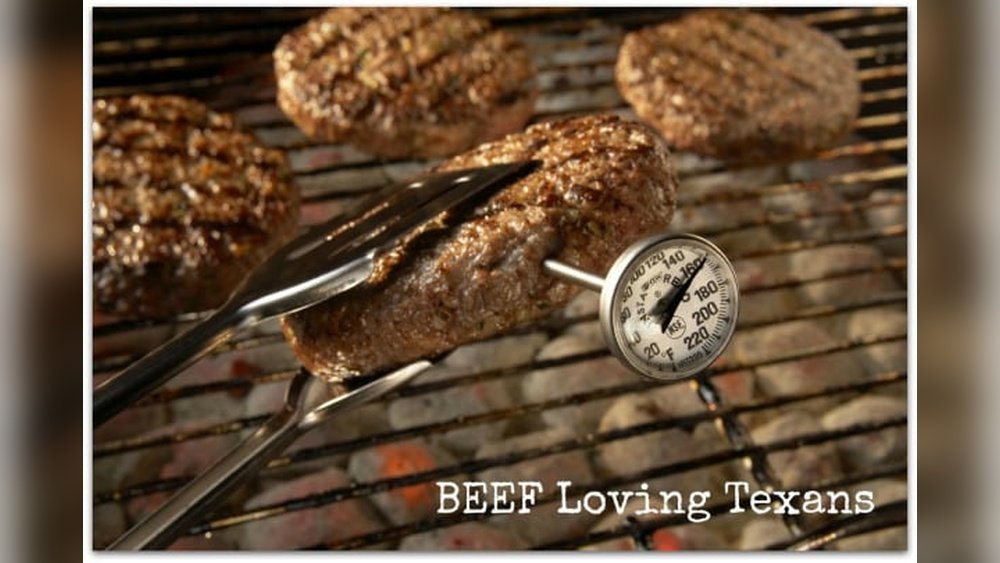
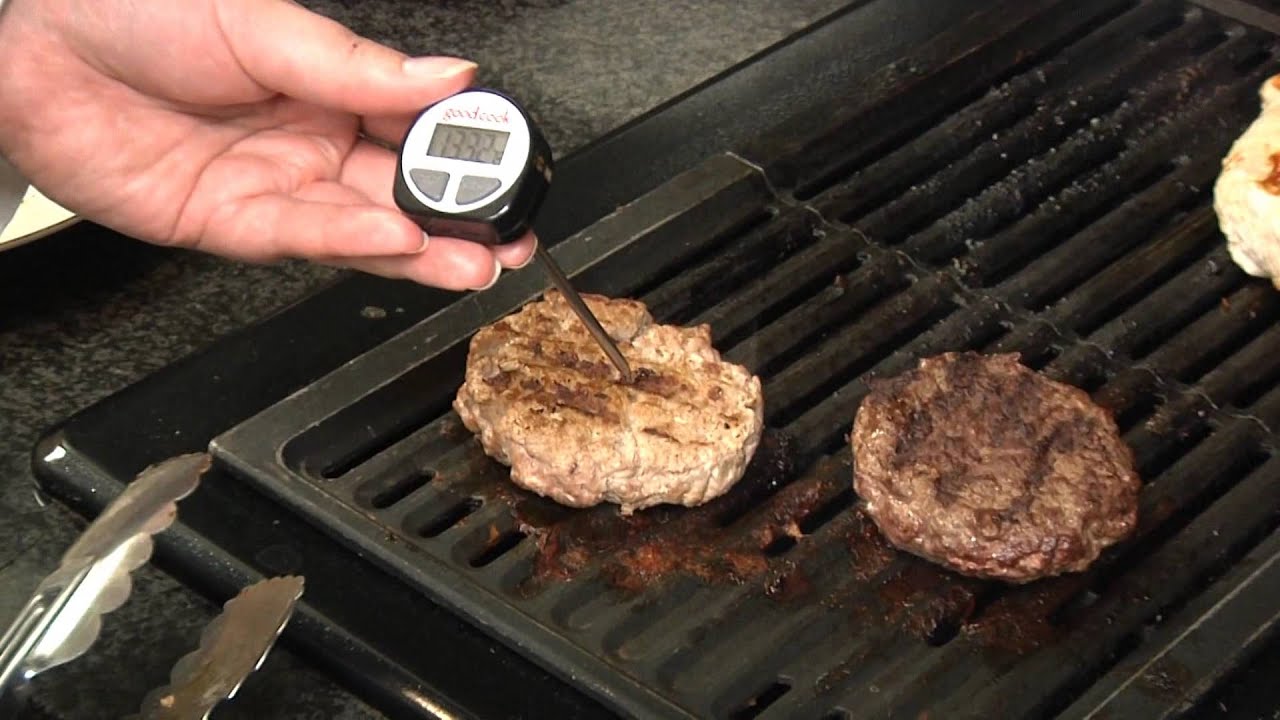
Put the thermometer probe into the burger’s center. Avoid touching the grill or pan with the probe. Check the thickest part for the best reading. This spot shows the true internal temperature.
Checking Temperature Accurately
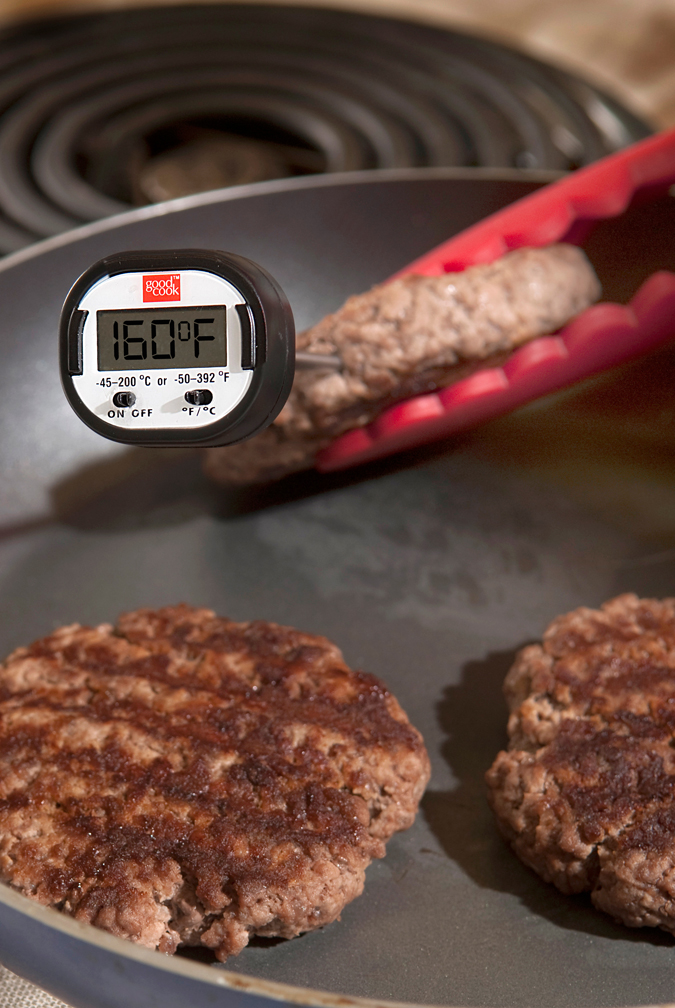
Wait a few seconds after inserting the probe. Let the thermometer read the heat fully. The temperature should stop changing before you check. Look for 160°F (71°C) for ground beef safety.
Timing Tips
Check the temperature near the end of cooking. Avoid opening the grill or pan too often. This keeps the heat steady. Use the thermometer quickly to keep the burger warm.
Safe Internal Temperatures For Burgers
Cooking burgers safely means reaching the right internal temperature. This kills harmful bacteria. Using a meat thermometer helps check this exactly. Knowing the safe temperature keeps your meal both tasty and safe.
Burgers need to be cooked fully inside, not just outside. This prevents food poisoning. Let’s look at what temperatures to aim for and why resting the meat matters.
Usda Recommendations
The USDA says ground beef must reach 160°F (71°C). This temperature kills dangerous germs like E. coli. Always use a clean thermometer to check the thickest part of the burger. Avoid guessing by color or feel.
Ground Beef Vs Other Meats
Ground beef needs a higher temperature than whole cuts of meat. This is because grinding spreads bacteria throughout the meat. Other meats like turkey or chicken need to reach 165°F (74°C). Pork burgers should also be cooked to at least 160°F (71°C).
Resting Time Importance
Let burgers rest for 3 to 5 minutes after cooking. Resting lets juices spread inside the meat. The temperature can stay high and finish cooking the burger. This makes the burger safer and juicier.
Common Mistakes To Avoid
Using a meat thermometer for burgers helps cook them safely and perfectly. Many people make simple mistakes that cause wrong readings or unsafe food. Avoiding these errors ensures juicy, safe burgers every time. Here are the most common mistakes to watch out for.
Using The Wrong Thermometer
Not all thermometers work well with burgers. Some are meant only for large cuts of meat. Using a big or slow thermometer can give wrong results. Choose a quick-read digital thermometer made for ground meat. It fits easily inside a burger and shows temperature fast.
Misreading The Temperature
Reading the thermometer wrong can cause undercooked or overcooked burgers. Insert the probe into the burger’s thickest part. Avoid touching the grill or pan with the tip. Wait a few seconds for the temperature to stabilize. Always check the number, not just the color or feel.
Cross-contamination Risks
Using the same thermometer for raw and cooked burgers spreads bacteria. Clean the probe with hot soapy water before and after each use. Avoid touching other foods with the thermometer. This simple step stops germs from moving between raw meat and cooked food.
Maintaining Your Meat Thermometer
Keeping your meat thermometer in good shape helps it give accurate readings. This way, you know your burgers are cooked safely and taste great. Regular care extends the life of your tool and keeps it working well.
Cleaning Tips
Clean the thermometer after every use. Use warm water and mild soap. Avoid soaking the whole device. Wipe only the probe carefully. Use a soft cloth or sponge to remove food bits. Dry it well before storing.
Storage Advice
Store the thermometer in a dry place. Keep it away from heat and moisture. Use the protective case if it has one. Avoid putting heavy items on top. This prevents damage to the probe and screen.
Calibration Methods
Check the thermometer’s accuracy regularly. Use ice water to test it. Insert the probe in crushed ice and water mix. It should read 32°F (0°C). Adjust the calibration if your model allows. This keeps your readings reliable for every burger.
Frequently Asked Questions
Can I Use A Meat Thermometer For All Burger Types?
Yes, a meat thermometer works for beef, turkey, chicken, and veggie burgers. It ensures safe, accurate cooking every time.
Where Should I Insert The Thermometer In A Burger?
Insert the thermometer into the burger’s center, avoiding bones or fat. This gives the most accurate internal temperature reading.
What Is The Ideal Temperature For Cooked Burgers?
Ground beef burgers should reach 160°F (71°C) to ensure safety. Poultry burgers need 165°F (74°C) for proper doneness.
Can A Meat Thermometer Prevent Undercooked Burgers?
Absolutely. Using a meat thermometer helps avoid undercooked centers by confirming when burgers reach safe temperatures.
Conclusion
Using a meat thermometer for burgers ensures they cook safely and taste great. It helps you check the inside temperature quickly and easily. This tool stops undercooked or overcooked patties. You get juicy, perfectly cooked burgers every time. Don’t guess—use the thermometer to be sure.
It’s simple, fast, and makes grilling better. Your family and friends will enjoy safer, tastier burgers. Try it next time you grill. You won’t regret it.

