
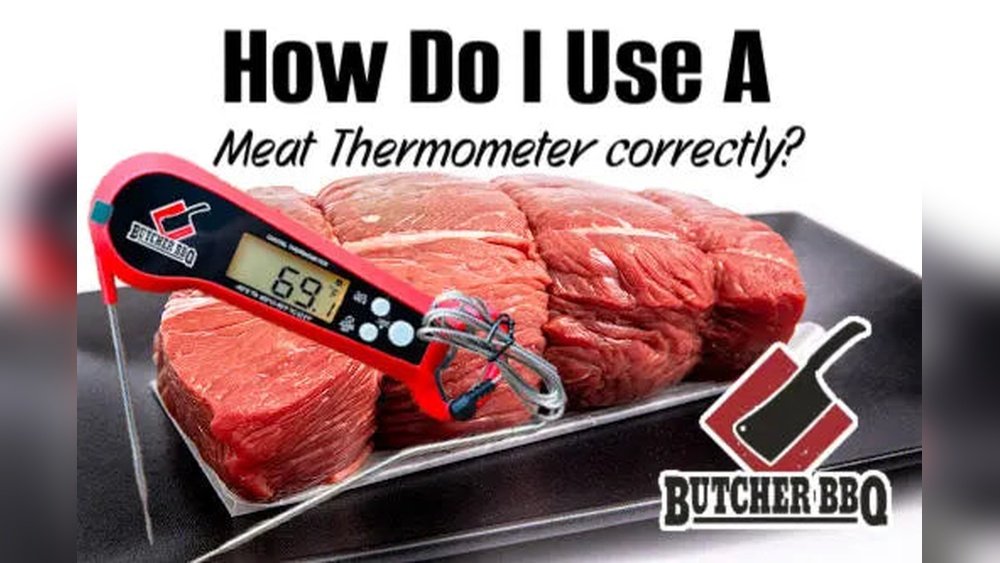
Are you wondering if you can use a meat thermometer for game meat? Whether you’re cooking venison, wild turkey, or other wild game, getting the temperature just right is key to a delicious and safe meal.
Using a meat thermometer might seem straightforward, but game meat can be a bit different from store-bought cuts. If you want to avoid undercooking or overcooking and enjoy every bite, keep reading. This guide will help you understand how to use your meat thermometer effectively for game meat, so your next meal turns out perfect every time.
:max_bytes(150000):strip_icc()/__opt__aboutcom__coeus__resources__content_migration__serious_eats__seriouseats.com__images__2016__10__20161008-meat-temp-5-e10885b8363b44bf825df1d9ae43a702.jpg)
Choosing The Right Thermometer
Choosing the right thermometer is important for cooking game meat safely and perfectly. Game meat can vary in thickness and type, so a good thermometer helps check the inside temperature accurately. This ensures the meat is cooked enough to kill harmful bacteria, but not overcooked and dry.
Types Of Meat Thermometers
There are several types of meat thermometers. The instant-read thermometer gives a quick temperature reading in seconds. It is great for checking game meat during cooking.
The digital probe thermometer stays in the meat while cooking. It sends real-time temperature to a display outside the oven or grill. This type is helpful for long cooking times.
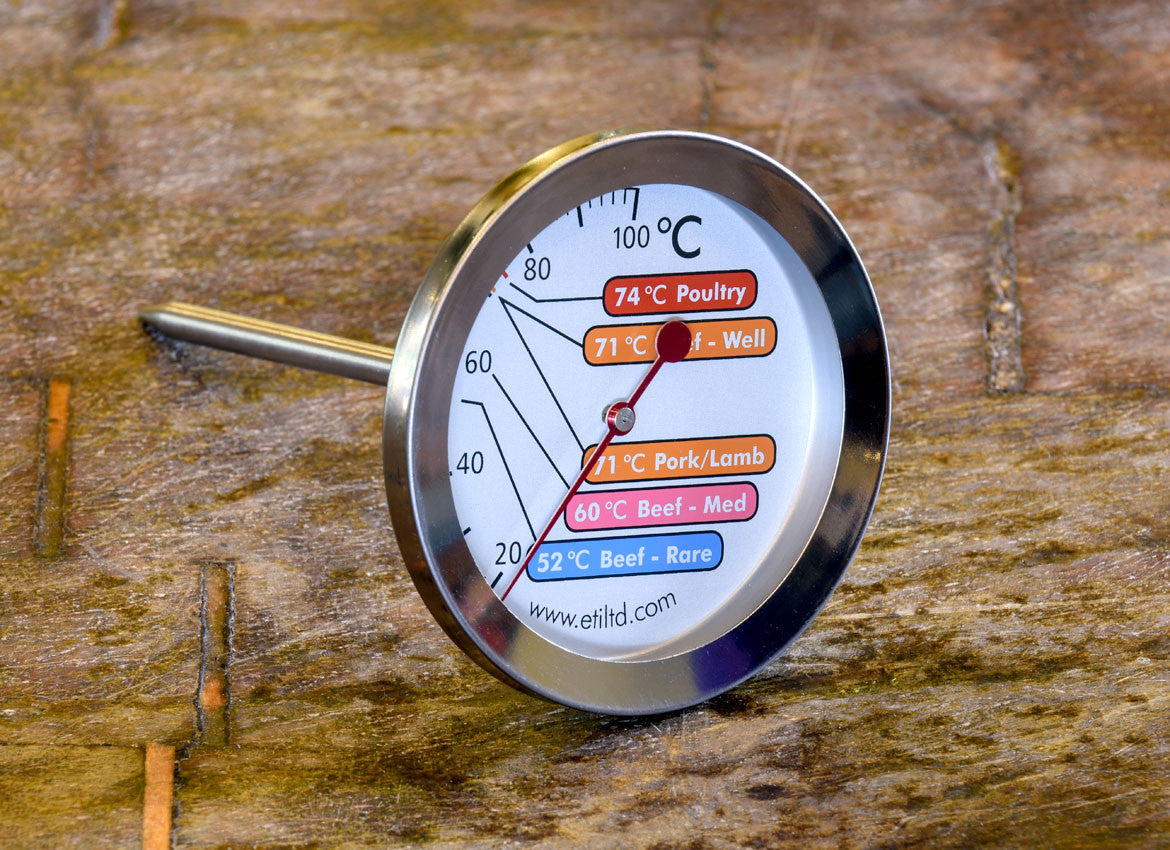
The dial or analog thermometer shows temperature on a dial. It is less common now but still works well for basic use.
Features To Look For
Choose a thermometer with a fast and accurate reading. This helps avoid overcooking or undercooking game meat. Look for a thermometer with a clear and easy-to-read display.
A waterproof design is useful for cleaning after use. The probe should be thin but strong to easily pierce game meat. A long probe helps check deep inside large cuts.
Some thermometers have preset temperatures for different meats. This feature can help cook game meat to the right doneness safely. Consider a thermometer with an alarm that signals when the meat is done.
Why Thermometers Matter For Game Meat
Using a meat thermometer for game meat is important. Game meat is different from farmed meat. It needs careful cooking to stay safe and tasty. A thermometer helps cook it just right. It shows the exact temperature inside the meat. This stops undercooking or overcooking. Here is why thermometers matter for game meat.
Ensuring Safe Cooking Temperatures
Game meat can carry harmful bacteria. Cooking it to the right temperature kills these germs. A thermometer shows if the meat is safe to eat. It removes guesswork from cooking. This helps avoid food poisoning risks. Safe temperatures depend on the type of game. Using a thermometer makes sure you cook it properly every time.
Preserving Flavor And Texture
Game meat is lean and can dry out fast. Overcooking ruins its natural taste and tenderness. A thermometer helps keep the meat juicy. It tells you the perfect moment to stop cooking. This keeps the meat soft and full of flavor. Using a thermometer protects your meal’s quality and taste.
Recommended Temperatures For Common Game
Knowing the right temperature for cooking game meat is important. It helps keep the meat safe and tasty. Using a meat thermometer ensures you cook each type of game perfectly. Different game meats need different temperatures. This guide shows the recommended temperatures for common game types.
Venison
Venison is lean and cooks quickly. Aim for an internal temperature of 130°F for rare. For medium, cook to 140°F. Overcooking can make venison dry. Use a thermometer to check the thickest part. Rest the meat for a few minutes after cooking.
Wild Boar
Wild boar is tougher than domestic pork. Cook it to 160°F for safety. This temperature kills harmful bacteria. Slow cooking helps make the meat tender. Insert the thermometer into the thickest area. Let the meat rest before slicing.
Duck And Other Birds
Wild birds need careful cooking to avoid illness. Cook duck to 165°F inside. This ensures the meat is safe. For other wild birds, use the same temperature. Check the thermometer in the thickest part. Rest the meat after cooking for juiciness.
How To Use A Meat Thermometer With Game
Using a meat thermometer with game meat helps cook it safely and perfectly. Game meat can be lean and cooks faster than regular meat. Checking the temperature ensures it is not undercooked or overdone. Follow these simple steps for the best results.
Proper Placement
Insert the meat thermometer into the thickest part of the game meat. Avoid bones, fat, and gristle as they give false readings. The center usually cooks slower and shows the true temperature. Make sure the tip is deep enough to measure the middle of the meat.
Timing For Accurate Readings
Wait at least 15 seconds after inserting the thermometer before reading the temperature. This gives the thermometer time to adjust. Check the temperature near the end of cooking but before removing the meat. Recheck in different spots if needed for even cooking.
Tips For Maintaining Your Thermometer
Maintaining your meat thermometer is key to getting accurate readings for game meat. Proper care ensures it stays reliable and lasts longer. Simple steps can keep your thermometer clean and working well.
Cleaning And Calibration
Clean the thermometer after every use. Use warm, soapy water and a soft cloth. Avoid soaking the device unless it’s waterproof. Dry it completely before storing.
Check the thermometer’s accuracy often. Calibrate it by using ice water or boiling water tests. This helps keep the temperature readings correct. A well-calibrated thermometer prevents overcooking or undercooking game meat.
Storage Best Practices
Store the thermometer in a dry, cool place. Avoid places with high heat or moisture. Use a protective case to prevent damage. Keep it away from heavy items that might bend the probe.
Make sure the battery compartment is closed tightly. Remove batteries if you won’t use the thermometer for a long time. Proper storage helps the thermometer stay ready for your next game meat cook.

Common Mistakes To Avoid
Using a meat thermometer for game meat is smart. It helps cook meat safely and tastefully. Many make mistakes that spoil the meat or cause health risks. Avoiding these errors ensures a better meal. Here are common mistakes to watch out for.
Overcooking Game Meat
Game meat is lean and cooks fast. Overcooking makes it dry and tough. Some think higher temperatures make meat safer. But too much heat destroys flavor and texture. Use the thermometer to check the right temperature. Stop cooking as soon as the thermometer shows doneness.
Ignoring Temperature Variations
Different game meats need different temperatures. Venison and duck don’t cook the same way. Not all parts of the meat heat evenly. Insert the thermometer in the thickest part. Avoid bones and fat for accurate readings. Know the recommended temperatures for each game type. This prevents undercooked or overcooked meat.
Frequently Asked Questions
Can I Use A Regular Meat Thermometer For Game Meat?
Yes, a regular meat thermometer works well for game meat. It helps ensure the meat reaches safe cooking temperatures. Use it to avoid undercooking or overcooking, preserving flavor and safety.
What Temperature Should Game Meat Reach When Cooked?
Game meat should reach at least 160°F (71°C) for safety. This temperature kills harmful bacteria while keeping meat juicy and tender. Always check the thickest part for accurate results.
How Do I Clean A Meat Thermometer After Game Meat Use?
Clean your thermometer with warm soapy water after each use. Avoid submerging digital parts to prevent damage. Proper cleaning prevents cross-contamination and ensures accurate future readings.
Are There Special Thermometers Designed For Game Meat?
Some thermometers offer quick-read and high-accuracy features ideal for game meat. However, standard meat thermometers are sufficient for most cooking needs. Choose one with an easy-to-read display.
Conclusion
Using a meat thermometer for game meat helps ensure safe cooking. It shows the right temperature inside the meat. This stops undercooking or overcooking. Game meat can be tricky because it cooks fast. A thermometer makes cooking easier and more precise.
It also keeps the meat juicy and tasty. So, a meat thermometer is a smart tool for game meat. It gives confidence in your cooking and better results every time. Simple, safe, and effective. What more could you ask for?

