
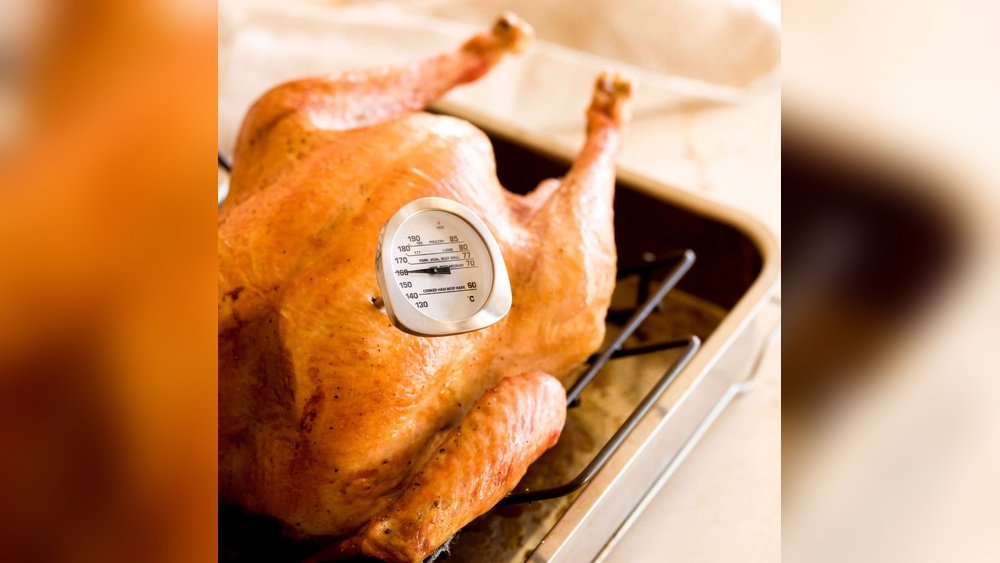
Are you unsure if you can use a meat thermometer for poultry? You’re not alone.
Getting the right temperature is key to juicy, safe-to-eat chicken or turkey. Using a meat thermometer can take the guesswork out of cooking, but you might wonder if it works the same way for all types of meat. Keep reading to discover how a meat thermometer can help you cook poultry perfectly every time—and avoid any food safety risks.
Your next meal could be tastier and safer with just one simple tool.
Why Use A Meat Thermometer
Using a meat thermometer for poultry makes cooking safer and easier. It helps check the inside temperature to know if the meat is fully cooked. This tool stops guesswork and prevents food problems.
Meat thermometers give clear proof that poultry is ready to eat. They help cook meat just right, not too raw or too dry. This small device can improve your cooking results every time.
Ensuring Food Safety
Poultry must reach a safe temperature to kill germs. A thermometer shows if the meat is hot enough inside. This prevents illnesses caused by undercooked chicken or turkey.
Achieving Perfect Doneness
Each poultry piece cooks at a different speed. A thermometer helps find the exact moment it’s done. This way, the meat stays juicy and tender, not tough or dry.
Avoiding Overcooking
Overcooked poultry loses flavor and becomes hard. A thermometer stops the meat from cooking too long. It saves the best taste and texture in every bite.
Types Of Meat Thermometers
Meat thermometers come in different types. Each type offers unique features. Choosing the right one helps cook poultry safely and perfectly.
Digital Instant-read
Digital instant-read thermometers give quick temperature results. They usually display the reading in seconds. This helps check poultry without long waiting. These thermometers are easy to use and clean. They are perfect for fast checks during cooking.
Dial Oven-safe
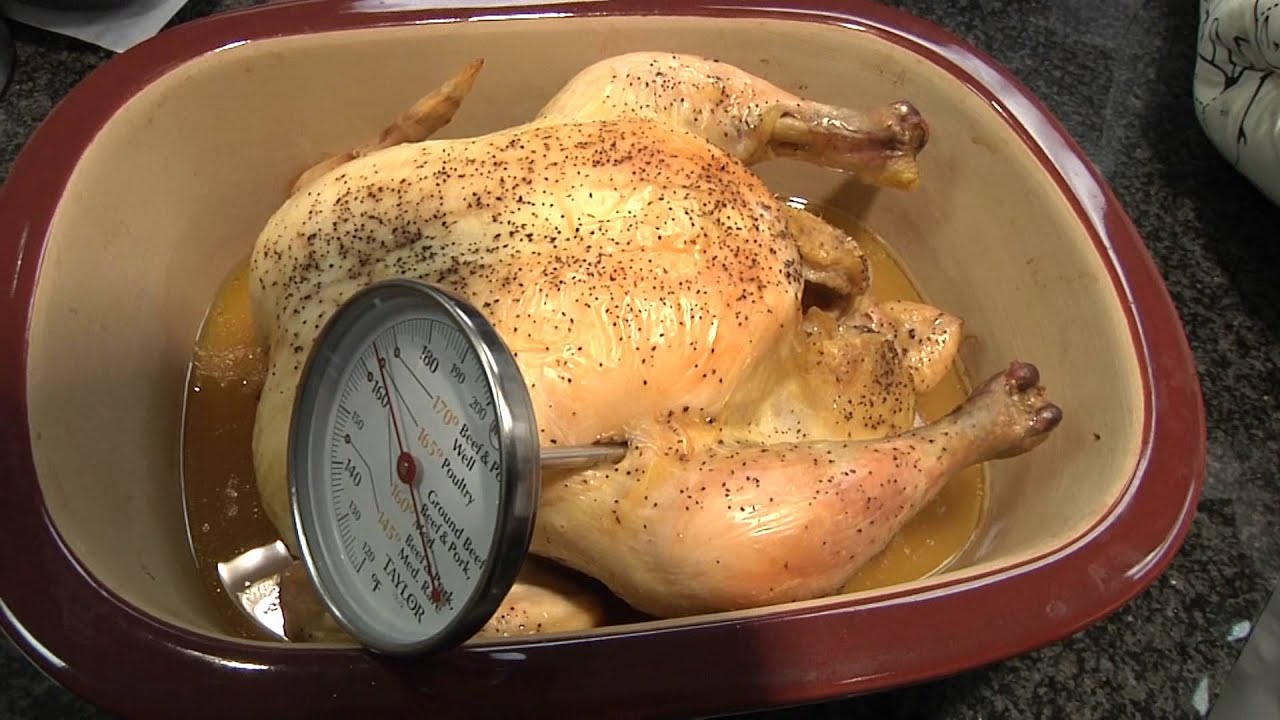
Dial oven-safe thermometers stay in the meat while cooking. They use a needle to show temperature on a dial. These thermometers can handle high oven heat. They give constant temperature readings during roasting or baking. A good choice for slow, even cooking.
Probe Thermometers
Probe thermometers have a metal probe connected to a digital display. The probe stays in the meat while cooking. Some models allow remote temperature monitoring. They help keep track of poultry without opening the oven. Useful for grilling, roasting, or smoking meat.
Using A Meat Thermometer For Poultry
Using a meat thermometer for poultry ensures the meat cooks safely and tastes great. It helps avoid undercooked or overcooked poultry. The right temperature keeps the meat juicy and tender. This tool is simple but very helpful for every cook.
Proper Insertion Points
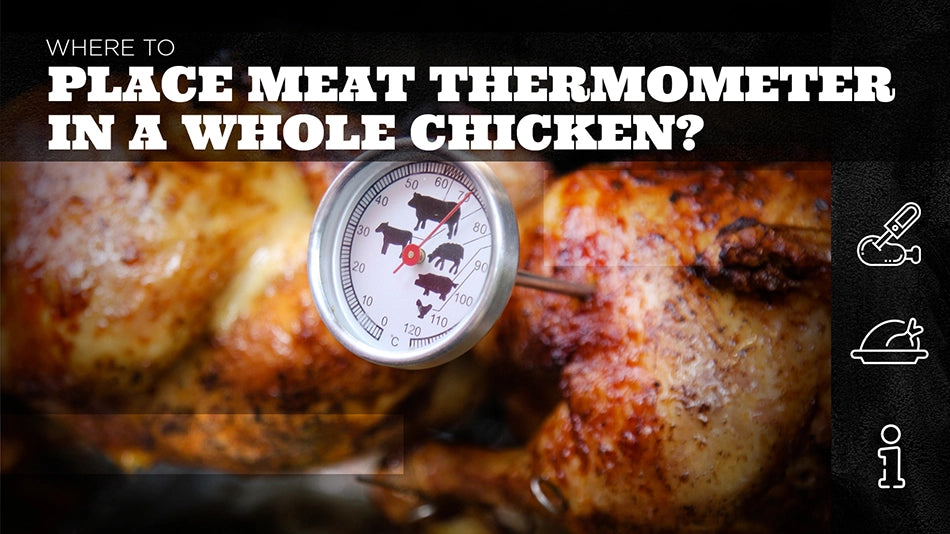
Insert the thermometer into the thickest part of the poultry. Avoid touching bones, as they heat faster and give false readings. For whole birds, check the inner thigh or breast. For smaller cuts, insert into the center. This gives the most accurate temperature.
Temperature Guidelines For Poultry
Cook poultry to at least 165°F (74°C) for safety. This kills harmful bacteria. Use the thermometer to check the temperature before serving. Let the bird rest a few minutes after cooking. The temperature stays steady, and juices settle.
Checking Different Poultry Cuts
Check breasts, thighs, and wings separately. Each piece cooks at a different rate. Insert the thermometer into the thickest part of each cut. This avoids overcooking smaller pieces. Use the thermometer often for best results.

Common Mistakes To Avoid
Using a meat thermometer for poultry is easy, but some mistakes can cause wrong readings. Avoiding these errors helps ensure your chicken or turkey is safe and juicy. Here are common mistakes to watch out for when checking poultry temperature.
Inserting Thermometer In Bone
Never put the thermometer probe into a bone. Bones heat faster than meat and give a false high reading. Always insert the probe into the thickest part of the meat, away from bones. This method shows the true temperature inside the poultry.
Not Waiting For Accurate Reading
Take time to wait for the thermometer to show a steady number. Rushing can give you a wrong temperature. Hold the probe in the meat for at least 10 to 15 seconds. Wait until the reading stops changing before removing the thermometer.
Cross-contamination Risks
Using the same thermometer on raw and cooked poultry can spread germs. Clean the probe with hot, soapy water between uses. Avoid placing the thermometer on surfaces that touched raw meat. This keeps your food safe from harmful bacteria.
Cleaning And Maintenance Tips
Keeping your meat thermometer clean and well-maintained is key for safe poultry cooking. Dirt and germs can hide on the probe. This can cause food contamination. Regular cleaning helps avoid this risk. Proper maintenance also makes your thermometer last longer. Follow these simple steps after every use.
Sanitizing After Use
Wash the probe with warm, soapy water right after use. Use a soft cloth or sponge to avoid damage. Rinse the thermometer well to remove all soap. Wipe it with a clean towel to dry. For extra safety, dip the probe in a food-safe sanitizer. Let it air dry before storing. Never immerse the whole thermometer in water. This can ruin the electronic parts.
Storing Your Thermometer Safely
Store your meat thermometer in a clean, dry place. Use a protective case if available. Avoid placing it near heat sources or sharp objects. Keep it separate from raw meat utensils. This prevents cross-contamination. Check the battery regularly and replace when needed. Proper storage keeps the thermometer ready for safe use every time.
Additional Tips For Juicy Poultry
Using a meat thermometer for poultry is smart. It helps cook the bird perfectly. But to keep poultry juicy, follow some extra tips. These tips improve flavor and texture. They also stop dryness and toughness.
Resting Time After Cooking
Rest poultry after cooking. Let it sit for 5 to 10 minutes. Resting keeps juices inside the meat. Cutting too soon makes juices run out. A short rest makes poultry tender and moist.
Using Thermometer With Marinades
Marinades add taste and moisture to poultry. Use a clean thermometer when checking temperature. Avoid inserting the thermometer through marinade. Marinade can give false readings. Insert thermometer into thickest part of meat only.
Frequently Asked Questions
Can I Use Any Meat Thermometer For Poultry?
Yes, you can use any meat thermometer for poultry. Ensure it reads the internal temperature accurately. Digital thermometers offer faster, precise results ideal for poultry.
What Is The Ideal Temperature For Cooked Poultry?
Cook poultry to an internal temperature of 165°F (74°C). This ensures harmful bacteria are killed and meat is safe to eat.
How Do I Properly Use A Meat Thermometer On Poultry?
Insert the thermometer into the thickest part of the poultry, avoiding bones. Wait until the temperature reading stabilizes for accuracy.
Can A Meat Thermometer Prevent Undercooked Poultry?
Yes, using a meat thermometer helps avoid undercooked poultry. It ensures the meat reaches a safe temperature, protecting against foodborne illnesses.
Conclusion
Using a meat thermometer ensures poultry cooks safely and tastes great. It helps check the right temperature inside the bird. This stops undercooking or overcooking. A simple tool makes cooking easier and safer. Always clean the thermometer after each use.
Remember, accurate cooking keeps your family healthy. Trust your thermometer for perfect poultry every time. Cooking with care brings better meals and less waste. Simple steps, big results.

