
Are you wondering if you can use parchment paper or silicone sheets in your food dehydrator? If you’ve ever faced sticky fruits or tiny seeds falling through the trays, you know how frustrating it can be.
Using the right liner could save you time, make cleanup easier, and even improve your drying results. But which option is best for your dehydrator? Keep reading to find out everything you need to know before placing parchment paper or silicone sheets in your machine—and make your food drying experience smoother and more efficient.
Parchment Paper In Food Dehydrators
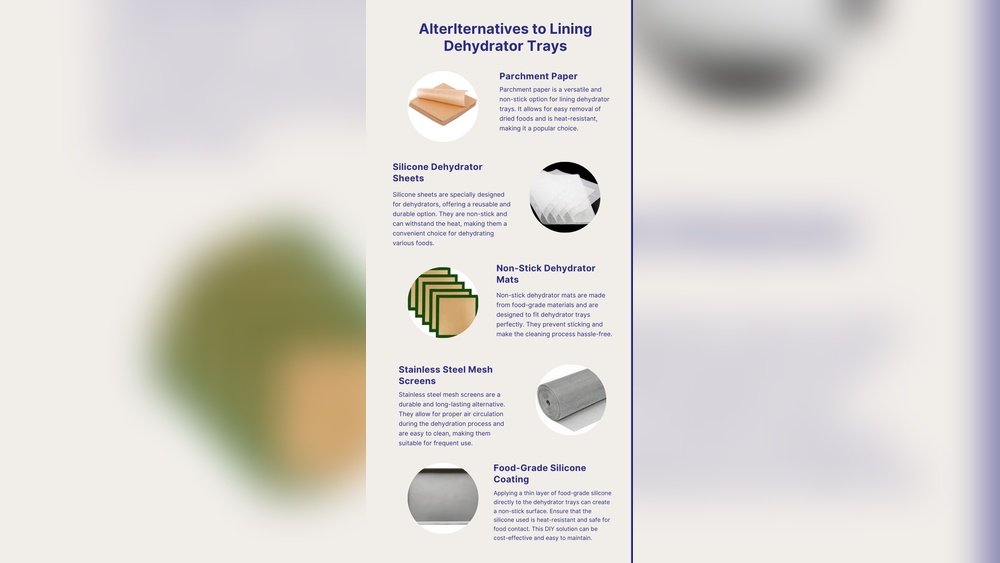
Parchment paper is a popular choice for many food dehydrator users. It provides a simple way to keep food from sticking to trays. The paper is heat-resistant and non-stick, making it useful for drying fruits, vegetables, and herbs.
Using parchment paper helps keep your dehydrator clean. It also makes it easier to remove dried food without damage. This accessory is affordable and easy to find in stores or online.
Benefits Of Using Parchment Paper
Parchment paper stops food from sticking to trays. It makes cleaning the dehydrator faster and easier. It also allows air to circulate well, which helps food dry evenly.
The paper is safe to use at typical dehydrator temperatures. It is also food-safe and does not add any taste or smell to your food.
Potential Drawbacks
Parchment paper can burn if the temperature is too high. It may also tear if it gets too dry or brittle. Sometimes, it blocks air flow if not placed properly on trays.
It is not reusable many times. You may need to replace it after each use. This can add some extra cost over time.
Safe Usage Tips
Cut parchment paper to fit the tray without covering holes. Keep the temperature below 220°F (104°C) to avoid burning. Check the paper often during drying to prevent tears.
Use parchment paper only for foods that do not drip much. Avoid overlapping sheets to maintain good air circulation. Store unused sheets in a dry place to keep them fresh.

Silicone Sheets For Dehydrating
Silicone sheets are popular tools for food dehydrating. They offer a smooth surface for drying fruits, vegetables, and herbs. Using silicone sheets can prevent food from sticking to the dehydrator trays. They also help keep the trays clean and protect delicate items during drying.
Advantages Of Silicone Sheets
Silicone sheets are flexible and easy to handle. They fit most dehydrator trays and can be cut to size. These sheets allow good air flow for even drying. They stop small pieces from falling through the trays. Silicone sheets also reduce the risk of burning or over-drying food.
Heat Resistance And Safety
Silicone sheets can withstand high temperatures safely. Most sheets work well up to 450°F (232°C). They do not melt or release harmful chemicals. These sheets are food-grade and safe for drying food. Using silicone sheets reduces the chance of toxic fumes or plastic contamination.
Cleaning And Maintenance
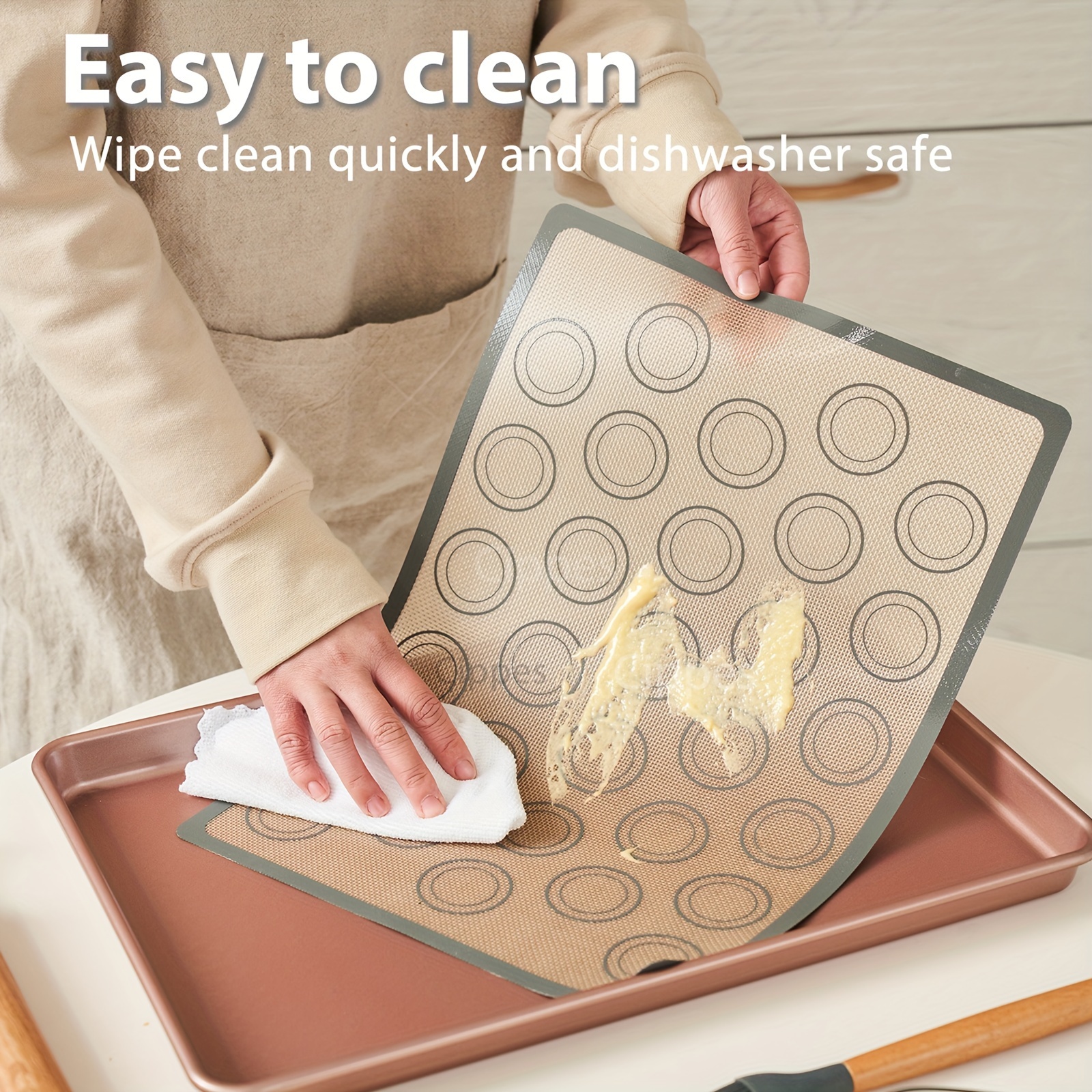
Cleaning silicone sheets is simple and quick. They are dishwasher safe and can be washed by hand. Non-stick surfaces prevent food from sticking tightly. Silicone sheets dry fast and do not absorb odors. Proper care helps them last for many drying sessions.
Comparing Parchment Paper And Silicone Sheets
Choosing between parchment paper and silicone sheets for a food dehydrator matters. Both help keep food from sticking and make cleanup easier. Understanding their differences can help you decide which fits your needs best. This section compares these two options based on durability, cost, and their effect on drying food.
Durability And Reusability
Parchment paper is mostly single-use. It can burn or tear after one or two uses. Silicone sheets last much longer. They resist heat and don’t tear easily. You can clean and reuse silicone sheets many times. This makes silicone sheets a better choice for frequent dehydrating.
Cost And Availability
Parchment paper is cheaper and easy to find in most stores. It comes in large rolls or sheets. Silicone sheets cost more upfront. You pay more but use them many times. Parchment paper suits occasional users. Silicone sheets fit those who dehydrate often.
Effect On Drying Time And Quality
Parchment paper is thin and lets air pass through small holes. This helps dry food evenly and quickly. Silicone sheets are thicker and may slow airflow. This can increase drying time slightly. Both keep food from sticking and protect trays. The choice depends on how much drying time matters to you.

Alternative Materials For Food Dehydration
Using the right material in a food dehydrator helps dry foods evenly. Some materials work better than others. Alternative materials can make drying easier and cleaner. They also protect your trays and food.
Mesh Screens
Mesh screens allow air to flow around the food. They stop small pieces from falling through the trays. Most mesh screens are made of nylon or stainless steel. Nylon is lightweight and easy to clean. Stainless steel is strong and lasts longer. Mesh screens help dry herbs, fruits, and vegetables well.
Non-stick Mats
Non-stick mats prevent food from sticking to trays. They are made from materials like Teflon or silicone. These mats are easy to clean and reusable. Non-stick mats can handle high heat inside the dehydrator. They work well for sticky or sugary foods like fruit leather. Using these mats keeps your trays clean and saves time.
Diy Options
DIY options let you customize materials for drying food. You can use parchment paper, but it must be cut to fit trays. Some people use cheesecloth to dry herbs and flowers. Another option is cutting old screen mesh to tray size. DIY materials save money and reduce waste. Always check that DIY materials are safe for your dehydrator.
Choosing The Right Accessory For Your Dehydrator
Choosing the right accessory for your food dehydrator helps improve drying results. It also protects your machine and food. Parchment paper and silicone sheets are popular options. Each has its benefits and limits. Understanding these helps pick the best one for your needs.
Types Of Foods To Dehydrate
Thin slices of fruits and vegetables dry well on parchment paper. It stops small pieces from falling through trays. Silicone sheets work best for sticky or wet foods. They prevent food from sticking to the tray. Both accessories help keep food clean and drying evenly.
Dehydrator Model Compatibility
Check your dehydrator’s instructions before use. Some models have specific tray sizes and shapes. Parchment paper fits most trays but may need trimming. Silicone sheets come in different sizes and fit many models. Using the right size ensures good air flow and drying performance.
Personal Preferences And Needs
Parchment paper is disposable and easy to replace. It’s good for one-time or occasional use. Silicone sheets are reusable and eco-friendly. They cost more upfront but save money over time. Choose based on how often you dehydrate and your cleaning habits.
Frequently Asked Questions
Can I Use Parchment Paper In A Food Dehydrator?
Yes, parchment paper is safe for food dehydrators. It prevents sticking and makes cleanup easier. Use unbleached, non-coated parchment for best results.
Are Silicone Sheets Safe For Dehydrating Food?
Silicone sheets are heat-resistant and non-stick, making them ideal for dehydrators. They allow airflow and are reusable, eco-friendly alternatives to parchment paper.
Do Parchment Paper Or Silicone Sheets Affect Drying Time?
Both materials can slightly slow drying by reducing airflow. Use perforated sheets or poke holes to maintain proper air circulation and drying efficiency.
Can Parchment Paper Or Silicone Sheets Handle High Dehydrator Temperatures?
Parchment paper typically withstands up to 420°F, while silicone sheets handle up to 480°F. Both are suitable for typical dehydrator temperatures below 160°F.
Conclusion
Parchment paper and silicone sheets work well in most food dehydrators. They help keep food from sticking and make cleanup easier. Just check your dehydrator’s instructions before use. Avoid blocking air flow for even drying. Both options are safe and practical for drying fruits, vegetables, and herbs.
Choose the one that fits your needs best. Drying food becomes simpler and less messy this way. Experiment and enjoy making healthy snacks at home!

