
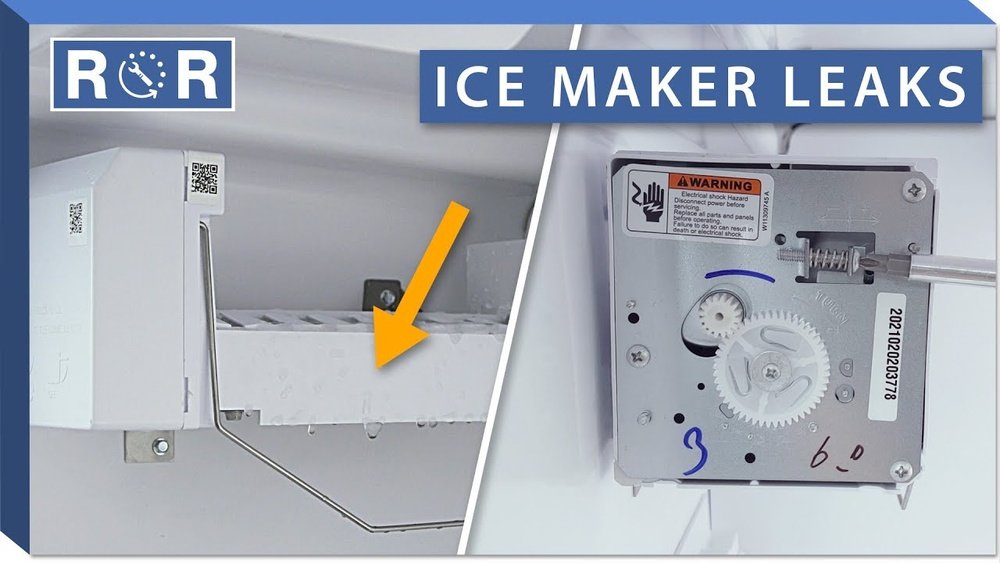
Have you ever noticed water pooling around your ice maker and wondered, “Can ice makers leak water?” If so, you’re not alone—and it’s a problem that can cause real headaches.
Water leaks don’t just make a mess; they can damage your floor, waste water, and even affect your ice maker’s performance. You’ll discover why your ice maker might be leaking, how to spot the signs early, and simple fixes you can try yourself.
Keep reading to protect your home and keep your ice maker running smoothly.
Common Causes Of Ice Maker Leaks
Ice makers are convenient appliances but can sometimes leak water. Understanding common causes helps you spot problems early. Leaks can damage floors and waste water. Knowing what causes leaks saves time and repair costs. Below are frequent reasons ice makers leak water.
Faulty Water Inlet Valve
The water inlet valve controls water flow into the ice maker. A faulty valve may fail to close properly. This causes water to drip continuously. Over time, small leaks become larger pools of water. Replacing the valve often fixes the leak.
Clogged Or Frozen Drain Lines
Drain lines remove excess water from the ice maker. Dirt or ice can block these lines. Blocked drains cause water to back up inside the unit. This water eventually leaks out onto the floor. Clearing the clog or thawing frozen lines stops leaks.
Loose Or Damaged Water Supply Line
The water supply line connects your home’s water to the ice maker. Loose fittings or cracks cause water to drip or spray. Even small holes lead to steady leaks. Tightening connections or replacing damaged lines prevents water loss.
Cracked Ice Maker Assembly
Parts of the ice maker can crack from wear or impact. Cracks allow water to escape during ice making. This causes pooling inside or under the unit. Inspecting and replacing broken parts stops leaks and restores function.
Improper Installation
Incorrect installation often leads to leaks. Poor alignment or loose connections cause water to drip. Missing seals or gaskets also contribute. Following manufacturer instructions carefully avoids leaks and damage.

How To Identify Ice Maker Leaks
Ice maker leaks can cause water damage and waste. Finding leaks early helps prevent bigger problems. You can check several parts of your ice maker to spot leaks. These simple steps guide you to identify any water leaks efficiently.
Signs Of Water Around The Ice Maker
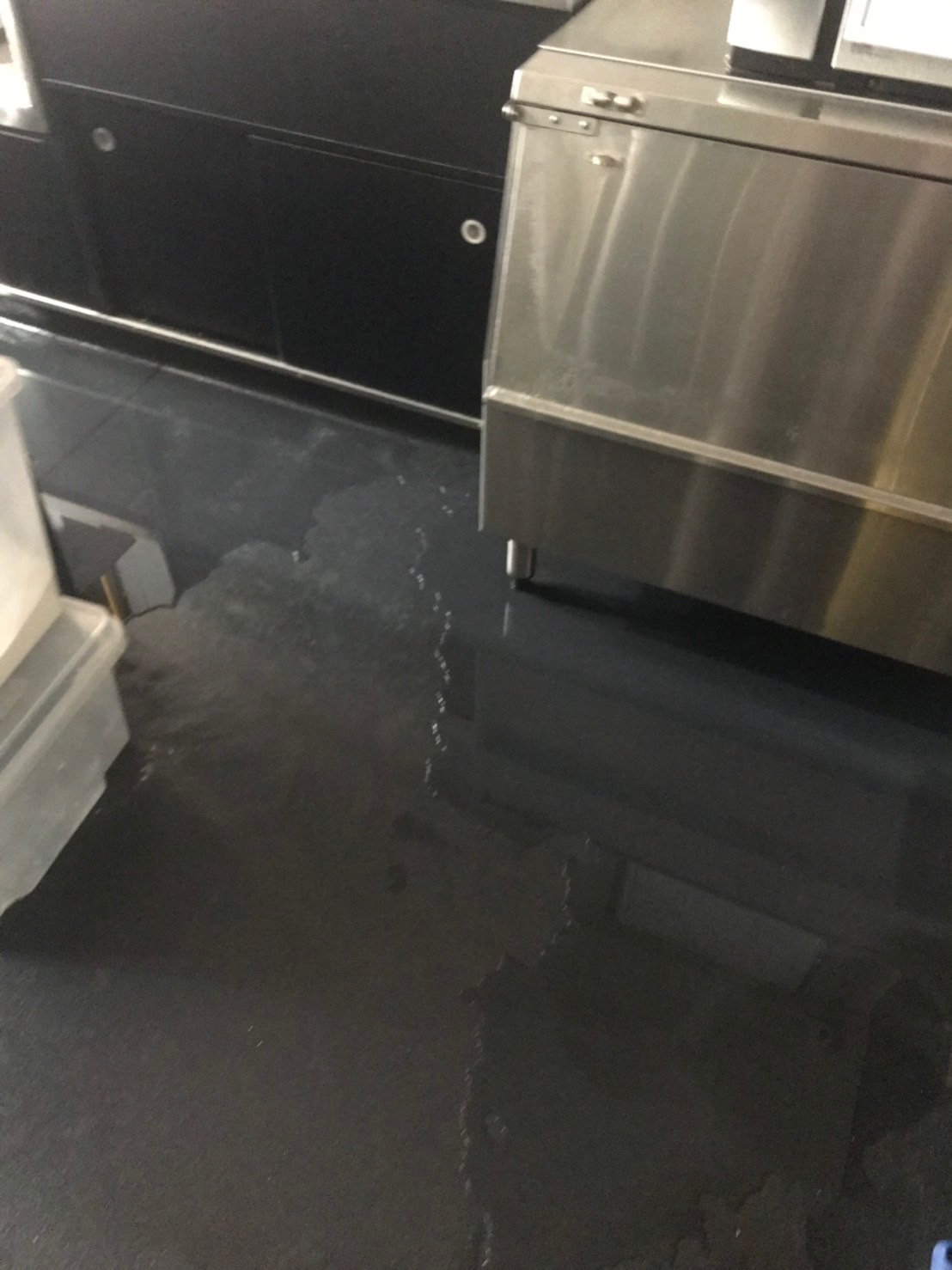
Look for puddles or wet spots near the ice maker. Check the floor and inside the freezer or fridge. Moisture or frost buildup can indicate a leak. Small pools of water need attention right away.
Checking The Water Supply Connections
Inspect the water line connected to the ice maker. Make sure the hose is tight and not cracked. Loose or damaged connections often cause leaks. Replace any worn parts to stop water from escaping.
Inspecting The Drainage System
Examine the drain pan and tubes for blockages or cracks. Clogged drains can cause water to overflow. Clear any debris to keep water flowing properly. Damaged parts should be repaired or replaced.
Testing The Water Inlet Valve
The water inlet valve controls water flow into the ice maker. Check if it opens and closes correctly. A faulty valve may leak or let too much water in. Replace a broken valve to fix water leaks.
Quick Fixes For Ice Maker Leaks
Ice maker leaks can cause wet floors and wasted water. Quick fixes help stop leaks fast. These simple repairs save time and prevent bigger damage. You can fix many leaks without a plumber.
Replacing The Water Inlet Valve
The water inlet valve controls water flow to the ice maker. A broken valve can cause leaks. Turn off the water supply before replacing it. Remove the old valve carefully. Install the new valve and reconnect the water line. Check for leaks after replacement.
Unclogging Drain Lines
Clogged drain lines can block water flow and cause leaks. Use a thin wire or pipe cleaner to remove clogs. Clear debris gently without damaging the line. Flush the drain line with warm water. This helps water flow smoothly and stops leaks.
Tightening Or Replacing Supply Lines
Loose or damaged supply lines cause water to drip. Check all connections for tightness. Use a wrench to tighten loose fittings. Replace cracked or worn supply lines with new ones. Ensure all connections are secure to prevent leaks.
Sealing Cracks In The Assembly
Cracks in the ice maker assembly let water escape. Inspect the unit for visible cracks or holes. Use waterproof sealant to cover small cracks. Allow the sealant to dry completely before use. This stops leaks and protects the ice maker parts.
Preventing Future Water Leaks
Preventing water leaks from ice makers saves money and avoids damage. Small leaks turn into big problems fast. Taking steps to stop leaks helps keep your ice maker working well. Follow easy tips to protect your appliance and home.
Regular Maintenance Tips
Clean the ice maker often. Remove ice buildup and dirt. Check water lines for cracks or wear. Tighten loose connections. Replace worn-out seals to stop leaks. Clean the water filter regularly. A clean filter keeps water flowing right. Regular checks catch small issues early. Fixing leaks early saves costly repairs.
Proper Installation Practices
Install the ice maker on a flat surface. Use the correct water line size and type. Avoid sharp bends in water tubes. Secure connections firmly to prevent leaks. Follow manufacturer instructions carefully. Incorrect installation causes leaks and damage. Hire a professional if unsure. Proper setup ensures safe, leak-free operation.
Using Quality Replacement Parts
Choose original or high-quality parts for repairs. Cheap parts wear out faster and leak. Use correct seals, water lines, and connectors. Quality parts fit better and last longer. Avoid mixing parts from different brands. This prevents leaks and keeps the ice maker reliable.
Monitoring Ice Maker Performance
Watch for unusual noises or slow ice production. Check for puddles under or near the unit. Notice changes in ice size or shape. These signs may mean a leak. Test the water pressure regularly. Low or high pressure can cause leaks. Early detection helps fix leaks fast.
When To Call A Professional
Knowing when to call a professional for an ice maker leak can save time and prevent damage. Some problems need expert skills and tools. Acting early helps avoid bigger issues and costly repairs.
Complex Repairs Beyond Diy
Some leaks come from hard-to-fix parts. Problems with internal valves or electrical components need trained hands. Trying to fix these yourself might cause more harm. Professionals have the right tools and knowledge.
Persistent Leaks After Fixes
Leaks that keep coming back need expert attention. Temporary fixes may not solve the root cause. A professional can find hidden problems behind constant leaks. They can provide a long-lasting solution.
Safety Concerns
Water and electricity together can be dangerous. Handling ice maker repairs without experience risks shocks or short circuits. Professionals follow safety rules to protect your home and family. Don’t take chances with your safety.

Frequently Asked Questions
Why Does My Ice Maker Leak Water?
Ice makers can leak due to clogged or damaged water lines. Faulty door seals or improper installation also cause leaks. Regular maintenance helps prevent water leakage and ensures efficient operation.
How Can I Fix An Ice Maker Water Leak?
Check and clear clogged water lines first. Inspect door seals for damage and replace if needed. Tighten loose connections and ensure proper installation to stop leaks effectively.
Can A Leaking Ice Maker Damage My Floor?
Yes, continuous water leakage can damage floors. It may cause mold, warping, and structural issues. Promptly fixing leaks prevents costly repairs and maintains home safety.
Is A Leaking Ice Maker A Sign Of A Bigger Problem?
Often, yes. Leaks may indicate faulty components or installation errors. Addressing the issue early prevents further damage and costly repairs.
Conclusion
Ice makers can leak water for several simple reasons. Common causes include loose connections, cracked hoses, or clogged drains. Regular checks help spot problems early and avoid bigger damage. Fix leaks quickly to keep your kitchen dry and safe. Clean and maintain your ice maker often for best results.
Small efforts prevent costly repairs later. Water leaks don’t have to be a mystery or a hassle. Stay alert, act fast, and enjoy your ice maker without worry.

