
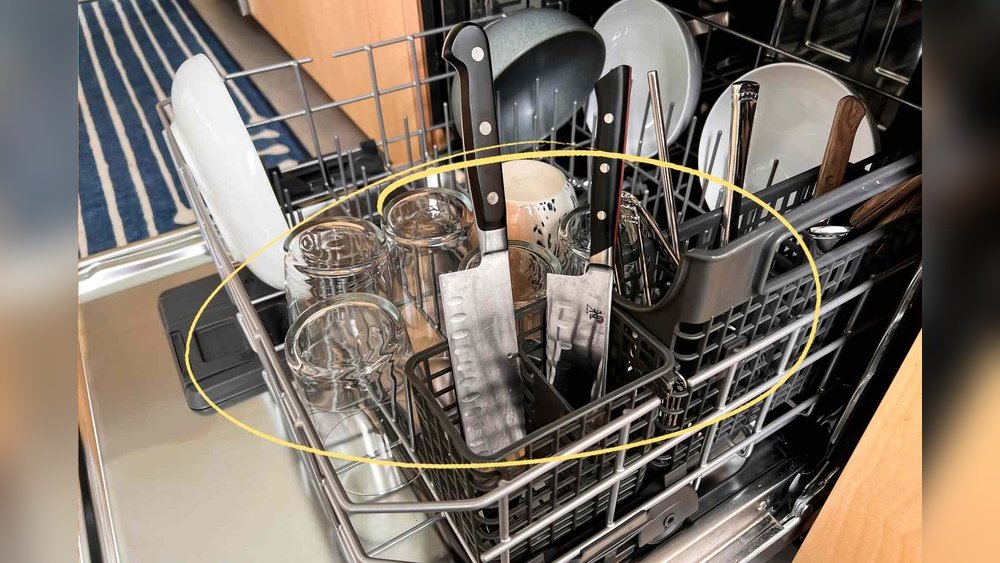
You love your chef knife—it’s sharp, reliable, and perfect for every meal you prepare. But after cooking, you face a common question: can you put your chef knife in the dishwasher safely?
It might seem like a simple choice, but what if washing it the wrong way dulls the blade or even damages your knife? Keep reading to discover the truth behind dishwasher use and how to keep your chef knife in top shape for years to come.
Your kitchen skills deserve the best care, and this guide will show you exactly how to give it.

Dishwasher Impact On Chef Knives
Putting chef knives in the dishwasher can harm their quality. The dishwasher’s heat, water, and detergents affect the knife’s blade and handle. Understanding these effects helps keep your knives sharp and safe.
Dishwasher impact on chef knives goes beyond just cleaning. It can reduce the knife’s life and performance over time.
Blade Damage Risks
The dishwasher’s strong water pressure can chip or dull the blade. Knives may bump into other items, causing nicks. Hot water and harsh detergents weaken the metal, making it less sharp.
Handle Wear And Tear
Handles made of wood or plastic can crack or fade. Heat and water cause the handle to swell or shrink. This damage weakens the grip and can make the knife unsafe to use.
Corrosion And Rust Concerns
Moisture in the dishwasher increases rust risk on metal parts. Some detergents strip protective coatings from the blade. Rust and corrosion reduce the knife’s strength and sharpness.

Expert Advice On Cleaning Chef Knives
Cleaning chef knives properly keeps them sharp and safe to use. Experts share simple tips to protect your investment. Proper care extends the knife’s life and improves kitchen safety. Follow these expert tips for the best results.
Recommended Cleaning Methods
Always clean chef knives by hand, not in the dishwasher. The dishwasher’s heat and detergents can damage the blade and handle. Use warm water and mild soap for cleaning. Avoid harsh chemicals or abrasive scrubbers that can scratch the blade. Rinse the knife thoroughly to remove all soap.
Hand Washing Techniques
Hold the knife carefully while washing to avoid cuts. Use a soft sponge or cloth to clean the blade gently. Wash from the spine to the sharp edge, not the other way. Do not soak the knife in water for a long time. Wash immediately after use to prevent food from drying on the blade.
Drying And Storage Tips
Dry the knife right after washing with a clean towel. Do not leave it to air dry to prevent rust spots. Store the knife in a knife block, magnetic strip, or protective sheath. Avoid tossing knives into drawers where they can get damaged. Proper storage keeps blades sharp and safe to handle.
When Using A Dishwasher Is Acceptable
Using a dishwasher to clean your chef knife can be safe in certain cases. Knowing when it is acceptable helps protect the blade and handle. Not all knives fit dishwasher cleaning well. Some features make knives dishwasher-safe. Proper loading and cycle choices also affect safety.
Dishwasher-safe Knife Features
Knives with stainless steel blades resist rust and corrosion. These blades handle dishwasher heat and water better. Handles made from plastic or metal do not warp easily. Avoid wooden handles, as they can crack or swell. Dishwasher-safe knives often have sealed joints to stop water damage. Check manufacturer labels for dishwasher-safe marks.
Proper Dishwasher Loading
Place knives blade-down in the dishwasher rack. This protects the blade and prevents accidents. Avoid crowding knives together. Crowding causes blades to bump and dull. Keep knives away from heavy pots and pans. This reduces the chance of chips or scratches. Loading knives separately keeps them safer during washing.
Detergents And Cycle Choices
Use gentle dishwasher detergents without bleach or harsh chemicals. Harsh chemicals can damage knife blades and handles. Select a low-heat or delicate cycle for washing. High heat can weaken the blade edge. Avoid long or heavy cycles that overexpose knives to water. Short, mild cycles help maintain knife quality.
Alternatives To Dishwasher Cleaning
Dishwashers can harm your chef knife’s blade and handle. Many chefs avoid using them. There are safer ways to clean and care for your knife. These methods keep your knife sharp and last longer.
Using alternative cleaning tools and professional services can protect your investment. They help maintain the knife’s quality and performance.
Specialized Knife Cleaning Tools
Soft sponges and gentle brushes work well for cleaning knives. They remove food without scratching the blade. A mild dish soap is enough to clean off grease and dirt.
Some tools are made just for knives. These include blade guards and drying mats. They keep the knife safe and dry after washing. Hand washing with these tools prevents rust and dulling.
Professional Sharpening And Maintenance
Professional sharpening keeps your knife edge strong. Experts use special stones and tools for perfect results. Regular sharpening makes cutting easier and safer.
Maintenance services also include blade polishing and handle care. These services extend your knife’s life. Visiting a professional is a smart way to keep your knife in top shape.
Long-term Care For Chef Knives
Proper care keeps your chef knives sharp and safe for years. Taking time to maintain them improves their performance. Long-term care means more than cleaning. It includes sharpening and smart storage. These steps protect the blade and handle from damage. Let’s explore key habits for lasting knife quality.
Regular Sharpening Practices
Sharp knives make cutting easier and safer. Dull blades slip and cause accidents. Use a sharpening stone or a honing rod often. Sharpen once every few weeks if you cook daily. Honing realigns the edge and extends sharpness between sharpenings. Avoid electric sharpeners that remove too much metal. Gentle care keeps the blade thin and precise.
Storage Solutions To Preserve Quality
Proper storage protects the blade from nicks and rust. Avoid tossing knives in a drawer with other utensils. Use a knife block or magnetic strip for safe keeping. These options prevent the blade from dulling. Keep knives dry and away from moisture. A clean, dry environment stops rust and corrosion. Proper storage extends the life of your knife.

Frequently Asked Questions
Can Dishwasher Damage A Chef Knife’s Blade?
Yes, dishwasher heat and detergents can dull and damage the blade. Hand washing preserves sharpness and blade integrity longer.
Is It Safe To Put Wooden Handle Knives In Dishwasher?
No, dishwasher moisture and heat can crack or warp wooden handles. Hand washing and drying immediately protect the handle’s durability.
How Does Dishwasher Detergent Affect Chef Knives?
Dishwasher detergents are harsh and abrasive, causing corrosion and dulling the knife’s edge. Mild soap and gentle cleaning are better options.
Can Dishwasher Spray Cause Knife Blade Rust?
Yes, strong water jets and prolonged moisture exposure can lead to rust spots on carbon steel knives. Dry knives immediately after washing.
Conclusion
Putting a chef knife in the dishwasher can dull its blade fast. Water and heat may damage the handle and metal. Hand washing helps keep knives sharp and strong longer. Use mild soap and dry the knife right away. Taking care of your knife this way saves money.
It also makes cooking safer and more fun. Choose the best cleaning method for your kitchen tools. Small efforts protect your knife and improve your cooking experience. Safe cleaning leads to better meals every day.

