
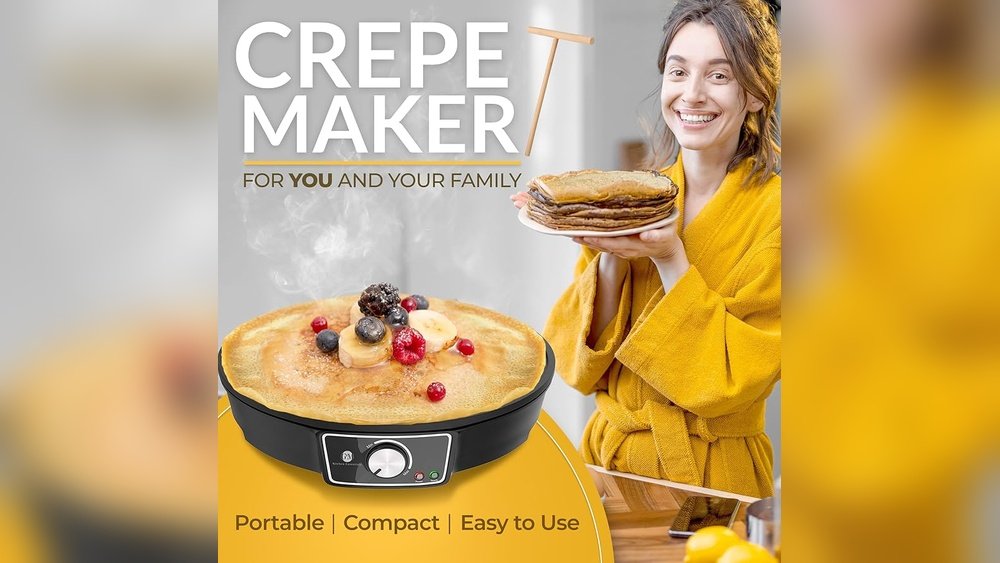
Are you wondering if your crepe maker can do double duty and whip up pancakes too? You’re not alone.
Many people ask if this handy kitchen tool can handle more than just thin, delicate crepes. The good news is, using your crepe maker for pancakes might be easier than you think—and it could change the way you make breakfast forever.
Keep reading, and you’ll discover simple tips and tricks to get perfect pancakes every time, straight from your crepe maker. Ready to unlock a new breakfast secret? Let’s dive in.
Crepe Maker Basics
A crepe maker is a special tool designed to cook thin, light crepes. It looks like a flat, round griddle. Many people wonder if they can use it for pancakes too. Understanding the basics of a crepe maker helps answer this question.
Design And Features
Crepe makers have a large, flat surface. It is usually thin and smooth. This design helps spread batter evenly. The edges are low or flat, making it easy to flip crepes. Pancakes need a bit more space to rise. Still, the design works well for small to medium pancakes.
Temperature Control
Temperature control is key on crepe makers. They often have adjustable heat settings. This lets you set the right temperature for different batters. Crepes cook quickly at medium-high heat. Pancakes may need a slightly lower heat to cook through. Good temperature control helps avoid burning or undercooking.
Surface Material
The surface is usually non-stick or coated metal. Non-stick surfaces prevent batter from sticking. This makes flipping easy and clean. Metal surfaces heat evenly for consistent cooking. Both crepes and pancakes benefit from a smooth, non-stick surface. It helps maintain shape and texture during cooking.

Pancake Batter Differences
Pancake batter differs from crepe batter in several key ways. Understanding these differences helps you decide if a crepe maker suits pancake cooking. Pancake batter is thicker and fluffier. Crepe batter is thin and smooth. These traits affect cooking style and results.
Consistency And Thickness
Pancake batter is thick. It holds shape on the griddle. It creates a soft, fluffy texture. Crepe batter is thin and runny. It spreads easily on the crepe maker. This makes crepes thin and delicate. Using thick pancake batter on a crepe maker may cause uneven cooking.
Ingredients Impact
Pancake recipes use more baking powder or soda. These ingredients help pancakes rise. Crepe batter uses less or no leavening. It relies on eggs and milk for texture. Sugar content also differs. Pancakes often have more sugar for sweetness. Crepe batter is lighter and less sweet. Ingredient differences affect batter behavior on heat.
Cooking Time Variations
Pancakes cook slower due to thickness. They need time for the inside to cook fully. Crepes cook quickly because they are thin. Crepe makers heat evenly and fast. Pancakes on a crepe maker may need longer cooking. Watch carefully to avoid burning or raw batter. Adjust timing based on batter type.
Using A Crepe Maker For Pancakes
Using a crepe maker for pancakes is a simple way to cook breakfast quickly. Crepe makers have a flat, smooth surface that heats evenly. This makes them suitable for pancakes as well. You can cook pancakes with a nice, golden color and soft texture.
The process is a bit different from using a regular pan. You need to adjust the heat, spread the batter carefully, and flip the pancake properly. These small steps make a big difference in your pancake quality.
Adjusting Heat Settings
Set the crepe maker to medium heat. Too hot will burn the pancake. Too low will make it cook slowly and unevenly. Test the heat by pouring a small drop of batter first. Adjust the temperature until the batter cooks in about one to two minutes.
Spreading The Batter
Pour the pancake batter in the center of the crepe maker. Use a spatula or a small ladle to spread the batter evenly. Spread it in a circular motion to form a round shape. Keep the batter thickness medium. Too thin makes the pancake fragile, too thick makes it uncooked inside.
Flipping Techniques
Wait until bubbles form on the pancake surface. The edges should look dry and slightly lifted. Use a thin spatula to lift one side gently. Flip the pancake quickly but carefully to avoid breaking. Cook the other side for 30 seconds to one minute until golden brown.

Benefits Of Using A Crepe Maker
Using a crepe maker offers several benefits beyond making just crepes. It provides a reliable and easy way to cook pancakes evenly and quickly. This tool can make breakfast preparation smoother and more enjoyable.
Crepe makers have features that help produce consistent results. Their design suits pancakes well, making them a practical choice in the kitchen.
Even Cooking Surface
The surface of a crepe maker heats evenly. This means pancakes cook the same on all sides. No burnt spots or raw centers. The flat, smooth surface spreads heat uniformly. It helps pancakes have a nice golden color and soft texture.
Quick Heating
Crepe makers warm up fast. You don’t wait long for the right temperature. This saves time during busy mornings. The quick heat helps pancakes cook faster. You can make several pancakes in a short period. This keeps breakfast moving smoothly.
Easy Cleanup
Cleaning a crepe maker is simple. Its non-stick surface stops batter from sticking. You only need a soft cloth or sponge for cleaning. No hard scrubbing or soaking required. This saves effort and keeps the tool ready for the next use.
Common Challenges And Fixes
Using a crepe maker for pancakes can bring some challenges. These issues can affect how your pancakes cook and taste. Knowing common problems and their solutions helps you get better results. This section covers typical challenges and easy fixes.
Sticking Issues
Pancakes often stick to the crepe maker’s surface. This happens if the surface is not hot enough or lacks oil. Preheat the crepe maker well before adding batter. Lightly grease the surface with butter or oil. Use a non-stick spray for easier release. Avoid pressing the pancake too hard on the surface.
Uneven Cooking
Uneven heat causes pancakes to cook poorly. Some parts cook fast, others stay raw. Check the crepe maker’s heat settings and adjust as needed. Spread the batter evenly and thinly for consistent cooking. Flip pancakes gently at the right time. Give the crepe maker time to heat fully before cooking.
Size And Shape Differences
Crepe makers are large and round, making smaller pancakes tricky. Pancakes may cook unevenly if batter spreads too much. Use less batter for smaller pancakes. Pour batter slowly in the center, then spread gently. Try a spatula or ladle to control size. This helps keep pancakes uniform and easy to flip.

Expert Tips For Best Results
Using a crepe maker for pancakes can be simple and fun. To get the best pancakes, some expert tips help a lot. These tips cover how to prepare the batter, set the right temperature, and serve the pancakes well. Follow them to make tasty pancakes on your crepe maker.
Batter Preparation Tips
Use a smooth batter without lumps. Mix flour, eggs, milk, and a pinch of salt well. Let the batter rest for 10-15 minutes. This helps the flour absorb the liquid. Thin batter works best for crepe makers. Add a little oil or melted butter to avoid sticking.
Temperature Recommendations
Set the crepe maker to medium heat. Too hot, and the pancakes burn quickly. Too low, and they cook slowly and unevenly. Wait for the surface to heat fully before pouring batter. Check by sprinkling a few drops of water; they should dance and evaporate fast.
Serving Suggestions
Serve pancakes warm for the best taste. Add fresh fruit, syrup, or honey on top. A sprinkle of powdered sugar adds a nice touch. Roll or fold pancakes with fillings like jam or cream cheese. Simple toppings keep the pancakes light and delicious.
Frequently Asked Questions
Can You Make Pancakes On A Crepe Maker?
Yes, you can make pancakes on a crepe maker. It heats evenly and cooks batter quickly. The flat surface allows for easy flipping and consistent results.
Is A Crepe Maker Better Than A Griddle For Pancakes?
A crepe maker offers a smooth, non-stick surface ideal for thin pancakes. Griddles may be better for thicker pancakes. Both work well depending on your pancake style.
How Do Pancakes Cook Differently On A Crepe Maker?
Pancakes on a crepe maker cook faster and thinner due to the even heat. This results in a delicate texture and uniform browning on both sides.
Can A Crepe Maker Handle Thick Pancake Batter?
Crepe makers work best with thin batter. Thick pancake batter may cook unevenly or stick. For fluffy pancakes, a griddle or frying pan might be better.
Conclusion
A crepe maker works well for pancakes too. It heats evenly and cooks fast. Pancakes may be thicker, so adjust the batter. You can enjoy both with one tool. This saves space and time in your kitchen. Try it out and see what you like best.
Simple, quick, and tasty breakfasts await.

