
If you own a bottom freezer refrigerator, you probably love the easy access to fresh food at eye level. But what happens when your fridge starts acting up?
You might notice strange noises, uneven cooling, or even water leaks. These common issues can disrupt your daily routine and cause frustration. You’ll discover the most frequent problems with bottom freezer refrigerators and simple tips to fix them before they turn into costly repairs.
Keep reading to protect your investment and keep your fridge running smoothly.
Frequent Cooling Problems
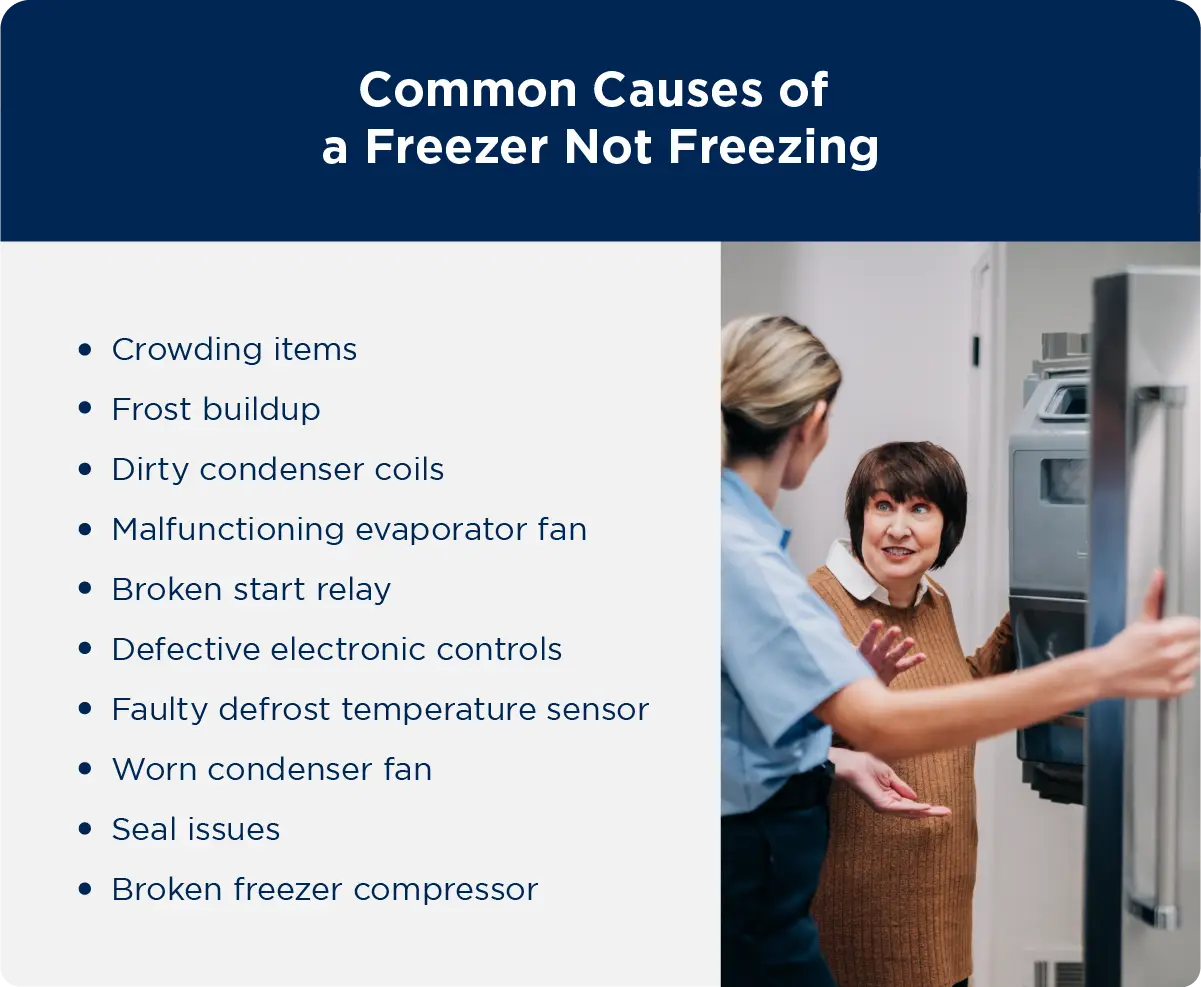
Bottom freezer refrigerators can face several cooling problems that affect food freshness. These issues often cause uneven cooling and temperature fluctuations. Understanding common cooling problems helps maintain your fridge’s performance and food quality.
Uneven Temperature Zones
Uneven temperature zones happen when some parts of the fridge are colder than others. This can cause food to spoil faster in warmer spots. Poor air circulation or blocked vents often cause uneven cooling. Regularly check for items blocking airflow inside the fridge. Proper air movement ensures consistent temperatures throughout.
Freezer Not Cold Enough
A freezer that is not cold enough can lead to thawing and food spoilage. This problem may come from a faulty thermostat or dirty condenser coils. Make sure coils are clean and free of dust. Check the door seal for air leaks. A tight seal keeps the cold air inside and improves cooling.
Fridge Overcooling
Overcooling happens when the fridge temperature drops too low. This can freeze fresh fruits and vegetables, ruining their texture and taste. A broken temperature sensor or incorrect thermostat setting can cause this. Adjust the temperature to the recommended level. Monitor the fridge to avoid freezing food unintentionally.
Frost And Ice Buildup
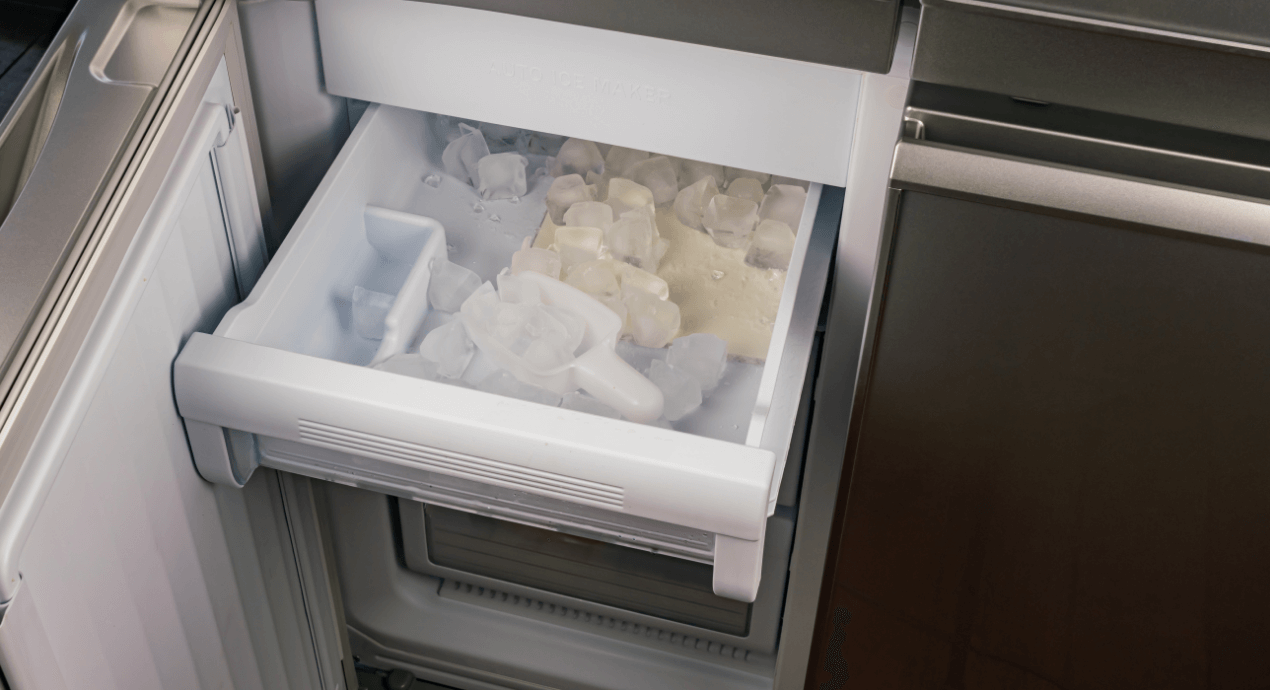
Frost and ice buildup is a common problem in bottom freezer refrigerators. It can reduce cooling efficiency and waste energy. Ice can block vents and damage food quality. Understanding the causes helps keep your fridge running well.
Causes Of Frost Formation
Frost forms when warm air meets cold surfaces inside the freezer. Moisture in the air turns into ice on walls and shelves. Frequent door opening lets humid air enter, increasing frost. Poor door seals and damaged gaskets also allow air leaks. A faulty defrost system can lead to frost buildup too.
Defrosting Techniques
Manual defrosting is a simple way to remove ice. Turn off the fridge and open the freezer door. Let the ice melt naturally or use a bowl of hot water inside. Avoid sharp tools that can damage the freezer. Wipe away water and dry the freezer before closing the door. Regular defrosting keeps frost under control.
Preventing Future Ice Build-up
Keep freezer door closed as much as possible. Check and replace door seals if they are worn out. Avoid placing hot or uncovered food inside. Set the temperature to recommended levels for your model. Clean the freezer regularly to remove dirt and debris. These steps reduce frost and improve fridge performance.
Door And Seal Issues
Bottom freezer refrigerators offer great storage but sometimes face door and seal issues. These problems affect cooling efficiency and energy use. Proper sealing keeps cold air inside and warm air out. When seals or doors fail, the fridge works harder to stay cold. This leads to higher bills and spoiled food. Understanding common door and seal issues helps keep your fridge in top shape.
Worn Out Gaskets
Gaskets are rubber strips that seal the fridge door. Over time, they can crack, tear, or become hard. This lets cold air escape. A worn gasket causes frost buildup and higher energy use. Check gaskets often for damage. Clean them gently to keep them soft and flexible. Replace gaskets if they no longer seal tightly.
Misaligned Doors
Doors can become misaligned after heavy use or bumps. A door that does not close evenly causes gaps. These gaps let warm air enter the fridge. Misaligned doors lead to uneven cooling and frost inside. Adjust the door hinges to fix alignment. A properly aligned door closes firmly and seals well.
Air Leak Detection
Air leaks reduce fridge efficiency and raise energy costs. Detect leaks by feeling for cold air around the door edges. Another way is to close the door on a piece of paper. If you can pull the paper out easily, the seal is weak. Use a flashlight to spot light shining through the gasket. Fix leaks quickly to maintain proper cooling and save energy.
Noise And Vibration Troubles
Bottom freezer refrigerators are popular for their convenience and storage space. Noise and vibration problems can reduce their comfort and performance. These issues can be annoying and sometimes indicate a deeper problem.
Understanding the causes of noise and vibration helps keep your fridge running smoothly. Small fixes often solve these troubles quickly.
Common Noise Sources
The most common noise comes from the compressor. It hums or buzzes while working. Fans inside the fridge can also make noise, especially if dirty or blocked. Ice makers may click or buzz during operation. Loose parts or items inside the fridge can rattle when the door opens or closes.
Fixing Loud Vibrations
Vibrations often happen when the fridge is not level. Check and adjust the feet to stabilize the unit. Make sure the fridge does not touch the wall or cabinets. Tighten any loose screws or panels. Remove items that might be causing rattles inside the fridge or freezer.
When To Call A Technician
Call a technician if the noise is loud and constant. Strange sounds like grinding or knocking need professional attention. If vibrations continue after adjustments, a service check is necessary. Avoid using the fridge if it shows signs of mechanical issues to prevent damage.
Water Leakage Concerns
Water leakage is a common problem with bottom freezer refrigerators. It can cause damage to your floor and create a mess. Understanding the causes helps to fix the issue quickly. Many leaks come from simple problems inside the fridge.
Drain Blockages
The drain carries melted frost from the freezer to a drip pan below. Dirt or food pieces can block the drain hole. When blocked, water collects inside the fridge. This causes water to pool on the bottom or leak out.
Condensation Causes
Condensation forms when warm air meets cold surfaces. If door seals are damaged, warm air enters the fridge. This increases moisture inside. Excess moisture leads to water buildup and leaks. Keeping door seals tight stops this problem.
Simple Drain Cleaning
Unclogging the drain is easy. Use warm water or a small brush to clear the hole. Regular cleaning prevents blockages and leaks. Check the drain every few months to keep water flowing well.
Power And Electrical Problems
Power and electrical problems often cause frustration with bottom freezer refrigerators. These issues stop the fridge from working properly. They affect cooling and food safety. Understanding common electrical faults helps to fix problems faster.
Frequent Power Loss
Power loss can happen suddenly or often. It may be due to loose plugs or faulty wiring. Sometimes, the outlet does not supply steady power. These interruptions make the fridge stop working. This can spoil food and waste energy.
Faulty Thermostats
Thermostats control the fridge temperature. A faulty thermostat can cause temperature swings. The freezer may become too warm or too cold. This results in poor food preservation. Replacing a bad thermostat restores proper cooling.
Resetting The Controls
Resetting the fridge controls can solve minor electrical glitches. This process clears errors and restarts the system. It often fixes problems like unresponsive displays or incorrect temperatures. Always follow the manufacturer’s guide for reset steps.
Frequently Asked Questions
Why Is My Bottom Freezer Refrigerator Not Cooling Properly?
A bottom freezer may not cool well due to blocked vents or dirty condenser coils. Check airflow and clean coils regularly. Ensure door seals are tight to prevent warm air entry. If issues persist, a professional inspection is recommended.
How To Fix Frost Buildup In Bottom Freezer Refrigerators?
Frost buildup often results from a faulty door seal or frequent door opening. Defrost manually if needed. Inspect and replace damaged seals. Avoid leaving the freezer door open for long periods. Regular maintenance helps prevent frost accumulation.
What Causes Unusual Noises In Bottom Freezer Refrigerators?
Unusual noises usually come from the evaporator fan or compressor. Ice buildup can block fan blades causing noise. Clean the freezer interior and ensure proper defrost cycles. If noise continues, consult a technician for fan or motor issues.
How Can I Improve Energy Efficiency In Bottom Freezer Fridges?
Keep coils clean and doors sealed tightly to improve efficiency. Set temperatures to manufacturer’s recommended settings. Avoid overloading the fridge to allow proper air circulation. Regular maintenance helps reduce energy consumption and extends appliance life.
Conclusion
Bottom freezer refrigerators have common problems you should know. Issues like uneven cooling and door seal leaks happen often. Regular cleaning and maintenance can help avoid many troubles. Pay attention to strange noises or frost buildup early. Fix small problems before they get bigger and cost more.
Choosing the right model and care keeps your fridge working well. Stay informed and act fast to protect your food and fridge. Simple steps can save time and money in the long run.

