
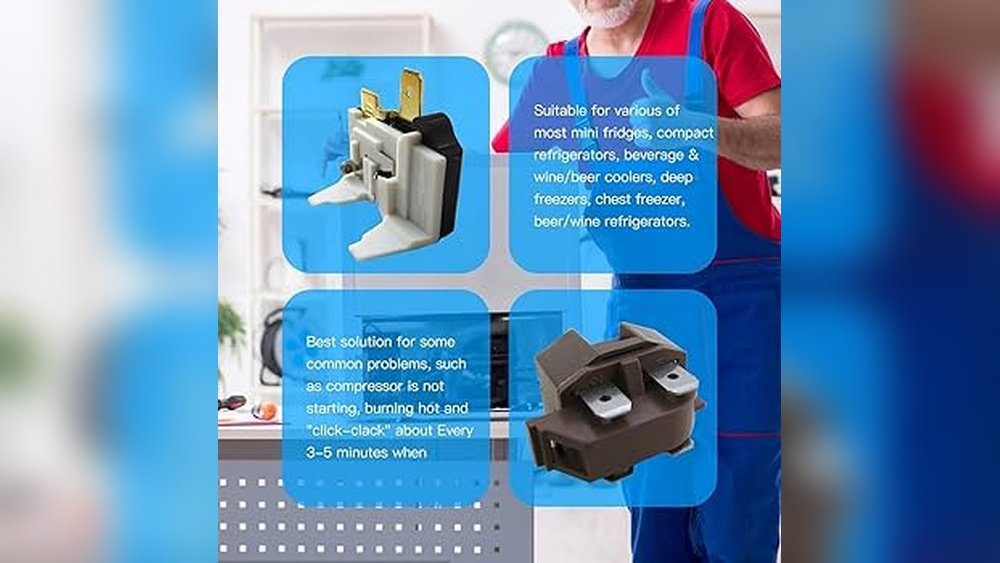
Are you struggling with your compact refrigerator? You’re not alone.
These small appliances are perfect for tight spaces, but they often come with their own set of challenges. From uneven cooling to strange noises, these common problems can be frustrating and hard to fix. If you want to keep your fridge running smoothly and avoid costly repairs, understanding these issues is the first step.
Keep reading to discover the most frequent compact refrigerator problems and how you can solve them quickly. Your fridge—and your peace of mind—will thank you.

Frequent Cooling Issues
Cooling problems are common in compact refrigerators. These issues affect food safety and freshness. Understanding typical cooling troubles helps you fix them faster. This section covers three frequent problems: insufficient coldness, freezer overfreezing, and uneven temperature.
Fridge Not Cold Enough
A fridge that does not get cold can spoil food quickly. Causes include dirty condenser coils or a faulty thermostat. Poor door seals let warm air in. Check if the fridge is overfilled or placed near heat sources. These factors reduce cooling efficiency and raise internal temperature.
Freezer Overfreezing
Too much frost in the freezer blocks airflow and lowers efficiency. It happens when the door is left open or the defrost system fails. Excess frost can stick food together and waste space. Regular defrosting and checking door seals help prevent this problem.
Uneven Temperature Distribution
Some compact fridges cool some areas better than others. Hot spots can cause food spoilage and cold spots can freeze items unintentionally. Blocked vents or poor air circulation often cause uneven cooling. Organize items to allow airflow and avoid overpacking to fix this issue.

Noisy Operation
Compact refrigerators often face noisy operation issues. This noise can disrupt quiet spaces like offices or bedrooms. Understanding the common noise sources helps in managing or fixing them. Below are typical causes of noise in compact refrigerators.
Loud Compressor Sounds
The compressor is the fridge’s heart. It works hard to keep things cold. Sometimes, it makes loud humming or buzzing sounds. These noises can be normal but may become annoying. If the sound is very loud, the compressor might be struggling. Dirt or lack of oil can cause it to work harder.
Vibrations And Rattling
Vibrations come from the fridge running. Loose parts or uneven surfaces make rattling sounds. The fridge may shake slightly during operation. Placing the fridge on a flat, stable floor reduces this noise. Tightening screws and checking for loose items inside helps too.
Fan Noise Troubles
Fans help circulate cold air inside. Over time, dust or debris can build up on the fan blades. This buildup causes the fan to spin unevenly and make noise. A worn motor can also cause a loud fan sound. Cleaning or replacing the fan often solves this problem.
Water Leakage Problems
Water leakage is a common issue with compact refrigerators. It can cause damage to floors and walls. It also makes the fridge less efficient. Understanding the causes helps you fix the problem faster.
Drain Blockages
Drain blockages stop water from flowing out properly. Water builds up inside the fridge and leaks out. Dirt and food particles often clog the drain hole. Cleaning the drain regularly keeps water flowing freely.
Condensation Buildup
Condensation happens when warm air meets cold surfaces. This causes water droplets inside the fridge. Too much condensation can overflow and leak out. Keeping the fridge door closed helps reduce condensation.
Door Seal Failures
Door seals keep cold air inside and moisture out. If seals are damaged or dirty, water can leak. Check seals for cracks or gaps. Clean seals often to maintain a tight fit.
Power And Electrical Issues
Power and electrical issues are common problems with compact refrigerators. These issues can stop the fridge from working or cause it to work poorly. Electrical problems also affect the fridge’s cooling ability. Understanding these problems helps in fixing them quickly and keeping your fridge running well.
Fridge Not Turning On
One common problem is the fridge not turning on. This can happen because of a loose plug or a broken power cord. Sometimes, the power outlet itself is faulty. Checking the power source is the first step to solving this issue. A blown fuse or tripped circuit breaker can also stop the fridge from starting.
Frequent Power Surges
Power surges can damage a compact fridge. Surges happen when electricity flows with extra voltage. This can harm the fridge’s compressor and electrical parts. Protecting the fridge with a surge protector can prevent damage. Frequent power surges reduce the fridge’s lifespan and may cause it to stop working.
Faulty Thermostat
The thermostat controls the fridge’s temperature. A faulty thermostat can cause the fridge to get too cold or not cold enough. This problem can waste energy and spoil food. Sometimes, the thermostat needs adjusting or replacing. Testing the thermostat helps in finding the right temperature setting.
Door And Seal Concerns
Door and seal issues are common problems with compact refrigerators. These problems affect the fridge’s ability to keep food cold. A door that does not close well or a worn-out seal can cause cold air to escape. This makes the fridge work harder and wastes energy. Understanding these issues helps you keep your fridge working well.
Door Not Closing Properly
A door that does not close properly can cause many problems. Sometimes the door gets stuck or is misaligned. Dirt or food crumbs can block the door from closing fully. A door left open too long also causes cooling problems. Check the hinges and clean the edges to help the door close tight.
Damaged Door Gaskets
Door gaskets are the rubber seals around the fridge door. They keep cold air inside and warm air out. Over time, gaskets can crack, tear, or become loose. Damaged gaskets reduce the fridge’s cooling ability. Replace worn gaskets to keep the fridge running efficiently.
Air Leakage Effects
Air leaks cause the fridge to use more energy. Warm air entering the fridge raises the temperature inside. This can spoil food faster and increase electricity bills. The fridge’s compressor works harder and may wear out sooner. Fixing door and seal issues stops air leaks and saves energy.
Maintenance Tips
Maintaining a compact refrigerator is key to keeping it efficient and lasting longer. Small problems can turn into big issues without proper care. Simple steps can help avoid common troubles and keep your fridge running smoothly.
Cleaning The Coils
Dust and dirt on the coils make the fridge work harder. Clean the coils every three months. Use a soft brush or vacuum to remove dust. This helps the fridge stay cool and saves energy.
Defrosting Techniques
Ice buildup reduces cooling power and wastes energy. Turn off the fridge and remove all items. Let the ice melt naturally or use a bowl of hot water inside. Avoid sharp tools to prevent damage.
Regular Seal Checks
Door seals keep cold air inside. Check seals for cracks or gaps monthly. Clean seals with warm, soapy water to remove dirt. Replace damaged seals to stop cold air leaks and save energy.
When To Call A Professional
Knowing when to call a professional for your compact refrigerator saves time and prevents damage. Some problems are simple and can be fixed at home. Others need expert skills and tools. Recognizing serious issues helps keep your fridge running longer.
Complex Electrical Repairs
Electrical problems can be dangerous. Faulty wiring or damaged circuits need careful handling. A professional has the right tools and training. Avoid trying complex electrical fixes by yourself. This keeps you safe and protects the fridge.
Compressor Replacement
The compressor is the heart of your fridge. When it fails, the fridge stops cooling properly. Replacing a compressor is tricky and costly. Professionals know how to remove and install it correctly. This work requires special tools and knowledge.
Persistent Cooling Failures
Sometimes the fridge stops cooling after many attempts to fix it. Persistent cooling issues may mean deeper problems. A technician can find hidden faults quickly. They test components and systems thoroughly. Calling a professional prevents wasting time and money.
Frequently Asked Questions
Why Is My Compact Refrigerator Not Cooling Properly?
A common cause is blocked air vents or dirty condenser coils. Ensure proper ventilation and clean coils regularly. Also, check the thermostat settings and door seals for any leaks. These steps help maintain efficient cooling performance in compact refrigerators.
How To Fix A Noisy Compact Refrigerator?
Noises often result from a faulty compressor or loose components. First, unplug the fridge and inspect for loose parts. Clean the condenser fan and coils. If noise persists, the compressor might need professional repair or replacement.
What Causes Water Leakage In Compact Refrigerators?
Water leakage usually stems from a clogged defrost drain or a damaged door seal. Clear the drain hole with warm water and check seals for cracks. Proper maintenance prevents water buildup and protects your floor from damage.
How Often Should I Clean My Compact Refrigerator?
Clean the interior and exterior every 3-4 months. Regular cleaning prevents mold, bad odors, and maintains hygiene. Don’t forget to vacuum the condenser coils every six months to improve efficiency and extend the appliance’s lifespan.
Conclusion
Compact refrigerators often face common issues like poor cooling and noise. Regular cleaning and proper placement can help avoid many problems. Check door seals and temperature settings for better performance. Small repairs can extend the fridge’s life. Understanding these issues saves time and money.
Keep your compact fridge working well with simple care. Don’t ignore signs of trouble; act quickly to fix them. A little attention goes a long way in maintaining your fridge. Stay aware and enjoy fresh food every day.

