
Have you ever opened your deep freezer only to find your food not as frozen as it should be? Or maybe you’ve heard strange noises coming from it that make you worry something is wrong.
Deep freezers are great for keeping your food fresh for longer, but they can come with their own set of problems. If you want to avoid costly repairs or spoiled food, it’s important to know what issues to watch out for.
You’ll discover the most common problems with deep freezers and how to spot them early. Keep reading to protect your food and your wallet.
Freezer Not Cooling
One common issue with deep freezers is when they stop cooling properly. This problem can cause food to spoil quickly. It also wastes electricity and may need urgent attention.
Several simple checks can help identify the cause. Some issues are easy to fix without a technician. Start with basic steps to find the problem.
Check Power Supply
Make sure the freezer is plugged in securely. Look for any loose or damaged cords. Confirm the power outlet works by testing another device. A power cut or tripped breaker can stop cooling.
Inspect Door Seal
Check the freezer door gasket for cracks or gaps. A damaged seal lets cold air escape. This causes the freezer to run longer and still not cool. Clean the seal to remove dirt and ensure it closes tightly.
Clean Condenser Coils
Dirty coils reduce cooling efficiency. Dust and debris block heat release. Unplug the freezer and gently clean coils with a brush or vacuum. Keep coils clean to help the freezer cool better and save energy.
Frost Buildup Issues
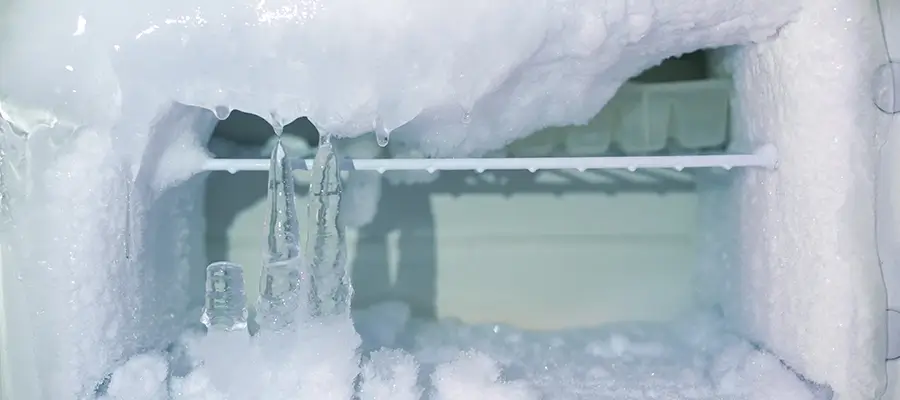
Frost buildup is a common problem in deep freezers. It happens when moisture freezes inside the freezer and forms ice layers. This ice can block air flow and reduce the freezer’s efficiency. Over time, frost buildup can make the freezer work harder and use more energy.
Frost can also take up space, leaving less room for your food. It can cause the freezer door to not close properly. This leads to more frost and even higher electricity bills. Fixing frost buildup early can save money and keep food fresh longer.
Defrost Manually
Turn off the freezer to start defrosting. Open the door and let the ice melt naturally. Place towels to catch the water. Never use sharp tools to remove ice. This can damage the freezer walls. Wipe the inside dry before turning it back on.
Examine Door Gasket
Check the door gasket for cracks or dirt. A bad seal lets warm air inside. This causes frost to form quickly. Clean the gasket with warm soapy water. Replace it if you see damage. A good seal keeps frost at bay.
Adjust Temperature Settings
Set the freezer temperature to the recommended level. Too cold can cause more frost. Too warm can spoil food. Most freezers work best between -18°C and -20°C. Use a freezer thermometer to check the temperature. Adjust settings as needed for best results.
Strange Noises
Strange noises coming from your deep freezer can be worrying. They often signal a problem that needs attention. These sounds range from buzzing and clicking to rattling or humming. Understanding the source helps fix the issue quickly and avoid bigger damage.
Identify Noise Source
Listen closely to find where the noise comes from. Check the back panel near the compressor and fan area. Sometimes noises come from inside the freezer or from the compressor motor. Pinpointing the exact spot helps decide the next steps for repair.
Tighten Loose Parts
Loose parts often cause rattling or buzzing sounds. Use a screwdriver to tighten screws and bolts on the freezer’s panels and shelves. Check the compressor mount and fan housing. Securing these parts reduces noise and improves freezer performance.
Clean Fan Blades
Dirty fan blades cause strange sounds and poor airflow. Unplug the freezer before cleaning. Remove dust and debris gently with a soft brush or cloth. Clean blades spin smoothly and reduce noise. This simple step helps keep your freezer quiet and efficient.
Water Leaks
Water leaks in deep freezers can cause big problems. They may damage floors and create slippery spots. Understanding why leaks happen helps fix them fast. Here are common causes and simple checks to stop leaks.
Clear Drain Hole
Deep freezers have drain holes to remove water from defrosting. Dirt or ice can block these holes. Blocked holes cause water to pool inside or outside the freezer. Clean the drain hole with warm water or a soft brush. This keeps water flowing properly and stops leaks.
Check Door Alignment
A door that does not close well lets warm air in. Warm air causes ice to melt and water to drip. Check if the freezer door is straight and seals tightly. Adjust the hinges or gasket if needed. A good seal prevents leaks and keeps the freezer cold.
Inspect Water Supply Line
Some freezers have water lines for ice makers or dispensers. Cracks or loose connections can cause leaks. Look under and behind the freezer for wet spots. Tighten connections or replace damaged lines. Fixing water lines stops leaks and saves water.
Freezer Runs Continuously
A deep freezer that runs all the time can waste energy and raise your electric bill. It may also cause the freezer to wear out faster. Several issues might cause this problem. Identifying the cause helps to fix it quickly and save money.
Test Thermostat
The thermostat controls the freezer’s temperature. A broken thermostat can cause the freezer to run nonstop. Use a multimeter to check if the thermostat works well. Replace it if the reading is incorrect. A working thermostat stops the freezer at the right temperature.
Improve Ventilation
Poor airflow around the freezer makes it work harder. Ensure there is enough space around the freezer for air to move. Keep vents clear of dust and dirt. Good ventilation helps the freezer cool efficiently and stops it from running constantly.
Replace Faulty Components
Parts like the compressor, fan, or defrost timer can fail. These problems cause the freezer to run all the time. Listen for strange noises or check for frost buildup. Replace any broken parts to restore normal freezer operation.
Ice Maker Problems
Ice makers in deep freezers can stop working properly. They may stop producing ice or make small, misshapen cubes. These problems cause inconvenience and waste. Knowing how to fix common ice maker issues saves time and money.
Check Water Filter
A clogged water filter blocks water flow to the ice maker. This causes slow or no ice production. Replace the water filter every six months. Use the filter type recommended by the manufacturer. Clear water flow ensures clean, fresh-tasting ice cubes.
Reset Ice Maker
Ice makers sometimes freeze up or stop working. Resetting can fix simple errors. Locate the reset button or switch on the ice maker. Press and hold it for a few seconds. Wait for the ice maker to restart. This often clears minor faults and restarts ice production.
Examine Ice Mold
Ice molds can get dirty or damaged. Dirt blocks water from filling the mold correctly. Cracks or warping stop ice cubes from forming. Clean the mold gently with warm water. Avoid harsh chemicals that can damage parts. Replace the mold if it shows cracks or deformation.
Temperature Fluctuations
Temperature fluctuations in deep freezers cause food to spoil faster. They waste energy and reduce freezer efficiency. Keeping a steady temperature is vital for food safety and freezer life.
Avoid Overloading
Overloading blocks cold air circulation inside the freezer. Cold air cannot reach all items evenly. This causes some parts to be too warm. Leave space between items for air to flow freely.
Maintain Proper Airflow
Keep vents inside the freezer clear of ice and food. Blocked vents stop cold air from moving. Regularly check and clean vents to allow smooth airflow. Good airflow keeps temperature stable.
Monitor Door Usage
Opening the freezer door often lets warm air in. This raises the inside temperature quickly. Open the door only when needed. Close it tightly to keep cold air inside.
Frequently Asked Questions
Why Is My Deep Freezer Not Cooling Properly?
A deep freezer may not cool due to dirty coils, faulty thermostat, or poor door seal. Regular cleaning and checking seals help maintain cooling efficiency.
What Causes Frost Buildup In Deep Freezers?
Frost builds up when warm air enters through a damaged seal or frequent door openings. Defrosting and seal repair prevent excessive frost.
How To Fix A Noisy Deep Freezer?
Noise often results from a failing compressor, fan issues, or loose parts. Identifying and replacing faulty components reduce noise effectively.
Why Does My Deep Freezer Keep Running Continuously?
Continuous running can mean a dirty condenser, frequent door openings, or a malfunctioning thermostat. Proper maintenance and part checks improve efficiency.
Conclusion
Deep freezers help keep food fresh for a long time. Small problems can cause big issues later. Regular cleaning and checking can stop many troubles. Fixing simple faults early saves money and stress. Know the signs of common freezer problems well.
This helps keep your freezer running smoothly always. Stay alert and take care of your deep freezer. Enjoy fresh food without sudden freezer failures. Easy steps make a big difference in freezer life. Keep your freezer healthy; it keeps your food safe.

