
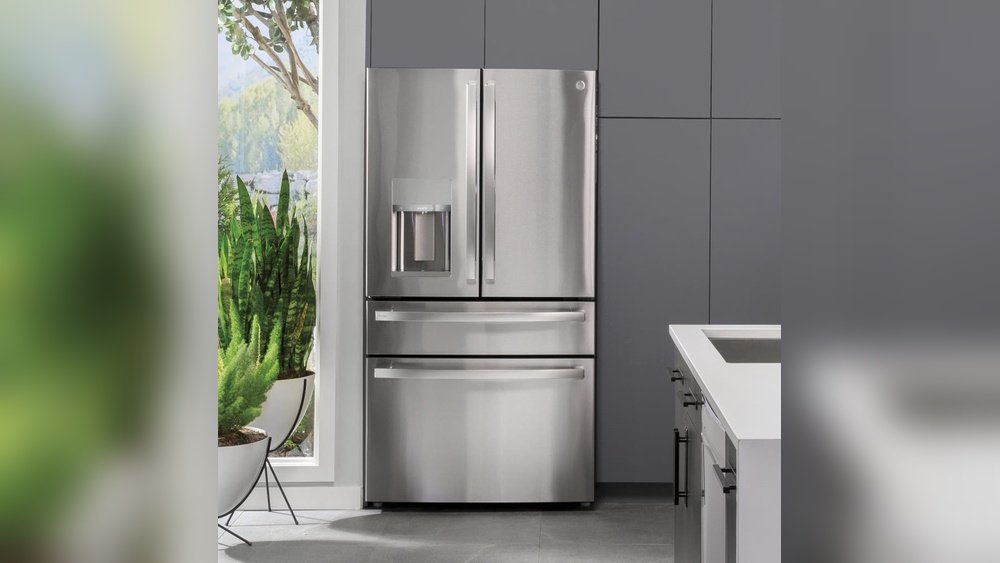
If you have a French door refrigerator, you probably love its sleek look and spacious design. But what happens when it starts acting up?
You might notice strange noises, uneven cooling, or doors that won’t close properly. These common problems can be frustrating and disrupt your daily routine. You’ll discover the main issues French door refrigerators face and easy ways to fix them. Keep reading to protect your investment and keep your fridge running smoothly.
Door Seal Issues
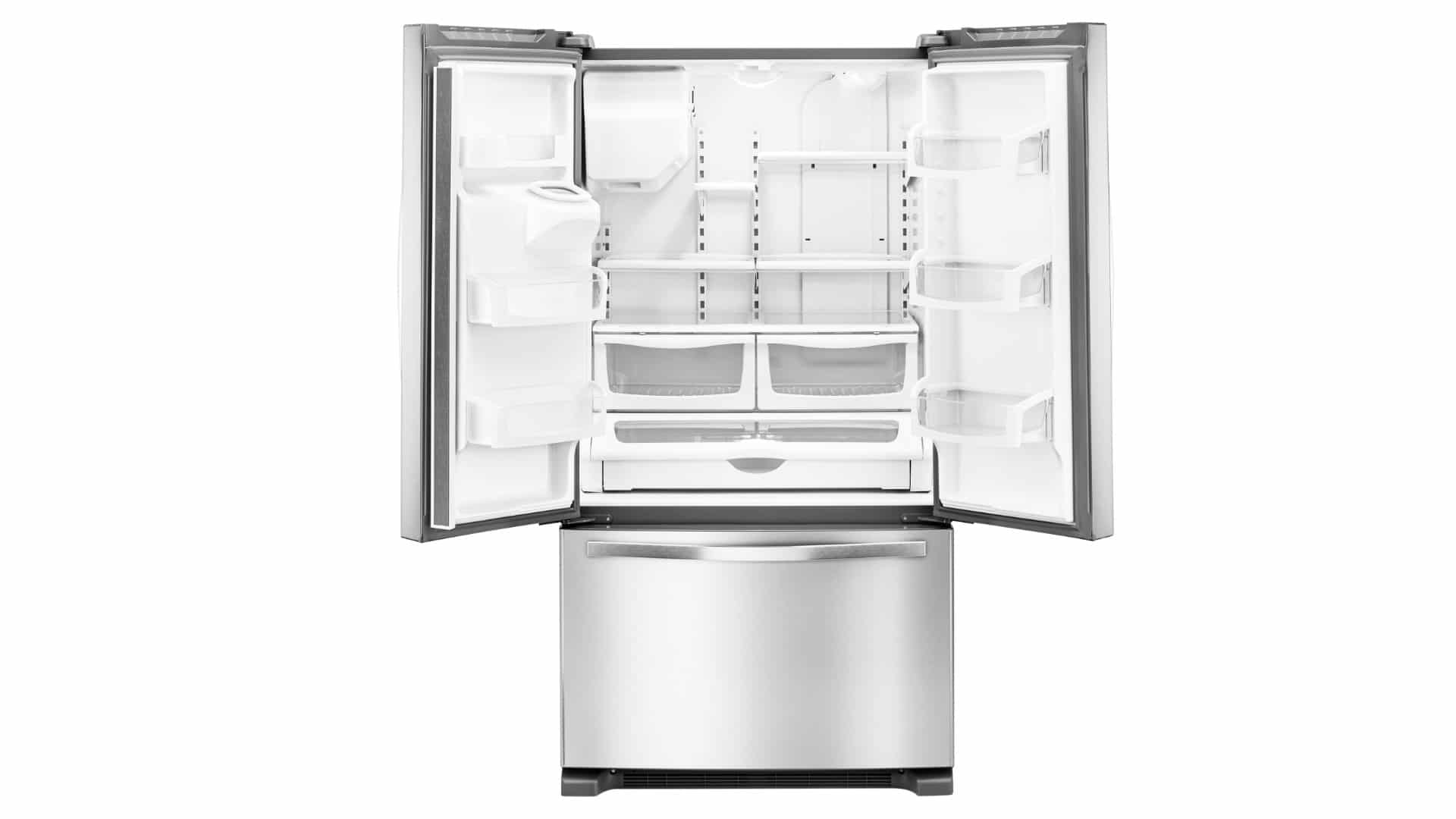
Door seal issues are a common problem with French door refrigerators. These seals keep cold air inside and warm air out. When seals wear out or get damaged, the fridge works harder. This leads to higher energy bills and food spoilage. Spotting seal problems early helps save money and keep food fresh.
Signs Of Worn Seals
Look for cracks or tears on the rubber seal. Food may spoil faster than usual. The fridge may feel warm or have frost build-up. You might hear the compressor running more often. Check if the door feels loose or does not close tightly.
Simple Seal Repairs
Clean the seals with warm soapy water and a soft cloth. Remove dirt and sticky residue to improve the seal. Use a hairdryer on low heat to soften seals and reshape them. Apply petroleum jelly to make seals flexible. These fixes can help if the damage is small.
When To Replace Seals
Replace seals if cracks are deep or pieces are missing. Seals that do not stick to the fridge door need replacement. If simple repairs fail and cold air escapes, buy new seals. Replacing seals improves fridge efficiency and saves energy. Always use seals made for your fridge model.
Temperature Fluctuations
Temperature fluctuations in French door refrigerators can spoil your food. These changes cause some areas to be too cold and others too warm. This problem affects the freshness and safety of your groceries. Understanding why these changes happen helps fix them fast.
Causes Of Inconsistent Cooling
Several issues cause uneven cooling inside the fridge. A faulty door seal lets cold air escape. Blocked vents stop cold air from circulating well. Overloading the fridge restricts air movement. A broken thermostat may give wrong temperature readings. Each problem needs its own solution to keep the fridge cool.
Adjusting Thermostat Settings
Check the thermostat if the temperature is not steady. Set it to the manufacturer’s recommended level. Avoid setting it too cold; it wastes energy and freezes food. Setting it too warm causes spoilage. Make small changes and wait 24 hours to see results. Correct thermostat settings keep your fridge balanced.
Cleaning Condenser Coils
Dirty condenser coils reduce cooling efficiency. Dust and dirt block heat release from coils. Clean coils every six months using a vacuum or brush. Unplug the fridge before cleaning for safety. Clean coils help the fridge run smoothly and keep temperatures steady.
Water Leakage
Water leakage is a common issue with French door refrigerators. It can cause damage to your floor and create a mess in your kitchen. Understanding why leaks happen helps fix the problem quickly. Many leaks come from simple sources that you can check yourself.
Common Leak Sources
Leaks often come from the drain hole or drip pan. The door seal can also let water escape if it is damaged. Sometimes, water leaks from the ice maker or water dispenser connections. Identifying the exact source is the first step to stopping leaks.
Clearing Drain Blockages
The drain hole helps remove water inside the fridge. If it clogs, water builds up and leaks out. Use warm water or a small brush to clear the drain. Check it regularly to prevent future blockages and leaks.
Fixing Ice Maker Leaks
The ice maker can leak if its water line is loose or broken. Check the water connection for cracks or loose fittings. Tighten or replace parts as needed. Also, inspect the ice maker for cracks or frozen parts causing leaks.
Noisy Operation
French door refrigerators are popular for their style and space. But noisy operation is a common issue many users face. Strange sounds can annoy and signal a problem inside the fridge. Understanding these noises helps keep your appliance working smoothly.
Identifying Noise Types
Different noises mean different problems. A humming sound is normal but loud buzzing is not. Clicking noises often come from the compressor starting or stopping. Rattling can mean loose parts inside. Hissing sounds may come from the defrost system. Learning these sounds helps find the source quickly.
Tightening Loose Parts
Loose parts cause many rattles and vibrations. Check door hinges and handles for looseness. Tighten screws with a screwdriver to stop shaking sounds. Look behind the fridge for loose panels. Secure them to reduce noise. Sometimes, shelves or bins inside the fridge can be loose too. Adjust these parts carefully.
Checking The Fan Motor
The fan motor moves cold air inside the fridge. Dust or damage can make it noisy. Turn off the fridge and open the back panel. Inspect the fan blades for dirt or cracks. Clean dust gently with a soft brush. If the motor sounds loud or irregular, it may need repair or replacement. A smooth-running fan keeps noise low and cooling efficient.
Ice Maker Problems
French door refrigerators often come with built-in ice makers. These are very handy for daily use. Still, ice maker problems can arise. Such issues affect ice production and water flow. Simple fixes can solve many common problems quickly.
Ice Production Stops
Sometimes the ice maker stops making ice. This can happen if the freezer temperature is too high. Check if the freezer is cold enough, ideally below 0°F (-18°C). Also, ice makers may stop if the ice bin is full. Remove some ice and see if it starts again. A frozen water line can block ice production as well.
Replacing Water Filters
Water filters keep ice clean and fresh. Over time, filters get clogged and reduce water flow. Replace filters every six months or as the manufacturer suggests. A dirty filter can cause slow ice production or bad taste. Always use the right filter model for your fridge.
Resetting The Ice Maker
Resetting the ice maker can fix many issues. Locate the reset button on the ice maker unit or inside the fridge. Press and hold the button for a few seconds. The ice maker will cycle and may start producing ice again. If there is no reset button, try turning the fridge off and on.

Door Alignment
Door alignment is a common issue with French door refrigerators. Proper alignment keeps the doors sealing tightly. Misaligned doors can cause cold air to escape. This leads to higher energy bills and food spoilage. It also makes the fridge work harder. Understanding how to spot and fix door alignment helps maintain your appliance.
Signs Of Misalignment
Doors that don’t close evenly show misalignment. You might see gaps between the doors or the fridge frame. The doors could also rub against each other. A door that swings open by itself is another sign. Ice buildup near the door seals can indicate poor closure. Listen for unusual noises when closing the doors too.
Adjusting Door Hinges
Most French door refrigerators have adjustable hinges. These let you fix minor alignment issues. First, check if the fridge is level. Use a spirit level and adjust the feet if needed. Next, loosen the hinge screws slightly. Move the door up, down, or side to side. Tighten the screws once the door fits properly. Always adjust both doors for balance.
Ensuring Proper Closure
Check the door seals for dirt or damage. Clean seals with warm, soapy water and a soft cloth. Replace seals if they are cracked or worn out. Close the doors firmly but gently to avoid damage. Use a dollar bill test to check the seal. Place the bill between the door and fridge. Pull it out gently; resistance means a good seal. No resistance means adjustment or seal replacement is needed.
Frost Buildup
Frost buildup is a common issue in French door refrigerators. It occurs when moisture freezes inside the fridge or freezer compartments. This frost can block air vents and reduce cooling efficiency. Over time, frost buildup may cause the doors to not close properly. It also leads to higher energy use and can damage stored food.
Causes Of Frost
Frost forms when warm, moist air enters the refrigerator. This happens if the doors are opened too often or left open. Damaged door seals let in humid air, causing frost. Setting the temperature too low can also create frost. Poor airflow inside the fridge leads to uneven cooling and frost buildup.
Defrosting Techniques
Manual defrosting is the easiest way to remove frost. Turn off the fridge and open the doors. Let the frost melt naturally or use a bowl of warm water to speed up melting. Avoid sharp tools to scrape frost; they can damage the fridge. Wipe the inside dry before turning the fridge back on.
Maintaining Frost-free Operation
Keep door seals clean and check for damage regularly. Close the doors firmly after each use to keep cold air in. Avoid placing hot or uncovered food inside the fridge. Set the temperature according to the manufacturer’s guide. Clean air vents to ensure proper airflow and prevent frost buildup.
Frequently Asked Questions
Why Is My French Door Refrigerator Not Cooling Properly?
A common cause is a dirty condenser coil or blocked vents. Check and clean coils, ensure proper airflow. Also, verify temperature settings and door seals for any gaps. Faulty fans or thermostats can also reduce cooling efficiency.
What Causes Water Leakage In French Door Refrigerators?
Water leaks often result from clogged or frozen defrost drain tubes. Check the drain for blockages and thaw if frozen. Also, inspect the water filter and door seals for damage or misalignment causing leaks.
How To Fix Uneven Temperature In French Door Refrigerators?
Uneven cooling may be due to blocked air vents or dirty condenser coils. Make sure vents are clear and coils clean. Properly arrange food items to avoid airflow obstruction. Faulty fans or sensors might also cause temperature inconsistencies.
Why Does My French Door Fridge Make Loud Noises?
Loud noises can come from faulty evaporator or condenser fans. Ice buildup or loose components also cause sounds. Inspect and clean fans regularly. Tighten any loose parts and remove ice buildup to reduce noise.
Conclusion
French door refrigerators offer great style and space. Still, they come with common problems you should know. Door seal issues and temperature control problems happen often. Ice makers can stop working sometimes. Regular cleaning and maintenance help avoid many troubles.
Understanding these problems saves time and money. Choose wisely and care well for your fridge. It keeps food fresh and your kitchen happy. Simple steps make a big difference. Stay aware and enjoy your fridge fully.

