
Are you tired of your top freezer refrigerator acting up just when you need it most? You rely on it every day to keep your food fresh and drinks cold, but sometimes it lets you down.
From unexpected noises to uneven cooling, these common problems can disrupt your routine and cause unnecessary frustration. You’ll discover the key issues that often affect top freezer refrigerators and learn how to spot them early. Keep reading to protect your appliance and avoid costly repairs—because your fridge should work for you, not against you.
Cooling Issues
Cooling problems are common in top freezer refrigerators. These issues affect food safety and freshness. Understanding the causes helps fix them quickly. This section covers the main cooling problems and their signs.
Inconsistent Temperature
Temperature swings can spoil your food. Sometimes the fridge feels too warm. Other times, it gets too cold. This happens when the thermostat or sensor malfunctions. Dust buildup on the condenser coils also causes uneven cooling. Regular cleaning and checking the thermostat can help.
Freezer Not Freezing
The freezer may stop freezing completely. This problem risks food thawing and spoilage. A blocked air vent or frost buildup often causes poor airflow. The evaporator fan might also fail. Clearing vents and defrosting the freezer often fixes the issue.
Fridge Too Cold
When the fridge is too cold, fresh food can freeze. This damages fruits, vegetables, and dairy products. Incorrect thermostat settings or a faulty temperature control can cause this. Adjusting the thermostat or replacing faulty parts restores proper cooling.
Frost Buildup
Frost buildup is a common issue in top freezer refrigerators. It happens when ice forms inside the freezer or on the walls. This frost can reduce the fridge’s efficiency and take up space. It also makes the freezer harder to clean and organize. Understanding why frost builds up helps in fixing it quickly.
Causes Of Excess Frost
Warm air entering the freezer causes frost to form. This happens if the door seal is broken or dirty. Opening the door too often lets moist air inside. Food stored without proper covering can release moisture, causing frost. A blocked or broken defrost drain may also cause ice buildup.
Defrosting Tips
Turn off the refrigerator before defrosting. Remove all food and keep them in a cool place. Use a bowl of warm water to speed up melting frost. Avoid sharp tools to scrape ice, as they can damage the freezer. Wipe the freezer dry after defrosting. Make sure the door seals are clean and tight.
Noise Problems
Noise problems are common in top freezer refrigerators. These sounds can disrupt your home’s peace. Understanding the cause helps reduce the noise. It also improves your fridge’s performance. Let’s explore typical noise issues and how to address them.
Loud Compressor Sounds
The compressor is the fridge’s heart. It pumps refrigerant to keep food cold. Sometimes, the compressor makes loud humming or buzzing sounds. This noise can be constant or start suddenly. A noisy compressor may mean it is working too hard.
Check if the fridge is level. An uneven surface can increase compressor noise. Dirt or dust on the compressor can also cause loud sounds. Cleaning the compressor area can help. If the noise stays loud, call a technician. The compressor might need repair or replacement.
Fan Noise Solutions
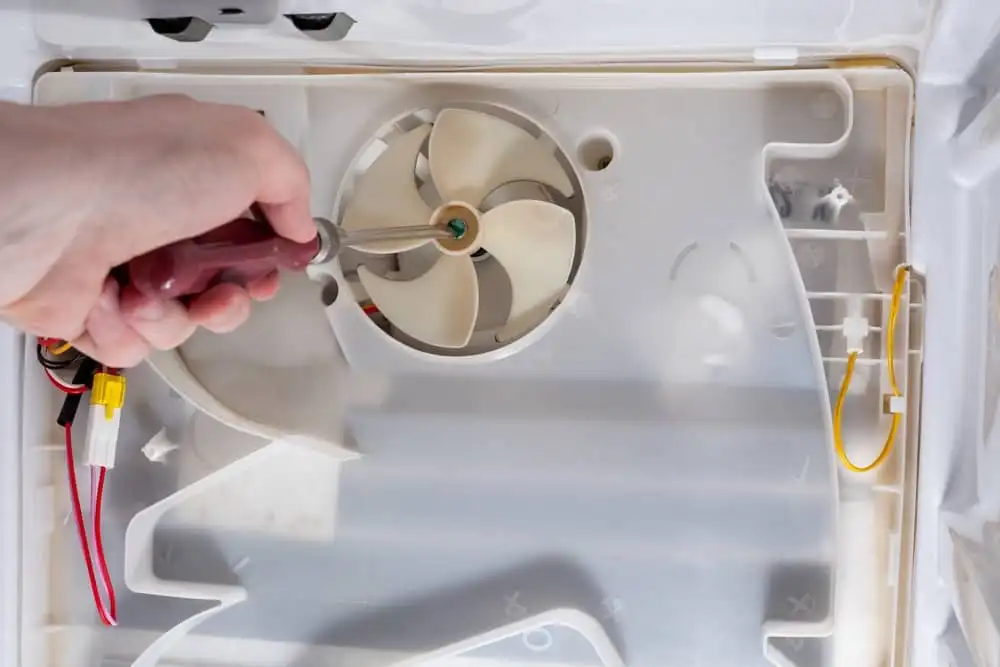
Fans inside the fridge help cool and circulate air. They can make clicking, buzzing, or rattling noises. Fan noise often comes from dirt or broken parts. Cleaning the fan blades can reduce noise. Make sure nothing blocks the fan’s movement.
If the fan motor is faulty, it may need changing. Tighten any loose screws around the fan. This simple step often lowers noise levels. Running the fridge with a noisy fan wastes energy. Fixing fan issues keeps your fridge quiet and efficient.

Water Leaks
Water leaks are a common issue with top freezer refrigerators. They can cause puddles under the fridge and damage your floor. These leaks often start small but can grow worse over time. Identifying the cause quickly helps avoid bigger problems. Two main reasons for water leaks are drain blockage and water filter issues.
Drain Blockage
The drain hole and drip pan collect water from defrost cycles. Sometimes food particles or ice block the drain hole. This blockage stops water from draining properly. Water then leaks inside or under the fridge. Cleaning the drain hole with warm water or a pipe cleaner clears the blockage. Regular cleaning prevents future leaks and keeps the fridge working well.
Water Filter Issues
Top freezer refrigerators with water dispensers use filters. A damaged or incorrectly installed filter can cause leaks. Water may drip inside the fridge or under it. Replacing the water filter on time helps avoid leaks. Always follow the manufacturer’s instructions when changing the filter. Proper filter maintenance ensures clean water and no leaks.
Door Seal Troubles
Door seal troubles are a frequent issue in top freezer refrigerators. These seals keep cold air inside and stop warm air from entering. When seals wear out or fail, the fridge works harder. This leads to higher energy bills and faster food spoilage. Recognizing seal problems early helps maintain your fridge’s performance.
Worn Gaskets
Gaskets are the rubber strips around the door. Over time, they can crack, tear, or lose flexibility. Worn gaskets create gaps where air leaks. This makes the fridge less efficient and causes frost build-up. Dirt and sticky residues also harm gaskets, reducing their sealing ability.
Improving Door Closure
Check door alignment regularly to ensure it closes tightly. Clean the gasket with warm, soapy water to remove dirt. Press the gasket firmly to the fridge frame to test the seal. Replace damaged gaskets to stop air leaks. These small steps improve cooling and save energy.
Ice Maker Malfunctions
Ice maker malfunctions are a common issue in top freezer refrigerators. These problems can interrupt your daily routine. Ice makers may stop working properly or produce ice too slowly. Understanding these issues helps you fix them quickly. This section covers two main problems: ice not dispensing and slow ice production.
Ice Not Dispensing
Sometimes ice does not come out when you press the dispenser. This can happen because of a jam in the chute. Ice cubes may stick together, blocking the path. Another cause is a faulty dispenser motor. It might not turn the ice wheel to release cubes. Also, the control panel may fail to send the right signals.
Check for clumps of ice blocking the dispenser. Clear any ice blockages carefully. Test the dispenser motor for proper function. If the motor fails, it may need replacement. Inspect the control board for electrical issues as well.
Slow Ice Production
Slow ice production means your ice maker does not fill fast enough. This problem can result from low water pressure. The water inlet valve may be partially blocked or broken. A dirty or frozen water line can also slow water flow. Another reason is a faulty thermostat in the ice maker.
Measure the water pressure to ensure it meets the required level. Clean the water inlet valve or replace it if needed. Defrost the water line if it is frozen. Test the thermostat and replace it if it does not work properly. Keeping the ice maker clean helps maintain fast ice production.

Frequently Asked Questions
Why Is My Top Freezer Refrigerator Not Cooling Properly?
A top freezer may not cool due to dirty condenser coils, a faulty thermostat, or blocked vents. Regular cleaning and checking airflow can fix this. If problems persist, professional repair is advised to restore proper cooling and food preservation.
What Causes Frost Buildup In Top Freezer Refrigerators?
Frost buildup often happens from frequent door openings, damaged door seals, or a defrost system failure. Keeping doors closed and seals intact helps prevent frost. Regular defrost cycles are essential for efficient freezer performance.
Why Does My Top Freezer Refrigerator Make Loud Noises?
Loud noises can stem from a malfunctioning evaporator fan, compressor issues, or loose components. Identifying the noise source early can prevent further damage. Scheduling maintenance or repairs helps maintain quiet and efficient operation.
How Do I Fix Water Leaking Inside A Top Freezer Fridge?
Water leaks usually result from clogged defrost drains or damaged drain pans. Clearing the drain line and checking the pan for cracks resolves leaks. Timely maintenance prevents water damage and keeps the refrigerator dry.
Conclusion
Top freezer refrigerators often face issues like uneven cooling and frost buildup. These problems can affect food freshness and energy use. Regular cleaning and proper maintenance help avoid many troubles. Choosing the right model also reduces common faults. Paying attention to these points saves time and money.
Keep your refrigerator in good shape for longer use. Small fixes now prevent bigger problems later. Stay informed to enjoy a better fridge experience.

