
Are you confused about whether to choose a deep freezer or a refrigerator freezer for your home? You’re not alone.
Both options keep your food frozen, but they work in very different ways. Picking the right one can save you money, space, and hassle. You’ll discover the key differences, benefits, and which freezer fits your lifestyle best. Keep reading to find out how to make the smartest choice for your kitchen and your needs.
Types Of Freezers
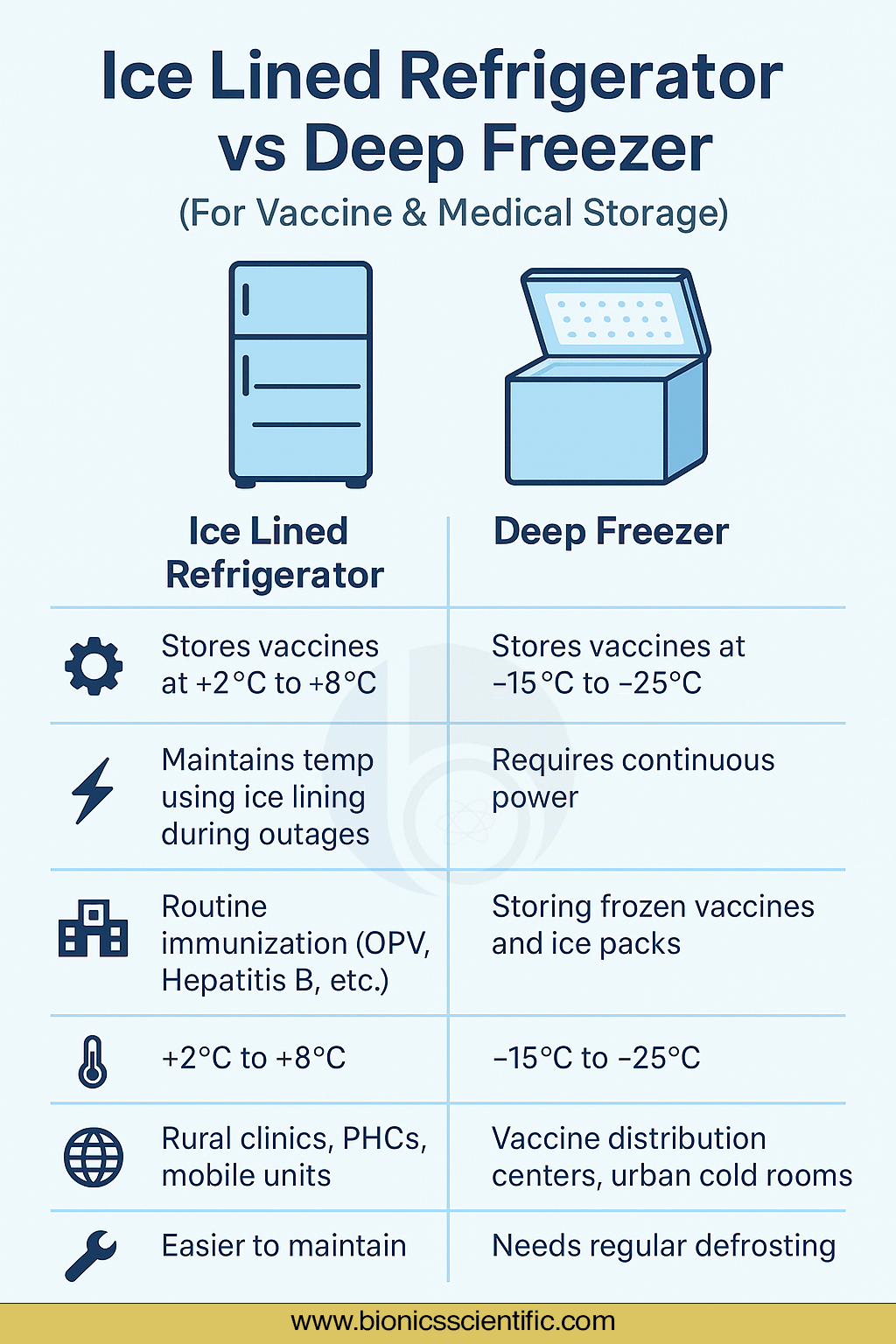
Freezers come in various types, each designed to meet different storage needs. Choosing the right freezer depends on space, budget, and how much food you store. Understanding freezer types helps you pick the best option for your home or business.
Chest Freezers
Chest freezers open from the top and offer large storage space. They keep food frozen longer during power outages. These freezers use less energy than upright models. Ideal for bulk storage, they fit well in basements or garages. Organizing food can be harder due to deep storage.
Upright Freezers
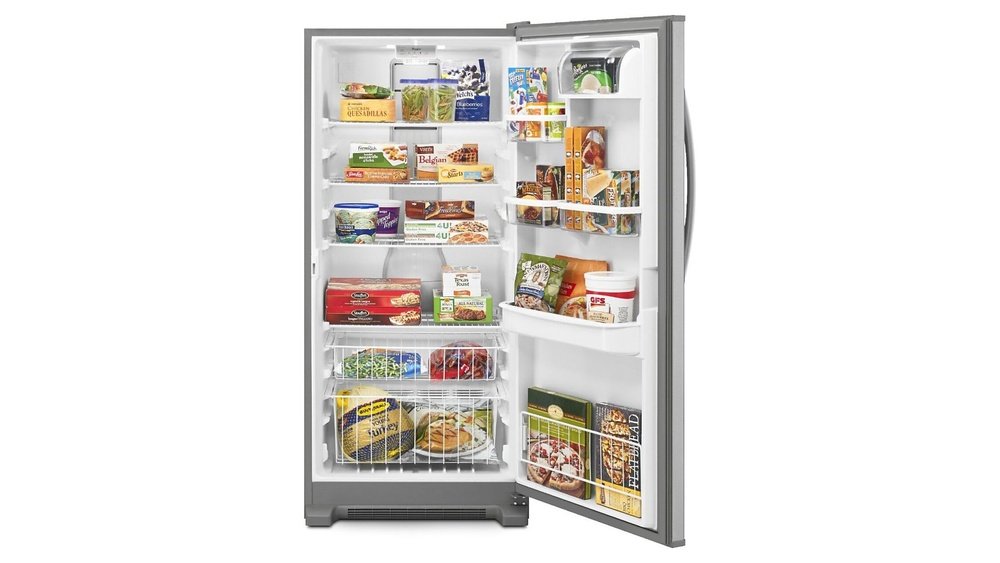
Upright freezers resemble refrigerators and open from the front. They have shelves and compartments for easy organization. These freezers take up less floor space and fit well in kitchens. They cost more energy than chest freezers but offer better accessibility. Perfect for frequent use and smaller spaces.
Refrigerator Freezers
Refrigerator freezers combine a fridge and freezer in one unit. They save space by offering both cooling and freezing functions. This type suits daily household use with smaller freezer compartments. Energy consumption varies but is usually higher than standalone freezers. Best for users needing both fresh and frozen food storage.
Storage Capacity Comparison
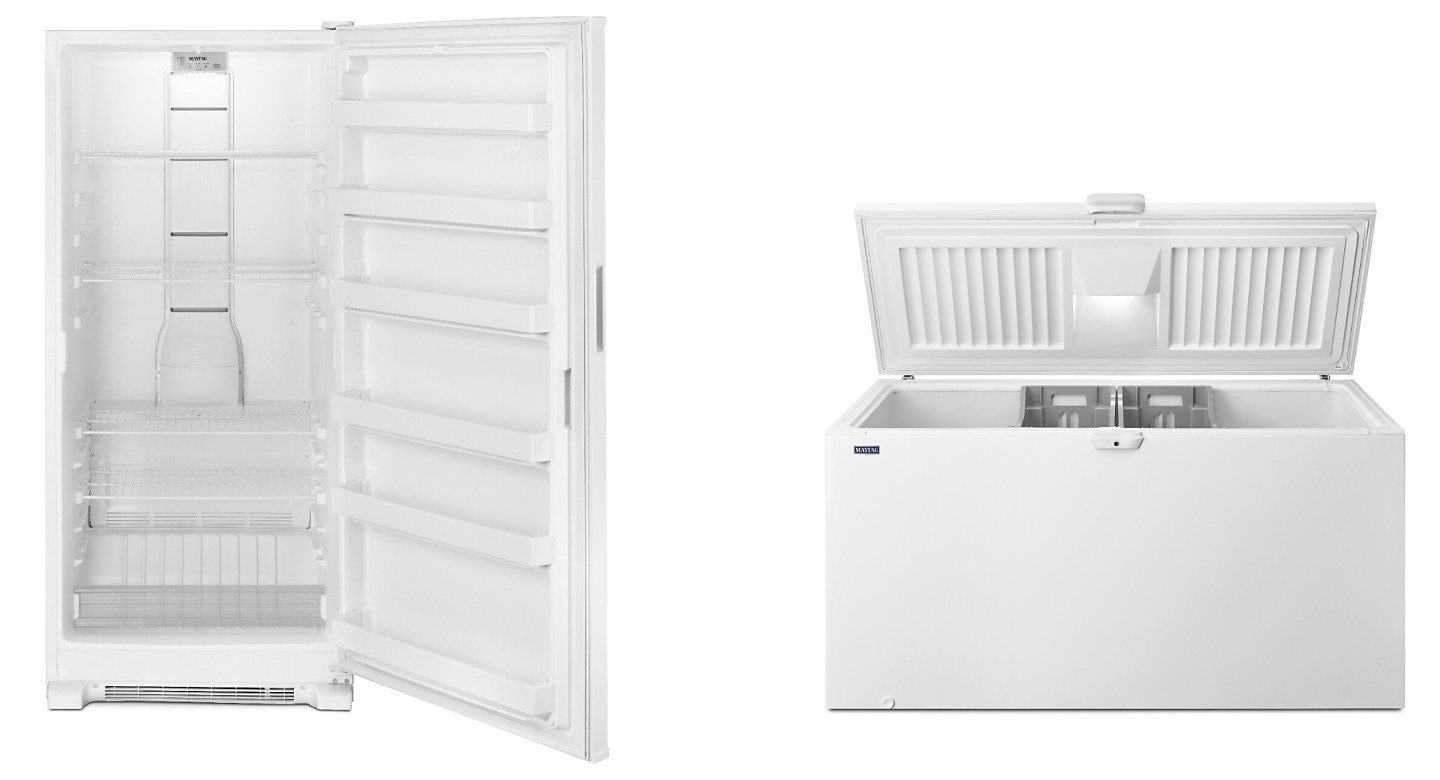
Storage capacity plays a big role in choosing between a deep freezer and a refrigerator freezer. Both have different ways of holding food. Understanding how much space each offers helps you pick the right one for your needs. Let’s explore how they compare in storing food efficiently.
Space Utilization
Deep freezers often provide more usable space than refrigerator freezers. They usually have a simple box design without shelves or compartments. This design means you can fit large items easily. Refrigerator freezers come with shelves and door bins. These features reduce the total space for big items. Deep freezers also maintain a consistent cold temperature. This helps keep food fresh longer and saves space by preventing frost buildup.
Organizing Food Items
Refrigerator freezers help organize food with compartments and shelves. You can separate meat, vegetables, and ice packs neatly. This layout makes it easier to find items quickly. Deep freezers require more effort to organize. Many models include baskets or dividers, but space is mostly open. You need to stack items carefully to avoid damage. Labeling boxes or bags can help keep track of stored food in deep freezers.
Temperature And Cooling Efficiency
Temperature and cooling efficiency are key factors in choosing between a deep freezer and a refrigerator freezer. Both appliances keep food frozen, but they do it differently. Understanding these differences helps in picking the right option for your needs.
Freezing Speed
Deep freezers freeze food faster than refrigerator freezers. They reach lower temperatures quickly. This fast freezing helps keep food fresh and prevents ice crystals. Refrigerator freezers take longer to freeze items. They work well for everyday use but are slower with large amounts.
Temperature Consistency
Deep freezers maintain a steady, low temperature all the time. This consistency preserves food quality over long periods. Refrigerator freezers often experience small temperature changes. Opening the fridge door can raise the freezer temperature. Deep freezers are better for long-term storage due to stable cooling.
Energy Consumption
Energy consumption is a key factor when choosing between a deep freezer and a refrigerator freezer. Both appliances use electricity to keep food frozen, but their power needs differ. Understanding these differences helps save money and reduce environmental impact.
Power Usage Differences
Deep freezers usually use less power than refrigerator freezers. They keep a constant low temperature and open less often. Refrigerator freezers are part of a fridge unit, which cycles on and off more frequently. This cycling uses more energy over time. Also, refrigerator freezers have to cool the fridge section, adding to power use.
Cost Implications
Lower energy use means lower electricity bills with deep freezers. Over a year, this can save a significant amount. Refrigerator freezers might cost more to run due to higher power needs. Choosing the right freezer based on energy use can reduce household expenses. Energy-efficient models further cut costs and help the environment.
Maintenance And Durability
Maintenance and durability are key factors when choosing between a deep freezer and a refrigerator freezer. Both appliances need regular care to work well and last long. Understanding how easy they are to clean and their expected lifespan can help you decide which suits your needs better.
Cleaning Ease
Deep freezers usually have a simple design inside. This makes cleaning quick and easy. You can wipe the walls and shelves without many obstacles. Frost buildup is less common in newer models, reducing the need for frequent defrosting.
Refrigerator freezers often have more shelves and compartments. These parts can trap dirt and crumbs. Cleaning takes more time and effort. Some models have self-defrost features. They help reduce manual cleaning but do not eliminate it.
Lifespan Expectations
Deep freezers often last longer due to their basic design. They can work well for 15 to 20 years with proper care. They use less complex parts, lowering the chance of breakdowns.
Refrigerator freezers generally have a shorter lifespan. Most last around 10 to 15 years. The added features and electronics may require repairs sooner. Regular maintenance can extend their working life.

Price And Value
Choosing between a deep freezer and a refrigerator freezer involves understanding their price and value. Both have costs that matter. Knowing these costs helps make the best choice for your needs and budget.
Initial Investment
Deep freezers usually cost more upfront than refrigerator freezers. They are larger and designed for long-term storage. Refrigerator freezers are smaller and often come with a fridge. This makes them cheaper to buy initially. The price depends on size and brand. A bigger deep freezer means a bigger price. Refrigerator freezers can fit smaller spaces and budgets.
Long-term Savings
Deep freezers use less energy. They keep food frozen longer during power cuts. This means less food waste and money saved. Refrigerator freezers may use more electricity. They open often, losing cold air quickly. Over time, a deep freezer can lower your bills. It lasts longer with fewer repairs. Refrigerator freezers are easier to access but might cost more in energy. Think about how often you use it. This affects your savings a lot.
Ideal Usage Scenarios
Choosing between a deep freezer and a refrigerator freezer depends on where and how you plan to use it. Each type serves different purposes. Understanding the ideal usage scenarios helps you pick the right one for your needs.
Both appliances keep food frozen, but their design and capacity vary. These differences make them suitable for specific environments and tasks.
Household Needs
Refrigerator freezers fit well in most homes. They combine fridge and freezer in one unit. This saves space and offers easy access to frozen and fresh food.
Families with limited space or small kitchens benefit from these units. They keep daily essentials frozen and fresh without extra appliances.
Deep freezers suit households that store large amounts of frozen food. Bulk buyers and hunters often choose chest or upright deep freezers. These freezers hold more food for longer periods.
Commercial Applications
Deep freezers are common in restaurants, grocery stores, and food processing plants. Their large capacity stores bulk products safely. This helps businesses manage inventory efficiently.
Refrigerator freezers work in small cafes or convenience stores. They keep ready-to-sell items fresh and frozen. These units help maintain product quality and reduce waste.
Commercial deep freezers often have stronger compressors and better insulation. They handle frequent door openings and heavy use. This reliability is essential for business operations.
Frequently Asked Questions
What Is The Main Difference Between Deep Freezer And Refrigerator Freezer?
A deep freezer maintains temperatures below 0°F for long-term storage. A refrigerator freezer keeps food frozen but at higher temperatures, suitable for short-term use.
Which Freezer Is More Energy Efficient?
Deep freezers generally use less energy because they maintain a constant low temperature. Refrigerator freezers cycle on and off more frequently, using more energy.
Can A Deep Freezer Replace A Refrigerator Freezer?
No, a deep freezer is ideal for bulk storage but lacks compartments for fresh food. Refrigerator freezers balance freezing and refrigeration needs in one unit.
How Do Storage Capacities Compare In Both Freezers?
Deep freezers offer larger storage space, perfect for bulk items. Refrigerator freezers have smaller freezing compartments, suitable for daily or weekly use.
Conclusion
Choosing between a deep freezer and a refrigerator freezer depends on your needs. Deep freezers store more food for longer times. Refrigerator freezers offer easy access and combine cooling with freezing. Think about space, budget, and how often you freeze items.
Both have strengths that fit different homes. Pick the one that suits your lifestyle best. This helps keep food fresh and saves money. Simple choices make daily life easier and food storage better.

