

Are you trying to choose the perfect refrigerator for your kitchen but feeling stuck between counter-depth and standard models? Understanding the key differences can save you time, money, and frustration.
Your kitchen layout, storage needs, and style all play a role in this decision. Keep reading, and you’ll discover exactly how these two types of refrigerators compare—so you can make the choice that fits your home and lifestyle perfectly. Don’t settle for a fridge that doesn’t meet your needs; let’s break down the difference and help you find your ideal match.
Counter-depth Refrigerators
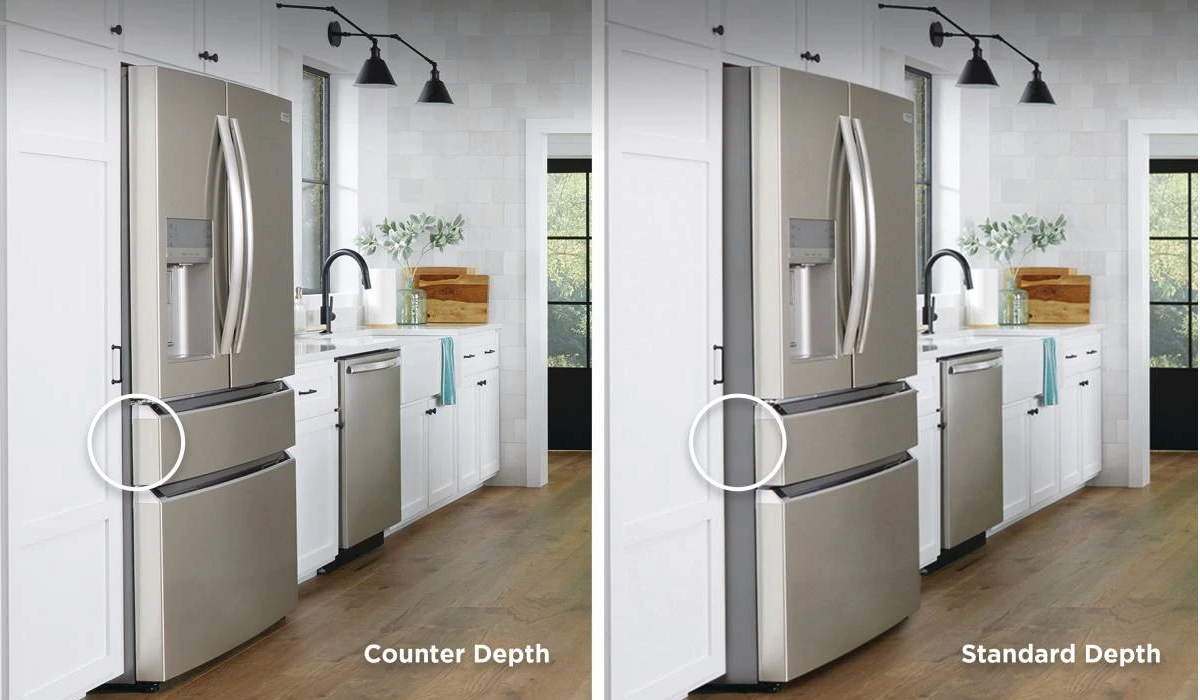
Counter-depth refrigerators offer a unique option for kitchen design. They are built to align closely with your counters and cabinets. This creates a smooth, streamlined look. These refrigerators do not stick out as much as standard models. Many homeowners choose them for their modern and tidy appearance.
Design And Dimensions
Counter-depth refrigerators are shallower than standard ones. They usually measure around 24 to 30 inches deep. Standard refrigerators can be up to 36 inches deep. This smaller depth helps the fridge fit flush with cabinets. The height and width are similar to standard models. Shelves and compartments inside are designed to use space well. This design suits kitchens with limited space or a focus on style.
Space Efficiency
These refrigerators save floor space in the kitchen. Their shallow depth allows for easier movement around the kitchen. They reduce the chance of bumping into the fridge. Although they have less interior space, smart storage options help. Adjustable shelves and door bins make organizing simple. They work well in smaller kitchens or open floor plans.
Aesthetic Appeal
Counter-depth refrigerators give kitchens a clean, built-in look. They blend well with custom cabinetry. The smooth front helps create a neat and modern feel. This style reduces visual bulk in the kitchen. Many designs offer sleek finishes and hidden handles. They enhance the overall kitchen design without overwhelming it.
Standard Refrigerators
Standard refrigerators are the most common type found in homes. They have a classic look and offer a lot of space inside. These refrigerators stick out from the wall more than counter-depth models. This extra depth allows for bigger storage but can take up more kitchen room.
Many families choose standard refrigerators for their size and practical design. They come in many styles, including top freezer, bottom freezer, and side-by-side doors. This variety helps fit different kitchen layouts and needs.
Size And Capacity
Standard refrigerators are deeper than counter-depth options. This extra depth gives more room for large items. You can store big pots, tall bottles, and bulk groceries easily. The size usually ranges from 28 to 36 inches wide and over 30 inches deep. This makes them a good fit for bigger kitchens.
Storage Flexibility
Inside, standard refrigerators often have adjustable shelves. This lets you change the space to fit different items. Many models include door bins and drawers for fruits, vegetables, and meats. Some also offer special compartments for deli or dairy products. This flexibility helps organize food better and reduces waste.
Cost Considerations
Standard refrigerators tend to cost less than counter-depth models. The price varies based on brand, size, and features. Basic models are affordable for most budgets. More advanced options with extra features cost more. Overall, they offer good value for the space and storage provided.
Comparing Storage Capacity
Comparing storage capacity between counter-depth and standard refrigerators helps you choose the right fit. Storage space affects how much food and drinks you can keep fresh. Each type offers different interior designs and options that affect usability. Understanding these differences makes it easier to pick a fridge that suits your kitchen and lifestyle.
Interior Layout Differences
Counter-depth refrigerators have a shallower depth. This design saves kitchen space but limits overall storage volume. The interior is more compact, often with fewer shelves and smaller compartments. Standard refrigerators offer more depth, which means more room inside. They provide larger shelves and more storage for bulk items. The layout in standard models tends to be more flexible for various food sizes.
Shelf And Drawer Options
Counter-depth models usually have fewer shelves and drawers. This limits how you organize different food types. Drawers may be smaller, affecting storage of fruits and vegetables. Standard refrigerators have more shelves and larger drawers. This gives better options for sorting and separating food items. Many standard models include adjustable shelves, which help store tall bottles or large trays easily.
Kitchen Space Impact
The choice between counter-depth and standard refrigerators affects kitchen space in many ways. It changes how your kitchen looks and feels. Space use matters for comfort and style. Small kitchens especially feel different with either option.
Fit With Cabinets And Counters
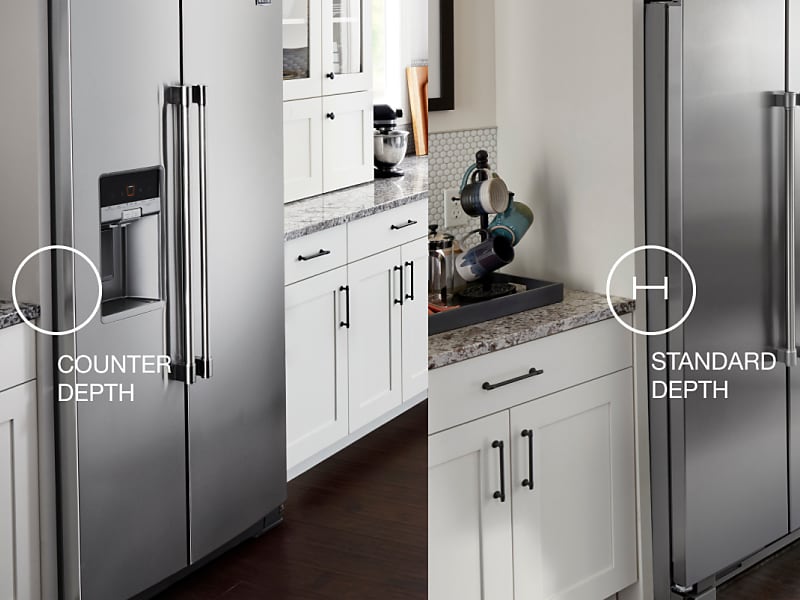
Counter-depth refrigerators align almost flush with cabinets and counters. This makes your kitchen look neat and tidy. The fridge does not stick out into the room. Standard refrigerators extend beyond counters. This can break the smooth line of your kitchen design. They take up more room and can feel bulky.
Traffic Flow And Accessibility
Counter-depth fridges offer better movement in tight kitchens. Doors open without blocking walkways. This helps when many people use the kitchen. Standard refrigerators need more space to open fully. They can block paths and feel intrusive. Accessibility to fridge shelves may differ too. Counter-depth models can be easier to reach in small spaces.
Energy Efficiency
Energy efficiency is a key factor in choosing between counter-depth and standard refrigerators. It affects electricity bills and environmental impact. Understanding how these two types compare helps buyers make smart choices.
Power Consumption
Counter-depth refrigerators usually consume less power. Their smaller size means the compressor works less. Standard refrigerators are larger and use more energy. The extra space needs more cooling, raising power use.
Energy Star Ratings
Both counter-depth and standard models can have Energy Star ratings. These ratings show efficient energy use. Look for refrigerators with this label to save money. Energy Star appliances also help reduce carbon footprints.
Key Benefits Summary
Understanding the key benefits of counter-depth and standard refrigerators helps you choose the right one. Each type has unique advantages that fit different kitchen needs and styles.
Counter-depth refrigerators sit almost flush with your cabinets. They create a neat, streamlined look. Standard refrigerators offer more space and often come with extra features. Knowing when to pick each type saves time and effort.
When To Choose Counter-depth
Pick counter-depth for small kitchens. They take up less space and look less bulky. Their design matches kitchen cabinets for a cleaner appearance. These refrigerators fit well if you want a modern, tight kitchen layout. They also make moving around the kitchen easier.
When To Opt For Standard
Choose standard refrigerators for large families or food storage needs. They provide more room inside for groceries. Extra space means fewer trips to the store. These models often include more shelves and compartments. Great for meal prep and storing big items.

Frequently Asked Questions
What Is A Counter-depth Refrigerator?
A counter-depth refrigerator aligns with kitchen counters. It offers a shallow depth to save space. This design creates a sleek, built-in look. It’s ideal for smaller kitchens or minimalist styles.
How Does A Standard Refrigerator Differ?
Standard refrigerators are deeper and bulkier. They provide more storage capacity than counter-depth models. These units often extend beyond counter edges. They suit larger kitchens needing extra space.
Are Counter-depth Refrigerators More Expensive?
Yes, counter-depth refrigerators usually cost more. Their design and manufacturing are specialized. They focus on aesthetics and space-saving features. This often increases the price compared to standard models.
Which Refrigerator Type Saves More Kitchen Space?
Counter-depth refrigerators save more kitchen space. They fit flush with counters and cabinets. This design improves kitchen flow and appearance. Standard refrigerators require more room due to depth.
Conclusion
Counter-depth and standard refrigerators serve different needs. Counter-depth models fit flush with cabinets, saving space. Standard refrigerators offer more storage and often cost less. Choosing depends on kitchen size and storage needs. Think about your space and how much food you store.
Both types have pros and cons to consider. This helps you pick the right fridge for your home. Simple choices lead to better kitchen use and satisfaction.

