
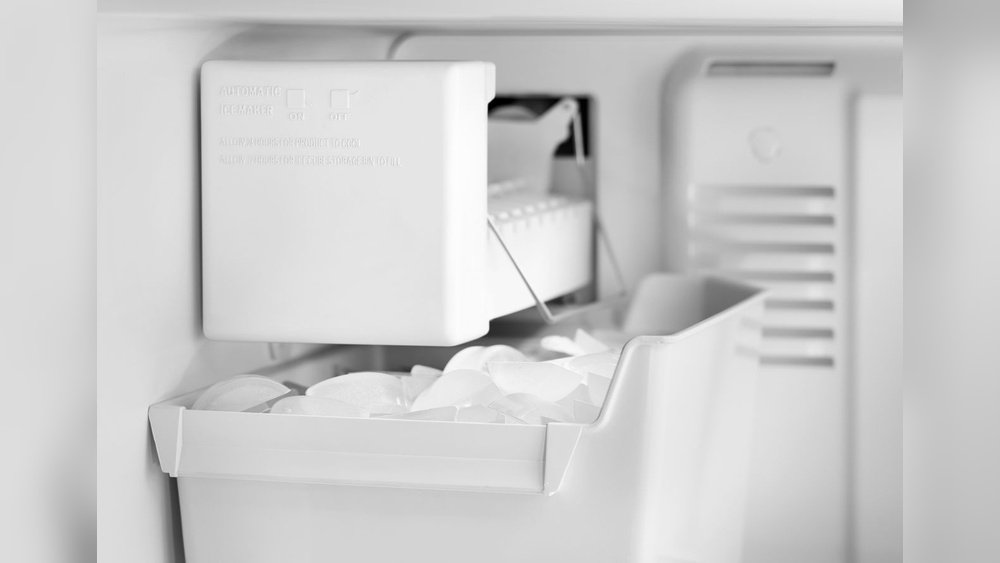
Have you ever wondered if your ice maker knows when to stop? You might be asking yourself, “Do ice makers shut off automatically?”
This question matters because an ice maker that doesn’t stop at the right time can waste water and energy or even cause a mess. You’ll discover how ice makers work, why automatic shut-off is important, and what to do if yours doesn’t seem to stop on its own.
Keep reading to make sure your ice maker is working smart, saving you time and hassle.

How Ice Makers Work
Ice makers are common appliances in many homes and offices. They produce ice automatically, making life easier. Understanding how ice makers work helps explain if they shut off on their own.
Basic Ice Making Process
Ice makers start by filling a tray with water. The water freezes into ice cubes. Once frozen, the machine releases the cubes into a storage bin. This process repeats continuously to keep ice ready. Sensors detect when the bin is full. Then, the ice maker pauses to avoid overflow.
Common Components
Most ice makers have key parts. A water inlet valve controls water flow. The freezing tray holds the water to freeze. A thermostat senses the temperature to know when ice forms. An ejector arm pushes the cubes out. A sensor or switch stops the machine when the bin is full.

Automatic Shutoff Mechanisms
Automatic shutoff mechanisms help ice makers stop making ice at the right time. These systems prevent overflow and save energy. They make sure your ice maker works efficiently and without problems.
Sensors And Switches
Ice makers use sensors and switches to know when to stop making ice. These parts detect the ice level inside the bin. When ice reaches a certain height, sensors send a signal to stop. Switches act like a switch that turns off the ice maker. This keeps the ice from spilling over.
Ice Level Detection
Ice level detection is key to automatic shutoff. Some ice makers use mechanical arms or infrared sensors. Mechanical arms move up as ice fills the bin. When the arm is pushed up, the machine stops. Infrared sensors use light to check ice levels. Both methods help keep the right amount of ice. This avoids waste and keeps the ice fresh.
Benefits Of Automatic Shutoff
Automatic shutoff in ice makers brings many useful benefits. It helps save energy and avoids messes. This feature makes ice makers safer and easier to use.
Understanding these benefits helps you see why automatic shutoff is important for your appliance.
Energy Efficiency
Automatic shutoff stops the ice maker from working when the ice bin is full. This saves electricity by not running the machine unnecessarily. Less power use means lower bills and a smaller carbon footprint. It also helps the ice maker last longer by reducing wear and tear.
Preventing Overflow
The shutoff feature stops ice from overflowing the bin. Overflow can cause water leaks and damage to floors or cabinets. It also prevents ice from piling up and jamming the machine. This keeps your kitchen clean and avoids costly repairs. The ice maker works smoothly and safely without constant watching.

Signs Your Ice Maker Shuts Off Properly
Knowing if your ice maker shuts off properly helps avoid wasted water and energy. It also stops ice overflow and keeps your freezer organized. Watch for simple signs to ensure the ice maker works as it should. Proper shutoff means the ice maker pauses once the bin is full.
Recognizing these signs early can save you time and repair costs. It also helps keep ice fresh and ready to use. Let’s explore how to tell if your ice maker stops correctly and what to do if it doesn’t.
Normal Operation Indicators
The ice maker stops filling the tray when the bin is full. You hear a soft click or pause in the water fill sound. Ice cubes stop dropping into the bin. The ice level stays steady without overflow. The machine cycles on and off regularly, not running all the time. The freezer stays cold without frost buildup near the ice maker.
Troubleshooting Common Issues
Ice keeps spilling over the bin. The ice maker runs non-stop without stopping. Ice cubes are misshapen or stuck together. Water leaks inside the freezer or under the machine. Ice maker does not start or produce ice. Check the shutoff arm or sensor for damage or blockage. Make sure the ice bin is properly in place. Clear any ice jams in the chute or tray. Inspect water supply and filter for clogs or leaks. Reset the ice maker by turning it off and on.
Manual Override And Settings
Many ice makers come with manual override options and adjustable settings. These features help control when the ice maker stops making ice. Users can change the shutoff controls to suit their needs. Manual override allows you to stop or start ice production anytime. This adds flexibility and control to your ice-making process.
Adjusting Shutoff Controls
Most ice makers have a shutoff control setting. This setting stops ice production when the bin is full. You can adjust it by turning a dial or pressing buttons. Adjusting controls helps avoid ice overflow or shortage. Check your ice maker’s manual for exact steps.
When To Use Manual Mode
Manual mode is useful in special situations. Use it if the automatic shutoff does not work properly. It helps when you need ice faster or want to pause production. Manual mode gives you full control over ice making. Switch back to automatic mode to save energy and prevent overfilling.
Differences Among Ice Maker Types
Ice makers come in different types, each with unique features. These differences affect how they shut off automatically. Understanding these types helps you choose the right ice maker. It also explains why automatic shutoff works differently across models.
Built-in Vs Portable Units
Built-in ice makers are part of refrigerators or freezers. They connect directly to your water supply. They usually shut off automatically when the ice bin is full. Sensors detect the ice level and stop the ice-making process.
Portable ice makers stand alone and do not need plumbing. You add water manually for each batch. Many portable units stop making ice once the tray is full. Some models require you to turn them off yourself. They often have simple sensors or timers for shutoff.
Commercial Vs Residential Models
Commercial ice makers are designed for heavy use in restaurants or stores. They produce large amounts of ice quickly. These machines have advanced sensors to avoid overfilling. Automatic shutoff is reliable and fast to prevent spills.
Residential ice makers are smaller and made for home use. They produce less ice in a longer time. Automatic shutoff works but may be less sensitive than commercial types. Some home models need manual checking to avoid overflow.
Maintaining Your Ice Maker
Maintaining your ice maker helps it work well and last longer. Regular care stops problems before they start. It keeps your ice clean and fresh. Simple steps can keep your machine in top shape.
Cleaning Tips
Turn off the ice maker before cleaning. Use a soft cloth and warm water. Avoid harsh chemicals that can damage parts. Clean the ice bin and water reservoir often. Remove any ice build-up carefully. Dry all parts before turning the machine on again.
Preventing Malfunctions
Check the water supply regularly. Use clean water to avoid clogs. Clear any blockages in the ice chute. Keep the machine level to prevent leaks. Do not overload the ice bin. Schedule routine inspections to catch issues early.
Frequently Asked Questions
Do Ice Makers Stop Automatically When Full?
Yes, most ice makers have a sensor that detects when the ice bin is full. This sensor triggers the machine to stop producing ice automatically. This feature prevents overflow and saves energy, ensuring efficient and hassle-free ice production.
How Does An Ice Maker Know When To Stop?
Ice makers use a mechanical or optical sensor to detect ice levels. When the ice reaches a certain height, the sensor signals the machine to stop. This helps maintain proper ice supply without overfilling the storage bin.
Can A Malfunctioning Sensor Cause Ice Maker Issues?
Yes, a faulty sensor can prevent the ice maker from shutting off. This may lead to overproduction or no ice at all. Regular maintenance and sensor checks can help avoid such problems and keep the ice maker functioning correctly.
Do All Ice Makers Have Automatic Shutoff Features?
Most modern ice makers include automatic shutoff to avoid overflow. However, some older or basic models might lack this feature. It’s important to check your ice maker’s specifications for automatic shutoff capability.
Conclusion
Ice makers usually shut off automatically when ice reaches a certain level. This feature helps prevent overflow and water waste. It also keeps your ice fresh and ready to use. Knowing this can save you from unnecessary repairs or worries.
Check your ice maker’s manual to understand its shut-off system. Regular maintenance ensures it works smoothly and lasts longer. Simple care can keep your ice maker running without problems. So, enjoy cold drinks without stress or extra work.

